1. Introduction
The fastest way to stop a severe calf cramp is to physically stretch the contracted gastrocnemius muscle by pulling the toes upward toward the shin while keeping the knee perfectly straight. Following this passive stretch, applying deep cross-friction massage and a warm compress restores local blood flow and clears accumulated metabolic waste from the rigid tissue. Addressing underlying dehydration and restoring depleted cellular electrolytes prevents the immediate recurrence of the spasm.
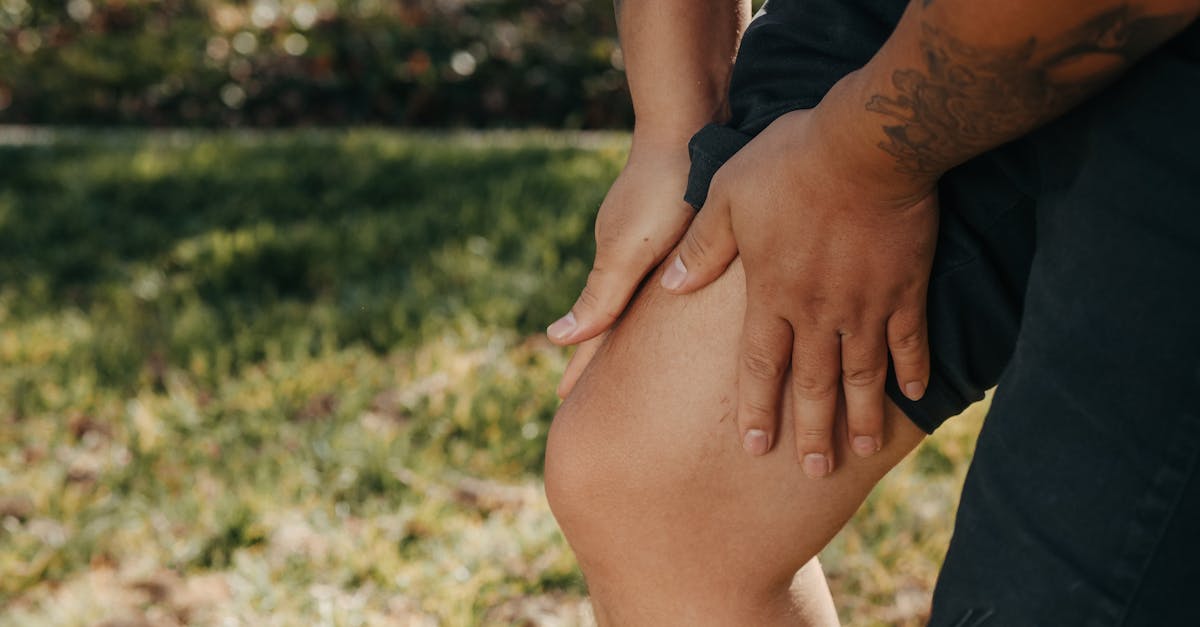
A charley horse is the colloquial term for a sudden, involuntary, and agonizingly painful contraction of a skeletal muscle, most frequently occurring in the calf. These spasms strike without warning, often in the middle of the night or during intense physical exertion. During a severe episode, the muscle fibers lock into a state of maximum tetanic contraction, rendering the muscle a rigid, palpable knot beneath the skin.
This intense contraction is a failure of the neuromuscular system. Under normal physiological conditions, opposing muscle groups operate through a system of reciprocal inhibition, where one muscle relaxes while the other contracts. A cramp occurs when the motor neurons misfire, sending an unrelenting barrage of electrical signals that force the muscle to contract endlessly without a relaxation phase.
Breaking this neurological short-circuit requires mechanical intervention to forcefully separate the locked muscle fibers, followed by physiological interventions to restore the biochemical balance within the cellular matrix. Rapid, decisive action minimizes the microscopic tissue tearing and prolonged residual soreness that typically follows a severe episode.
2. The Physiology of a Skeletal Muscle Cramp
To treat a cramp effectively, one must understand the microscopic mechanics of muscle contraction. Within every muscle fiber lie tiny filaments of proteins called actin and myosin. When a nerve sends a signal to contract, calcium is released inside the cell, allowing the myosin heads to grab the actin filaments and pull them together, shortening the muscle.
For the muscle to relax, the body must pump the calcium back out of the cellular space. This relaxation process requires a significant amount of cellular energy, derived from adenosine triphosphate, and specific concentrations of magnesium to act as a biochemical key.
During a charley horse, this process fails. The motor neurons become hyperexcitable, firing continuously. The muscle cell runs out of the energy required to detach the myosin heads, leaving the filaments physically locked together in a shortened state. This is essentially a localized, temporary form of rigor.
Because the muscle is contracted maximally, it physically compresses its own blood supply. This localized ischemia cuts off the delivery of fresh oxygen and prevents the removal of metabolic waste products, which irritates the sensory nerves and generates excruciating, sharp pain. Restoring blood flow is paramount to resolving the crisis.
3. Anatomy of the Gastrocnemius and Soleus Complex
The calf is not a single muscle, but a complex composed of two primary muscles: the gastrocnemius and the underlying soleus. The gastrocnemius is the large, superficial, two-headed muscle that gives the calf its distinct shape. Crucially, it crosses two joints, originating above the knee and inserting into the heel via the Achilles tendon.
Because the gastrocnemius crosses both the knee and the ankle, its mechanical tension is highly dependent on the position of both joints. When the knee is bent and the toes are pointed downward, the gastrocnemius is in its most shortened, vulnerable state. This is why cramps frequently occur while sleeping with the toes pointed under heavy blankets.
The soleus muscle lies deep beneath the gastrocnemius. It only crosses the ankle joint. While it can also cramp, the vast majority of severe, visible charley horses involve the massive fast-twitch fibers of the gastrocnemius.
Understanding this dual-joint anatomy is critical for executing an effective mechanical stretch. To stretch the gastrocnemius completely and pull the locked filaments apart, the stretch must be applied across both the knee and the ankle simultaneously.
4. Immediate Mechanical Stretching
The absolute priority when a cramp strikes is to manually overpower the locked muscle fibers. The patient must immediately straighten the affected leg, locking the knee completely flat against the bed or floor. With the knee straight, the patient must forcefully pull their toes and the top of their foot backward, toward their shin. This movement is called ankle dorsiflexion.
If the cramp is too agonizing to allow the patient to reach their own toes, they can utilize a towel, a belt, or a bedsheet. Looping the fabric around the ball of the foot and pulling backward creates a mechanical lever, allowing the arms to apply massive passive tension to the calf without requiring the patient to bend their spine.
This intense stretch triggers a reflex within the muscle known as the Golgi tendon organ response. When the tendon is placed under severe, sustained tension, these sensory organs send an emergency inhibitory signal back to the spinal cord, essentially demanding that the motor neurons shut off the contraction to prevent the tendon from tearing.
The stretch must be held constantly for thirty to sixty seconds. Releasing the stretch prematurely, while the motor neurons are still firing rapidly, will cause the muscle to violently snap back into a cramped state.
5. Deep Tissue Massage Techniques
Once the intense, locked contraction has been broken by the mechanical stretch, the muscle will remain highly rigid and ischemic. Deep tissue massage is required to physically force the accumulated metabolic waste out of the tissue and manually separate the adhered fascial layers.
The patient should use both thumbs to apply deep, firm pressure directly into the center of the cramped muscle belly. The massage stroke should move longitudinally, starting from the Achilles tendon and pushing upward toward the back of the knee. This specific upward motion assists the venous system in pushing the deoxygenated, acidic blood back toward the heart.
Cross-friction massage is also highly beneficial for residual stiffness, similar to the techniques used for intense muscle soreness. By rubbing firmly back and forth across the width of the muscle fibers, the patient physically breaks the temporary cross-links between the actin and myosin that failed to release entirely during the stretch.
Massage must be firm but should not inflict sharp pain. The goal is to stimulate vasodilation and tissue glide. If the muscle begins to twitch or threaten to cramp again during massage, the patient must immediately return to the passive dorsiflexion stretch.
6. Thermal Interventions for Vasodilation
Following the stretch and massage, thermal therapy provides profound physiological relief. A severe cramp leaves the muscle tissue starved of oxygen and bathed in acidic metabolic byproducts. Applying a hot compress directly to the calf immediately dilates the peripheral blood vessels.
This massive influx of fresh, oxygenated arterial blood flushes the acidic waste out of the capillary beds. The heat also alters the viscoelasticity of the collagen fibers within the muscle fascia, relaxing the structural tension and relieving the lingering, dull ache that typically persists for days after a severe episode.
A commercial heating pad, a hot water bottle, or a towel soaked in hot water can be applied for fifteen to twenty minutes. The heat should be comforting, penetrating deep into the muscle belly.
Conversely, cold therapy is generally not recommended immediately after a cramp. Ice causes profound vasoconstriction, which shrinks the blood vessels and traps the irritating metabolic waste inside the muscle, potentially delaying recovery and leaving the muscle prone to a secondary spasm.
7. The Role of Electrolyte Depletion
While acute stretching cures the immediate physical spasm, preventing it from returning minutes later requires correcting the underlying biochemical environment. Muscle contractions are governed by electrical gradients across the cell membrane, maintained by precise concentrations of electrolytes.
Sodium and potassium govern the transmission of the electrical nerve impulse, while calcium and magnesium govern the actual mechanical contraction and relaxation of the muscle fibers. A deficiency in any of these critical ions lowers the threshold for motor neuron excitability, leading to spontaneous, erratic firing.
Magnesium deficiency is a primary culprit in chronic charley horses. Magnesium acts as a natural calcium blocker inside the muscle cell; it is the key that unlocks the contracted muscle fibers. Without adequate intracellular magnesium, the muscle physically cannot relax.
During intense exercise or periods of heavy sweating, massive amounts of sodium and potassium are lost. Replenishing these specific minerals immediately through an electrolyte-rich beverage or a targeted mineral supplement restores the electrochemical stability of the neuromuscular junction.
8. Cellular Hydration and Neuromuscular Signaling
Electrolytes cannot function without adequate water. Water acts as the universal solvent, allowing these charged mineral ions to move freely across the muscle cell membranes. When the body becomes systemically dehydrated, the interstitial fluid surrounding the muscle cells becomes highly concentrated and viscous.
This hyperosmolar environment physically shrinks the nerve endings embedded in the muscle tissue, making them hyper-irritable and prone to spontaneous discharge. Furthermore, dehydration severely reduces total blood volume, leading to decreased peripheral perfusion, meaning the calf muscles receive less oxygen during exertion.
Consuming a large volume of water immediately following a cramp helps restore this vital cellular volume. However, chugging plain water in the absence of electrolytes can paradoxically worsen the condition by further diluting the already depleted sodium levels in the blood.
A balanced oral rehydration solution, containing precise ratios of water, sodium, and a small amount of glucose to facilitate cellular transport, provides the fastest, most effective mechanism for restoring intracellular hydration and quieting the agitated nerves.
9. Pharmacological Misconceptions: Quinine
Historically, physicians prescribed quinine, a medication originally used to treat malaria, for severe nocturnal leg cramps. Quinine reduces the excitability of the motor endplate, providing a systemic dampening of muscle spasms.
However, modern clinical guidelines and the Food and Drug Administration strongly advise against the use of quinine for muscle cramps. The potential side effects are severe and life-threatening, including cardiac arrhythmias, severe thrombocytopenia (a dangerous drop in blood platelets), and permanent auditory nerve damage.
The risk profile of quinine drastically outweighs the benefit for a benign, albeit painful, musculoskeletal issue. Patients must avoid seeking out unregulated tonic water or off-label prescriptions for this purpose.
Over-the-counter nonsteroidal anti-inflammatory drugs provide minimal relief for the acute cramp itself, as the pain is mechanical and ischemic, not primarily inflammatory. They may, however, reduce the residual soreness experienced the following day due to the microscopic tearing of the muscle fibers.
10. Nocturnal Cramping and Sleep Posture
Nocturnal leg cramps are a specific phenomenon that frequently disrupts sleep architecture. They are heavily influenced by the physical posture adopted during sleep. The human foot naturally drops forward into a position called plantar flexion when lying supine, particularly under the weight of heavy blankets.
This sustained plantar flexion places the gastrocnemius muscle in a fully shortened, slackened state for hours at a time. A muscle held in a shortened position is mechanically highly susceptible to cramping upon any sudden twitch or movement during the transition between sleep cycles.
Preventing nocturnal charley horses involves modifying this sleep posture. Keeping the blankets untucked at the foot of the bed removes the downward pressure on the toes.
Patients who suffer from chronic nocturnal spasms can benefit significantly from wearing a soft, specialized night splint. This simple brace holds the ankle at a neutral, ninety-degree angle throughout the night, maintaining a gentle, continuous stretch on the calf and physically preventing the muscle from shortening into a cramp-prone position.
11. Biomechanical Triggers and Footwear
The biomechanics of daily movement dictate the resting tension of the calf complex. Wearing footwear with an elevated heel, such as high heels or traditional rigid work boots, forces the wearer to walk in a constant state of plantar flexion.
Over months and years, this footwear physically shortens the Achilles tendon and the gastrocnemius muscle fibers. When the individual transitions to flat shoes or walks barefoot, the shortened muscle is subjected to massive, unaccustomed stretching forces, leading to severe fatigue and rebound cramping.
Transitioning to zero-drop footwear, where the heel and forefoot are on the same level, restores the natural resting length of the posterior kinetic chain. This transition must be gradual to avoid acute Achilles tendinitis.
Furthermore, individuals with flat feet or overpronation place severe rotational stress on the lower leg during every step. The calf muscles must work continuously to stabilize the collapsing arch, leading to profound neural fatigue. Proper orthotic support can immediately offload this abnormal stress, curing recurrent activity-induced spasms.
12. Neural Fatigue and Overexertion
Cramps occurring during or immediately after strenuous exercise are primarily driven by altered neuromuscular control due to extreme fatigue. When a muscle is pushed beyond its conditioned endurance limit, the sensory receptors within the muscle, specifically the muscle spindles and Golgi tendon organs, become desensitized.
This desensitization disrupts the delicate feedback loop to the spinal cord. The spinal cord essentially loses its ability to inhibit the motor neurons, leading to runaway, unchecked electrical impulses that lock the muscle into a spasm.
This form of cramping is not entirely reliant on dehydration, which is why athletes frequently cramp even when fully hydrated. The cure for fatigue-induced cramping requires complete cessation of the activity, passive stretching, and a prolonged period of neurological rest to allow the reflex arcs to reset.
Preventing this requires strict adherence to progressive overload in training, ensuring the muscle is structurally and neurologically conditioned to handle the specific mechanical demands of the sport or activity before pushing to the point of total exhaustion.
13. Structural Summary of Interventions
To provide a clear, clinical protocol for managing a severe charley horse, the following table summarizes the primary immediate interventions and their specific physiological mechanisms.
| Intervention Modality | Physiological Mechanism |
|---|---|
| Passive Dorsiflexion Stretch | Triggers the Golgi tendon reflex to forcefully inhibit the motor neuron firing. |
| Deep Longitudinal Massage | Mechanically pushes acidic, deoxygenated blood out of the rigid muscle belly. |
| Thermal Heat Application | Induces vasodilation to flush the tissue with fresh, oxygenated arterial blood. |
| Electrolyte Replenishment | Restores the electrochemical gradients necessary for muscle cell relaxation. |
| Ankle Neutral Sleep Posture | Prevents the gastrocnemius from resting in a fully shortened, vulnerable state. |
14. Differentiating Cramps from Deep Vein Thrombosis
While a charley horse is a benign, self-limiting functional issue, it presents with symptoms that can mimic a highly dangerous vascular condition known as deep vein thrombosis. A deep vein thrombosis is a blood clot that forms in the major deep veins of the lower leg.
If the clot breaks loose, it can travel to the lungs, causing a fatal pulmonary embolism. A charley horse strikes suddenly, feels like a hard knot, and the sharp pain generally resolves within minutes after stretching, leaving only a dull ache.
Conversely, the pain from a deep vein thrombosis usually develops gradually over hours or days. It presents as a deep, unrelenting throbbing or heaviness in the calf. Crucially, a blood clot causes the entire lower leg to swell significantly, the skin may become tight and glossy, and the area will feel abnormally warm to the touch compared to the other leg.
If a patient experiences severe calf pain accompanied by visible swelling, a red or purple discoloration of the skin, or if the pain intensifies when walking but does not respond to stretching, they must seek immediate emergency medical evaluation, specifically a Doppler ultrasound, to rule out a vascular blockage.
15. Long-Term Preventative Protocols
For individuals suffering from recurrent charley horses, integrating a daily preventative protocol is essential. Daily stretching of the posterior chain is the foundation. The classic wall stretch, leaning forward with the hands on a wall while keeping the back leg straight and the heel firmly planted, must be performed for two minutes every evening before bed.
Dietary modifications are crucial to maintain optimal intracellular mineral levels. Incorporating foods exceptionally high in bioavailable magnesium and potassium, such as dark leafy greens, avocados, pumpkin seeds, and bananas, establishes a resilient neuromuscular baseline.
A targeted supplementation of magnesium glycinate, taken one hour before sleep, is highly effective for chronic nocturnal sufferers. The glycinate form is highly absorbable and does not cause the gastrointestinal distress associated with cheaper magnesium oxide supplements.
Finally, maintaining consistent cardiovascular fitness improves the capillary density within the calf muscles. A highly vascularized muscle clears metabolic waste efficiently and is significantly less prone to the ischemic and neural fatigue that triggers catastrophic cramping.
16. Frequently Asked Questions (FAQ)
1. Should I walk on my leg immediately after a severe cramp?
Walking gently can help pump fresh blood into the muscle and relieve the lingering stiffness, but you must completely break the intense contraction with a stretch first, or the muscle will instantly re-cramp upon bearing weight.
2. Why do I always get a charley horse in the middle of the night?
During sleep, your feet naturally point downward, which places the calf muscle in a fully shortened position. If you shift suddenly while the muscle is shortened, the nerves misfire, causing a severe spasm.
3. Does eating mustard really stop a muscle cramp quickly?
Yes, clinical studies suggest the sharp, acidic taste of mustard or pickle juice triggers a strong sensory reflex in the back of the throat that sends an overriding inhibitory signal down the spinal cord, often stopping the cramp in seconds.
4. Is it better to use ice or heat on a charley horse?
Heat is significantly better. Ice constricts blood vessels, trapping acidic waste inside the cramped muscle, whereas heat opens the vessels, flushing the tissue with oxygen and helping the muscle fibers relax.
5. How do I know if it is a cramp or a dangerous blood clot?
A cramp happens instantly, forms a hard knot, and improves with stretching. A blood clot builds slowly, causes the entire leg to swell and turn red, and feels like a constant, deep throb that stretching does not fix.
17. Bibliography
Disclaimer: The content is for informational purposes only and does not replace medical advice. Always consult your doctor for personalized treatment.