
1. Introduction
The fastest way to cure sudden, painful heartburn in bed is to immediately sit up or stand, utilizing gravity to pull gastric acid back into the stomach, and to consume a chewable antacid containing calcium carbonate or magnesium hydroxide for rapid chemical neutralization. Drinking a small glass of room temperature water can also help wash esophageal acid downward, while adjusting the sleep posture to elevate the upper body by six to eight inches provides sustained physical protection against further reflux. Identifying the specific dietary or mechanical triggers that caused the episode ensures long-term prevention.
Heartburn, clinically referred to as pyrosis, is a burning sensation felt in the central chest, often radiating upward toward the throat. It is the cardinal symptom of gastroesophageal reflux disease, though isolated episodes can occur in otherwise healthy individuals. Nocturnal heartburn is notably distressing because it disrupts the sleep cycle and can cause sudden awakening with a sensation of choking or a sour taste in the mouth.
When a person is lying flat, the anatomical advantage of gravity is lost. Gastric contents, including potent hydrochloric acid and digestive enzymes, can easily flow backward into the esophagus if the muscular valve separating the two organs relaxes inappropriately. The esophageal lining is not equipped to withstand this acidic environment, resulting in immediate tissue irritation and pain.
Resolving this acute discomfort requires a swift combination of mechanical adjustments and pharmacological neutralization. Staying in a horizontal position while waiting for medication to work will prolong the tissue damage. A structured, immediate response minimizes the duration of the pain and protects the delicate esophageal mucosa from sustained chemical injury.
2. Anatomy of the Lower Esophageal Sphincter
The esophagus is a muscular tube connecting the throat to the stomach. At the junction where the esophagus meets the stomach lies a specialized ring of smooth muscle known as the lower esophageal sphincter. Under normal physiological conditions, this sphincter remains tightly closed, opening only to allow swallowed food and liquids to pass into the stomach, or to permit belching.
This muscular valve serves as the primary barrier against acid reflux. The stomach itself is lined with a thick layer of protective mucus that shields its walls from the harsh hydrochloric acid required for digestion. The esophagus lacks this robust mucosal defense, making it exquisitely sensitive to acidic exposure.
In addition to the sphincter, the diaphragm provides structural support. The esophagus passes through a small opening in the diaphragm called the diaphragmatic hiatus. The muscle fibers of the diaphragm pinch the lower esophageal sphincter, reinforcing its closure mechanism.
When the lower esophageal sphincter becomes relaxed, weak, or physically displaced above the diaphragm, the barrier fails. This failure allows the acidic gastric contents to flow freely backward into the vulnerable esophagus, triggering the burning sensation known as heartburn.
3. Pathophysiology of Nocturnal Reflux
Nocturnal reflux presents distinct physiological challenges compared to daytime episodes. During the day, an individual is typically upright. Gravity actively assists in keeping gastric contents in the lower portion of the stomach. Furthermore, daytime swallowing occurs frequently, which delivers alkaline saliva down the esophagus to continuously neutralize small amounts of escaped acid.
During sleep, a person lies horizontally, removing the gravitational barrier. The stomach contents pool along the greater curvature of the stomach, putting direct pressure against the lower esophageal sphincter. If the sphincter relaxes, the acid flows horizontally into the esophagus without resistance.
Additionally, swallowing frequency drops significantly during deep sleep. Saliva production also decreases. This means that when acid does enter the esophagus at night, it remains there for a prolonged period before it is cleared or neutralized. This extended contact time increases the severity of the chemical irritation.
The resulting pain often awakens the patient suddenly. The longer the acid remains in contact with the esophageal lining, the greater the risk of developing erosive esophagitis, which is inflammation and ulceration of the tissue.
4. Immediate Gravitational Relief
Upon waking with painful heartburn, the very first action must be mechanical. The patient must immediately sit completely upright on the edge of the bed or stand up. Remaining lying down will only allow the acid to continue pooling in the esophagus, exacerbating the pain.
Assuming an upright posture recruits gravity to pull the acidic fluid back down into the stomach. This physical action provides the fastest initial reduction in tissue exposure. The patient should remain seated upright for at least twenty to thirty minutes.
While sitting up, the patient should avoid bending forward at the waist. Bending compresses the abdominal cavity, increasing intra-abdominal pressure, which can force more gastric contents upward. The posture must remain straight and relaxed.
This simple gravitational intervention is the foundation of nocturnal reflux management. Pharmacological agents will work much more effectively when they are not fighting against a constant, horizontal flow of acid.
5. Rapid Pharmacological Neutralization
To rapidly eliminate the burning sensation, the acid already present in the esophagus and the upper stomach must be neutralized. Over-the-counter antacids are the most appropriate choice for immediate, acute relief.
Antacids containing calcium carbonate, magnesium hydroxide, or aluminum hydroxide act as weak bases. When ingested, they chemically react with the hydrochloric acid in the stomach to form neutral salts and water. This chemical neutralization occurs within minutes of contact.
Chewable tablets or liquid formulations are preferred for rapid action. Liquid antacids coat the esophageal lining as they descend, providing a soothing physical barrier while neutralizing the acid. The patient should chew the tablets completely before swallowing to maximize the surface area available for the chemical reaction.
It is important to note that while antacids provide swift relief, their duration of action is short, typically lasting only one to two hours. They do not prevent the stomach from producing more acid, nor do they heal the underlying tissue inflammation.
6. The Role of Alginates
For exceptional nocturnal protection, alginate-based therapies offer a distinct mechanical advantage over simple antacids. Alginic acid is a naturally occurring polysaccharide extracted from brown seaweed. When alginates come into contact with stomach acid, they undergo a rapid physical transformation.
The alginate forms a thick, viscous, gel-like foam that literally floats on top of the stomach contents. This foaming layer is often referred to as an alginate raft. The raft acts as a physical barrier, blocking the acidic gastric contents from splashing upward into the esophagus.
Because the raft floats at the top of the stomach, if any reflux does occur, the neutral alginate gel is pushed into the esophagus rather than the harsh acid. This provides sustained protection that can last for several hours, making it an ideal intervention for nighttime symptoms.
Many commercial products combine alginates with traditional antacids, delivering both immediate chemical neutralization and prolonged mechanical protection against nocturnal reflux episodes.
7. Water Intake and Esophageal Clearance
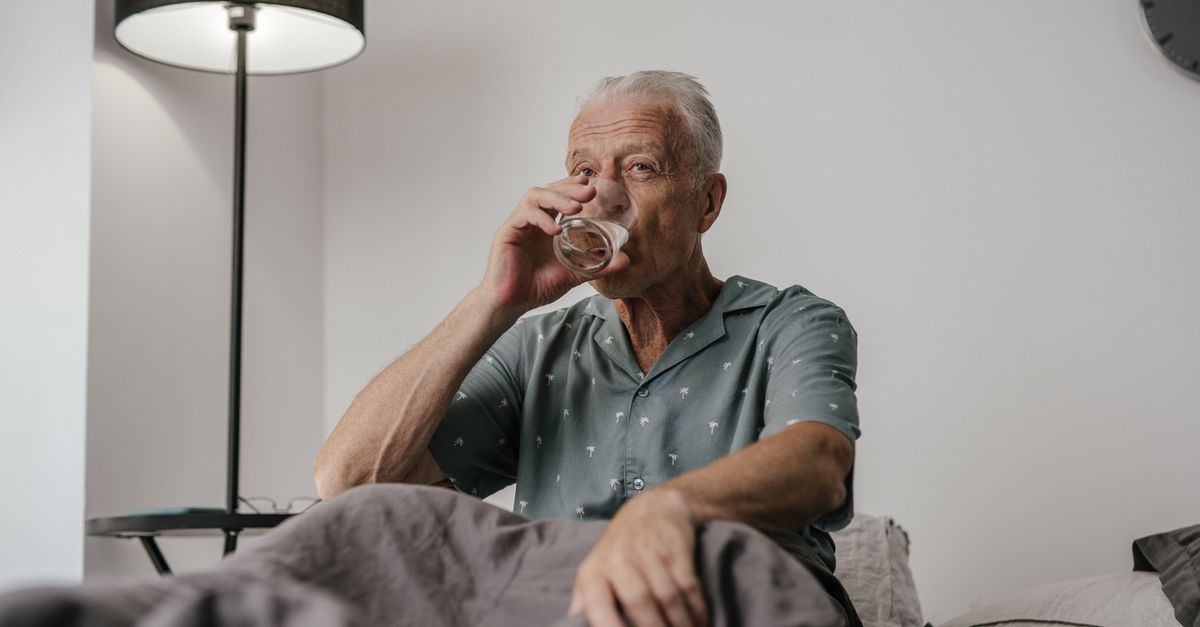
Drinking a small glass of room temperature water immediately after sitting up can assist in resolving the acute pain. The water acts as a mechanical flush, washing the residual acid out of the esophagus and back into the stomach.
The water also dilutes the concentration of the acid remaining in the gastric cavity, making it slightly less irritating if another reflux event occurs. However, the volume of water consumed must be carefully managed.
Drinking a large volume of water rapidly can cause the stomach to distend. Gastric distension triggers transient lower esophageal sphincter relaxations, which are brief moments where the valve opens to release trapped gas. These relaxations can inadvertently allow more acid to escape.
Therefore, the patient should slowly sip four to six ounces of water. This is sufficient to cleanse the esophageal lining without overfilling the stomach and exacerbating the underlying mechanical pressure.
8. Avoidance of Milk and Dairy Myths
A pervasive home remedy for heartburn is drinking a glass of cold milk. While milk may provide a temporary, soothing sensation as it coats the throat and esophagus, it is ultimately counterproductive for managing acid reflux.
Milk contains significant amounts of fat and protein. When these nutrients enter the stomach, they stimulate the parietal cells to secrete even more hydrochloric acid for digestion. The initial soothing effect is quickly replaced by a surge in gastric acid production.
Furthermore, the fat content in whole milk delays gastric emptying. The longer food and liquid remain in the stomach, the higher the likelihood of a reflux event occurring.
Patients experiencing acute nocturnal heartburn should avoid milk, dairy products, and any beverages containing caffeine or carbonation, as these will all exacerbate the physiological mechanisms driving the reflux.
9. Left Lateral Decubitus Sleep Position
If the patient wishes to return to sleep after the acute pain has subsided, the physical sleeping posture must be adjusted. The anatomical position of the stomach makes lying on the left side, known as the left lateral decubitus position, the most protective posture against reflux.
The stomach is an asymmetrical organ that curves toward the left side of the abdomen. When a person sleeps on their left side, the gastric reservoir sits below the junction of the esophagus. In this orientation, gravity keeps the gastric juices safely pooled in the body of the stomach.
Conversely, sleeping on the right side places the stomach above the esophageal junction. This orientation allows the acidic fluid to easily flow downward through the sphincter and into the esophagus, promoting continuous reflux throughout the night.
Sleeping flat on the back is also disadvantageous, as it neutralizes gravity entirely. Patients prone to nocturnal heartburn should consciously make an effort to adopt the left-sided sleeping position.
10. Structural Bed Modifications
For individuals who experience frequent nocturnal heartburn, elevating the head of the bed provides a permanent mechanical defense. Propping the head up with standard pillows is generally ineffective and can actually worsen the condition.
Using multiple pillows forces the neck and upper spine to bend forward. This bent posture compresses the abdomen, increasing the internal pressure against the stomach and physically forcing acid upward. The goal is to elevate the entire upper torso in a straight line.
This can be achieved by placing sturdy wooden or plastic blocks under the two headboard legs of the bed frame, raising the head of the bed by six to eight inches. This creates a gentle, continuous downward slope that recruits gravity to keep acid in the stomach.
Alternatively, a specialized foam wedge pillow that elevates the body from the waist up can be used. These structural modifications provide continuous, passive protection against acid reflux during the vulnerable sleep hours.
11. H2 Blockers and Proton Pump Inhibitors
While antacids are appropriate for acute, sudden relief, they do not prevent acid production. If the patient anticipates nocturnal heartburn based on a heavy evening meal, taking a histamine-2 receptor antagonist, such as famotidine, can prevent the episode.
H2 blockers work by binding to the histamine receptors on the acid-producing parietal cells in the stomach lining. By blocking these receptors, the medication reduces the overall volume and concentration of acid secreted. They typically take thirty to sixty minutes to become effective and provide relief for up to twelve hours.
For chronic, frequent nocturnal heartburn, a physician may recommend a proton pump inhibitor, such as omeprazole. These medications permanently disable the enzyme system that pumps acid into the stomach, providing robust, long-lasting acid suppression.
Proton pump inhibitors must be taken consistently every day to achieve their full effect and are not suitable for on-demand, sudden relief in the middle of the night. They are a preventative measure intended to allow the esophageal tissue to heal from chronic acid exposure.
12. Dietary Triggers and Evening Habits
Preventing a sudden onset of heartburn in bed requires meticulous attention to evening dietary habits. The stomach requires two to three hours to empty its contents into the small intestine. Lying down with a full stomach is the primary catalyst for nocturnal reflux.
Patients must establish a strict fasting window of at least three hours before bedtime. This ensures the stomach is relatively empty and gastric acid production has returned to a baseline resting state before the patient assumes a horizontal position.
Specific foods are known to decrease the resting pressure of the lower esophageal sphincter, making it more prone to opening. These include chocolate, peppermint, alcohol, and foods with a high fat content. Consuming these items in the evening significantly increases the risk of a reflux event.
Spicy foods, citrus fruits, and tomato-based products do not necessarily weaken the sphincter, but they are inherently acidic and chemically irritating. If they reflux into the esophagus, the resulting pain is notably severe. Avoiding these established triggers during evening meals is a critical preventative strategy.
13. Structural Summary of Interventions
To provide a clear clinical protocol for managing sudden nocturnal heartburn, the following table summarizes the primary interventions and their specific physiological mechanisms.
| Treatment Modality | Physiological Mechanism |
|---|---|
| Immediate Upright Posture | Utilizes gravity to pull acidic gastric contents out of the esophagus. |
| Chewable Antacids | Provides rapid chemical neutralization of hydrochloric acid. |
| Alginate Therapies | Forms a physical foam raft that floats above the stomach contents. |
| Left Lateral Sleep Position | Positions the gastric reservoir below the esophageal junction anatomically. |
| Bed Elevation (6-8 inches) | Maintains a constant gravitational slope to prevent backward acid flow. |
14. Differentiating Heartburn from Cardiac Events
The symptoms of severe heartburn can closely mimic the presentation of a myocardial infarction, commonly known as a heart attack. Both conditions can cause intense, burning, or pressure-like pain in the central chest that may radiate to the neck, back, or arms.
It is crucial to differentiate between a benign gastrointestinal issue and a life-threatening cardiac event. Heartburn is typically related to food consumption, worsens upon lying down, and improves rapidly after sitting up or taking an antacid. The pain is often described as a sharp, burning sensation just behind the breastbone.
Cardiac pain is often described as a crushing pressure, a profound tightness, or a sensation of a heavy weight on the chest. It is frequently accompanied by shortness of breath, unexplained sweating, dizziness, or a radiating pain down the left arm. Cardiac pain rarely improves with antacids or positional changes.
If the chest pain is new, unusually severe, accompanied by shortness of breath, or if the patient has underlying cardiovascular risk factors, emergency medical evaluation is absolute and necessary to rule out cardiac ischemia.
15. Frequently Asked Questions (FAQ)
1. Should I drink baking soda and water to cure my heartburn?
While baking soda is a strong base that will neutralize acid quickly, it contains a significant amount of sodium, which can elevate blood pressure and cause bloating; commercial chewable antacids are generally a safer, more precise option.
2. Why does my heartburn always seem to happen exactly when I go to sleep?
When you lie down flat, gravity no longer keeps the stomach acid at the bottom of your stomach, allowing it to easily flow backward into your esophagus, especially if you ate a meal shortly before bed.
3. Does sleeping on my right side make acid reflux worse?
Yes, due to the shape of the stomach, sleeping on your right side places the stomach above the esophagus, creating a downward slope that encourages acid to leak out; sleeping on your left side prevents this.
4. Can persistent heartburn cause permanent damage to my throat?
Yes, chronic exposure to stomach acid can erode the esophageal lining, leading to severe inflammation, bleeding ulcers, and a precancerous condition known as Barrett’s esophagus.
5. How do I know if it is just heartburn or a heart attack?
If the pain feels like crushing pressure, is accompanied by shortness of breath, sweating, or pain down your arm, it could be a heart attack; you must seek emergency medical care immediately.
16. Bibliography
Disclaimer: The content is for informational purposes only and does not replace medical advice. Always consult your doctor for personalized treatment.



