1. Introduction
Hypercholesterolemia is a highly prevalent metabolic disorder characterized by an excessive concentration of cholesterol, specifically low-density lipoprotein cholesterol, circulating within the bloodstream. Cholesterol itself is not an inherent toxin; it is an absolutely essential lipid required for the structural integrity of every cellular membrane in the body, the synthesis of vital steroid hormones, and the production of bile acids necessary for digestion. The human body, primarily the liver, synthesizes the vast majority of the cholesterol it needs to survive, rendering dietary intake a secondary, though influential, factor.
The pathological consequences emerge when the delicate balance between cholesterol production, transport, and clearance is disrupted. Because hypercholesterolemia is entirely painless and presents no overt physical symptoms in its early stages, it acts as a silent architect of cardiovascular destruction. Over decades, the excess circulating cholesterol infiltrates the arterial walls, initiating a progressive inflammatory disease known as atherosclerosis. This process narrows and hardens the arteries, culminating in life-threatening ischemic events such as myocardial infarction and stroke. Comprehensive clinical management relies on accurate risk stratification, rigorous lifestyle modifications, and potent pharmacological interventions to lower lipid levels and stabilize the vascular endothelium.
2. Understanding Lipoproteins
Because cholesterol is a lipid (fat), it is highly hydrophobic and cannot dissolve in the water-based blood plasma. To be transported through the circulatory system, cholesterol must be packaged into complex, spherical biochemical vehicles known as lipoproteins. These particles possess an outer shell of water-soluble proteins (apolipoproteins) and phospholipids, enclosing a core of hydrophobic cholesterol and triglycerides.
Lipoproteins are classified based on their density, which correlates directly with their biological function and cardiovascular risk. Very-low-density lipoproteins are synthesized by the liver to deliver energy-rich triglycerides to peripheral tissues. As they lose triglycerides, they transition into low-density lipoproteins. High-density lipoproteins function as the reverse transport mechanism, scavenging excess cholesterol from the tissues and returning it to the liver for excretion.
3. The Pathophysiology of Low-Density Lipoprotein
Low-density lipoprotein, colloquially referred to as “bad cholesterol,” is the primary driver of hypercholesterolemia-induced vascular damage. The main function of low-density lipoprotein is to transport cholesterol from the liver to the peripheral cells that require it. These cells possess specific receptors that bind and internalize the particle.
When the concentration of low-density lipoprotein in the blood exceeds the physiological requirements of the peripheral tissues, the excess particles remain in circulation. Due to their specific size and biochemical properties, these excess particles are highly prone to penetrating the delicate inner lining of the arteries, the endothelium. Once trapped within the arterial wall, the cholesterol particles undergo oxidative modification, a critical step that triggers a massive, localized immune response.
4. Atherosclerosis: The Silent Disease Process
The oxidation of trapped low-density lipoprotein signals danger to the body, prompting the immune system to dispatch macrophages to the arterial wall. These macrophages aggressively engulf the oxidized cholesterol, attempting to clear the debris. However, they become engorged with fat, transforming into immobile, toxic structures known as foam cells.
The accumulation of foam cells creates the earliest visible lesion of atherosclerosis, the fatty streak. Over years, this inflammatory process continues, drawing in smooth muscle cells and connective tissue, forming a hardened, fibrous atherosclerotic plaque. This plaque physically narrows the arterial lumen, restricting blood flow. More dangerously, the plaque can become unstable and rupture, exposing its highly thrombogenic core to the bloodstream, which instantly triggers the formation of a massive blood clot, abruptly completely occluding the artery.
5. Primary Causes: Familial Hypercholesterolemia
While lifestyle plays a massive role in population-wide hypercholesterolemia, profound elevations are frequently driven by primary, genetic disorders. The most significant of these is familial hypercholesterolemia, an autosomal dominant genetic condition.
Familial hypercholesterolemia typically results from a mutation in the gene encoding the low-density lipoprotein receptor on the surface of liver cells. Without adequate, functional receptors, the liver cannot efficiently clear the cholesterol particles from the bloodstream. Consequently, low-density lipoprotein accumulates to extraordinarily high levels from birth. Individuals with the heterozygous form possess one defective gene and face a massively accelerated risk of premature coronary artery disease, often suffering severe heart attacks in their thirties or forties if left untreated.
6. Secondary Causes and Metabolic Syndrome
In the broader population, hypercholesterolemia is most often secondary to a combination of sedentary lifestyle, poor dietary habits, and concurrent metabolic dysfunctions. Diets excessively high in saturated fats and trans fats directly stimulate the liver to synthesize higher amounts of cholesterol and decrease the expression of clearance receptors.
The condition is intimately linked with metabolic syndrome and insulin resistance. High circulating insulin and glucose levels alter liver metabolism, leading to the overproduction of triglyceride-rich particles and a shift toward smaller, denser, more dangerous low-density lipoprotein particles. Furthermore, systemic conditions such as unmanaged hypothyroidism, nephrotic syndrome, and cholestatic liver disease can severely impair lipid clearance, resulting in profound secondary hypercholesterolemia.
7. The Absence of Clinical Symptoms
One of the most dangerous aspects of hypercholesterolemia is its complete lack of clinical symptoms. High cholesterol does not cause fatigue, headache, dizziness, or shortness of breath. The blood flows silently, depositing cholesterol into the arteries over decades without triggering any neurological or somatic alarm bells.
Symptoms only manifest when the condition has successfully caused end-stage end-organ damage. A patient may feel perfectly healthy until the moment an atherosclerotic plaque ruptures in a coronary artery, presenting suddenly as agonizing chest pain (angina or myocardial infarction). Due to this silent progression, routine biochemical screening is the only reliable method for detecting the disorder before catastrophic cardiovascular events occur.
8. Physical Signs in Severe Cases
Although general hypercholesterolemia is asymptomatic, patients with severe, usually genetic, forms of the disease may exhibit specific physical markers resulting from the massive deposition of cholesterol in peripheral tissues.
Xanthomas are firm, yellowish, cholesterol-rich nodules that frequently develop over tendons, particularly the Achilles tendon or the extensor tendons of the hands. Xanthelasmas are soft, yellowish, sharply demarcated plaques that form in the skin around the eyelids. Another classic sign is a corneal arcus, a grayish-white ring of cholesterol deposition encircling the periphery of the cornea in the eye. While a corneal arcus is common and benign in the elderly, its presence in a young patient is a glaring indicator of severe familial hypercholesterolemia.
9. Diagnostic Evaluation: The Lipid Panel
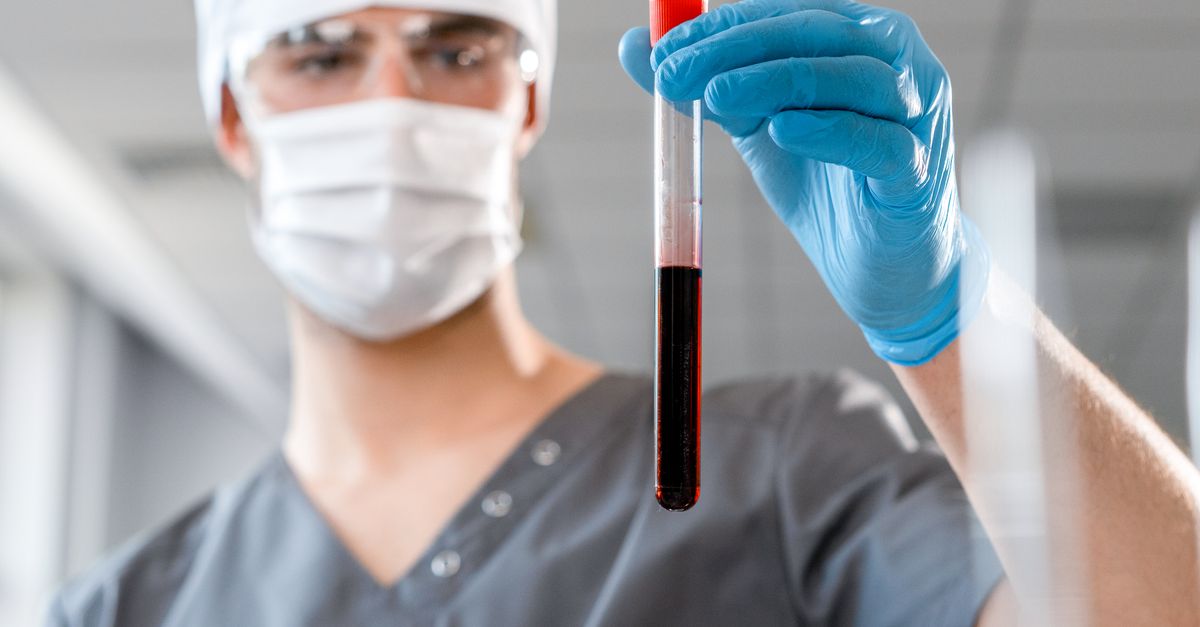
The diagnosis of hypercholesterolemia relies exclusively on a comprehensive fasting lipid panel. Blood is drawn after a nine to twelve-hour fast to ensure that transient, dietary lipids do not skew the results.
The laboratory analysis measures Total Cholesterol, High-Density Lipoprotein, and Triglycerides directly. The critical value—Low-Density Lipoprotein—is typically calculated using the Friedewald equation, though direct measurement is utilized if triglyceride levels are excessively high. The lipid panel provides a biochemical snapshot of the patient’s lipid metabolism, allowing the clinician to identify which specific lipoprotein fractions are abnormal and contributing to the cardiovascular risk profile.
10. Advanced Lipid Testing and Biomarkers
Standard lipid panels assess the total mass of the cholesterol, but modern lipidology recognizes that particle number and size are powerful independent risk predictors. When a patient’s risk profile is ambiguous, clinicians may order advanced cardiometabolic testing.
Apolipoprotein B (ApoB) measurement quantifies the exact number of atherogenic particles in the blood, providing a highly accurate assessment of cardiovascular risk, particularly in patients with insulin resistance. Additionally, measuring Lipoprotein(a), a highly atherogenic, genetically determined cholesterol particle that is not influenced by standard diet or exercise, helps identify individuals who face a severe, hidden risk of premature atherosclerosis despite seemingly normal standard cholesterol panels.
11. Cardiovascular Risk Stratification
The clinical management of hypercholesterolemia is no longer dictated by rigid, isolated cholesterol numbers. Instead, clinicians utilize comprehensive risk calculators, such as the Atherosclerotic Cardiovascular Disease risk estimator, to guide therapeutic decisions.
| Risk Factor Category | Variables Assessed |
|---|---|
| Biometric Data | Age, sex, and ethnicity heavily influence baseline risk calculations. |
| Clinical History | Presence of diabetes mellitus, hypertension, or a history of smoking. |
| Lipid Values | Total cholesterol and High-Density Lipoprotein levels. |
| Previous Events | A prior heart attack or stroke automatically places the patient in the highest risk category. |
12. Lifestyle and Dietary Interventions
For patients categorized as low or borderline risk, rigorous lifestyle modification is the mandatory first-line therapy. The dietary focus is shifted aggressively away from saturated fats—found in red meats, full-fat dairy, and tropical oils—and completely eliminates synthetic trans fats, which powerfully drive up bad cholesterol while lowering good cholesterol.
The Mediterranean diet, rich in monounsaturated fats from olive oil, omega-3 fatty acids from fish, and high amounts of soluble fiber from legumes and oats, is the clinically preferred nutritional model. Soluble fiber binds to bile acids in the intestine, forcing the liver to pull more cholesterol out of the blood to synthesize new bile. Concurrently, engaging in regular, vigorous aerobic exercise improves overall metabolic efficiency and helps elevate protective High-Density Lipoprotein levels.
13. Pharmacological Therapy: Statins
When lifestyle modifications are insufficient, or if the patient is deemed at high risk for a cardiovascular event, pharmacological intervention is initiated immediately. The absolute cornerstone of lipid-lowering therapy is the statin class of medications, including atorvastatin and rosuvastatin.
Statins function by competitively inhibiting HMG-CoA reductase, the rate-limiting enzyme responsible for cholesterol synthesis within the liver. As cellular cholesterol production drops, the liver compensates by vastly increasing the number of low-density lipoprotein receptors on its surface, rapidly pulling massive amounts of cholesterol out of the bloodstream. Furthermore, statins possess powerful pleiotropic effects, directly reducing inflammation within the arterial wall and stabilizing existing atherosclerotic plaques to prevent rupture.
14. Ezetimibe and Intestinal Blockade
For patients who cannot tolerate statins due to muscular side effects (statin-associated muscle symptoms), or for those who require further lipid reduction despite maximum statin doses, ezetimibe is frequently utilized as the secondary pharmacological agent.
Ezetimibe operates via a completely different physiological mechanism. It localizes to the brush border of the small intestine and specifically blocks the Niemann-Pick C1-Like 1 protein, a crucial transporter required for the absorption of cholesterol. By preventing the absorption of both dietary cholesterol and cholesterol secreted in biliary fluids, ezetimibe effectively reduces the delivery of cholesterol to the liver, prompting further clearance of particles from the blood.
15. Advanced Biological Therapies: PCSK9 Inhibitors
The most potent advancement in the management of severe, refractory hypercholesterolemia, particularly familial hypercholesterolemia, is the development of PCSK9 inhibitors, such as alirocumab and evolocumab. These are monoclonal antibodies administered via subcutaneous injection.
PCSK9 is a protein that normally binds to the low-density lipoprotein receptors on the liver, marking them for degradation and preventing them from being recycled back to the cell surface. By inhibiting this protein, these advanced medications allow the receptors to be recycled repeatedly. This leads to a massive density of clearance receptors on the liver, resulting in dramatic, unprecedented reductions in circulating cholesterol, frequently lowering levels by an additional sixty percent on top of statin therapy.
16. When to Consult a Healthcare Provider
Because hypercholesterolemia is asymptomatic, proactive screening is essential. Current medical guidelines recommend that all adults undergo a baseline lipid profile starting at age twenty, with follow-up testing every four to six years if the results are normal and the patient is low risk.
Immediate medical consultation and more aggressive screening are required for individuals with a strong family history of premature heart attacks (occurring before age fifty-five in male relatives or sixty-five in female relatives). If a patient experiences sudden symptoms of impaired blood flow, such as angina, unexplained shortness of breath, or transient neurological deficits, emergency medical care must be sought immediately.
17. Frequently Asked Questions (FAQ)
1. Does eating eggs and dietary cholesterol raise my blood cholesterol?
For the vast majority of people, the cholesterol consumed in food has a very minor impact on blood cholesterol levels. The liver’s production, driven by the consumption of saturated fats, trans fats, and excess sugars, is the primary determinant of your blood lipid levels.
2. Are statins safe to take for the rest of my life?
Yes, statins are among the most studied medications in medical history and are overwhelmingly safe and effective for long-term use. While some patients experience muscle aches, the cardiovascular benefits of preventing heart attacks far outweigh the risks for indicated patients.
3. If my cholesterol is high, will I definitely get a heart attack?
No. Hypercholesterolemia is a major risk factor, but it operates in conjunction with other factors like blood pressure, smoking, and genetics. Lowering your cholesterol significantly reduces the probability, but it is one piece of the cardiovascular puzzle.
4. Can I cure familial hypercholesterolemia with a strict diet?
No. Familial hypercholesterolemia is a severe genetic defect in the liver’s ability to clear cholesterol. While a healthy diet is mandatory for overall health, it is physically impossible to normalize these extreme cholesterol levels without potent prescription medications.
5. What is the difference between LDL and HDL?
LDL (low-density lipoprotein) transports cholesterol into your arteries, driving plaque formation. HDL (high-density lipoprotein) acts as a scavenger, pulling excess cholesterol out of the arterial walls and bringing it back to the liver for disposal.
18. Bibliography
Disclaimer: The content is for informational purposes only and does not replace medical advice. Always consult your doctor for personalized treatment.