1. Introduction
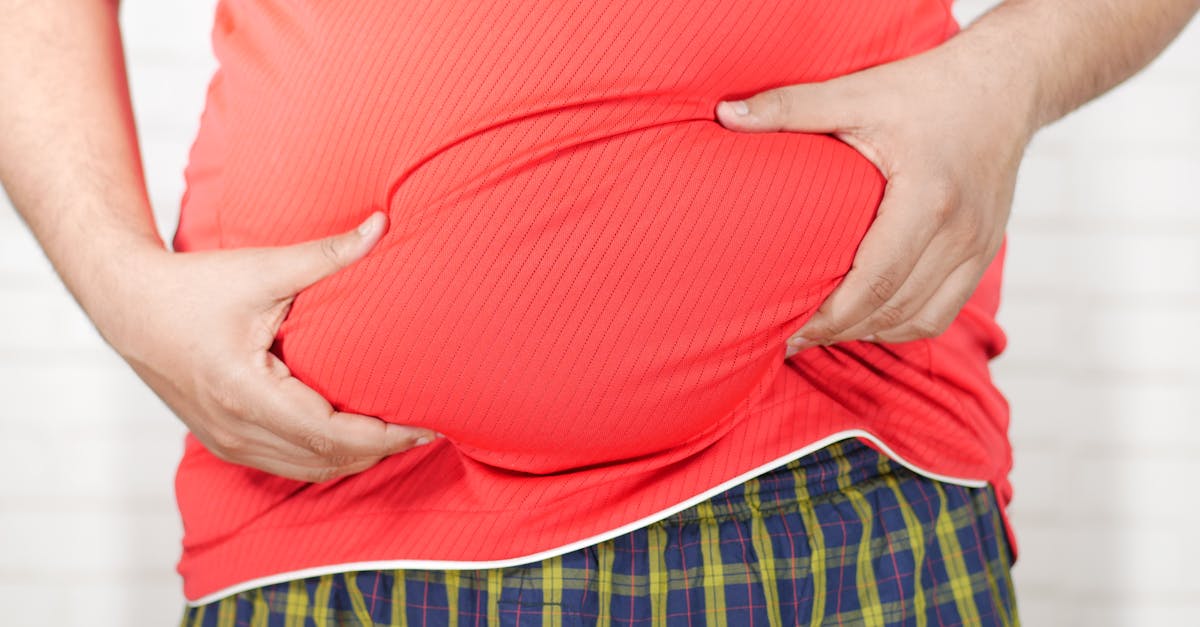
An upper stomach that feels rock hard to the touch during severe bloating is caused by acute gastric distension combined with a neurological reflex known as abdominal muscle guarding. When the stomach overfills with trapped gas or delayed digestive contents, the internal pressure stretches the gastric walls to their limit, prompting the overlying abdominal muscles to involuntarily contract and form a rigid, board-like protective shield. Addressing the underlying digestive sluggishness and releasing trapped gas usually restores the abdomen to a soft, pliable state.
Experiencing a localized, hardened mass in the upper abdomen can be highly disconcerting. However, this physical rigidity is rarely a solid structural mass; rather, it is a dynamic physiological response of soft tissues reacting to internal pressure. Understanding the interplay between gastric biomechanics, trapped intestinal gases, and the somatic nervous system explains why a simple bout of indigestion can temporarily transform the soft belly into an unyielding surface.
2. Anatomy Of The Epigastric Region
The upper central portion of the abdomen, located just below the sternum and between the costal margins of the rib cage, is clinically known as the epigastric region. This relatively small anatomical space is densely packed with critical digestive organs. It houses the majority of the stomach, the duodenum of the small intestine, and a portion of the pancreas and liver.
Because these organs are situated tightly beneath the diaphragm and restricted by the rib cage above, any expansion must push outward against the anterior abdominal wall. The stomach, being a highly distensible muscular sac, is the primary organ responsible for sudden changes in volume and tension in this specific upper quadrant.
3. Gastric Distension Mechanics
The stomach is designed to expand to accommodate a meal, unfolding its internal ridges, known as rugae, to increase volume without significantly increasing internal pressure. This is a normal physiological process called gastric accommodation. However, when the stomach is forced to expand beyond its comfortable physiological limit by excess gas, food, or fluid, acute gastric distension occurs.
As the stomach wall stretches to its maximum capacity, the tissue becomes taut, similar to an over-inflated balloon. This extreme internal tension is physically palpable through the skin. If an individual presses on their upper abdomen, they are directly palpating the highly pressurized, rigidly distended wall of the stomach itself.
4. Aerophagia And Trapped Gas
The most frequent culprit for rapid, rock-hard upper bloating is aerophagia, or the swallowing of excessive air. Eating too quickly, drinking carbonated beverages, chewing gum, or talking while eating introduces substantial volumes of atmospheric nitrogen and oxygen directly into the stomach.
Unlike digestive gases produced lower in the intestines, swallowed air accumulates instantly in the upper stomach. If the lower esophageal sphincter prevents the gas from escaping upward via a belch, the gas becomes trapped. Because gases expand to fill their container, the trapped air applies immense, uniform outward pressure against the gastric walls, creating a tight, hard distension right below the rib cage.
5. The Abdominal Wall Guarding Reflex
The rock-hard sensation is not solely due to the pressurized stomach; it is heavily amplified by the overlying musculature. The rectus abdominis muscle runs vertically down the center of the abdomen. When the internal organs become severely distended or inflamed, the somatic nervous system detects the distress via visceral stretch receptors.
To protect the vulnerable, over-stretched organs from potential external trauma, the central nervous system triggers a spinal reflex called abdominal guarding. The rectus abdominis muscle involuntarily contracts, locking into a state of rigid tension. This muscular shield turns the upper abdomen into a board-like surface that feels hard and impenetrable to the touch.
6. Delayed Gastric Emptying (Gastroparesis)
If the rock-hard bloating persists for hours after a meal, it may indicate delayed gastric emptying, a condition clinically termed gastroparesis. Under normal conditions, the stomach churns food and gradually releases it into the small intestine. In gastroparesis, the vagus nerve fails to stimulate proper gastric motility.
Because the stomach muscle is paralyzed or sluggish, the food remains trapped in the epigastric region far longer than normal. The stagnant food begins to ferment, producing additional gas. The combination of a heavy, undigested food bolus and accumulating fermentation gas creates a prolonged, painful, and rigidly hard distension in the upper abdomen.
7. Small Intestinal Bacterial Overgrowth
While the stomach accumulates swallowed air, the duodenum—the very first section of the small intestine located just below the stomach—can accumulate fermentation gases. If an individual suffers from Small Intestinal Bacterial Overgrowth (SIBO), bacteria that normally reside in the colon have migrated upward into the small intestine.
When carbohydrates from a meal reach these misplaced bacteria, they rapidly ferment the sugars, producing massive volumes of hydrogen or methane gas. This rapid gas production forcefully distends the duodenum. Because the duodenum is anchored in the upper abdomen, this acute intestinal swelling contributes directly to the tight, rigid protrusion of the epigastrium.
8. Visceral Hypersensitivity And Functional Dyspepsia
In certain functional gastrointestinal disorders, such as functional dyspepsia, the actual physical volume of gas in the stomach may be completely normal, but the nervous system perceives it incorrectly. This is known as visceral hypersensitivity. The sensory nerves in the stomach wall are hyper-excitable and send exaggerated stretch signals to the brain.
The brain interprets a normal amount of post-meal fullness as extreme, painful distension. In response to these false alarm signals, the brain still triggers the abdominal guarding reflex. The patient feels profound discomfort, and the upper abdominal muscles lock down hard, even though imaging would show no actual severe internal distension.
9. Differentiating Causes Of Upper Bloating
Determining the source of the hard bloating requires analyzing the timing and accompanying symptoms. The table below outlines key clinical variations.
| Timing and Symptom Profile | Mechanism of Distension | Most Likely Clinical Cause |
|---|---|---|
| Rapid onset during or right after eating, frequent burping | Excess trapped atmospheric gas | Aerophagia (Swallowed air) |
| Prolonged fullness hours after eating, nausea, early satiety | Food trapped in the stomach | Gastroparesis (Delayed emptying) |
| Onset 30-90 minutes post-meal, high flatulence | Bacterial fermentation in the duodenum | Small Intestinal Bacterial Overgrowth (SIBO) |
| Normal meal size triggers extreme pain and a rigid belly | Exaggerated nerve signaling and muscle guarding | Visceral Hypersensitivity / Functional Dyspepsia |
10. The Role Of Indigestible Carbohydrates
Dietary choices heavily influence the severity of epigastric distension. Certain carbohydrates, known as FODMAPs (Fermentable Oligosaccharides, Disaccharides, Monosaccharides, and Polyols), are notoriously difficult for the human digestive tract to break down. Common examples include apples, garlic, onions, and artificial sweeteners.
When these complex sugars reach the gastrointestinal tract, they act as an immediate feast for resident bacteria. The resulting fermentation produces rapid, high-volume gas. For individuals with sensitive digestion, consuming a high-FODMAP meal virtually guarantees an episode of tight, pressurized, rock-hard upper bloating.
11. Diaphragmatic Displacement And Breathing
Severe epigastric bloating exerts significant physical upward pressure on the diaphragm. The rigid, inflated stomach prevents the diaphragm from descending normally during inhalation. This mechanical restriction forces the individual to rely on shallow chest breathing rather than deep abdominal breaths.
The inability to breathe deeply often causes a secondary sensation of shortness of breath or anxiety. The patient may instinctively tense their abdominal muscles even further in an attempt to stabilize the uncomfortable feeling in their chest, inadvertently making the rock-hard sensation of the stomach significantly worse.
12. Dietary Modifications For Immediate Relief
Preventing hard upper bloating requires mechanical and chemical dietary adjustments. Eating smaller, more frequent meals prevents the stomach from ever reaching its maximum stretch capacity. Chewing food thoroughly and eating slowly minimizes the amount of atmospheric air swallowed with each bite, directly reducing aerophagia.
Avoiding carbonated beverages is crucial, as the dissolved carbon dioxide rapidly returns to a gaseous state inside the warm environment of the stomach, forcing immediate distension. Temporarily adopting a low-FODMAP diet can also identify specific trigger foods that cause rapid bacterial gas production.
13. Pharmacological And Supplemental Interventions
When the upper stomach is locked in rigid distension, over-the-counter pharmacological interventions can provide relief. Simethicone is a highly effective anti-foaming agent. It works by decreasing the surface tension of gas bubbles in the stomach, causing small, trapped bubbles to merge into larger ones that are much easier to expel via belching.
For individuals with diagnosed gastroparesis, physicians may prescribe prokinetic agents. These medications chemically stimulate the vagus nerve or the dopamine receptors in the gut, forcing the stomach muscles to contract and mechanically push the stagnant, fermenting food out of the epigastric region and into the lower intestines.
14. Physical Movement And Gas Clearance
Sitting slouched on a sofa after a heavy meal severely impedes the stomach’s ability to empty. A slouched posture physically compresses the epigastric region, preventing the trapped gas from rising to the esophagus and restricting the downward flow of digestion.
Engaging in light physical movement, such as a gentle ten-minute walk, utilizes gravity and mild core muscle activation to massage the internal organs. This mechanical stimulation encourages gastric motility, helping to push the trapped gas and food bolus forward, which subsequently deactivates the muscle guarding reflex and softens the abdomen.
15. When To Seek A Medical Evaluation
While temporary hard bloating after a large meal is a common, benign occurrence, specific warning signs dictate the need for medical evaluation. A clinical assessment is necessary if the hard distension is constant, does not resolve overnight, or is accompanied by unintentional weight loss, recurrent vomiting, or difficulty swallowing.
Immediate emergency medical care is mandatory if the rock-hard abdomen is accompanied by severe, excruciating pain that radiates to the back, a high fever, or blood in the vomit or stool. A permanently rigid, board-like abdomen is a classic sign of an acute surgical emergency, such as a perforated ulcer, bowel obstruction, or severe pancreatitis, requiring immediate life-saving intervention.
16. Frequently Asked Questions (FAQ)
1. Can stress make my upper stomach feel hard?
Yes, severe psychological stress triggers the sympathetic nervous system, which shuts down digestion. It also causes you to unconsciously clench your abdominal muscles and swallow air, leading to a tight, hard, and painful upper stomach.
2. Why does rubbing my stomach sometimes help?
Gentle, clockwise abdominal massage can mechanically stimulate the smooth muscle of your digestive tract. This physical encouragement helps move trapped gas pockets forward and encourages the tense, guarding abdominal muscles to relax.
3. Does drinking water help soften the bloating?
Sipping room temperature water can help keep food moving through your digestive tract. However, chugging a large amount of cold water rapidly will just add more volume to an already overstretched stomach, making the hard distension temporarily worse.
4. Is it normal for the hard bloating to only happen above my belly button?
Yes, bloating above the belly button specifically implicates the stomach and duodenum. If the issue is related to swallowed air or delayed stomach emptying, the pressure will be isolated entirely to this upper epigastric region.
5. Will probiotics cure this type of bloating?
Probiotics may help balance the bacteria in your lower colon, but they rarely solve upper stomach bloating caused by swallowed air or sluggish stomach emptying. In fact, if you have SIBO, adding more bacteria via probiotics can sometimes make the upper bloating worse.
17. Bibliography
Disclaimer: The content is for informational purposes only and does not replace medical advice. Always consult your doctor for personalized treatment.