
1. Introduction
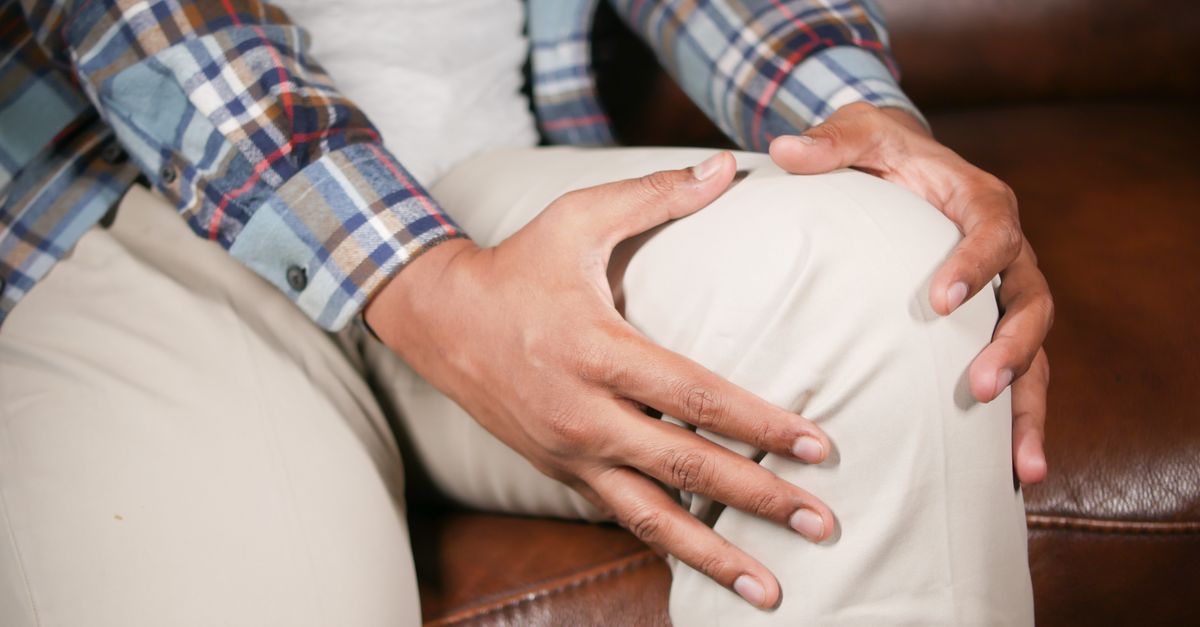
Individuals who have experienced past bone fractures often notice a distinct throbbing or deep aching sensation at the site of the old injury when temperatures drop. This common phenomenon is clinically attributed to drops in barometric pressure that cause tissues to expand, increased nerve sensitivity in healing areas, and the constriction of blood vessels in colder environments. These combined factors alter the mechanical stress placed on the bone and surrounding tissues, resulting in a familiar dull ache.
The relationship between weather changes and old injuries has been documented for centuries, yet modern medicine offers clear physiological explanations for this occurrence. When a bone breaks, the healing process involves the creation of new bone, scar tissue, and often the regeneration of nerve fibers. This newly formed matrix is permanently different from the original untouched tissue.
Understanding the specific physiological mechanisms behind weather-related bone pain can help alleviate anxiety and empower patients to take proactive steps. The discomfort is rarely a sign of a new injury or poor healing. Instead, it represents the localized tissue reacting to environmental shifts in atmospheric pressure and temperature.
2. The Physiology of Old Bone Injuries
When a fracture occurs, the body initiates a complex biological cascade to repair the structural damage. Osteoblasts build new woven bone, which is eventually remodeled into stronger lamellar bone. However, the microarchitecture of the healed area is never completely identical to its pre-injury state.
The surrounding soft tissues, including muscles, ligaments, and the periosteum, also undergo repair. Scar tissue frequently forms within these structures. This fibrotic tissue lacks the full elasticity of normal tissue, making it less adaptable to physical changes.
Because the periosteum is densely populated with sensory nerves, any alteration in tension or pressure in the surrounding environment can trigger sensory feedback. The healed fracture site essentially acts as a sensitive barometer for internal mechanical stress.
3. Barometric Pressure Drop and Tissue Expansion
Barometric pressure refers to the weight of the atmosphere pressing against the earth and everything on it. Before and during cold weather fronts, this atmospheric pressure typically drops. The human body is accustomed to a certain level of external pressure pushing against tissues.
When this external pressure decreases, gases and fluids within the body joints and tissues have room to expand slightly. While this expansion is microscopic, it is sufficient to alter the tension placed on surrounding structures. In areas with perfectly healthy tissue, this expansion goes unnoticed.
However, in areas where scar tissue and healed bone are present, this expansion creates uneven mechanical stress. The rigid scar tissue cannot stretch appropriately, causing a pulling sensation on the sensitive nerve endings embedded in the periosteum and joint capsules.
4. Temperature Changes and Joint Fluid Viscosity
Cold weather has a direct impact on the physical properties of fluids within the body. Synovial fluid is the viscous substance responsible for lubricating joints and reducing friction between bone surfaces. As temperatures fall, this fluid can thicken and become less viscous.
When synovial fluid thickens, the affected joints experience increased stiffness. If an old fracture was located near a joint or involved the articular surface, this increased stiffness forces the surrounding muscles and tendons to work harder during routine movements.
This added workload translates into a deep ache. The thickened fluid fails to provide optimal shock absorption, allowing minor daily impacts to transmit more force directly into the previously injured bone architecture.
5. The Role of Sensitized Nerve Endings
Nerve regeneration is a necessary part of the healing process following a fracture. As nerves regrow into the site of the injury, they can sometimes become hypersensitive. These newly sprouted nerve fibers are often more reactive to stimuli than established nerves.
The cold environment can lower the threshold at which these sensory nerves fire. This means that a stimulus that would normally not cause pain—such as a minor change in tissue pressure—now triggers a pain signal to the brain.
Neuromodulation at the site of an old injury means the brain receives an amplified message of discomfort. This sensitization explains why the ache feels so disproportionate to the actual environmental trigger.
6. Blood Flow Constriction in Cold Environments
The human body possesses an innate survival mechanism designed to preserve core temperature during exposure to cold environments. Blood vessels in the extremities and superficial tissues constrict in a process called vasoconstriction.
This redirection of blood flow ensures vital organs remain warm, but it leaves peripheral tissues with a reduced blood supply. Tissues surrounding an old fracture rely on steady blood flow to deliver oxygen and remove metabolic waste products.
When vasoconstriction occurs, the localized drop in circulation can lead to a buildup of cellular waste and a temporary state of mild ischemia in the soft tissues. This physiological shift contributes significantly to the throbbing sensation often reported by patients.
7. How Scar Tissue Differs From Normal Tissue
Scar tissue is primarily composed of dense collagen fibers. While it provides essential tensile strength to bridge the gap of an injury, it lacks the multidirectional flexibility of native tissue.
During fluctuations in temperature and pressure, normal muscles and ligaments expand and contract uniformly. Scar tissue responds rigidly, creating friction and tension against adjacent healthy structures.
This mechanical mismatch is a primary driver of the deep aching sensation. The restriction in movement micro-mechanics forces the surrounding healthy tissues to compensate, leading to localized fatigue and discomfort.
8. The Impact of Physical Inactivity During Winter
Cold weather naturally discourages physical activity. People tend to remain indoors and sit for extended periods during the winter months. This sedentary behavior reduces overall joint lubrication and muscle flexibility.
Movement is essential for maintaining optimal blood flow and joint health. When a previously fractured area remains immobilized for hours, the surrounding muscles tighten, placing continuous, low-grade stress on the bone.
This lack of movement exacerbates the stiffness caused by thickened synovial fluid and vasoconstriction. Consequently, the first movements after a period of inactivity can feel particularly painful and stiff.
9. Identifying Normal Ache Versus Concerning Symptoms
It is crucial to distinguish between a harmless weather-related ache and symptoms that warrant medical evaluation. A typical cold-weather ache is characterized by a dull, throbbing sensation that resolves with warmth and gentle movement.
If the pain becomes sharp, localized, and unremitting, or if it is accompanied by visible swelling, redness, or a significant loss of range of motion, these are clinical red flags. Such symptoms may indicate a new localized issue or an infection.
Patients should monitor their symptoms objectively. A familiar ache that coincides with a winter storm is generally benign. A sudden inability to bear weight on a previously healed leg requires professional assessment.
10. Underlying Osteoarthritis at the Fracture Site
Bones that have sustained fractures, particularly those extending into the joint space, are at a higher risk for developing post-traumatic osteoarthritis. This condition involves the gradual degradation of protective cartilage.
Cold weather often amplifies the symptoms of underlying arthritis. The combination of pressure changes and decreased joint lubrication makes the arthritic changes more noticeable. The throbbing pain may be less about the bone itself and more about the affected joint surface.
For many patients, what is perceived as the old bone aching is clinically identified as early-stage osteoarthritis. Recognizing this distinction is important for implementing long-term joint preservation strategies.
11. Diagnosing Weather-Related Bone Pain
Physicians evaluate weather-related bone pain primarily through a thorough clinical history and physical examination. The pattern of symptoms—specifically their onset during cold fronts and resolution with warmth—is highly diagnostic.
Radiographic imaging, such as X-rays, may be utilized to ensure the fracture remains fully consolidated and to check for the presence of post-traumatic osteoarthritis. These images help confirm that no new structural damage has occurred.
In some cases, an MRI might be ordered if there is suspicion of soft tissue pathology or significant nerve entrapment. However, for classic weather-related aches, advanced imaging is rarely required.
12. Clinical Interventions for Winter Bone Ache
Management of this specific pain focuses on symptom relief and optimizing local tissue environment. Nonsteroidal anti-inflammatory drugs are frequently utilized to reduce local inflammation and modulate the pain pathways.
Topical analgesics containing ingredients like capsaicin or menthol can distract the local nerve endings and provide temporary relief. These creams alter the sensory input reaching the brain, dampening the perception of the deep ache.
For patients with significant underlying post-traumatic arthritis, corticosteroid injections may be considered to calm severe inflammatory flare-ups, though these are typically reserved for distinct joint involvement rather than general bone ache.
13. Physical Therapy and Movement Strategies
Targeted physical therapy is highly effective in managing chronic aches associated with old fractures. A therapist can design a specific regimen to improve the elasticity of scar tissue and strengthen surrounding supportive muscles.
Dynamic stretching before venturing into the cold helps prepare the tissues by increasing local blood flow and enhancing synovial fluid circulation. This proactive movement mitigates the stiffening effects of the dropping temperatures.
Regular, low-impact exercises, such as swimming or cycling, maintain cardiovascular health and ensure continuous, gentle mobilization of the affected area, reducing the severity of weather-related symptom spikes.
14. Lifestyle Modifications for Symptom Relief
Patients can employ several daily strategies to manage winter bone pain effectively. Layering clothing, specifically utilizing thermal garments over the affected area, helps maintain local body heat and prevents reactive vasoconstriction.
The application of localized heat therapy via heating pads or warm water baths increases peripheral blood circulation. This influx of blood delivers oxygen and nutrients while clearing metabolic waste, rapidly soothing the throbbing sensation.
Maintaining proper hydration is also vital, as dehydration can negatively affect the viscosity of synovial fluid and the general pliability of soft tissues, worsening the sensation of stiffness.
15. When to Consult an Orthopedic Specialist
While winter aches are common and generally benign, specific scenarios necessitate a consultation with an orthopedic specialist. If the pain progressively worsens despite conservative measures, a thorough evaluation is required.
Patients who experience neurological symptoms such as tingling, numbness, or radiating pain extending beyond the old fracture site should seek prompt medical attention. These signs could indicate nerve compression.
Ultimately, any pain that significantly interferes with daily activities, sleep patterns, or overall quality of life should not be ignored. A specialist can offer advanced therapeutic options to restore comfort and function.
| Factor | Physiological Effect on Healed Bone |
|---|---|
| Barometric Pressure Drop | Allows microscopic tissue expansion, pulling on sensitive scar tissue. |
| Temperature Decrease | Thickens joint fluid and increases mechanical stiffness. |
| Vasoconstriction | Reduces local blood flow, accumulating metabolic waste. |
| Sensitized Nerves | Lowers the threshold for pain signals in regenerating tissues. |
16. Frequently Asked Questions (FAQ)
1. Can an old broken bone break again in the same spot because of cold weather?
Cold weather does not weaken the structural integrity of a healed bone. Once fully consolidated, the bone is stable. The pain stems from soft tissue and nerve responses, not a risk of re-fracture.
2. Does taking calcium supplements help reduce cold weather bone aches?
While calcium is essential for overall bone density, supplementing it will not directly relieve pain caused by barometric pressure changes or scar tissue stiffness.
3. Is it normal for a fracture from decades ago to suddenly start aching in winter?
Yes, it is entirely normal. As individuals age, tissue elasticity naturally decreases, and mild post-traumatic osteoarthritis may develop, making an old injury more susceptible to weather-related aches later in life.
4. Can wearing compression garments help alleviate the throbbing?
Compression garments can provide gentle support and help retain body heat. This warmth prevents localized blood vessel constriction, which may reduce the intensity of the throbbing sensation.
5. Should I apply ice or heat to an old fracture that aches in the cold?
Heat therapy is the preferred intervention for this type of ache. Applying warmth dilates blood vessels, increases circulation, and relaxes stiff connective tissues, counteracting the effects of the cold.
17. Bibliography
- Read relevant clinical studies on PubMed
- Search for academic articles on Google Scholar
- Read relevant clinical studies on PubMed
- Search for academic articles on Google Scholar
Disclaimer: The content is for informational purposes only and does not replace medical advice. Always consult your doctor for personalized treatment.



