1. Introduction
Deep thumb aching after twenty minutes of crocheting is the physiological consequence of sustained pinch grip forces loading the delicate carpometacarpal joint and its surrounding tendons. The continuous, repetitive manipulation of the hook generates acute friction within the tendon sheaths and compresses the articular cartilage at the base of the thumb, prompting an inflammatory response that presents as a deep, radiating ache. As the crafter maintains tight tension on the yarn, the intrinsic muscles of the hand exhaust their cellular energy, accelerating localized tissue fatigue.
Crochet is a deceptively demanding fine motor activity. Unlike knitting, which distributes the mechanical workload relatively evenly between two needles and both hands, crochet forces the dominant hand to perform a complex, high-torque rotational movement with a single small hook. The thumb acts as the primary anchor and pivot point for this relentless activity, absorbing the brunt of the kinetic energy required to pull yarn through tight loops.
Understanding the unique biomechanics of the thumb joint offers vital reassurance and a clear path to pain relief. The deep ache is a warning sign of mechanical overload and localized inflammation, not necessarily the sudden onset of a degenerative disease. By analyzing hook ergonomics, modifying yarn tension, and implementing strict rest protocols, crafters can protect the intricate structures of their thumbs and preserve their ability to create without discomfort.
2. Anatomy of the Carpometacarpal Joint
The human thumb owes its incredible dexterity to the carpometacarpal joint, located at the very base of the thumb near the wrist. It is a highly specialized saddle joint where the first metacarpal bone meets a small carpal bone called the trapezium.
This saddle shape allows the thumb to flex, extend, and most importantly, pivot across the palm to touch the other fingers, a movement known as opposition. While this architecture provides supreme mobility, it compromises structural stability. The joint relies heavily on a complex web of small ligaments and a capsule of synovial fluid to remain securely aligned during forceful movements.
When a crafter tightly grips a crochet hook, immense compressive forces travel directly down the bones and concentrate squarely on the carpometacarpal joint. Because the surface area of the trapezium is quite small, the pounds per square inch of pressure exerted on the joint cartilage during a pinch grip are substantial.
3. Pinch Grip Biomechanics and Mechanical Load
Crocheting utilizes a specific biomechanical hold known as a sustained lateral pinch or a dynamic tripod grip, depending on whether the crafter uses a “knife” or “pencil” hold. Both methods require the thumb to press firmly against the index and middle fingers to stabilize the hook.
During the action of pulling the hook through a tight loop of yarn, the thumb must resist the pulling force to maintain control of the tool. This dynamic resistance creates a lever effect. For every pound of pressure exerted at the tip of the thumb, the force is multiplied several times at the base of the carpometacarpal joint.
This multiplication of force causes the articular cartilage covering the bones to compress severely. Over twenty consecutive minutes, this continuous compression squeezes the lubricating synovial fluid out of the joint space, resulting in painful, dry bone-on-cartilage friction.
4. Tendon Friction and De Quervain Tenosynovitis
The movement of the thumb is controlled by long tendons originating in the forearm. Two of the most critical tendons, the abductor pollicis longus and the extensor pollicis brevis, travel through a very narrow, fibrous tunnel on the thumb side of the wrist.
The repetitive twisting and flicking motions required to wrap the yarn and pull it through loops force these tendons to glide rapidly back and forth through this restrictive tunnel. If the crochet session is prolonged, the mechanical friction causes the tendons and their protective sheaths to become inflamed and swollen.
This specific inflammation is clinically diagnosed as De Quervain tenosynovitis. It produces a sharp, burning ache at the base of the thumb that radiates up the forearm. The pain is particularly acute when the crafter attempts to bend the thumb across the palm or twist the wrist.
5. Muscle Fatigue in the Thenar Eminence
The fleshy mound of muscle at the base of the thumb on the palm side is called the thenar eminence. These intrinsic muscles are responsible for fine motor opposition and maintaining the precise pinch grip required to guide the hook.
Holding a thin, rigid object like a standard aluminum crochet hook requires continuous isometric contraction of the thenar muscles. The muscle fibers must remain engaged without resting to prevent the hook from slipping. This static tension rapidly occludes the local capillary beds.
Starved of oxygenated blood, the thenar muscles switch to anaerobic metabolism, producing lactic acid. The accumulation of this metabolic waste drops the tissue pH, chemically irritating the nerves and causing a deep, heavy cramping sensation in the palm that makes the thumb feel weak and clumsy.
6. Osteoarthritis of the Basal Joint
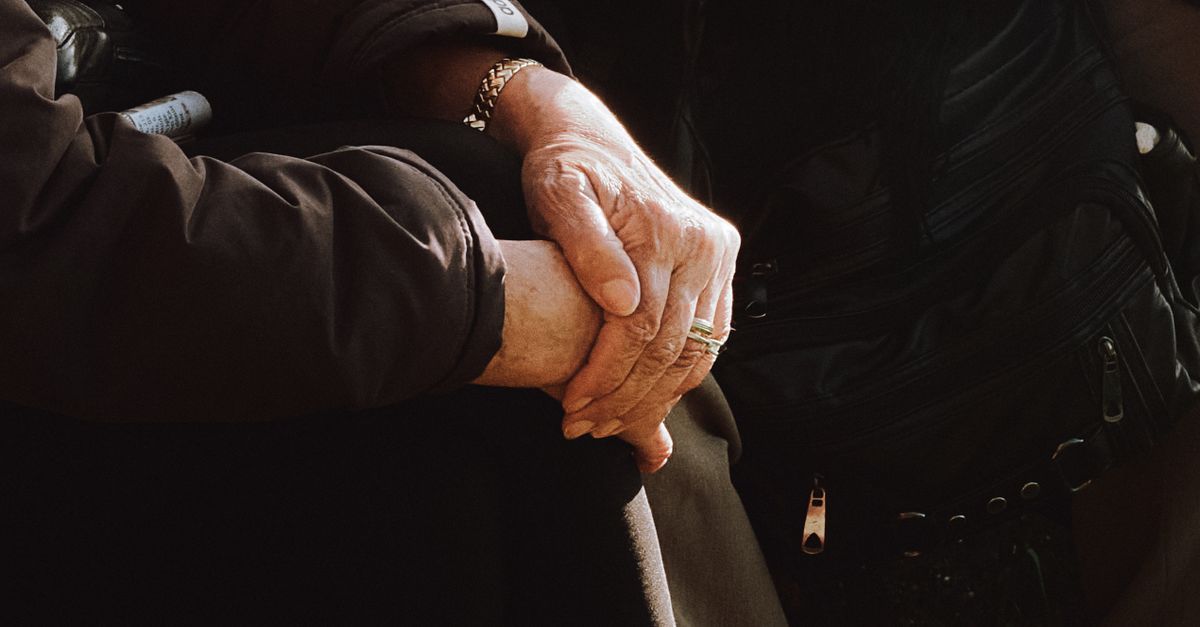
For crafters who have crocheted for many years, the deep, dull ache may indicate the early stages of basal joint osteoarthritis. The relentless, multiplied compressive forces eventually wear down the smooth articular cartilage of the carpometacarpal joint.
As the cartilage thins, the underlying bones begin to rub directly against one another. The body responds to this severe structural stress by attempting to stabilize the joint with extra bone growth, forming painful bone spurs or osteophytes.
Osteoarthritic pain is characteristically described as a deep, toothache-like pain within the joint itself. It often feels stiff and difficult to move in the morning, worsens noticeably after twenty minutes of forceful gripping, and may be accompanied by a visible enlargement or squaring of the joint at the base of the thumb.
7. The Impact of Hook Size and Ergonomics
The physical design of the crochet hook is the primary external factor influencing mechanical stress. Traditional steel or aluminum hooks have very narrow, smooth handles. To prevent a narrow handle from rotating in the fingers, the crafter must pinch it with immense, sustained force.
This tiny diameter forces the thumb and index finger into extreme flexion, creating a severe mechanical disadvantage. Furthermore, a smooth surface requires increased grip force simply to combat the friction of pulling the yarn.
Switching to an ergonomic hook fundamentally alters the biomechanics. Ergonomic hooks feature thick, contoured handles, often coated in silicone or rubber. The larger diameter prevents the hand from closing tightly, keeping the thumb in a relaxed, open position and dramatically reducing the required pinch force.
8. Yarn Tension and Force Transmission
The manner in which a crafter feeds and tensions the yarn significantly impacts the workload of the dominant hand. If the yarn is tensioned too tightly by the non-dominant hand, the dominant hand must exert profound force to drag the hook through the stiff, rigid loops.
Working with inelastic materials, such as cotton or metallic synthetic yarns, exacerbates this issue. These materials possess no natural give or stretch. Every ounce of resistance they present transfers directly through the hook into the bones and tendons of the thumb.
Learning to relax the tensioning hand and opting for highly elastic yarns, such as high-quality wool or acrylic blends, allows the yarn to stretch slightly as the hook passes through, providing natural shock absorption and sparing the carpometacarpal joint from blunt force trauma.
9. Compression of the Median Nerve
While pain is primarily localized to the tendons and joints of the thumb, poor wrist posture during crochet can introduce neurological pain. If the wrist is held in a severely flexed or bent position while manipulating the hook, the pressure within the carpal tunnel rises.
This pressure can compress the median nerve, which supplies sensation to the thumb, index, and middle fingers. Early nerve compression presents as a deep, vague ache in the thumb that often transitions into a tingling or pins-and-needles sensation.
Maintaining a neutral, straight wrist alignment ensures the carpal tunnel remains open, preventing ischemic compression of the median nerve and eliminating a common, hidden source of referred thumb pain.
10. The Role of Micro-trauma and Inflammation
The twenty-minute mark is a significant physiological threshold. It is the approximate time it takes for the repetitive micro-trauma inside the joint and tendon sheaths to trigger a noticeable inflammatory cascade.
Prior to twenty minutes, the body’s natural lubrication and shock absorption systems can handle the stress. Beyond this point, the synovial fluid is depleted, the lactic acid is peaking, and the microscopic tears in the tendon fibers begin to alert the nervous system.
Continuing to crochet past this onset of pain guarantees that the minor acute inflammation will escalate into severe swelling. The joint capsule will become stiff and highly reactive, extending the required recovery time from a few hours to several days.
11. Supportive Interventions and Splinting
When the carpometacarpal joint is actively inflamed and aching, utilizing a thumb spica splint offers profound relief. A spica splint is a specialized brace that isolates the thumb, holding it in a neutral, relaxed position while allowing the other fingers to move freely.
Wearing the splint while sleeping, or during periods of rest, prevents the crafter from unconsciously bending or stressing the thumb. This absolute immobilization allows the swollen tendon sheaths and irritated joint capsules the necessary time to reduce inflammation and repair cellular damage.
While some crafters attempt to crochet while wearing flexible compression gloves to provide warmth and mild support, a rigid splint should never be worn while actively crocheting, as fighting against the rigid brace will only cause further muscular damage.
12. Stretching and Warm-Up Protocols
Treating the hands like athletic instruments is crucial for longevity in crafting. Subjecting cold, stiff tendons immediately to the rapid, repetitive motions of crochet invites injury. A comprehensive warm-up increases local blood flow, warming the synovial fluid and making the tissues elastic.
Crafters should begin with gentle wrist rotations and dynamic finger spreads. Specifically for the thumb, gently stretching the thumb across the palm toward the base of the pinky finger, and then extending it far out to the side, ensures the tendons are gliding smoothly.
Applying a warm compress or soaking the hands in warm water for five minutes prior to starting a project induces significant vasodilation. The increased blood supply prepares the thenar muscles for the impending isometric workload and delays the onset of lactic acid accumulation.
13. The Pacing Strategy and Rest Intervals
Preventing the deep ache requires strict adherence to a pacing strategy. Since the physiological breakdown becomes apparent around the twenty-minute mark, crafters must intervene before the pain begins.
Setting a timer for fifteen or twenty minutes dictates mandatory rest intervals. During these breaks, the crafter must put the hook down, drop the arms to the sides to encourage venous blood drainage, and gently stretch the thumbs.
This brief three-minute pause is sufficient for the capillary beds in the thenar eminence to reopen, flushing out metabolic waste and replenishing oxygen. Pacing transforms a damaging marathon session into a series of safe, sustainable intervals.
14. Indicators for Orthopedic Care
While ergonomic adjustments and pacing resolve most crochet-related thumb pain, certain clinical signs require professional orthopedic evaluation. If the pain is accompanied by a catching or clicking sensation when moving the thumb, a tendon may be severely trapped.
A sudden loss of grip strength, such as dropping a coffee mug or being unable to turn a doorknob, indicates significant nerve involvement or advanced tendon degeneration that will not resolve with rest alone.
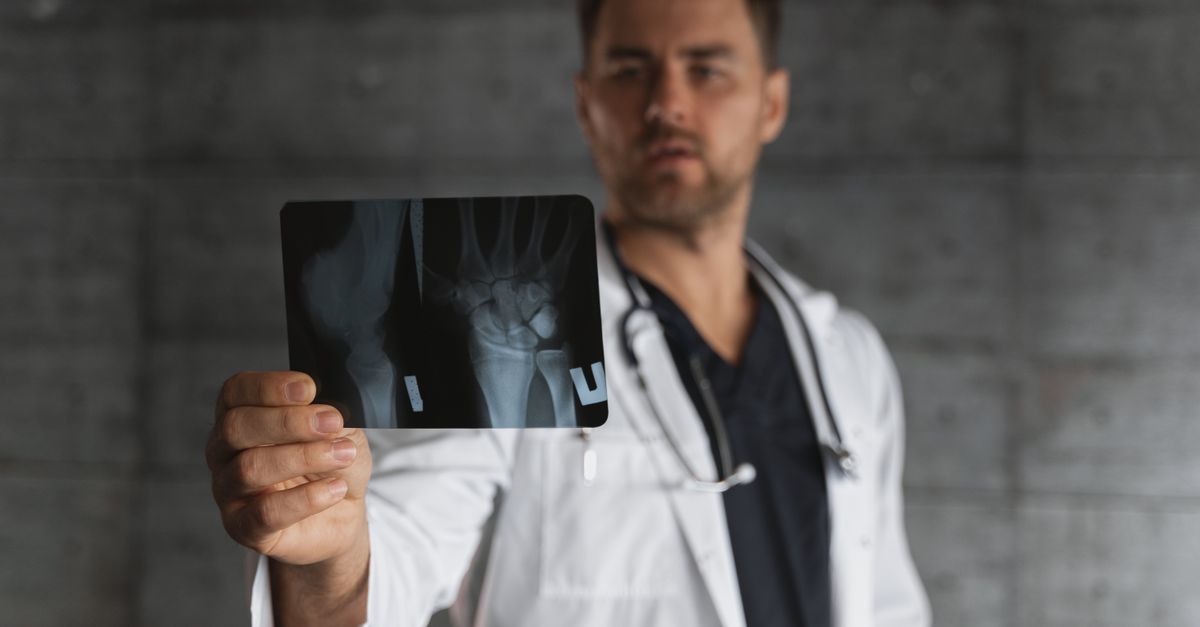
An orthopedic specialist or a certified hand therapist can provide diagnostic imaging to confirm osteoarthritis, administer targeted corticosteroid injections to rapidly extinguish localized inflammation, and design a custom rehabilitation program to strengthen the specific stabilizing muscles of the hand.
| Biomechanical Stressor | Physiological Result in the Thumb |
|---|---|
| Thin, Smooth Hook Handle | Requires extreme pinch force; exhausts thenar muscles rapidly. |
| Inelastic Yarn / High Tension | Transfers kinetic shock directly into the basal joint cartilage. |
| Repetitive Twisting Motion | Causes friction and swelling in tendon sheaths (De Quervain’s). |
| Bent Wrist Posture | Compresses the median nerve, causing deep aching and tingling. |
15. Frequently Asked Questions (FAQ)
1. Will using a larger hook size stop my thumb from hurting?
Not necessarily. While a larger hook makes bigger stitches, the handle itself might still be thin. The key is using an ergonomic hook with a thick, contoured handle that prevents your hand from closing into a tight, forceful pinch.
2. Does cracking my thumb joint provide real relief or cause more damage?
Cracking the joint provides a temporary sensation of relief by stretching the joint capsule and releasing gas, but forcefully manipulating an already inflamed joint can stretch the stabilizing ligaments, leading to greater instability and pain later.
3. Is it normal for the pain to travel up my arm toward my elbow?
Yes, the muscles that control the thumb and the tendons that move it originate in the forearm near the elbow. Severe inflammation in the thumb tendons often radiates pain up the entire kinetic chain of the arm.
4. Can I put ice on my thumb while I am crocheting?
You should never apply ice while actively using the hand. Ice causes blood vessels to constrict and tissues to stiffen, making the hand clumsy and more prone to mechanical injury. Use ice only after you have finished crocheting to reduce post-activity swelling.
5. How do I know if the pain is arthritis or just tendonitis?
Tendonitis typically feels like a sharp or burning pain along the side of the wrist and thumb during specific twisting movements. Arthritis usually presents as a deep, dull, toothache-like ache directly inside the joint at the base of the thumb, often feeling worse in the morning.
16. Bibliography
- Read relevant clinical studies on PubMed
- Search for academic articles on Google Scholar
- Read relevant clinical studies on PubMed
- Search for academic articles on Google Scholar
Disclaimer: The content is for informational purposes only and does not replace medical advice. Always consult your doctor for personalized treatment.