
1. Introduction
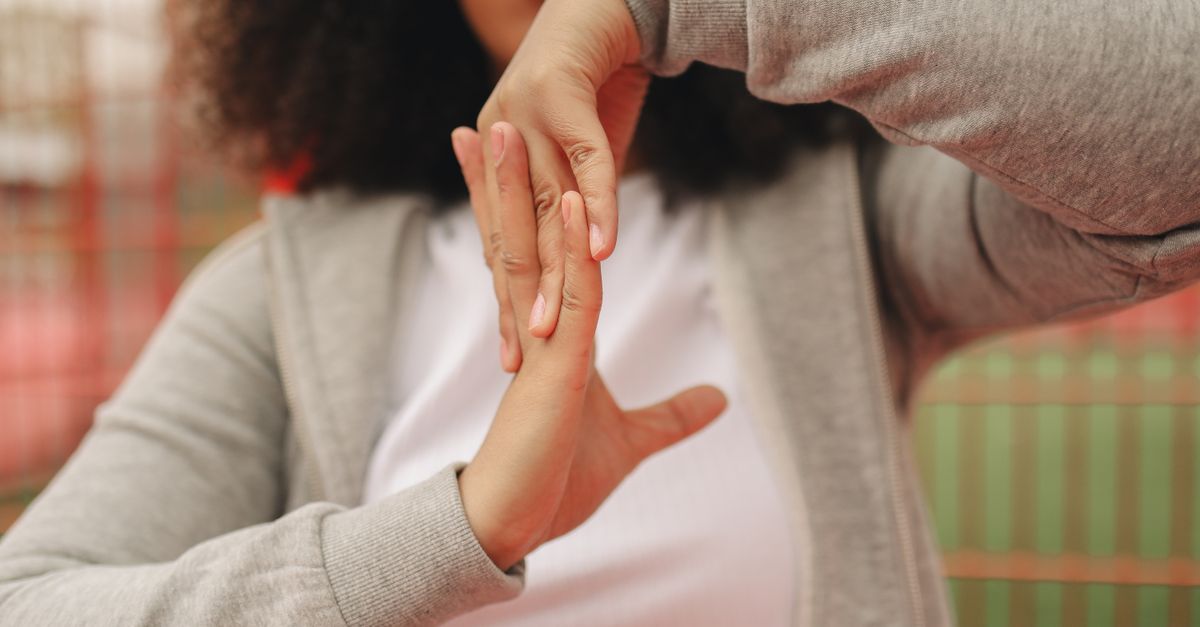
Thumbs click audibly when bent completely backward due to the sudden mechanical snapping of the flexor or extensor tendons slipping over the bony ridges of the metacarpophalangeal joint, or due to rapid fluid cavitation within the joint capsule. When forced into hyperextension, the complex ligamentous structure of the thumb is stretched to its absolute physical limit. This extreme angle alters the smooth anatomical pathways of the tendons, causing them to bowstring under tension and snap sharply against the joint structures, producing a distinct, resonant sound.
The thumb is an evolutionary marvel, possessing a wider range of motion and specialized joint structures than any other digit, allowing for the critical movement of opposition. However, this unique mobility relies on a precarious balance of muscular tension and ligamentous restraint. Investigating the architecture of the thumb illuminates why pushing this joint past its intended boundaries frequently results in harmless, yet alarming, mechanical friction.
2. Anatomy of the Thumb Joints
The thumb comprises three primary joints. The carpometacarpal joint sits at the base of the wrist and provides the vast rotational mobility. The metacarpophalangeal (MCP) joint is the middle knuckle, functioning primarily as a hinge. The interphalangeal joint is the knuckle nearest the thumbnail.
When you stretch your thumb backward, the movement is concentrated almost entirely at the MCP joint. This joint is stabilized by a robust capsule, strong collateral ligaments on the sides, and a thick, fibrous structure on the palm side known as the volar plate.
The volar plate’s primary biological function is to prevent hyperextension. It acts as a physical block, stopping the thumb from bending backward. When an individual applies external force to stretch the thumb backward, they are actively fighting and stretching this dense fibrous plate.
3. Tendon Subluxation and Snapping
The thumb is manipulated by powerful tendons originating from the forearm. The extensor pollicis longus and brevis tendons run along the back of the thumb, pulling it straight. The flexor pollicis longus runs along the palm side, curling the thumb inward.
These tendons are held closely against the bones by fibrous pulleys. However, when the thumb is forced into severe hyperextension, the geometry of the joint changes. The extreme angle can cause the tendons to shift slightly laterally out of their designated grooves.
As the thumb moves back and forth during the stretch, the tension on the displaced tendon reaches a critical point. The tendon suddenly slips or subluxates over a bony prominence on the metacarpal head, snapping back into its groove. This sudden, forceful relocation acts like a plucked guitar string, generating a loud, mechanical click.
4. Synovial Fluid Cavitation
A clicking or popping sound is not always indicative of tissue snapping. The MCP joint is a synovial joint, enclosed in a capsule filled with viscous synovial fluid containing dissolved gases.
When the thumb is stretched backward forcefully, the physical volume of the joint capsule expands rapidly. This sudden expansion drops the internal hydrostatic pressure below the vapor pressure of the dissolved gases.
Microscopic bubbles of nitrogen and carbon dioxide rapidly form and then instantly collapse as the pressure equalizes. This physical phenomenon, known as cavitation, creates a sharp, hollow cracking sound. Cavitation is a normal physiological event and is the exact mechanism responsible for intentionally cracking one’s knuckles.
5. Generalized Joint Hypermobility
The ability to bend the thumb completely backward is often a sign of generalized joint hypermobility. Individuals with hypermobility possess ligaments containing a higher ratio of elastin to collagen, making their connective tissues inherently more compliant and stretchy.
In a hypermobile thumb, the volar plate and collateral ligaments do not provide a rigid endpoint to extension. The thumb can travel significantly past the normal anatomical limit.
This excessive range of motion means the articulating surfaces of the bones slide further apart, and the tendons are subjected to unusual angles of strain. Hypermobile joints are statistically far more prone to articular crepitus, popping, and clicking, simply because the stabilizing structures allow for micro-shifting of the joint components.
6. Trigger Thumb Mechanics
If the click is accompanied by a catching sensation or mild pain at the base of the thumb on the palm side, it may indicate the early stages of a condition known as stenosing tenosynovitis, or trigger thumb.
The flexor pollicis longus tendon glides through a tight fibrous tunnel called the A1 pulley. Repetitive gripping or strain can cause the tendon sheath to become inflamed and develop a small nodule.
When you stretch the thumb backward, this thickened nodule is forced to squeeze through the narrow A1 pulley. As it pops through the constriction, it creates a palpable, distinct click. While classical trigger thumb causes catching during flexion, severe hyperextension can also force the nodule against the pulley, reproducing the click.
7. The Impact of Digital Device Usage
Modern lifestyles place unprecedented mechanical demands on the thumb. The rapid, repetitive swiping and pressing motions required for smartphone usage keep the flexor and extensor tendons of the thumb in a state of continuous low-grade tension.
This chronic overuse causes micro-inflammation within the tendon sheaths. The tissues become slightly swollen and lose their optimal gliding properties.
When a person attempts to stretch their fatigued thumbs backward to relieve this digital strain, the swollen tendons encounter greater friction as they pass over the joint structures. This increased friction leads directly to a higher incidence of tendon snapping and audible clicking compared to well-rested, non-inflamed tissues.
8. Osteoarthritis and Cartilage Wear
While hyperextension popping in young people is usually tendon-related or cavitation, clicking in older adults frequently points to degenerative changes. The base of the thumb is one of the most common sites for osteoarthritis.
Over decades of use, the smooth articular cartilage that caps the ends of the bones wears away. The joint space narrows, and the body may develop small bony outgrowths called osteophytes (bone spurs) to stabilize the failing joint.
When the thumb is bent backward, these irregular, unpadded bony surfaces grind directly against each other. This bone-on-bone friction produces a gritty, continuous clicking or crunching sound known as crepitus, which is often accompanied by a deep, localized ache.
9. Ligament Sprains and Instability
A previous injury to the thumb, such as a severe backward bend during a fall or a sports collision (often called skier’s thumb), can permanently stretch or tear the ulnar collateral ligament.
Even after the acute pain subsides, a compromised ligament leaves the MCP joint structurally unstable. Without strong ligamentous support, the bones exhibit excessive lateral movement during flexion and extension.
This instability causes the joint to track poorly. When stretched backward, the misaligned bones shift abruptly to find a new center of gravity, resulting in a loud clunk or pop. This mechanical instability requires strengthening of the surrounding muscles to prevent premature joint degradation.
10. Differentiating Harmless Popping from Pathology
Determining the clinical significance of a clicking thumb relies entirely on the presence or absence of accompanying symptoms.
Asymptomatic clicking—where the thumb pops loudly but there is zero pain, swelling, or loss of strength—is generally benign. It is classified as physiological noise, resulting from harmless cavitation or normal tendon gliding.
However, symptomatic clicking is a medical warning. If the pop triggers a sharp pain, if the joint swells afterward, or if the thumb feels like it is catching or locking in place, it indicates active tissue damage. This symptomatic presentation suggests active inflammation, a tendon nodule, or significant cartilage degradation that requires joint stiffness evaluation.
11. Biomechanics of the Stretch Reflex
When an individual aggressively forces a joint into hyperextension, they are triggering the body’s protective stretch reflex. The muscle spindles detect the rapid, extreme lengthening of the flexor muscles and immediately signal the spinal cord.
The nervous system responds by initiating a sudden, involuntary contraction of the stretched muscles to prevent joint dislocation.
This creates a high-tension clash: the external force of the stretch pushes the thumb backward, while the neurological reflex pulls it forcefully forward. This intense, contradictory tension forces the tendons to bowstring tightly against the bone, drastically increasing the likelihood of a loud, friction-induced snap.
12. Management and Joint Protection
Managing a clicking thumb primarily involves altering how the joint is used and stretched to minimize mechanical friction.
| Management Strategy | Biomechanical Objective |
|---|---|
| Avoid Hyperextension | Cease forcing the thumb backward past its natural resting limit to prevent overstretching the volar plate and subluxating tendons. |
| Thenar Muscle Strengthening | Performing gentle isometric squeezes builds the muscles at the base of the thumb, increasing dynamic stability and reducing joint shifting. |
| Ergonomic Device Usage | Using two hands for smartphone operation prevents chronic overuse and inflammation of a single flexor tendon sheath. |
| Warm Water Immersion | Stretching the hands in warm water increases synovial fluid viscosity and tissue compliance, allowing tendons to glide silently. |
13. When to Consult a Hand Specialist
If modifying habits does not alleviate symptomatic clicking, consultation with an orthopedic hand specialist is necessary. An examination can accurately pinpoint whether the click originates from a tendon pulley, a lax ligament, or arthritic bone.
If trigger thumb is diagnosed, the specialist may recommend a localized corticosteroid injection to rapidly shrink the inflamed tendon nodule, allowing it to glide silently through the pulley once again.
If severe instability or advanced osteoarthritis is present, causing intense pain with every click, surgical intervention may be discussed. Procedures range from releasing a tight tendon sheath to reconstructing ligaments or surgically stabilizing the base of the joint to eliminate the painful friction.
14. Frequently Asked Questions FAQ
1. Will cracking my thumbs backward cause arthritis?
No. Habitual joint cracking caused by synovial fluid cavitation does not cause arthritis or cartilage damage. However, if the clicking is caused by forcing a tendon to aggressively snap over a bone, doing it repeatedly can cause chronic tendon inflammation.
2. Why does my thumb lock in place after it clicks?
Locking is the hallmark symptom of trigger thumb. The swollen nodule on the flexor tendon pops through the tight fibrous pulley but becomes physically stuck on the other side, preventing the thumb from straightening until you forcefully snap it back.
3. Can wearing a thumb splint stop the clicking?
Yes. A rigid thumb splint immobilizes the MCP joint, preventing the specific angle of hyperextension that causes the tendon to snap or the fluid to cavitate. This is an effective temporary measure to allow inflamed tendons to heal.
4. Is it normal to be able to bend my thumb touching my wrist?
The ability to pull the thumb backward to touch the forearm is a classic clinical indicator of generalized joint hypermobility, often assessed using the Beighton scoring system. While common, it indicates highly compliant ligaments that are more prone to mechanical clicking.
5. Does cracking my thumbs relieve pressure?
Yes, subjectively. Cavitation triggers the release of endorphins and stimulates the mechanoreceptors in the joint capsule, temporarily overriding mild discomfort and providing a brief sensation of increased mobility and pressure relief.
15. Bibliography
Disclaimer: The content is for informational purposes only and does not replace medical advice. Always consult your doctor for personalized treatment.

