
1. Introduction
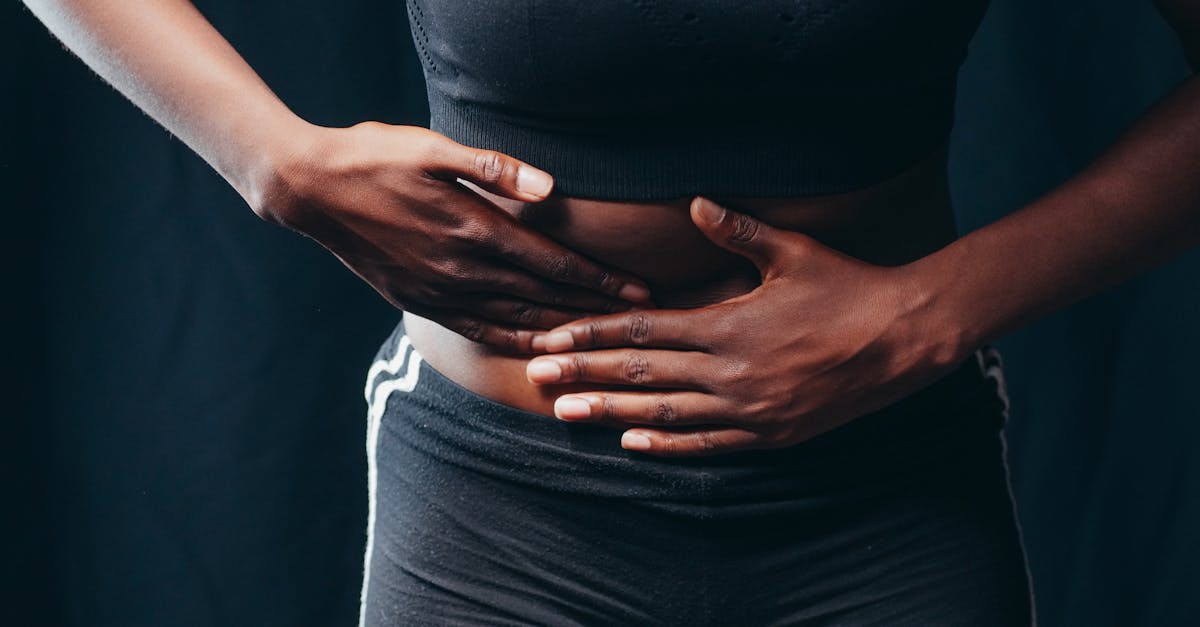
Lower abdominal cramping during a heavy coughing fit occurs because the rectus abdominis and transversus abdominis muscles contract forcefully to expel air rapidly from the lungs. This sudden, repetitive mechanical overload depletes localized cellular energy stores, causing the fatigued muscle fibers to lock into an acute, involuntary spasm. While a cough originates in the respiratory system, the mechanical execution of the cough relies entirely on the aggressive engagement of the abdominal wall.
The human core is designed to manage intra-abdominal pressure and provide spinal stability. During a normal breath, these muscles remain relatively relaxed. However, a violent cough transforms the abdomen into a high-pressure pneumatic pump. The diaphragm rises rapidly while the lower abdominal muscles slam inward, creating an explosive burst of air designed to clear the airway of mucus or irritants.
When an individual suffers from a severe upper respiratory infection or chronic allergies, this explosive contraction happens hundreds of times a day. The abdominal muscles are forced into a grueling cycle of maximal exertion without adequate recovery periods.
Understanding the biomechanics of a cough reflex clarifies why these specific muscles fail and cramp. Managing this painful phenomenon requires suppressing the cough trigger, supporting the abdominal wall mechanically, and restoring optimal hydration to the overworked muscle tissues.
2. The Mechanics of a Cough
A cough is a sophisticated, multiphase biological reflex. It begins with a deep inhalation, followed immediately by the tight closure of the glottis (the vocal cords). This closure temporarily traps the air within the lungs.
Next, the expiratory muscles—primarily the internal intercostals and the entire abdominal wall—contract with maximum force against the closed glottis. This massive contraction drives intrathoracic and intra-abdominal pressures to incredibly high levels.
Finally, the glottis snaps open. The highly pressurized air is expelled outward at hurricane-force velocities, carrying with it any foreign particles, dust, or mucus lining the respiratory tract.
The abdominal muscles provide the entire driving force for this expulsion. The lower abdomen, in particular, must tense fiercely to prevent the internal organs from pushing downward into the pelvic floor, directing all the kinetic energy upward toward the lungs.
3. Anatomy of the Lower Abdominal Wall
The abdominal wall is a multi-layered cylinder of muscle. The most superficial layer is the rectus abdominis, the long, segmented muscle running vertically down the center of the abdomen.
Beneath this lie the external and internal obliques, which compress the sides of the torso. The deepest layer is the transversus abdominis, a horizontal band of muscle that acts as a natural biological corset.
The lower portion of the rectus abdominis, situated between the navel and the pubic bone, frequently bears the brunt of a coughing fit. This section of muscle lacks the structural backing of the rib cage. It must independently brace against the sudden, violent spikes in internal pressure.
When forced to contract explosively and repetitively without rest, these specific lower muscle segments fatigue faster than the upper segments, making them highly susceptible to severe cramping and mechanical strain.
4. Muscular Overload and Fatigue
Muscle tissue requires a constant supply of adenosine triphosphate to contract and relax smoothly. During a bout of uncontrollable coughing, the demand for cellular energy outpaces the blood supply’s ability to deliver oxygen and nutrients.
The abdominal muscles shift to anaerobic metabolism to meet this extreme energy demand. This rapid metabolic shift produces lactic acid and other acidic byproducts that accumulate within the muscle fibers.
The accumulation of acidic waste lowers the local pH, irritating the sensory nerve endings within the muscle belly. This chemical irritation causes the deep, generalized soreness felt between coughing bouts.
Eventually, the muscle fibers become completely exhausted. The cellular mechanisms responsible for releasing the muscle contraction fail. The actin and myosin filaments lock together, resulting in a sudden, sharp, unyielding spasm known as a cramp.
5. Ischemia During Repetitive Contractions
Blood flow is critical for preventing muscle cramps. When a muscle contracts forcefully, it physically squeezes its own internal capillary beds shut.
During a single cough, this localized ischemia (lack of blood flow) lasts only a fraction of a second. However, during an uncontrollable, hacking coughing fit, the abdominal muscles remain continuously tensed for prolonged periods.
This continuous tension prevents fresh arterial blood from entering the muscle and halts the clearance of metabolic waste. The muscle is essentially starved of oxygen while performing maximal work.
When the fit finally subsides and the muscle attempts to relax, the ischemic, acidic environment causes the motor neurons to misfire, triggering the sharp, stabbing cramp precisely in the lower abs.
6. The Physiology of a Muscle Spasm
A muscle cramp is a sustained, involuntary, and painful contraction of a skeletal muscle. It is an electrical and mechanical failure.
Fatigued muscles possess hyper-excitable motor nerve endings. Even a minor stimulus, such as taking a deep breath to initiate another cough, can send an erratic action potential down the exhausted nerve, ordering all the muscle fibers to contract simultaneously.
Because the muscle lacks the energy required to disengage the contracted fibers, the spasm persists. The cramp feels like a hard, tight knot buried deep within the lower stomach.
The sharp pain of a cramp is a powerful biological signal demanding immediate mechanical rest. The only way to break the spasm is to physically stretch the shortened muscle and restore local blood flow. Readers managing widespread muscular tension can find related relief strategies in our guide on stomach muscle ache management.
7. Round Ligament Pain in Women
For women, particularly those who are pregnant, a sharp lower abdominal cramp during coughing is frequently related to the round ligaments rather than the rectus abdominis muscle.
The round ligaments are thick bands of connective tissue that suspend the uterus within the pelvis. During pregnancy, these ligaments stretch significantly to accommodate the growing uterus.
When a sudden cough spikes intra-abdominal pressure, the uterus is jolted forward and downward. This jolt places a violent, immediate stretch on the already taut round ligaments.
The ligaments respond to this sudden stretch with a sharp, lightning-fast spasm that radiates through the lower groin and abdomen. While agonizingly painful, round ligament pain is structurally benign and resolves rapidly once the coughing subsides.
8. Excluding Abdominal Hernias
Frequent, severe coughing places immense stress on the fascial connective tissues of the abdominal wall. It is essential to distinguish a simple muscle cramp from the onset of a hernia.
A hernia occurs when the relentless internal pressure of coughing tears a small hole in the fascia, allowing fat or a loop of intestine to bulge through. This commonly occurs near the navel or in the groin (inguinal hernia).
A muscle cramp feels like a tight, widespread band of pain that softens with massage and stretching. A hernia pain is highly localized, often accompanied by a distinct, small, hard lump under the skin that becomes prominent specifically during the act of coughing.
If a sharp pain is continuously located in one specific, focal spot in the lower groin, a medical evaluation is required to rule out a fascial tear.
9. Evaluating Cough-Induced Pain
Differentiating the characteristics of the lower abdominal pain directs appropriate care and prevents further tissue damage.
| Pain Profile | Primary Mechanism | Identifying Features |
|---|---|---|
| Widespread tight knot, dull ache afterward | Rectus Abdominis Cramp | Relieved by standing tall and gently stretching |
| Sharp, electrical sting in the groin | Round Ligament Spasm (Women) | Brief, severe shock that fades in seconds |
| Deep soreness resembling a hard workout | Delayed Onset Muscle Soreness | Aches continuously, hurts when sitting up or twisting |
| Sharp stab in one focal spot, visible bulge | Inguinal or Ventral Hernia | Lump appears during the cough, ache persists |
10. Dehydration and Electrolyte Factors
Systemic hydration status profoundly influences a muscle’s susceptibility to cramping. When suffering from an illness that causes chronic coughing, individuals frequently become dehydrated due to fever, sweating, and poor fluid intake.
A drop in blood plasma volume thickens the blood, severely impairing capillary perfusion in the hard-working abdominal muscles.
Furthermore, electrolyte imbalances, specifically a lack of potassium, magnesium, and sodium, destabilize the electrical gradients of the muscle cell membranes. Without these essential minerals, the motor endplates become twitchy and highly reactive.
Drinking electrolyte-enhanced fluids during a respiratory illness is a mandatory preventative step to buffer the muscles against the severe mechanical demands of coughing.
11. Pelvic Floor Synergy
The lower abdominal muscles do not operate in isolation; they function in direct synergy with the pelvic floor muscles. When you cough, the pelvic floor must contract forcefully to prevent urinary incontinence against the massive downward pressure.
If the pelvic floor is weak or chronically tight, the lower abdominal muscles must overwork to compensate for this instability. This uneven distribution of force rapidly accelerates lower abdominal fatigue.
Individuals who experience lower abdominal cramping alongside mild urine leakage during a cough often suffer from a fundamental breakdown in this core-pelvic synergy. Physical therapy focusing on coordinating the pelvic floor contraction with the exhalation phase of the cough provides significant long-term relief.
12. Immediate Relief Strategies
When a severe cramp strikes the lower abdomen, immediate mechanical intervention is required to break the neurological lock.
Do not remain curled over in a fetal position, as this keeps the rectus abdominis in its shortened, cramped state. Stand up slowly and try to raise your arms directly overhead. Taking a slow, deep breath into the chest while lifting the arms physically elongates the abdominal wall, pulling the locked muscle fibers apart.
Applying a warm, damp compress to the lower stomach induces rapid vasodilation. The heat forces the capillary beds open, rushing oxygenated blood into the ischemic tissue and signaling the motor neurons to relax the defensive spasm.
Gentle, flat-handed massage directly over the cramped muscle belly helps flush out the accumulated lactic acid and physically disrupts the tight fascial adhesions.
13. Splinting Techniques for Coughing
To prevent the muscles from failing during a coughing fit, you must provide artificial mechanical support. This technique is known in clinical settings as “splinting.”
Whenever you feel a severe cough building, grab a firm pillow or a rolled-up towel and press it firmly against your lower abdomen. Cross your arms over the pillow and hug it tightly to your stomach as you cough.
The pillow acts as an external brace. It absorbs a significant portion of the outward abdominal pressure, preventing the lower abdominal muscles from having to perform an extreme, isolated contraction.
Splinting drastically reduces the mechanical strain on the muscle fibers and provides immense relief to sore, exhausted core muscles during a prolonged illness.
14. Managing the Cough Reflex
The most definitive way to stop the abdominal cramping is to suppress the underlying cough reflex. A dry, hacking, non-productive cough provides no biological benefit and serves only to exhaust the musculoskeletal system.
Utilize over-the-counter antitussive medications containing dextromethorphan to chemically suppress the cough center in the brain.
Keeping the throat heavily lubricated with warm teas and honey soothes the irritated mucosal nerve endings that trigger the cough reflex. Utilizing a humidifier in the bedroom prevents the airway from drying out overnight, halting the vicious cycle of dry air inducing a morning coughing fit.
15. When to Consult a Physician
While muscle cramps from coughing are typically functional and benign, certain symptoms require professional medical evaluation to rule out internal trauma.
If the sharp pain is accompanied by coughing up bright red blood, severe shortness of breath, or a high fever, immediate emergency care is required to evaluate for pneumonia or a pulmonary embolism.
If the lower abdominal pain persists as a sharp, localized stab that worsens when standing or lifting heavy objects, a physician must examine the area for an inguinal hernia.
Furthermore, if the cramping is accompanied by severe digestive pain, a hard, rigid abdomen, or an inability to pass gas, it may indicate a dangerous internal inflammatory condition, such as appendicitis, masked by the symptoms of a respiratory illness.
16. Frequently Asked Questions FAQ
1. Is it possible to actually tear an abdominal muscle from coughing too hard?
Yes, though it is rare. A violent cough can cause a partial tear in the rectus abdominis muscle or tear the surrounding fascial tissue. This feels like a sudden, tearing pop followed by intense bruising and pain that makes sitting up extremely difficult.
2. Why do my ribs also hurt when my lower stomach cramps from coughing?
Your intercostal muscles (between the ribs) are also expiratory muscles. They work aggressively alongside your abdominal muscles to force air out of your lungs. When you cough violently, the entire respiratory muscle chain becomes exhausted and sore simultaneously.
3. Will doing sit-ups help strengthen my stomach so it stops cramping when I’m sick?
Preventative core strengthening is excellent for overall health, but you should never do sit-ups while you are actively sick. Adding an exercise workout to a muscle group that is already exhausted by chronic coughing will only guarantee a severe cramp or muscle tear.
4. Can an asthma inhaler help stop the stomach cramping?
If your cough is driven by asthma or reactive airway disease, a prescribed bronchodilator inhaler will stop the lung spasms that trigger the cough. By stopping the cough at its source, the abdominal muscles are finally permitted to rest and recover.
5. Why does my stomach cramp worse when I cough lying down in bed?
When you lie down, gravity allows mucus to pool in the back of your throat, triggering a more aggressive, gagging cough reflex. Additionally, lying flat alters the leverage of your abdominal muscles, forcing them to contract from a disadvantaged angle, increasing the likelihood of a spasm.
17. Bibliography
Disclaimer: The content is for informational purposes only and does not replace medical advice. Always consult your doctor for personalized treatment.
