1. Introduction
The tiny blisters covering the hands after raking dry autumn leaves are typically friction blisters caused by repetitive mechanical shear forces, often complicated by contact dermatitis from botanical allergens. Continuous sliding of the rigid rake handle against the skin causes the outer layer of the skin to physically detach from the underlying dermal layers. To protect the raw, underlying tissue, the body rapidly fills this structural void with a clear plasma fluid, creating the characteristic raised blister. When this mechanical trauma is combined with the microscopic dust, mold spores, and dried plant saps prevalent in autumn leaves, a secondary allergic reaction can occur.
The human hand is resilient, but the specific biomechanics of raking require a firm, sustained grip coupled with continuous push-and-pull friction. This relentless mechanical stress outpaces the skin’s ability to adapt. Furthermore, the microscopic particulate matter aerosolized from dry leaves can settle onto the compromised skin barrier, triggering an immune response that manifests as clusters of tiny, intensely itchy fluid-filled vesicles. This dual insult of mechanical shear and botanical irritation explains the severe and sudden onset of blistering after yard work.
2. Anatomy of the Epidermal-Dermal Junction
The skin on the palms of the hands consists of two primary layers, which are the superficial epidermis and the deeper dermis. The outermost layer of the epidermis, the stratum corneum, is heavily keratinized and designed to withstand environmental wear and tear.
The epidermis and the dermis are bound together at a highly convoluted interface known as the epidermal-dermal junction. This junction features interlocking projections that provide structural integrity and prevent the layers from sliding against each other under normal conditions.
When an individual holds a rake, the static friction between the handle and the stratum corneum is significant. As the hands move back and forth forcefully, the outer epidermis grips the handle while the underlying bones and dermis slide in the direction of the movement. This opposing motion creates shear force.
3. The Physics of Friction and Shear Force
Shear force is the fundamental cause of a friction blister. It occurs when two parallel forces act in opposite directions across a solid structure. In the context of raking, the rake handle pulls the skin surface in one direction, while the underlying skeletal structure moves the deeper tissues in the other.
If the shear force generated by the raking motion exceeds the mechanical strength of the epidermal-dermal junction, the structural proteins connecting the layers tear apart. The epidermis physically delaminates from the dermis.
This microscopic separation creates a tiny pocket of empty space within the skin. The body perceives this structural failure as a thermal burn or a severe injury, initiating an immediate physiological defense mechanism to protect the exposed, deeper layers of tissue.
4. Blister Pathophysiology and Fluid Accumulation
Once the epidermal separation occurs, the local capillaries in the dermis become highly permeable due to the release of inflammatory mediators like histamine. These leaky blood vessels allow a clear, sterile fluid composed mostly of blood plasma to seep out into the newly formed pocket.
This fluid accumulation serves two critical biological functions. First, it acts as a hydraulic cushion, absorbing further friction and preventing the vulnerable deeper tissues from sustaining permanent damage. Second, the fluid contains immune cells and healing factors that initiate the repair of the torn junction.
The rapid influx of fluid creates hydrostatic pressure, which pushes the detached epidermis outward, forming the visible, raised bubble known as a vesicle or a blister. The pressure within the blister is often responsible for the sharp, stinging pain when the area is touched.
5. Contact Dermatitis from Botanical Allergens
If the blisters are exceptionally tiny, clustered closely together, and intensely itchy rather than just painful, they are likely the result of contact dermatitis. Raking dry autumn leaves disturbs decades of decaying organic matter, releasing massive amounts of allergens into the air.
Dried sap from poison ivy vines hidden in the foliage, mold spores thriving on damp leaves, and pollen from ragweed can all coat the rake handle and the hands. When these allergenic proteins make contact with the skin, the immune system mounts a hypersensitivity reaction.
This allergic response causes severe localized inflammation. The epidermis becomes spongiotic, meaning fluid accumulates directly between the skin cells themselves, forming hundreds of tiny, weeping blisters known as vesicles. This mechanism is frequently outlined in dermatological reviews of contact dermatitis triggers.
6. Moisture and Epidermal Maceration
The microclimate inside a work glove, or simply the natural sweat produced by the palms during strenuous labor, heavily influences blister formation. While some moisture is necessary for skin flexibility, excessive moisture softens the stratum corneum.
This softening process is called maceration. Macerated skin loses its structural tensile strength. The coefficient of friction increases dramatically when the skin is slightly damp, meaning the rake handle grabs the skin much more aggressively than it would if the skin were perfectly dry.
Consequently, sweating palms require significantly less mechanical shear force to induce an epidermal tear. The combination of intense physical exertion, damp skin, and a rigid wooden or fiberglass handle is the perfect recipe for rapid and extensive blister development.
7. Rake Ergonomics and Handle Material
The physical properties of the tool play a dominant role in generating shear force. A standard wooden rake handle is unforgiving and transfers every ounce of kinetic energy directly into the skin.
| Tool Characteristic | Dermatological Consequence |
|---|---|
| Varnished Wood Handles | Creates high initial static friction, abruptly stopping the skin while the hand continues moving. |
| Excessive Handle Diameter | Prevents a closed grip, causing the tool to twist and grind against the palm. |
| Heavy Steel Tines | Requires maximum pulling force, increasing the pressure against the skin. |
| Lack of Cushioned Grips | Fails to absorb the micro-vibrations and shear forces generated by striking the ground. |
Wrapping the rake handle with specialized friction-absorbing grip tape or selecting tools engineered with ergonomic, shock-absorbing materials can drastically reduce the rate of epidermal delamination.
8. Differentiating Friction Blisters from Dyshidrotic Eczema
It is important to accurately identify the specific type of blister to ensure proper management. Friction blisters are generally larger, singular, filled with clear fluid, and located specifically on the pressure points of the hand, such as the base of the fingers and the center of the palm.
Dyshidrotic eczema, which can be triggered by stress, sweat, and environmental allergens in the leaf pile, presents as deep-seated, tapioca-like vesicles on the sides of the fingers and the palms. These are profoundly itchy and often occur in symmetrical clusters.
If the blisters appear on areas of the hand that did not contact the rake handle, such as the back of the hand or the webbing between the fingers, it strongly points to an airborne allergic reaction or eczema rather than mechanical friction.
9. The Role of Protective Calluses
Individuals who rarely perform manual labor are disproportionately affected by raking blisters. The skin adapts to chronic, low-level friction by accelerating the production of keratinocytes, resulting in the formation of a callus.
A callus is a thickened, hardened layer of the stratum corneum. This tough biological armor disperses mechanical shear force over a wider area, preventing the localized tearing of the epidermal-dermal junction.
Because occasional gardeners lack this protective adaptation, the soft, unconditioned skin of their palms is highly vulnerable to acute mechanical failure during a sudden, intense burst of yard work.
10. Clinical Management of Intact Blisters
The primary clinical guideline for managing an intact friction blister is to leave the epidermal roof untouched. The detached skin serves as a perfect, sterile biological dressing that protects the raw dermal tissue below from bacterial invasion.
If the blister is located in a high-friction area and is likely to rupture accidentally, it should be protected. Applying a specialized hydrocolloid blister bandage provides a padded, moist healing environment that relieves the pressure and speeds cellular repair.
Attempting to aggressively scrub or peel the intact blister will instantly expose the highly innervated nerve endings of the dermis, causing severe pain and exponentially increasing the risk of a secondary staphylococcal infection.
11. Safe Drainage of Large, Tense Blisters
If a friction blister is exceptionally large, tense, and painful enough to prevent normal hand function, safe clinical drainage may be necessary. This must be performed using strict aseptic technique to prevent introducing soil bacteria into the wound.
The skin must be thoroughly disinfected with isopropyl alcohol. A sterile medical needle should be used to make a small puncture at the very edge of the blister base. The fluid should be gently pressed out, allowing the blister roof to collapse and lay flat against the underlying tissue.
It is critical not to remove the dead skin roof. After drainage, an antibiotic ointment should be applied, and the area must be covered with a sterile adhesive bandage to seal the puncture site from environmental contaminants.
12. Managing Allergic and Eczematous Blisters
If the tiny blisters are diagnosed as contact dermatitis or dyshidrotic eczema, mechanical drainage is entirely ineffective and will worsen the condition. The underlying issue is severe inflammation, not mechanical fluid accumulation.
Management requires aggressive suppression of the localized immune response. Over-the-counter topical hydrocortisone cream can reduce the itching and inflammation of mild reactions.
Washing the hands thoroughly with a strong grease-cutting soap immediately after raking can remove unseen plant oils and allergens before they fully bind to the skin cells. In severe, widespread cases, a physician may prescribe a short course of high-potency topical corticosteroids or oral antihistamines to calm the hyperactive immune reaction.
13. Prophylactic Measures and Glove Selection
Preventing both mechanical and allergic blisters relies entirely on creating a robust physical barrier. Standard cotton gardening gloves are insufficient; they offer minimal friction reduction and allow microscopic dust and sap to penetrate the fabric.
The optimal protection for raking involves wearing well-fitted leather work gloves or synthetic gloves with reinforced, padded palms. Leather provides a secondary sliding surface; the rake handle rubs against the leather, and the leather slides slightly against the skin, dissipating the shear force before it reaches the epidermal junction.
Ensuring the gloves fit snugly is crucial. If the gloves are too loose, the fabric itself will bunch up and create focused points of friction against the skin, paradoxically causing the exact blisters they were meant to prevent.
14. When to Seek Medical Attention
Most hand blisters are self-limiting and resolve within a week as the body generates a new epidermal layer. However, specific red flags require prompt medical evaluation.
If the fluid inside the blister becomes cloudy, thick, or yellow, or if a red streak begins traveling up the wrist or forearm, it is a definitive sign of a bacterial infection, potentially leading to cellulitis.
Additionally, if the blisters are accompanied by systemic symptoms such as a fever, or if the rash rapidly spreads to the face and eyes, it indicates a severe systemic allergic reaction to a botanical toxin that requires urgent medical intervention and potentially systemic corticosteroid therapy.
15. Frequently Asked Questions (FAQ)
1. Should I pop the tiny itchy blisters to make them heal faster?
No. If they are tiny and itchy, they are likely from an allergy or eczema, not friction. Popping them will not speed healing; it will leave raw, weeping skin that is highly susceptible to severe bacterial infections from the dirt you were working in.
2. Why do my hands blister even when I wear gloves?
If your gloves are too big, the fabric rubs back and forth against your skin, causing shear force. If your hands sweat heavily inside the gloves, the moisture weakens your skin, making it tear much easier. The gloves must be snug and dry to prevent friction.
3. Will applying lotion before raking prevent blisters?
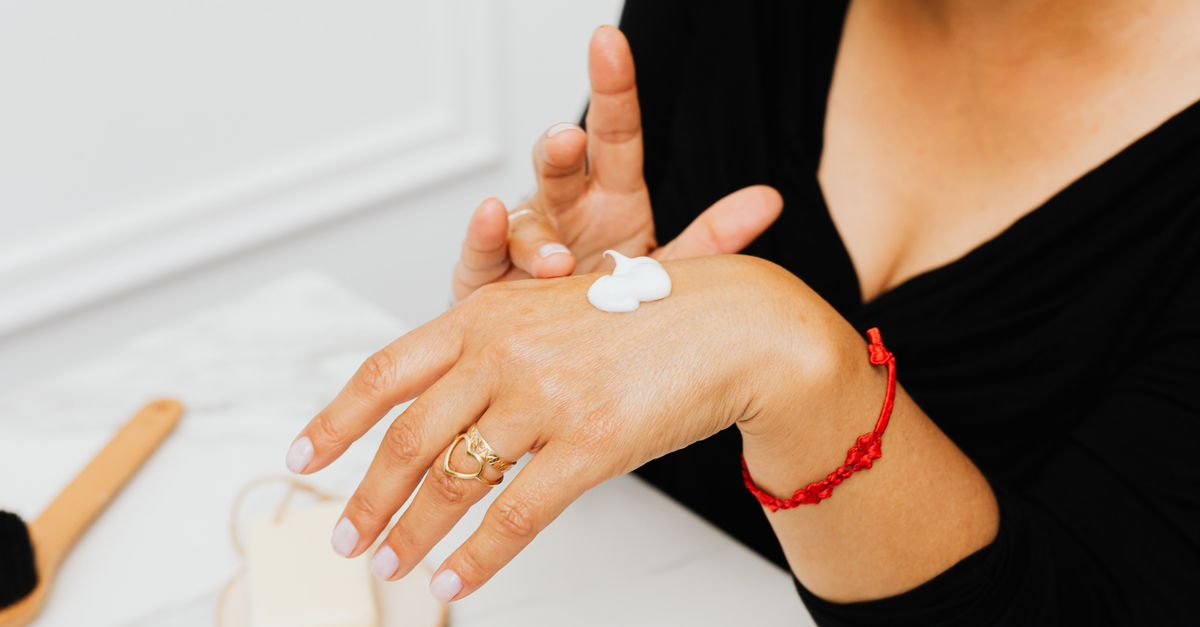
Applying regular lotion makes the skin slippery initially, which can reduce friction, but it also softens the stratum corneum. Once the lotion wears off, the softened skin is highly vulnerable to tearing. A specialized friction-blocking balm or athletic chalk is far more effective.
4. How long does the new skin take to form under a friction blister?
The body begins generating new epidermal cells immediately. It typically takes about five to seven days for the new layer of skin to become thick enough to withstand normal touch, at which point the old blister roof will dry up and naturally flake away.
16. Bibliography
- Read relevant clinical studies on PubMed
- Search for academic articles on Google Scholar
- Read relevant clinical studies on PubMed
- Search for academic articles on Google Scholar
Disclaimer: The content is for informational purposes only and does not replace medical advice. Always consult your doctor for personalized treatment.