1. Introduction
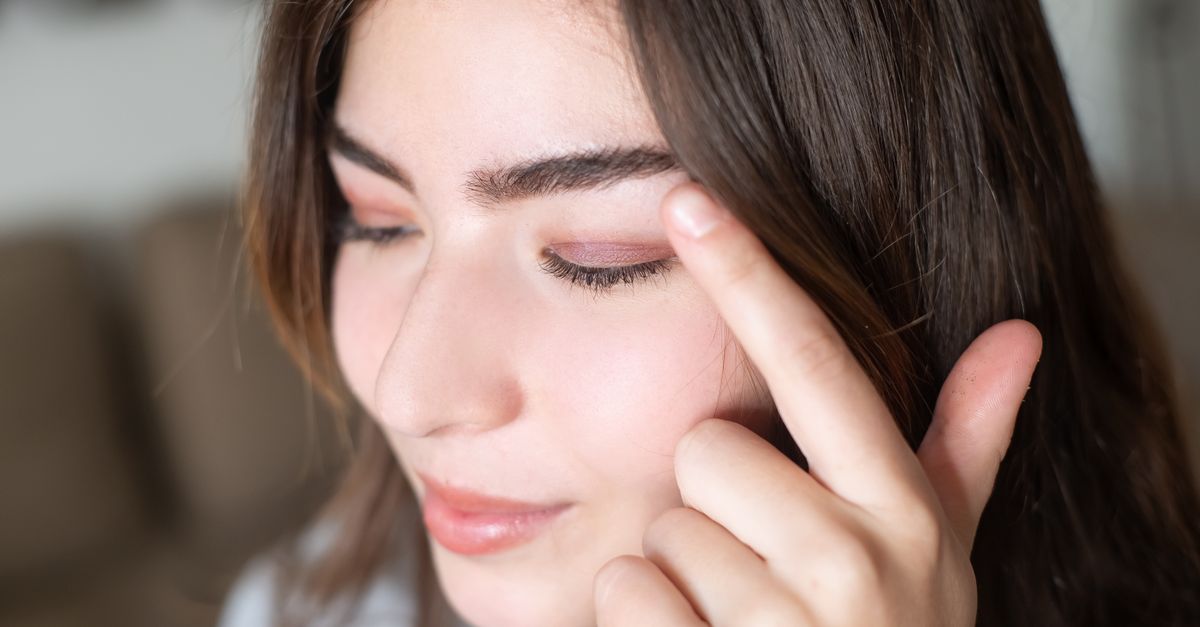
Constant twitching in the left eyelid is a prevalent and generally benign neurological condition clinically defined as eyelid myokymia. This phenomenon involves the spontaneous, involuntary, and rapid misfiring of the fine motor nerve fibers that supply the orbicularis oculi muscle, the circular muscle responsible for closing the eyelid. While the sensation often feels highly visible and distracting to the patient, the actual muscular contractions are typically microscopic ripples that are barely noticeable to an observer. The primary catalysts for this localized neurological irritability include acute physical fatigue, prolonged psychological stress, excessive central nervous system stimulation from caffeine, and profound ocular surface dryness.
The human eyelid is one of the most mechanically active and neurologically sensitive structures in the body, performing thousands of precise, coordinated blinks every single day to protect and lubricate the eye. The intricate neurological pathways controlling this muscle require a perfect balance of rest, hydration, and neurochemical stability. When systemic exhaustion or chemical stimulants disrupt this delicate homeostasis, the lower motor neurons become hyper-excitable. They begin firing erratic electrical impulses independently of conscious brain control, resulting in the continuous, fluttering spasms that characterize an episode of eyelid myokymia.
2. Anatomy of the Orbicularis Oculi Muscle
To understand the mechanics of the twitch, one must examine the specific muscular anatomy of the eyelid. The orbicularis oculi is a complex, sphincter-like muscle that encircles the entire eye. It is broadly divided into three distinct anatomical parts, but the portion responsible for the involuntary twitching is the palpebral section.
The palpebral section consists of extraordinarily thin, delicate muscle fibers located immediately beneath the skin of the upper and lower eyelids. These specific fibers are responsible for the light, rapid, and effortless blinking required to spread the tear film across the cornea.
Because these muscle fibers are incredibly fine and possess a very low threshold for activation, they are highly susceptible to systemic physiological changes. A slight shift in electrolyte balance or localized nerve irritation can easily trigger a localized spasm, causing a rippling effect across the thin skin of the eyelid without actively closing the eye entirely.
3. The Role of the Facial Nerve
The motor control of the orbicularis oculi muscle is exclusively governed by the seventh cranial nerve, known as the facial nerve. This massive nerve originates deep within the brainstem, travels through a narrow, winding bony canal in the skull, and branches out across the face.
The temporal and zygomatic branches of the facial nerve innervate the eyelid. In eyelid myokymia, the neurological misfiring typically occurs at the distal end of these nerve branches, right at the neuromuscular junction where the nerve connects to the muscle fibers.
When the nerve endings become hyper-excitable, they spontaneously release acetylcholine, the neurotransmitter responsible for muscle contraction. This unregulated chemical release triggers a rapid series of microscopic contractions in an isolated bundle of muscle fibers, creating the distinct, continuous fluttering sensation.
4. Fatigue and Sleep Deprivation
The most frequent and direct cause of eyelid myokymia is acute physical fatigue and chronic sleep deprivation. The central and peripheral nervous systems rely on the deep, restorative phases of sleep to clear metabolic waste products and restore neurotransmitter balance.
When an individual suffers from a prolonged lack of sleep, the nervous system remains in a state of sympathetic hyper-arousal. The neurons fail to properly reset their resting membrane potentials, leaving them in a state of chronic irritability.
Furthermore, the physical fatigue of the ocular muscles themselves plays a significant role. If the eyes are forced to remain open and active for excessively long hours, the local nerve endings supplying the orbicularis oculi become metabolically exhausted and begin to misfire, initiating the persistent twitch.
5. Psychological Stress and Autonomic Arousal
Psychological stress is a potent trigger for neuromuscular abnormalities. During periods of high anxiety, occupational pressure, or emotional distress, the brain activates the body’s fight-or-flight response, flooding the bloodstream with stress hormones like adrenaline and cortisol.
This systemic autonomic arousal lowers the overall activation threshold for all motor neurons in the body. Muscles become tense, and peripheral nerves become hyper-sensitive to any stimulus.
Because the facial muscles are highly responsive to emotional states, the delicate nerve branches supplying the eyelids are often the first to exhibit physical signs of this systemic neurological overload. A persistent eyelid twitch during a difficult life event is a direct physical manifestation of severe psychological stress.
6. Caffeine and Central Nervous System Stimulants
Dietary habits, specifically the overconsumption of central nervous system stimulants, frequently provoke eyelid myokymia. Caffeine, found in coffee, tea, and energy drinks, acts directly on the central nervous system by blocking adenosine receptors, which prevents the brain from perceiving fatigue.
Simultaneously, high doses of caffeine trigger the release of excitatory neurotransmitters, inducing a mild state of physiological hyper-arousal. This chemical stimulation increases the firing rate of peripheral motor nerves.
If the fine motor nerves of the eyelid are already bordering on exhaustion, a sudden influx of caffeine will push them over the threshold into spontaneous, erratic firing. Reducing caffeine intake is often the primary and most successful clinical recommendation for resolving persistent spasms.
7. Ocular Surface Dryness and Digital Strain
The localized environment of the eye significantly influences the stability of the eyelid muscles. Severe evaporative dry eye, often exacerbated by prolonged computer or smartphone use, causes significant cellular irritation on the surface of the cornea.
When individuals stare at digital screens, their autonomic blink rate drops by more than half, leading to rapid desiccation of the ocular surface. This drying causes micro-abrasions and localized inflammation.
The sensory nerves of the cornea detect this irritation and trigger an autonomic reflex, attempting to force the eyelid to blink more to lubricate the eye. This neurological conflict—between the brain trying to stare at the screen and the eye trying to force a blink—often results in localized muscle fatigue and the onset of the twitch. This mechanism is deeply tied to broader clinical assessments of dry eye syndrome relief.
8. Nutritional Deficiencies Impacting Muscle Function
Proper muscle contraction and nerve transmission rely heavily on a precise biochemical balance of systemic electrolytes. Deficiencies in specific minerals can render the motor nerves highly unstable and prone to spontaneous fasciculations (twitches).
Magnesium is a critical mineral that acts as a natural calcium blocker, helping muscle fibers to relax after a contraction. A systemic deficiency in magnesium leads to neuromuscular hyper-excitability, causing muscles throughout the body to cramp and twitch.
Similarly, an imbalance of potassium or calcium can disrupt the electrical gradients across the nerve cell membranes. A poor diet, chronic dehydration, or the use of certain diuretic medications can deplete these vital electrolytes, precipitating stubborn episodes of eyelid myokymia.
9. Identifying Exacerbating Factors
Physicians evaluate a combination of lifestyle and environmental factors to pinpoint the specific trigger of the myokymia.
| Trigger Category | Specific Lifestyle Factors |
|---|---|
| Systemic Exhaustion | Sleeping fewer than 6 hours per night, chronic jet lag |
| Chemical Stimulants | Excessive espresso, energy drinks, nicotine use |
| Ocular Stressors | Outdated prescription glasses, uncorrected astigmatism, screen time |
| Environmental Irritants | Air conditioning blowing directly on the face, high pollen counts |
Systematically addressing these categories usually resolves the benign condition without the need for pharmacological intervention.
10. Differentiating Myokymia from Benign Essential Blepharospasm
It is clinically imperative to differentiate the benign, unilateral fluttering of eyelid myokymia from more serious dystonic movement disorders, primarily Benign Essential Blepharospasm.
Myokymia involves a fine, rippling contraction that typically affects only one eyelid (usually the lower lid) and does not force the eye to close completely. It is an annoyance, but it does not impair functional vision.
Conversely, Benign Essential Blepharospasm is a progressive neurological disorder involving the basal ganglia of the brain. It causes forceful, involuntary, and bilateral spasms of the entire orbicularis oculi muscle. Patients with this condition experience severe, forceful clamping shut of both eyes simultaneously, which can render them functionally blind and requires specialized medical treatment.
11. Hemifacial Spasm and Neurological Compression
If the twitching begins in the eyelid but gradually spreads down one side of the face to include the cheek and the corner of the mouth, the diagnosis shifts from benign myokymia to a hemifacial spasm.
A hemifacial spasm is typically caused by a structural vascular compression. A small artery at the base of the brain loops abnormally and pulses directly against the facial nerve as it exits the brainstem.
The continuous mechanical pounding of the artery physically damages the insulating myelin sheath of the facial nerve, causing the electrical signals to short-circuit. This results in pronounced, pulling spasms of the entire side of the face. This condition requires an MRI evaluation and potential neurosurgical intervention to separate the blood vessel from the nerve.
12. Conservative Management and Lifestyle Adjustments
Because simple eyelid myokymia is almost always rooted in lifestyle imbalances, treatment focuses entirely on conservative management. The immediate priority is prioritizing restorative sleep and aggressively reducing the intake of caffeine and other central nervous system stimulants.
Applying a warm compress to the twitching eye for ten minutes can induce localized vasodilation, relaxing the hyperactive muscle fibers and soothing the irritated nerve endings.
Additionally, aggressively treating underlying dry eye with preservative-free artificial tears removes the corneal irritation that often drives the reflex spasm. Patients who spend long hours on computers must implement the 20-20-20 rule—looking twenty feet away for twenty seconds every twenty minutes—to reduce severe digital ocular strain.
13. Advanced Clinical Interventions
If benign eyelid myokymia persists continuously for several months despite strict lifestyle modifications and proves highly disruptive to the patient’s quality of life, specialized clinical intervention may be considered.
The most effective medical treatment for refractory (stubborn) myokymia is the targeted injection of Botulinum toxin (Botox) into the affected orbicularis oculi muscle. The toxin works by blocking the release of acetylcholine at the neuromuscular junction.
By chemically preventing the nerve from commanding the muscle to contract, the botulinum toxin effectively paralyses the specific twitching fibers for approximately three to four months, providing total symptomatic relief while preserving normal blinking function.
14. When to Consult a Neurologist or Ophthalmologist
While a twitching eyelid is incredibly common and rarely indicates a severe disease, specific clinical red flags warrant an immediate referral to a neurologist or an ophthalmologist.
Medical evaluation is mandatory if the twitching completely forces the eyelid to shut, if it spreads to involve other facial muscles, or if it is accompanied by sudden drooping of the upper eyelid (ptosis).
Furthermore, if the eye becomes profoundly red, painful, or exhibits a thick discharge alongside the twitching, it indicates a severe anterior segment infection or a corneal ulcer that requires urgent medical therapy to prevent structural damage to the eye.
15. Frequently Asked Questions (FAQ)
1. Is a twitching left eyelid a sign of an impending stroke?
No. An isolated eyelid twitch is a peripheral nerve issue, not a brain event. A stroke presents with profound, sudden weakness or paralysis of the face, slurred speech, and weakness in the arm or leg. A simple flutter in the eyelid alone is entirely unrelated to a stroke.
2. Does wearing outdated glasses cause my eyelid to twitch?
Yes. If your prescription is outdated or if you have an uncorrected astigmatism, the tiny ciliary muscles inside your eye and the larger muscles surrounding the eye must work frantically to force the image into focus. This chronic muscular exhaustion frequently leads to a persistent twitch.
3. Can drinking alcohol stop the eyelid twitch?
While alcohol is a central nervous system depressant and might temporarily relax the muscle, it ultimately disrupts your sleep architecture and dehydrates your body. The resulting sleep deprivation and electrolyte imbalance will almost certainly cause the twitch to return with greater severity the following day.
4. How long can benign eyelid myokymia last?
A typical episode of stress-induced myokymia lasts for a few days to a few weeks, fluctuating in intensity. However, if the underlying triggers—such as severe sleep deprivation or chronic stress—are not resolved, the twitching can persist intermittently for several months.
16. Bibliography
Disclaimer: The content is for informational purposes only and does not replace medical advice. Always consult your doctor for personalized treatment.