1. Introduction
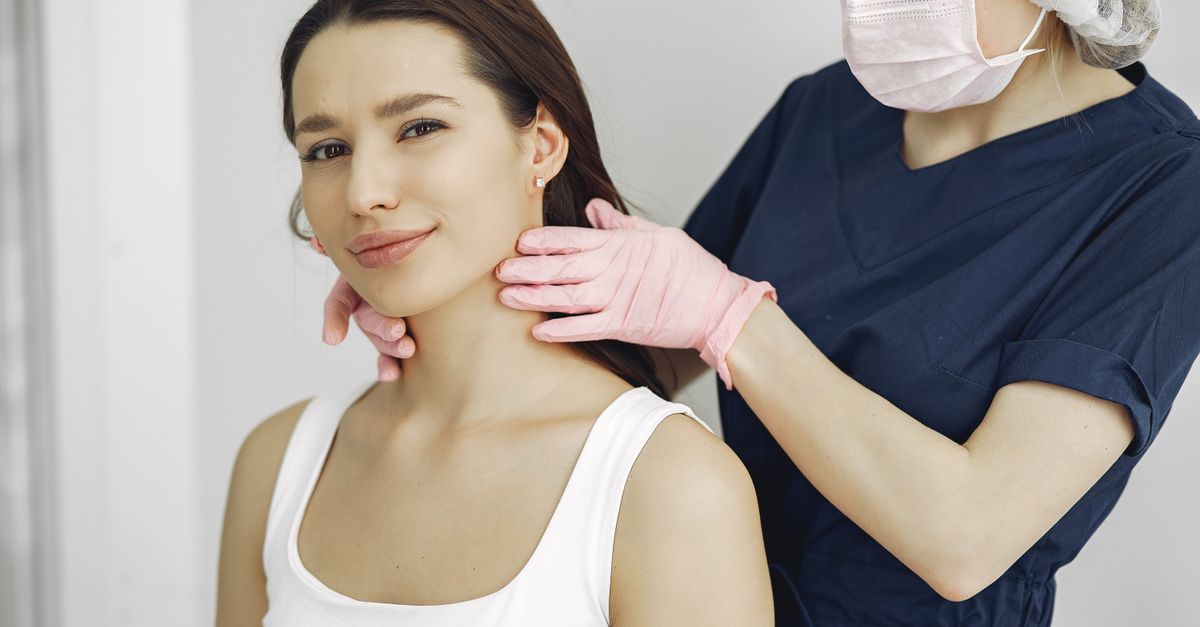
Swollen lymph nodes in the neck and groin are primarily caused by localized or systemic infections, acting as a direct physical manifestation of the immune system actively battling invading pathogens. The human body houses hundreds of these small, bean-shaped biological filters, which serve as crucial command centers for white blood cells. When a virus, bacterium, or other foreign antigen enters the body, the lymphatic system rapidly transports these particles to the nearest lymph nodes. In response, the nodes vastly increase their production of lymphocytes to neutralize the threat. This rapid cellular proliferation causes the structural capsule of the node to stretch and expand, resulting in the palpable, often tender swelling clinically referred to as lymphadenopathy.
While the presence of swollen glands frequently induces anxiety, it is an essential and healthy physiological defense mechanism. The anatomical location of the swelling provides physicians with vital diagnostic clues; cervical nodes in the neck typically react to upper respiratory infections, while inguinal nodes in the groin respond to pelvic or lower extremity issues. Differentiating between a benign, self-limiting infection and a systemic disorder requiring medical intervention relies on assessing the firmness, mobility, and duration of the swelling, alongside the presence of systemic symptoms such as persistent fevers or unexplained fatigue.
2. Anatomy of the Lymphatic System
To comprehend the mechanics of lymphadenopathy, one must understand the expansive architecture of the lymphatic system. This system functions as the body’s secondary circulatory network, operating parallel to the blood vessels. It consists of lymphatic vessels, lymph fluid, and hundreds of lymph nodes strategically clustered throughout the body.
The lymphatic vessels collect excess tissue fluid, metabolic waste, and potential pathogens from the cellular spaces. This fluid, known as lymph, is transported in a one-way direction toward the heart. Before the fluid is allowed to rejoin the central bloodstream, it must pass through one or more lymph nodes.
The nodes act as biological checkpoints. Inside the node, specialized compartments house dense populations of macrophages and lymphocytes, specific types of white blood cells. When the lymph fluid washes through these compartments, the immune cells detect and destroy foreign cellular material, preventing pathogens from spreading systemically.
3. The Immune Proliferation Response
The swelling of a lymph node is not a sign that the node itself is infected, but rather a sign that it is actively working. When a macrophage encounters a pathogen, it presents the foreign protein to the lymphocytes residing within the node.
This presentation triggers a rapid and profound cellular response. B-lymphocytes begin multiplying rapidly to produce specific antibodies against the invader. T-lymphocytes also proliferate to seek out and destroy infected cells.
This sudden, massive increase in the number of inflammatory cells causes the interior volume of the lymph node to expand rapidly. The fibrous outer capsule of the node stretches to accommodate the new cells. The stretching of this capsule irritates localized nerve endings, which is why rapidly swelling lymph nodes are often quite tender to the touch.
4. Cervical Lymphadenopathy (Neck Nodes)
The neck region contains a vast network of cervical lymph nodes, specifically designed to drain and protect the head, face, and throat. Because the mouth and nose are the primary entry points for environmental pathogens, the cervical nodes are the most frequently swollen nodes in the human body.
Upper respiratory tract infections, such as the common cold, influenza, and pharyngitis, routinely trigger acute cervical lymphadenopathy. The nodes just beneath the jawline (submandibular) and along the sides of the neck (anterior cervical) become prominent and tender.
Dental abscesses, severe gingivitis, and localized skin infections on the scalp or face will also cause targeted swelling in the neck nodes on the corresponding side. The swelling generally mirrors the duration of the acute infection, subsiding gradually as the primary illness resolves.
5. Inguinal Lymphadenopathy (Groin Nodes)
The inguinal lymph nodes are situated in the crease of the groin. These nodes are responsible for filtering lymphatic fluid returning from the lower extremities, the external genitalia, and the lower abdominal wall.
Swollen groin nodes frequently result from minor localized trauma or infections in the legs and feet. A severely infected blister on the heel, athlete’s foot, or a skin laceration on the thigh can trigger significant inguinal swelling as the immune system traps the bacteria before it reaches the central circulation.
Additionally, sexually transmitted infections such as syphilis, gonorrhea, or herpes simplex virus commonly present with painful inguinal lymphadenopathy. Because the groin is a high-friction, warm environment, identifying the exact source of the primary infection requires a thorough dermatological and pelvic assessment.
6. Viral Pathogens and Systemic Swelling
While localized infections cause localized swelling, certain systemic viral infections trigger widespread lymphadenopathy, affecting the neck, groin, and underarm (axillary) nodes simultaneously.
The Epstein-Barr virus, which causes infectious mononucleosis, is notorious for producing profound, painful swelling of the cervical and sometimes inguinal nodes, accompanied by severe fatigue and a severe sore throat. Cytomegalovirus (CMV) presents with a nearly identical clinical picture.
Human Immunodeficiency Virus (HIV) also causes generalized lymphadenopathy during the acute primary infection phase. The virus targets the immune cells directly within the lymph nodes. Any patient presenting with widespread, persistent nodal swelling across multiple body regions requires prompt serological testing for these systemic viral pathogens.
7. Bacterial Infections and Suppuration
Bacterial infections typically elicit a robust and painful lymph node response. Group A Streptococcus, the bacterium responsible for strep throat, causes the anterior cervical nodes to become exceptionally large, firm, and painful.
In severe bacterial infections, the sheer volume of bacteria and dead white blood cells can overwhelm the node’s filtering capacity. The interior of the node may break down and form a collection of pus, a condition known as suppurative lymphadenitis.
A suppurative node becomes highly inflamed, the overlying skin turns red and hot, and the node feels fluctuant, similar to a fluid-filled blister beneath the skin. This severe progression typically requires surgical drainage and targeted antibiotic therapy, as the immune system can no longer clear the debris independently.
8. Systemic Autoimmune Disorders
Lymphadenopathy is not exclusively triggered by external infectious agents. Systemic autoimmune disorders involve an overactive immune system that mistakenly identifies the body’s own healthy tissues as foreign threats.
Conditions such as Systemic Lupus Erythematosus (Lupus) and Rheumatoid Arthritis maintain the immune system in a state of chronic, high-level activation. The lymphocytes within the nodes are continuously stimulated to proliferate and produce autoantibodies.
In these patients, swollen lymph nodes in the neck and groin may be mildly enlarged and painless, persisting for months or years. The swelling often fluctuates in correlation with periods of systemic autoimmune flare-ups, and is frequently evaluated alongside chronic muscle fatigue and joint inflammation.
9. Malignancy and Lymphoma
While the vast majority of swollen nodes are benign, persistent lymphadenopathy requires clinical evaluation to rule out malignancy. Cancers can affect the lymph nodes in two primary ways: metastasis or primary lymphoma.
Metastatic cancer occurs when a tumor elsewhere in the body sheds malignant cells into the lymphatic fluid. These cells become trapped in the nearest lymph node and begin to grow. For example, head and neck cancers frequently metastasize to the cervical nodes.
Lymphoma, including Hodgkin’s and non-Hodgkin’s lymphoma, is a primary cancer of the lymphatic system itself. The lymphocytes undergo malignant transformation and replicate uncontrollably within the node. Malignant lymph nodes generally present as firm or rock-hard, completely painless, and fixed firmly to the underlying tissue, refusing to move when pushed.
10. Medication-Induced Lymphadenopathy
A thorough pharmacological history is essential when evaluating unexplained lymph node swelling, as certain medications can trigger an atypical immune response resulting in generalized lymphadenopathy.
Phenytoin and other older antiepileptic medications are well-documented triggers for a condition resembling a systemic lymphoma, characterized by fever, rash, and widespread swollen nodes. The swelling typically resolves upon discontinuation of the offending drug.
Certain antibiotics, specifically cephalosporins and penicillins, can occasionally induce a delayed hypersensitivity reaction known as serum sickness. This immune complex disease causes joint pain, fever, and generalized lymph node enlargement occurring one to two weeks after the medication is initiated.
11. Differentiating Benign from Suspicious Nodes
Physicians utilize specific tactile characteristics during a physical examination to differentiate between a reactive, benign lymph node and a node that requires urgent biopsy.
| Physical Characteristic | Benign Reactive Node | Suspicious/Malignant Node |
|---|---|---|
| Pain and Tenderness | Often tender to the touch | Typically completely painless |
| Consistency | Soft, rubbery, flexible | Firm, rock-hard, wooden |
| Mobility | Moves freely under the skin | Fixed tightly to surrounding structures |
| Growth Rate | Rapid onset, resolves in weeks | Slow, relentless, continuous growth |
Any node exhibiting suspicious characteristics, particularly in the absence of an obvious infection, mandates immediate advanced diagnostic testing.
12. Identifying Associated Systemic Symptoms
The symptoms accompanying the swollen nodes provide critical context for the diagnosis. A physician will search for specific red flag symptoms that point toward a systemic illness rather than a localized infection.
Unintended, rapid weight loss, profound drenching night sweats, and a persistent, unexplained fever are known clinically as “B symptoms.” The presence of B symptoms alongside painless, rubbery lymph nodes strongly raises the clinical suspicion for a hematological malignancy like lymphoma.
Conversely, a high fever, severe sore throat, and thick nasal discharge point squarely toward a benign, acute respiratory infection. Providing a detailed history of all systemic symptoms is vital for accurate triage and diagnostic planning.
13. Clinical Diagnostics and Biopsy
When a lymph node remains enlarged for more than four weeks without a clear infectious cause, or exhibits suspicious physical traits, a sequential diagnostic workup is initiated. Blood tests, including a complete blood count and specific viral serologies, assess systemic immune function.
Diagnostic ultrasound is an excellent, non-invasive imaging modality that reveals the internal architecture of the node. A benign reactive node maintains an oval shape with a distinct fatty core, whereas a malignant node often loses this architecture and becomes round and uniformly dense.
If imaging is concerning, a tissue biopsy is the definitive diagnostic standard. An excisional biopsy, where the entire node is surgically removed and examined under a microscope by a pathologist, provides absolute confirmation of the cellular pathology, dictating the subsequent treatment plan.
14. Medical Management and Reassurance
For the vast majority of patients, the management of swollen lymph nodes involves watchful waiting and supportive care. Treating the underlying primary infection naturally resolves the lymphadenopathy.
If a bacterial throat or skin infection is confirmed, a complete course of oral antibiotics is prescribed. Over-the-counter anti-inflammatory medications, such as ibuprofen, help reduce the swelling and alleviate the capsular pain associated with rapidly expanding nodes.
Warm compresses applied to the neck or groin can promote local blood flow and soothe the irritated tissue. Patients are strongly advised against constantly pressing or squeezing the swollen nodes, as this mechanical trauma worsens the inflammation and significantly delays the resolution of the swelling.
15. When to Seek Medical Attention
While mild lymph node swelling accompanying a cold is a normal physiological event, specific clinical scenarios demand a professional medical evaluation to ensure patient safety.
A physician must be consulted if a lymph node grows larger than one inch in diameter, feels unusually hard, or continues to enlarge over a period of two to three weeks.
Immediate medical attention is required if the swelling in the neck becomes so pronounced that it causes difficulty swallowing solid food or creates a sensation of restricted breathing. Additionally, the sudden appearance of widespread, painless swollen nodes across the neck, armpits, and groin necessitates an urgent hematological evaluation to rule out systemic disease.
16. Frequently Asked Questions (FAQ)
1. Can stress cause my lymph nodes to swell?
Psychological stress does not directly cause lymph nodes to swell. However, severe chronic stress suppresses the overall efficiency of your immune system. This suppression makes you significantly more susceptible to catching viral or bacterial infections, which will then trigger the lymph nodes to swell in response to the illness.
2. Is it normal for a lymph node to stay slightly swollen after I get better?
Yes. After a severe infection, it is common for the fibrous capsule of the lymph node to remain slightly stretched and scarred. A small, firm, painless “shotty” node can persist for months or even years after the initial infection has completely resolved.
3. Why do the lymph nodes in my groin hurt when I have a cut on my foot?
Your lymphatic system drains fluid from the extremities toward the center of the body. If you have an infected cut on your foot, the bacteria are transported straight up your leg via the lymphatic vessels and deposited into the inguinal (groin) nodes, triggering them to swell and fight the infection.
4. Can a tooth cavity cause a swollen lump in my neck?
Absolutely. A deep dental cavity or an abscessed tooth harbors massive amounts of bacteria. The lymphatic drainage from the lower jaw flows directly into the submandibular and upper cervical lymph nodes in the neck. A hard, tender lump under the jawline is frequently the first sign of a severe dental infection.
17. Bibliography
Disclaimer: The content is for informational purposes only and does not replace medical advice. Always consult your doctor for personalized treatment.