1. Introduction: Arresting a Calf Muscle Spasm
To get rid of a sudden charley horse in the calf, immediately stand up and bear weight on the affected leg while actively pointing your toes upward toward your shin to mechanically stretch the contracted muscle fibers. Applying deep, firm friction massage to the center of the muscle belly encourages localized blood flow and helps release the spastic tissue. Ensuring adequate systemic hydration and replenishing intracellular electrolytes will prevent the neurological misfiring that causes these acute, paralyzing spasms.
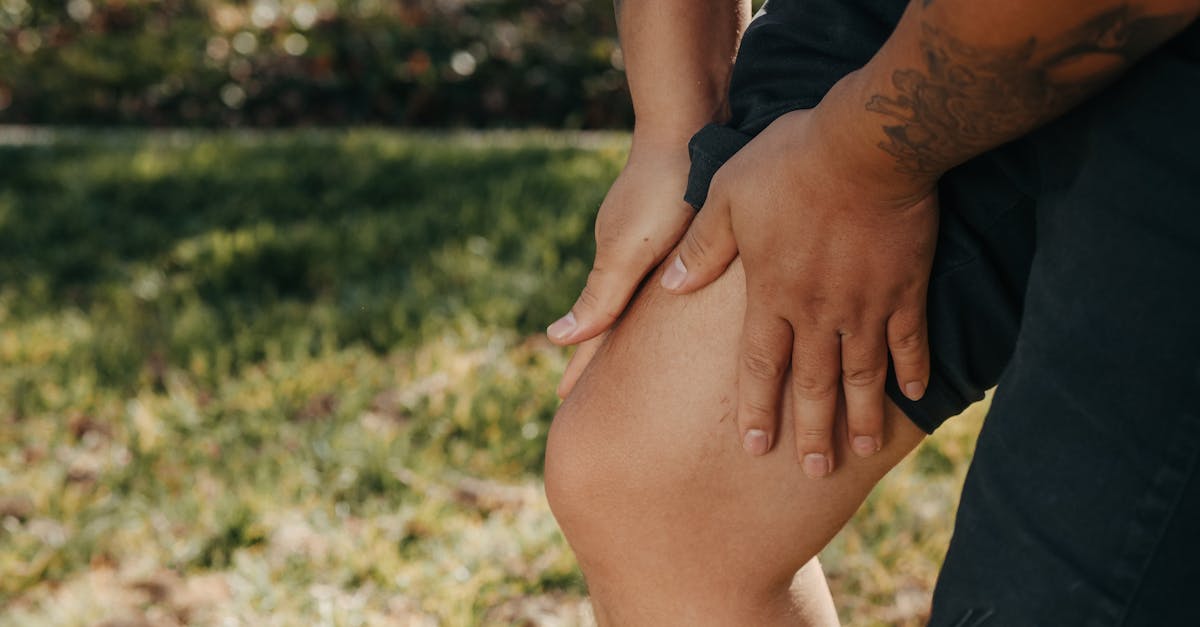
A charley horse is a colloquial term for an intense, acute muscle cramp, most frequently striking the calf muscles at the back of the lower leg. These involuntary spasms are notoriously painful, often occurring suddenly in the middle of the night or immediately following rigorous cardiovascular exercise. The sheer force of the involuntary contraction can leave the calf muscle feeling tender, bruised, and fatigued for several days afterward.
These spasms indicate a temporary breakdown in the neurological communication between the spinal cord and the peripheral muscle tissue. The motor neurons become hyper-excitable, firing relentless electrical signals that lock the muscle into maximum contraction. Rapidly resolving a charley horse requires decisive mechanical intervention to physically break this neurological loop, followed by addressing the underlying chemical deficits that caused the misfire.
2. Anatomy of the Calf Musculature
To effectively stretch and massage a charley horse, one must understand the anatomy of the affected area. The calf is primarily composed of two powerful muscles: the gastrocnemius and the soleus. The gastrocnemius is the large, visible, superficial muscle that crosses both the knee and the ankle joints.
The soleus lies deep beneath the gastrocnemius and crosses only the ankle joint. Both of these muscles merge at the base of the calf to form the Achilles tendon, which attaches securely to the heel bone. Together, they are responsible for plantar flexion—the biological action of pointing the toes downward and propelling the body forward during walking and running.
When a charley horse occurs, it typically involves the massive contraction of the gastrocnemius. Because this muscle is so powerful, the cramp is incredibly forceful, physically contorting the foot and ankle downward and causing agonizing pain as the muscle fibers clamp down on their own blood supply.
3. Pathophysiology of Motor Neuron Misfiring
Skeletal muscles are strictly controlled by motor neurons, which receive signals from the brain and spinal cord. Embedded within the muscle tissue are two crucial sensory receptors: muscle spindles (which detect stretching) and Golgi tendon organs (which detect tension). Under normal conditions, these receptors balance each other to allow smooth, coordinated movement.
A charley horse is the result of spontaneous motor unit discharge. The motor neurons innervating the calf become highly unstable and begin firing rapidly without any conscious command. Simultaneously, the inhibitory signals from the Golgi tendon organs, which normally force a muscle to relax when tension gets too high, fail to operate correctly.
This failure of neurological inhibition traps the muscle in a state of tetany—a sustained, unyielding contraction. The immediate goal of clinical intervention is to artificially stimulate those inhibitory signals through mechanical force, overriding the rogue electrical impulses and forcing the muscle to relax.
4. Reciprocal Inhibition and Immediate Stretching
The absolute most effective intervention to stop a charley horse instantly is active, mechanical stretching. Stretching utilizes a physiological reflex known as reciprocal inhibition. By forcefully lengthening the contracted calf muscle, the central nervous system is forced to send an inhibitory signal to the spastic motor neurons, breaking the electrical feedback loop.
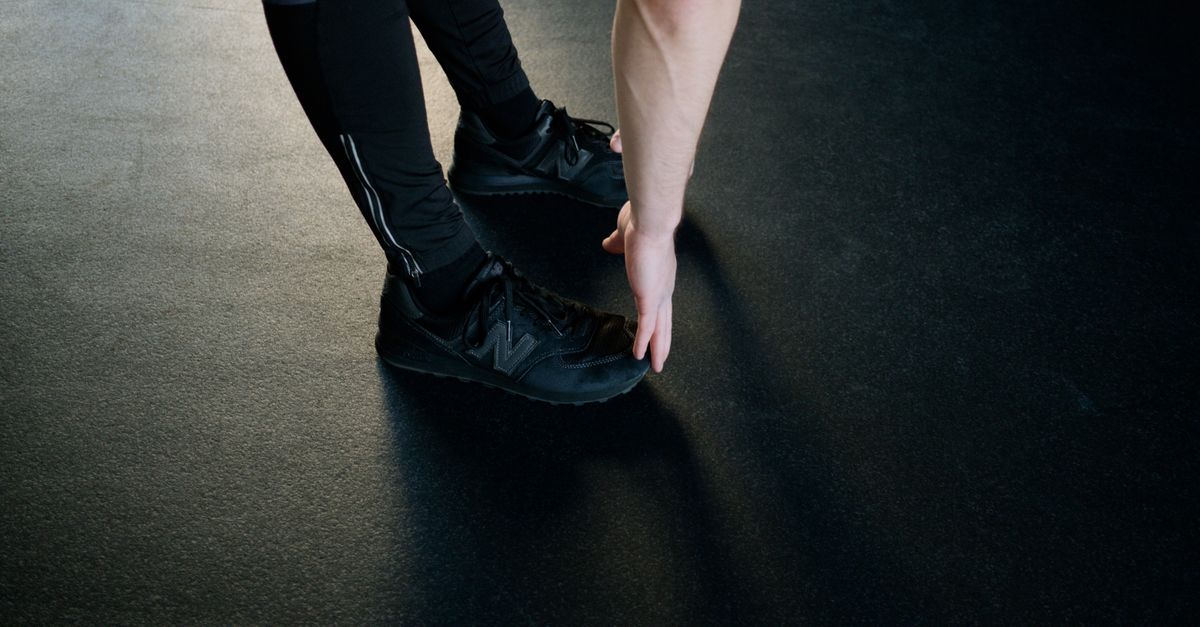
The moment the cramp strikes, the patient must immediately straighten the knee and forcefully pull the toes and the ball of the foot backward, toward the shin (dorsiflexion). This action pulls the Achilles tendon tight, which applies immense mechanical leverage to stretch the gastrocnemius muscle belly.
This stretch must be held firmly and continuously. Bouncing or jerking the foot can activate the muscle spindles and actually trigger a worse reactive spasm. The patient must breathe deeply and hold the fully elongated position for thirty to sixty seconds until the muscle fibers physiologically yield and the pain subsides.
5. Weight-Bearing and the Golgi Tendon Reflex
When a severe charley horse strikes in the middle of the night, remaining in bed usually prolongs the agony. The patient must force themselves to stand up and bear their body weight on the affected leg. While initially excruciating, this is a highly effective biomechanical intervention.
Placing the foot flat on the floor and shifting body weight directly onto the leg forcefully engages the Golgi tendon organs located in the Achilles tendon. When these tiny organs sense the massive increase in mechanical tension from the body weight, they immediately fire powerful emergency inhibitory signals to the spinal cord.
These signals demand instantaneous muscular relaxation to prevent the Achilles tendon from snapping under the strain. This autonomic reflex rapidly overrides the spastic motor neurons, causing the cramped calf to release its lock. Slowly walking around a cool floor further assists by promoting active venous return and localized blood flow.
6. The Role of Intracellular Electrolytes
Electrolytes are electrically charged minerals that govern the conduction of nerve impulses and the contraction of muscle fibers. The precise balance of intracellular and extracellular sodium, potassium, calcium, and magnesium is essential for normal neuromuscular function. A derangement in any of these minerals dramatically lowers the threshold for muscle spasms.
Calcium is the mineral responsible for initiating the muscle contraction, while magnesium acts as the biological antagonist. Magnesium must enter the cell to push the calcium out, allowing the muscle to relax. A localized deficiency in intracellular magnesium leaves the muscle locked in a contracted state, highly prone to sudden charley horses.
Potassium maintains the resting electrical potential of the nerve cell membrane. When potassium levels drop due to poor dietary intake or profuse sweating, the nerve membrane becomes unstable and highly irritable. Replenishing these vital minerals is a necessary daily strategy for patients who suffer from recurrent calf cramps.
7. Dehydration and Cellular Ischemia
Systemic dehydration is a dominant trigger for acute muscle cramping, particularly following exercise. Water constitutes a massive portion of muscle tissue and is the required medium through which all cellular metabolic exchanges occur. When a patient becomes dehydrated, the volume of extracellular fluid decreases.
This loss of fluid shrinks the microscopic space between the muscle cells and the nerve endings. The resulting mechanical deformation of the nerve terminals renders them highly irritable and prone to discharging spontaneous electrical impulses.
Furthermore, dehydration thickens the blood, compromising regional microcirculation. This restricted blood flow (ischemia) cannot effectively deliver oxygen or carry away lactic acid and cellular waste products from the hardworking calf muscles. This toxic, localized environment chemically triggers the pain receptors and sustains the involuntary spasm.
8. Deep Friction Massage Techniques
Mechanical manipulation of the spastic tissue provides a powerful sensory override to the central nervous system. When the calf is locked in a charley horse, applying deep, firm friction massage to the belly of the contracted muscle helps manually separate the tightly bound, ischemic muscle fibers.
Using the thumbs or the heel of the hand, the patient should apply intense, localized pressure directly to the hardest knot in the center of the calf. The massage stroke should run perpendicular to the direction of the muscle fibers. This transverse friction generates localized heat and draws fresh, oxygenated blood directly into the starving tissue.
The intense tactile sensory input from the massage floods the spinal cord with competing data, which frequently forces the brain to abandon the motor signal causing the cramp. Using a rigid massage roller stick can provide excellent mechanical leverage for this intervention.
9. Thermal Interventions: Heat vs. Cold
The strategic application of temperature alters blood flow and nerve conduction velocity, aiding in rapid cramp resolution. Heat therapy is typically the most beneficial for an actively cramping muscle. Applying a hot towel or a heating pad to the calf induces profound localized vasodilation.
The heat expands the local blood vessels, flushing the cramped tissue with oxygen and washing away the accumulated metabolic waste that is sustaining the contraction. The warmth also physically alters the collagen matrix within the fascia, making the thick calf muscle more pliable and easier to stretch.
Conversely, applying ice is beneficial immediately after the cramp has been broken. The intense, violent contraction of a charley horse frequently causes microscopic tearing in the muscle fibers, resulting in severe residual soreness. Cold therapy constricts the vessels, reducing the secondary inflammatory response and numbing the lingering muscular ache.
10. Biomechanical Strain and Footwear
The calf muscles act as the primary shock absorbers for the human body during ambulation. When biomechanical alignment is faulty, these muscles are forced to overwork constantly, leading to profound localized fatigue. Fatigued muscles are biochemically primed to cramp.
Wearing unsupportive footwear, such as flat sandals or worn-out athletic shoes, forces the gastrocnemius to strain unnaturally to stabilize the ankle joint. Conversely, wearing high heels forces the calf into a constant, artificially shortened position for hours, leading to severe fascial tightness.
Patients experiencing frequent charley horses must evaluate their footwear. Utilizing shoes with a firm heel counter, adequate arch support, and proper shock absorption prevents the mechanical exhaustion of the lower leg musculature, drastically reducing the incidence of end-of-day cramping.
11. Sleep Positioning and Nocturnal Cramps
The vast majority of severe charley horses occur during sleep. This nocturnal predominance is directly linked to resting foot posture. When an individual sleeps on their back or stomach, heavy blankets frequently press the feet downward, pointing the toes away from the shin (plantar flexion).
This prolonged, downward-pointing position allows the calf muscle fibers to overlap excessively and remain in a highly shortened, slack state for hours. When the muscle is slack, the threshold for a spontaneous motor neuron firing is drastically lowered. A minor movement in bed instantly triggers a massive spasm.
To prevent these nocturnal episodes, the patient must keep the blankets loose at the foot of the bed. If sleeping on the back, placing a rolled towel or pillow firmly against the soles of the feet keeps the ankles positioned at a neutral ninety-degree angle, preventing the calf from fully shortening and eliminating the mechanical trigger for the cramp.
12. Evaluating Pharmacological Triggers
A rigorous review of the patient pharmacological regimen is essential when investigating recurrent charley horses. Many common prescription medications actively deplete the body of necessary electrolytes or alter normal neuromuscular junction activity.
Diuretics, frequently prescribed for hypertension and congestive heart failure, forcefully excrete sodium, potassium, and magnesium through the urine. This medically induced electrolyte derangement is a leading cause of severe lower extremity cramping in older adults.
Statins, widely used to lower cholesterol, are notorious for causing myopathy and muscular irritability. Beta-agonists used in asthma inhalers can also precipitate sudden muscle spasms. Patients must never stop these medications independently but should consult their prescribing physician to check blood electrolyte levels or adjust dosages.
13. Recognizing Deep Vein Thrombosis
While a charley horse is a benign, albeit painful, neuromuscular event, intense pain in the calf must be carefully evaluated to rule out a severe vascular complication. The clinical presentation of a blood clot in the leg, known as a Deep Vein Thrombosis (DVT), can initially mimic a muscle cramp.
A charley horse strikes suddenly, causes the muscle to feel rock hard, and typically resolves within a few minutes with stretching. A DVT presents as a continuous, deep, throbbing ache in the calf that does not improve with stretching or massage.
If the calf pain is continuous and is accompanied by distinct clinical warning signs—such as noticeable redness, localized warmth, and severe swelling of the lower leg compared to the other side—the patient must seek immediate emergency medical evaluation to prevent the clot from traveling to the lungs.
| Clinical Feature | Charley Horse (Muscle Cramp) | Deep Vein Thrombosis (Blood Clot) |
|---|---|---|
| Onset of Pain | Sudden, explosive, acute spasm | Gradual, deep, continuous throbbing |
| Response to Stretching | Pain resolves rapidly | Pain remains or intensifies |
| Physical Appearance | Muscle feels rigid and knotted | Leg appears swollen, red, and warm |
| Duration | Minutes (with lingering soreness) | Continuous, worsening over hours/days |
14. Nutritional Supplementation Strategies
To prevent the recurrence of neuromuscular misfiring, the intracellular environment must be optimized. Because modern agricultural practices have depleted the soil, magnesium deficiency is remarkably common in the general population. Chronic stress also rapidly depletes magnesium stores.
Daily supplementation with a highly bioavailable form of magnesium, such as magnesium glycinate or magnesium malate, directly supports the cellular relaxation phase of muscle contraction. Magnesium oxide should be avoided due to poor absorption and frequent gastrointestinal side effects.
Ensuring adequate dietary potassium by consuming avocados, sweet potatoes, and dark leafy greens maintains the resting electrical potential of the nerve membranes. For athletes, utilizing a clinical-grade hydration powder containing precise ratios of sodium and potassium ensures that extracellular fluid volume is maintained during heavy exertion.
15. Frequently Asked Questions (FAQ)
1. Does drinking pickle juice actually stop a charley horse?
Yes, clinical studies confirm that swallowing a small amount of pickle juice can stop a cramp rapidly. It is not because of the sodium replenishing your electrolytes; rather, the highly acidic vinegar triggers a potent neurological reflex in the back of the throat that instantly sends an inhibitory signal to the spinal cord, shutting down the spastic motor neurons in the calf.
2. Why does my calf hurt for three days after a bad charley horse?
A severe charley horse forces your calf muscle to contract with immense, uncontrolled force. This violent contraction causes microscopic structural tearing in the muscle fibers. The lingering, dull ache you feel is delayed onset muscle soreness, which is the physical pain of the muscle tissue slowly repairing that microscopic damage.
3. Can poor circulation cause my legs to cramp at night?
While poor circulation (Peripheral Artery Disease) causes severe leg pain when walking that goes away with rest (claudication), it is rarely the cause of sudden, sharp charley horses while you are lying still in bed. Nocturnal cramps are almost exclusively neurological misfires related to foot posture and electrolytes.
4. Will wearing compression socks to bed stop the cramps?
Compression socks are excellent for improving daytime venous return and reducing swelling, but they are generally ineffective for preventing nocturnal neurological muscle spasms. Wearing tight socks to bed can actually restrict the natural movement of your feet, potentially holding them in the downward-pointing position that triggers a cramp.
5. Is it safe to massage a calf cramp if I have varicose veins?
If you have severe varicose veins or a history of blood clots, you must exercise extreme caution. Deep, aggressive friction massage directly over bulging, abnormal veins can potentially damage the fragile blood vessel walls or dislodge a hidden clot. Stick to gentle stretching and heat therapy instead.
16. Bibliography
Disclaimer: The content is for informational purposes only and does not replace medical advice. Always consult your doctor for personalized treatment.