1. Introduction to Cold Intolerance
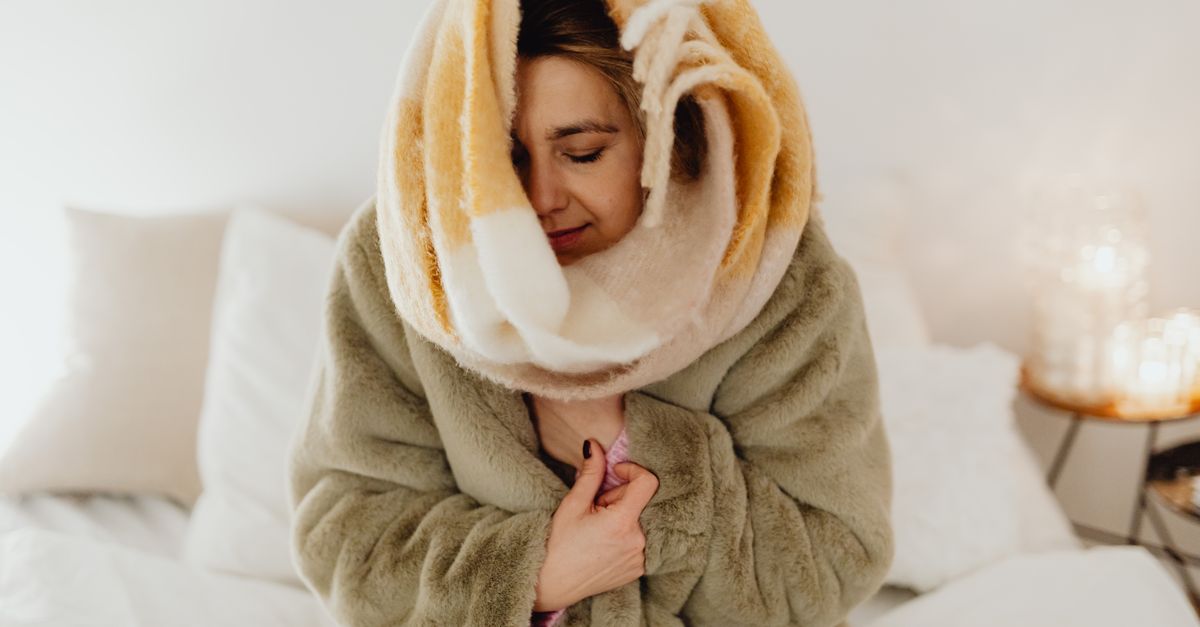
Experiencing a constant, pervasive sensation of feeling cold, even in temperate environments, is a common clinical complaint known as cold intolerance. While a temporary chill in a heavily air conditioned room is a normal physiological response, a relentless inability to stay warm points toward a disruption in the body’s internal heating mechanisms. The human body is an endothermic machine, designed to maintain a strict core temperature regardless of external conditions.
When an individual feels perpetually chilled, it indicates that either metabolic heat production has slowed down, or the vascular system is failing to distribute warm blood efficiently to the extremities. Investigating the root cause of chronic cold intolerance is vital, as it often serves as an early biological marker for underlying endocrine, vascular, or nutritional imbalances that require clinical correction.
2. Hypothalamic Regulation of Body Temperature
The control center for human thermoregulation resides deep within the brain in the hypothalamus. This neural structure functions as a highly sensitive biological thermostat. It continuously monitors the temperature of the blood flowing through it and receives sensory data from temperature receptors located in the skin.
If the hypothalamus detects a drop in core temperature, it initiates a series of physiological responses designed to generate and conserve heat. It commands the blood vessels in the skin to constrict, shivering mechanisms in the muscles to activate, and metabolic speed to increase. A defect in this central processing unit or the pathways it commands results in a chronic perception of cold.
3. The Role of Basal Metabolic Rate
Heat is a fundamental byproduct of cellular metabolism. Every biochemical reaction that occurs to keep the body alive generates thermal energy. The sum of these reactions is known as the basal metabolic rate. Individuals with a robust metabolic rate produce a significant amount of internal heat continually.
Conversely, individuals with a low basal metabolic rate generate less heat. A slowed metabolism can be the result of extreme caloric restriction, natural aging, or a lack of lean muscle mass. When the cellular engines operate sluggishly, the overall thermal output drops, leaving the individual feeling fundamentally chilled from the inside out.
4. Thyroid Function and Heat Production
The thyroid gland, located in the anterior neck, acts as the primary regulator of the basal metabolic rate. It secretes hormones that dictate how fast cells consume oxygen and convert nutrients into energy. Hypothyroidism, a condition characterized by an underactive thyroid gland, is one of the leading medical causes of chronic cold intolerance.
When circulating thyroid hormone levels fall below optimal thresholds, every cellular process in the body decelerates. This systemic metabolic slowing drastically reduces internal heat generation. Patients with hypothyroidism consistently report feeling freezing cold, accompanied by fatigue, dry skin, and unexplained weight gain. Correcting the hormone deficit rapidly restores thermal comfort.
5. Anemia and Oxygen Transport
Optimal heat production requires a continuous supply of oxygen to the tissues. Red blood cells utilize a protein called hemoglobin to transport oxygen from the lungs to the cellular mitochondria, where metabolic combustion occurs. Anemia is a clinical condition characterized by a deficiency in healthy red blood cells or functional hemoglobin.
Without adequate oxygen delivery, the cells cannot execute the metabolic processes required to generate heat. Furthermore, anemic individuals often have compromised peripheral circulation as the body prioritizes oxygen delivery to vital internal organs. This dual failure leads to a profound, constant chill, particularly noticeable in the hands and feet.
6. Peripheral Circulation and Vascular Health
The sensation of feeling cold often originates in the extremities. The body uses the peripheral vascular network to distribute core heat to the skin. If the blood vessels in the arms and legs are constricted or damaged, the warm central blood cannot reach the periphery effectively.
Conditions such as Raynaud’s phenomenon involve intense, episodic spasms of the small arteries supplying the fingers and toes in response to mild cold or stress. Peripheral artery disease, often related to atherosclerosis and smoking, physically narrows the vessels, chronically limiting warm blood flow. Compromised vascular health is a primary driver of localized cold intolerance.
7. The Impact of Body Composition and Adipose Tissue
Adipose tissue, commonly known as body fat, serves as a vital insulating layer for the human organism. This subcutaneous fat prevents metabolic heat from radiating away into the environment. Individuals with a very low body fat percentage lack this protective insulation.
Consequently, lean individuals lose core heat much more rapidly than those with higher body mass. The hypothalamus must work considerably harder to maintain the core temperature, frequently initiating shivering and vasoconstriction. A low body mass index is a straightforward structural reason for feeling perpetually cold in standard environments.
8. Nutritional Deficiencies and Thermogenesis
Generating heat requires specific raw materials derived from the diet. Iron is critical for hemoglobin synthesis and oxygen transport. Vitamin B12 and folate are necessary for nerve function and red blood cell production. Deficiencies in these micronutrients inevitably compromise the body’s thermal regulation systems.
Additionally, severe caloric restriction or chronic malnutrition signals the hypothalamus that energy resources are scarce. The brain responds by entering a conservation mode, intentionally slowing the metabolic rate to preserve life. This deliberate suppression of thermogenesis ensures the individual will feel intensely cold until adequate nutrition is restored.
9. Hormonal Fluctuations and Estrogen Levels
The endocrine system plays a subtle but continuous role in vascular tone. Estrogen promotes vasodilation, helping to maintain robust blood flow to the extremities. During menopause, estrogen levels plummet significantly.
While this drop is famous for causing hot flashes due to sudden vascular instability, the overall long term reduction in estrogen often leaves women feeling generally colder than they did in their reproductive years. The altered hormonal environment reduces baseline peripheral blood flow, increasing subjective sensitivity to cool ambient temperatures.
10. Autonomic Nervous System Dysregulation
The autonomic nervous system controls the involuntary contraction and dilation of blood vessels. In certain neuropathic conditions, particularly those associated with chronic diabetes, these nerves sustain physical damage.
When the autonomic nerves fail to transmit signals accurately, the blood vessels may remain inappropriately constricted, denying the extremities warm blood. This dysautonomia disrupts the delicate balance required for thermoregulation, causing a constant sensation of cold that cannot be alleviated by simply adding more layers of clothing.
11. Sedentary Lifestyle and Heat Generation
Skeletal muscle constitutes a large percentage of body mass and is a major source of internal heat generation. Engaging in physical activity forces muscles to burn fuel, rapidly raising the core temperature.
Individuals who lead highly sedentary lifestyles possess lower muscle mass and engage in less physical movement throughout the day. This lack of kinetic energy translates directly into a lower baseline body temperature. Incorporating routine physical activity is a highly effective, natural method for increasing systemic thermogenesis and combating chronic chill.
12. Differentiating Normal Chill from Endocrine Pathology
Evaluating the context of cold intolerance directs appropriate clinical management.
| Factor | Physiological Cold Sensitivity | Pathological Cold Intolerance |
|---|---|---|
| Body Type | Very low body mass index | Normal or high body mass index |
| Associated Symptoms | None, otherwise healthy | Hair loss, severe fatigue, pale skin |
| Relief Methods | Resolved with a sweater or hot drink | Unrelenting despite multiple layers |
| Extremity Color | Normal skin tone | Fingers turn stark white or blue |
Recognizing these clinical distinctions helps differentiate between structural leanness and a failing metabolic system.
13. Medication Side Effects Altering Temperature
Numerous pharmaceutical agents influence cardiovascular dynamics and metabolic rate. Beta blockers, commonly prescribed to manage high blood pressure, reduce the heart rate and deliberately decrease the force of cardiac contractions. This diminishes the volume of warm blood pumped to the extremities.
Patients initiating beta blocker therapy frequently report a new onset of cold hands and feet as a direct pharmacological side effect. Reviewing current medication lists with a healthcare provider is essential to determine if the cold intolerance is chemically induced rather than biologically generated.
14. Strategies to Improve Systemic Thermoregulation
Combating persistent cold requires a comprehensive approach. Increasing dietary protein intake stimulates diet induced thermogenesis, as the body expends significant energy to digest amino acids. Engaging in progressive resistance training builds muscle mass, permanently raising the basal metabolic rate and internal heat production.
Consuming iron rich foods or supplements, if a deficiency is confirmed, restores oxygen carrying capacity. Wearing layered, insulating clothing traps body heat close to the skin, while avoiding nicotine preserves peripheral vascular dilation. These proactive lifestyle adjustments significantly improve subjective thermal comfort.
15. When to Request Clinical Endocrine Assessment
If chronic cold intolerance severely impacts quality of life or arises suddenly in an individual who previously enjoyed normal thermal regulation, a medical evaluation is warranted. When this symptom is accompanied by crushing lethargy similar to chronic fatigue, joint pain, or noticeable changes in bowel habits, it strongly suggests a systemic disorder.
A physician will perform comprehensive blood tests, specifically focusing on complete blood counts, ferritin levels, and a full thyroid panel. Prompt diagnosis and targeted medical therapy can resolve the underlying deficit, allowing the body to resume normal heat production and restoring a comfortable physiological baseline.
16. Frequently Asked Questions FAQ
1. Why are my hands and feet always colder than the rest of my body?
The body prioritizes keeping the core vital organs warm. When the ambient temperature drops, the nervous system constricts the blood vessels in the extremities to conserve central heat, which naturally makes hands and feet feel much colder.
2. Can lack of sleep make me feel colder?
Yes. Sleep deprivation disrupts the hypothalamic regulation of the autonomic nervous system and slows down your resting metabolic rate. This dual disruption impairs heat generation and distribution, making you feel significantly colder after a poor night of rest.
3. Does drinking water help regulate body temperature?
Yes. Adequate hydration ensures optimal blood volume, which allows the cardiovascular system to efficiently transport heat from the core to the skin. Severe dehydration compromises this fluid dynamic, interfering with normal thermoregulation.
4. Is feeling cold all the time a normal part of aging?
As we age, the basal metabolic rate naturally slows down, and the skin thins, reducing insulation. While a slight increase in cold sensitivity is normal, an extreme, constant chill should still be evaluated for underlying thyroid or vascular issues.
5. Can stress cause you to feel constantly cold?
Yes. Chronic anxiety and stress keep the sympathetic nervous system activated. This fight or flight response continually shunts blood away from the skin and extremities toward the muscles, leaving you with a persistent, cold, clammy sensation.
Bibliography
Disclaimer: The content is for informational purposes only and does not replace medical advice. Always consult your doctor for personalized treatment.