
1. Introduction to the Companion Living Model
In the landscape of modern healthcare and social structures, many individuals share a residence primarily to provide companionship, safety, or informal care to a vulnerable co-resident. This arrangement, clinically recognized as the companion or informal caregiver model, fundamentally shapes the biological and psychological health profile of the individual providing the support. While often driven by deep familial bonds, empathy, or economic necessity, assuming this role initiates a complex cascade of physiological stressors.
Medical science recognizes that the health of the companion is intrinsically linked to the health of the primary patient. The daily requirements of monitoring another adult, managing household safety, and providing emotional or physical support exact a measurable biological toll. Physicians increasingly view the companion not just as an extension of the medical team, but as a distinct patient who is highly susceptible to specific, chronic health vulnerabilities directly related to their living arrangement.
Understanding the specific medical risks associated with the companion role is essential for preventing the physical and psychological burnout commonly termed “caregiver syndrome.” By proactively analyzing the physiological impacts of chronic vigilance, disrupted sleep, and physical strain, medical professionals can implement targeted interventions to preserve the health, resilience, and longevity of the companion.
2. The Physiology of Chronic Vigilance
Residing as a companion to an individual with complex medical needs or cognitive impairment requires a state of perpetual environmental awareness. The brain is constantly analyzing the environment for potential threats to the co-resident, listening for changes in breathing, signs of a fall, or indicators of confusion. This psychological state translates directly into a physiological condition known as chronic hyper-vigilance.
Chronic vigilance keeps the sympathetic nervous system in a low-grade, constant state of activation. This autonomic arousal triggers the continuous release of stress hormones, primarily cortisol and adrenaline, from the adrenal glands. While highly effective in short bursts for acute emergencies, the chronic elevation of these neuroendocrine markers is deeply toxic to the body’s long-term health.
The persistent circulation of these stress hormones leads to sustained systemic vasoconstriction, elevating the resting blood pressure and placing continuous mechanical stress on the cardiovascular endothelium. This physiological state significantly increases the companion’s risk for developing primary hypertension, accelerating atherosclerosis, and suffering acute cardiovascular events independent of their traditional risk factors.
3. Disruption of Sleep Architecture
One of the most severe biological consequences of living as a companion is the profound disruption of normal sleep architecture. Companions frequently experience sleep fragmentation due to the necessity of providing nighttime care, managing a co-resident’s nocturnal wandering (common in dementia), or simply maintaining a subconscious “listening” state for potential emergencies.
The inability to achieve uninterrupted, consolidated sleep prevents the companion from entering the deep, restorative stages of slow-wave sleep and Rapid Eye Movement (REM) sleep. This chronic sleep deprivation impairs the body’s ability to regulate glucose metabolism, leading to a state of profound insulin resistance and an increased risk of developing type 2 diabetes.
Furthermore, disrupted sleep architecture severely impairs the glymphatic system, the brain’s mechanism for clearing neurotoxic waste products during sleep. The resulting accumulation of metabolic waste in the cerebral cortex leads to impaired executive function, memory deficits, and a significantly higher risk of developing cognitive decline and mood disorders in the companion.
4. Caregiver Syndrome and Psychological Burnout
The relentless demands of the companion role frequently precipitate a specific clinical condition known as caregiver syndrome. This syndrome is a state of profound physical, emotional, and mental exhaustion resulting from the chronic stress of managing another person’s health and well-being. It is characterized by severe psychological burnout, clinical depression, and profound generalized anxiety.
Companions often experience a complex array of emotions, including intense guilt when they take time for themselves, anticipatory grief regarding the co-resident’s declining health, and profound isolation as their own social networks diminish due to caregiving constraints. This emotional burden manifests in somatic symptoms, such as chronic headaches, severe gastrointestinal distress, and widespread musculoskeletal pain.
Medical professionals must actively screen companions for signs of caregiver syndrome using standardized psychological assessments. Identifying this severe burnout is critical, as a psychologically compromised companion is at a high risk for unintentional neglect, medication errors, and a complete collapse of their own physical health, which ultimately jeopardizes the safety of the primary patient.
5. Musculoskeletal Strain and Physical Injuries
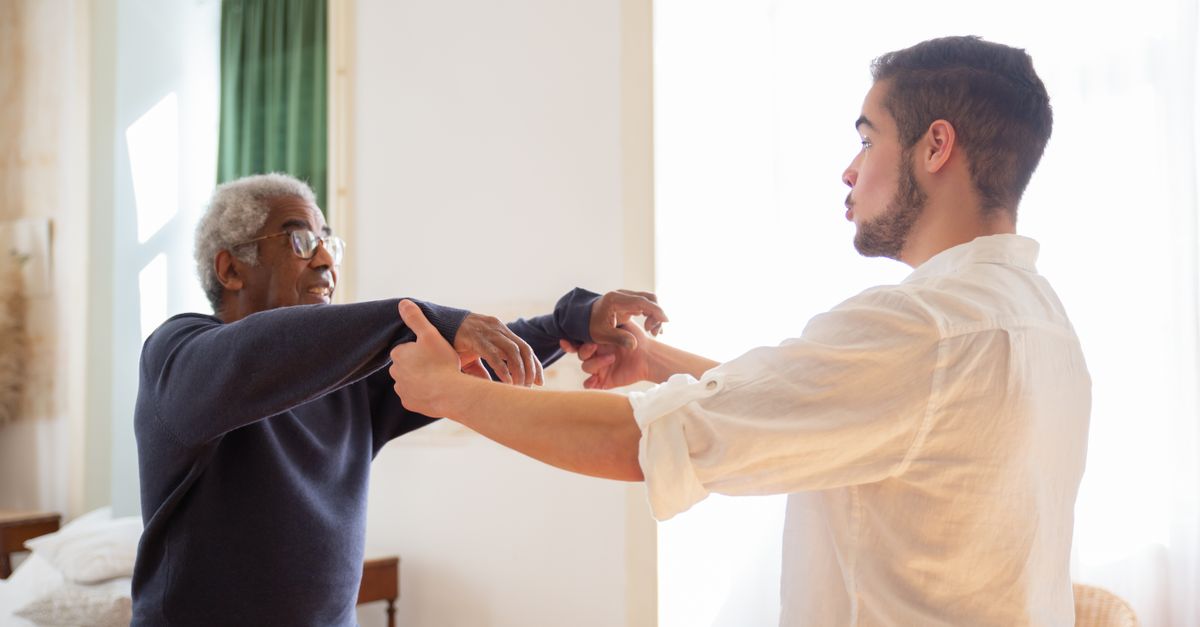
Providing physical assistance to a co-resident introduces significant biomechanical hazards. Companions are frequently required to perform complex physical maneuvers, such as assisting with transfers from a bed to a wheelchair, providing support during ambulation, or aiding in bathing and dressing. These actions place immense, repetitive stress on the musculoskeletal system.
The lumbar spine, the shoulders, and the knees are particularly vulnerable. Attempting to bear the weight of another adult without proper ergonomic training frequently results in acute lumbar disc herniations, severe muscle strains, and rotator cuff tears. These injuries can instantly incapacitate the companion, rendering them unable to provide further care and requiring intensive medical intervention for their own rehabilitation.
To mitigate this severe risk, occupational and physical therapists must instruct the companion in safe body mechanics and transfer techniques. Furthermore, the clinical team must prescribe and ensure the proper use of assistive mechanical devices, such as Hoyer lifts or specialized transfer boards, to completely remove the mechanical burden from the companion’s skeletal structure.
6. Immunological Suppression
The chronic physiological stress and sleep deprivation inherent in the companion role exert a profound, suppressive effect on the immune system. Elevated cortisol levels directly inhibit the production and efficacy of lymphocytes, the white blood cells responsible for identifying and neutralizing viral and bacterial pathogens.
Clinical studies demonstrate that individuals experiencing severe caregiver stress exhibit a slower, blunted antibody response to standard vaccinations, such as the influenza or pneumococcal vaccines, compared to non-caregiving adults of the same age. They also experience a higher frequency of prolonged viral upper respiratory infections and a reactivation of latent viruses, such as the varicella-zoster virus (shingles).
Maintaining the immunological health of the companion is a clinical priority. Physicians recommend rigorous adherence to vaccination schedules, aggressive management of underlying chronic conditions, and the implementation of stress-reduction techniques to preserve the functional integrity of the companion’s immune defense mechanisms.
7. Neglect of Preventative Healthcare
A highly documented clinical phenomenon among live-in companions is the systematic neglect of their own preventative healthcare and chronic disease management. The companion frequently prioritizes the medical needs, appointments, and pharmaceutical regimens of the co-resident, leading to a dangerous delay in addressing their own health concerns.
Companions routinely skip their own routine screenings, such as mammograms, colonoscopies, or routine dental care. Furthermore, if they develop new, concerning symptoms—such as a suspicious skin lesion or mild exertional chest pain—they often dismiss or suppress the symptoms to avoid disrupting the care dynamic of the household.
This delay in seeking medical evaluation frequently results in late-stage diagnoses of malignancies or advanced cardiovascular disease. Healthcare providers must explicitly question companions about their own health maintenance during the co-resident’s appointments, actively encouraging and facilitating the companion’s access to preventative medical care.
8. The Protective Biological Effects of Companionship
It is vital to acknowledge that living as a companion is not exclusively detrimental to health; under the right circumstances, it provides significant protective biological benefits. Strong, positive social connections and a defined sense of purpose are powerful modulators of physiological health, directly counteracting the negative impacts of social isolation.
Providing compassionate care and sharing a living space stimulates the release of oxytocin, a neuropeptide associated with social bonding and stress reduction. Oxytocin possesses potent anti-inflammatory properties, promotes cardiovascular healing by enhancing endothelial function, and directly lowers resting cortisol levels, effectively buffering the systemic stress response.
Furthermore, the shared living arrangement often necessitates the maintenance of a structured daily routine, promoting regular meal times, cognitive engagement, and shared physical activities. This routine helps synchronize the circadian rhythms of both individuals, supporting better metabolic regulation and overall physiological stability when caregiver stress is adequately managed.
9. Strategies for Respite and Recovery
The absolute medical antidote to caregiver syndrome and the physiological decay associated with the companion role is the mandatory implementation of respite care. Respite care refers to the planned, temporary transfer of caregiving responsibilities to another individual or a professional service, allowing the primary companion to rest and recover.
Respite is not a luxury; it is a fundamental clinical requirement for the preservation of the companion’s biological health. During these periods, the companion must disengage completely from the vigilant state, allowing their sympathetic nervous system to downregulate, their cortisol levels to normalize, and their sleep architecture to reset.
Physicians and social workers collaborate to arrange formal respite care, which may involve specialized adult day centers, temporary in-home professional nursing, or short-term residential stays for the co-resident. Ensuring the companion utilizes this time for their own medical appointments, physical rest, and psychological recovery is crucial for the sustainability of the living arrangement.
10. Managing Cognitive and Behavioral Challenges
When a companion resides with an individual suffering from advanced dementia or severe neurocognitive disorders, the psychological and physical strain is magnified exponentially. Managing the behavioral and psychological symptoms of dementia (BPSD), such as severe agitation, physical aggression, paranoia, and continuous nocturnal wandering, is profoundly traumatizing for the companion.
The constant exposure to a co-resident’s altered reality and unpredictable behavior leads to severe emotional exhaustion and acute psychological distress. The companion often operates in a state of continuous crisis management, attempting to de-escalate volatile situations while maintaining the physical safety of the environment.
Clinical intervention requires a multidisciplinary approach. Neurologists and geriatric psychiatrists must optimize the pharmacological management of the co-resident’s behavioral symptoms to reduce the volatility of the environment. Concurrently, the companion must receive specialized education on dementia communication techniques and crisis de-escalation to reduce the psychological trauma of daily interactions.
11. Nutritional Impacts on the Companion
The dietary habits of the companion are heavily influenced by the nutritional requirements and eating behaviors of the co-resident. If the co-resident requires a highly specific, restrictive diet (e.g., pureed foods for dysphagia, or severely sodium-restricted meals), the companion frequently adopts the same diet out of convenience, leading to potential micronutrient deficiencies.
Conversely, the stress and time constraints of the caregiving role often lead to a reliance on fast, highly processed foods, precipitating weight gain, hyperlipidemia, and metabolic syndrome in the companion. The physical exhaustion also diminishes the companion’s motivation to prepare separate, nutritionally balanced meals for themselves.
Nutritional counseling should be directed not only at the primary patient but also at the companion. Dietitians provide strategies for efficient, bulk meal preparation and emphasize the companion’s need for adequate protein and complex carbohydrates to sustain the high physical energy demands of their caregiving role.
12. Establishing Boundaries and Professional Support
The sustainability of the companion living model relies entirely on the establishment of strict physical and psychological boundaries. The companion must delineate specific times when they are “off duty,” allowing them to engage in personal hobbies, maintain external social relationships, and prioritize their own physical fitness.
| Companion Risk Factor | Protective Clinical Intervention |
|---|---|
| Chronic Sleep Deprivation | Hiring overnight professional aides for nocturnal monitoring |
| Severe Musculoskeletal Strain | Occupational therapy training and mechanical transfer lifts |
| Psychological Burnout / Depression | Mandatory respite care and cognitive behavioral therapy |
| Neglect of Preventative Care | Integrating companion health checks into the co-resident’s medical visits |
13. The Transition of Care
The companion must understand that their ability to provide safe care has objective, biological limits. As the co-resident’s disease progresses, or as the companion experiences their own age-related physical decline, the living arrangement will inevitably require modification. Acknowledging this reality is a vital aspect of long-term health planning.
The clinical team must facilitate ongoing discussions regarding the ultimate transition of care to a skilled nursing facility or an intensive memory care unit. This transition should occur before the companion suffers a catastrophic physical injury or a complete psychological collapse. Planning the transition proactively preserves the dignity of the co-resident and the long-term health of the companion.
14. Frequently Asked Questions (FAQ)
1. What is “caregiver syndrome”?
Caregiver syndrome is a recognized clinical condition characterized by profound physical exhaustion, severe psychological stress, and clinical depression resulting from the chronic, unmanaged burden of providing continuous care to a vulnerable co-resident.
2. Why do companions often experience high blood pressure?
The constant state of vigilance and psychological stress causes the body to continuously release stress hormones like cortisol and adrenaline. These hormones cause the blood vessels to constrict, resulting in chronic, elevated blood pressure over time.
3. How can I protect my back while helping someone out of bed?
Never attempt to lift another adult using only your own physical strength. You must consult a physical or occupational therapist to learn safe biomechanical transfer techniques, and utilize mechanical devices, like transfer boards or Hoyer lifts, prescribed by your doctor.
4. Is it normal to feel angry or resentful as a live-in companion?
Yes, these feelings are highly common and are a direct psychological symptom of severe emotional burnout and sleep deprivation. It indicates a critical medical need for immediate respite care, allowing you to rest and recover away from the caregiving environment.
5. Why is my doctor asking about my health when I am there for my spouse?
Medical professionals recognize that if your physical or psychological health collapses, the primary patient will be entirely without support. Ensuring that you are attending to your own preventative care and managing your stress is critical to the survival of both individuals.
15. Bibliography
Disclaimer: The content is for informational purposes only and does not replace medical advice. Always consult your doctor for personalized treatment.


