
1. Introduction to Residential Care Facilities
Transitioning to a residential care home represents a profound shift in an individual’s medical and environmental landscape. Clinically distinct from highly medicalized skilled nursing facilities, residential homes—often referred to as assisted living facilities—are designed to provide varying levels of support for activities of daily living while maximizing the resident’s remaining autonomy. These environments cater primarily to geriatric populations experiencing physical frailty, mild to moderate cognitive impairment, or a decline in instrumental functioning that renders solitary living hazardous.
From a medical perspective, the residential home functions as an intermediate therapeutic environment. The presence of trained staff, structurally adapted architecture, and scheduled routines provides a vital safety net that prevents catastrophic injuries like unobserved falls or severe medication errors. However, congregate living also introduces specific epidemiological risks, particularly the rapid transmission of infectious diseases and the psychological stress associated with a loss of absolute independence.
Providing optimal healthcare in this setting requires a multidisciplinary approach. Primary care physicians, geriatric psychiatrists, and physical therapists must collaborate closely with the facility’s nursing staff to monitor subtle changes in the resident’s physiological baseline. The clinical goal is to manage chronic diseases proactively, prevent acute hospital readmissions, and preserve the highest possible quality of life within the structured environment.
2. Transition Stress and Relocation Trauma
The initial admission to a residential home is frequently accompanied by a severe psychological and physiological phenomenon known as relocation stress syndrome or transfer trauma. Leaving a familiar home, downsizing personal possessions, and navigating a complex new social hierarchy generates immense cognitive overload and acute anxiety for the incoming resident.
The biological response to this psychological trauma is the rapid elevation of serum cortisol and catecholamines. This neuroendocrine surge can temporarily destabilize pre-existing chronic conditions. Physicians frequently observe transient spikes in blood pressure, erratic glycemic control in diabetic patients, and a sharp increase in episodes of delirium or severe confusion during the first several weeks of residency.
Medical management of transition stress requires proactive empathy and structural support. The clinical team must avoid immediately prescribing sedative medications for transition-related anxiety, as these drugs drastically increase fall risks. Instead, interventions focus on maintaining familiar routines, encouraging frequent family visits, and utilizing social workers to facilitate a gradual, supported integration into the facility’s community.
3. Infection Control in Congregate Living
The epidemiological reality of a residential home is defined by high-density, congregate living. Residents share dining halls, recreation rooms, and often transport vehicles, creating an environment highly conducive to the rapid transmission of communicable pathogens. The advanced age of the population means that the collective immune system is subject to immunosenescence—the natural decline of immune function—making the residents exceptionally vulnerable.
Respiratory viruses, particularly influenza, respiratory syncytial virus, and coronaviruses, are the most lethal threats in this environment. An outbreak can sweep through a facility within days, causing severe lower respiratory tract infections and high mortality rates. Similarly, gastrointestinal pathogens like norovirus spread aggressively through shared surfaces, causing profound dehydration that aging kidneys often cannot tolerate.
Preventative medicine relies on rigid infection control protocols. Medical directors mandate high vaccination coverage for both residents and staff. Furthermore, environmental sanitization, strict hand hygiene, and the immediate isolation of symptomatic residents in their private rooms are critical clinical interventions required to halt the chain of transmission and protect the facility’s population.
4. Fall Prevention and Environmental Ergonomics
Mechanical falls are the leading cause of fatal and non-fatal injuries among older adults. In a residential home, preventing falls is a paramount clinical objective. The architecture of the facility is specifically engineered to mitigate this risk. Wide, unobstructed corridors, industrial-grade non-slip flooring, and continuous handrails provide essential biomechanical support for residents with compromised gait or balance.
However, environmental modifications alone are insufficient. The clinical team must continuously assess the intrinsic risk factors of each resident. Visual impairment, peripheral neuropathy, and sarcopenia significantly alter proprioception and reaction times. Furthermore, nocturnal trips to the bathroom remain a high-risk activity; facilities often utilize motion-sensor lighting and ultra-low profiling beds to minimize the distance to the floor.
Following any fall, a rigorous medical evaluation is mandatory. The physician must determine if the event was a simple mechanical trip or a symptom of an underlying acute pathology, such as a silent cardiac arrhythmia, a severe urinary tract infection causing sudden weakness, or an acute cerebrovascular event.
5. Medication Management and Polypharmacy
Residents in care homes typically suffer from multiple chronic comorbidities, necessitating complex pharmaceutical regimens. This polypharmacy introduces a severe risk of adverse drug reactions, accidental overdoses, and dangerous drug-drug interactions. The centralized management of medications by the facility’s nursing staff is a primary medical benefit of residential living.
Trained personnel ensure that medications are administered at the correct times and in the precise dosages prescribed. This removes the cognitive burden of pill sorting from the resident and entirely eliminates the risk of accidental double-dosing due to memory lapses. The staff also observes the resident for immediate adverse side effects, such as sudden dizziness after a new antihypertensive medication is introduced.
Physicians responsible for the residents must perform regular, rigorous medication reconciliations. The clinical goal is de-prescribing—systematically discontinuing medications that no longer offer a clear biological benefit or whose side effect profiles (such as excessive sedation or orthostatic hypotension) now outweigh their therapeutic value in an aging patient.
6. Cognitive Stimulation and Dementia Care
A significant proportion of residents in assisted living facilities possess some degree of neurocognitive impairment, ranging from mild cognitive decline to moderate Alzheimer’s disease. The environment must be tailored to support cognitive function and prevent the rapid acceleration of neurological decay.
Structured daily activities, reminiscence therapy, and music programs provide essential cognitive stimulation. Engaging the brain in varied, complex tasks helps maintain synaptic plasticity and builds cognitive reserve. Without this continuous environmental stimulation, residents with dementia frequently experience rapid cognitive atrophy and an increase in behavioral symptoms like severe agitation and apathy.
For residents with wandering tendencies, the facility provides a secure perimeter that ensures physical safety without requiring the use of physical or chemical restraints. The clinical management of dementia in this setting prioritizes non-pharmacological interventions, training staff to use redirection and validation therapy to soothe distressed residents rather than relying immediately on heavy antipsychotic medications.
7. Nutritional Monitoring and Malnutrition Prevention
Adequate nutrition is notoriously difficult to maintain in the geriatric population. Diminished taste and smell, poor dentition, and the side effects of medications frequently suppress the appetite. In a solitary living arrangement, this quickly leads to severe malnutrition and physical wasting. The residential home environment actively combats this clinical decline.
Shared dining rooms provide a crucial social stimulus that encourages eating. Furthermore, the facility’s dietary staff carefully monitors the daily caloric and fluid intake of each resident. If a resident exhibits unintended weight loss, the clinical team immediately intervenes, assessing for swallowing difficulties (dysphagia) or underlying occult malignancies.
Dietitians customize menus to accommodate specific medical requirements, such as sodium-restricted diets for heart failure patients or mechanically altered (pureed) foods for those with severe dysphagia. This rigorous nutritional oversight is vital for preserving muscle mass, maintaining skin integrity, and supporting robust immune function.
8. Sleep Architecture in Shared Environments
Maintaining healthy sleep architecture is challenging in congregate settings. Aging naturally alters sleep patterns, decreasing the duration of deep, restorative slow-wave sleep. In a residential home, environmental factors such as nighttime nursing rounds, the noise of adjacent residents, and ambient institutional lighting further fracture the sleep cycle.
Chronic sleep deprivation in this population exacerbates cognitive confusion, impairs balance, and increases the sensitivity to physical pain. It also severely impacts metabolic regulation and immune function. Treating sleep disruption is therefore a high clinical priority.
Medical interventions focus heavily on sleep hygiene rather than hypnotic medications, which carry a severe risk of causing morning sedation and subsequent falls. Interventions include maximizing daytime exposure to natural sunlight to regulate the circadian rhythm, minimizing evening fluid intake to reduce nocturia, and ensuring the resident’s bedroom is optimally dark and quiet during the night.
9. Psychological Health and Depressive Disorders
Major depressive disorder is highly prevalent in residential care settings, often driven by the loss of independence, chronic physical pain, and the bereavement associated with the loss of spouses or peers. Depression in older adults frequently presents atypically, manifesting as profound lethargy, a refusal to eat, or a sudden, severe decline in cognitive function known as pseudodementia.
The nursing staff serves as the primary observers for these subtle psychological shifts. If a resident begins withdrawing from communal activities or isolating in their room, an immediate psychiatric evaluation is warranted. Left untreated, clinical depression significantly accelerates physical decline and increases overall mortality.
Treatment requires a comprehensive approach. While targeted pharmacological therapy with modern antidepressants is often necessary, psychosocial interventions are equally critical. Integrating the resident into specific social groups, facilitating visits from therapy animals, and arranging continuous psychological counseling are vital strategies for restoring their emotional well-being.
10. Skin Integrity and Wound Prevention
The aging integumentary system is thin, friable, and lacks robust vascularity, making skin breakdown a constant clinical threat. For residents with limited mobility or those who use wheelchairs for extended periods, the sustained pressure on bony prominences (such as the sacrum or the heels) restricts capillary blood flow, rapidly leading to severe pressure ulcers.
Preventing tissue necrosis requires meticulous daily care. The nursing staff ensures that residents are regularly repositioned and that incontinence is managed immediately to prevent moisture-associated skin damage. Furthermore, specialized pressure-relieving mattresses and wheelchair cushions are utilized to distribute mechanical force evenly across the body.
If a wound does develop, aggressive clinical management is required to prevent deep tissue infection and systemic sepsis. The facility’s medical team employs advanced wound care protocols, utilizing specialized dressings and optimizing the resident’s nutritional protein intake to provide the building blocks necessary for tissue regeneration.
11. Cardiovascular Monitoring and Chronic Disease
Residential homes are equipped to manage the continuous demands of severe chronic diseases. For residents with congestive heart failure, daily monitoring of weight and peripheral edema allows the clinical team to detect microscopic fluid retention before it causes catastrophic pulmonary congestion.
Similarly, diabetic residents receive precise, scheduled blood glucose monitoring and insulin administration, preventing the dangerous extremes of diabetic ketoacidosis or profound hypoglycemic coma. This proactive, daily surveillance is the primary mechanism by which the facility prevents frequent, traumatic hospital admissions.
The primary care physician acts as the central coordinator, adjusting pharmacological therapies based on the continuous data stream provided by the facility’s nursing staff. This intense, continuous chronic disease management is impossible to replicate in an unsupported, solitary living environment.
12. The Importance of Routine Physical Therapy
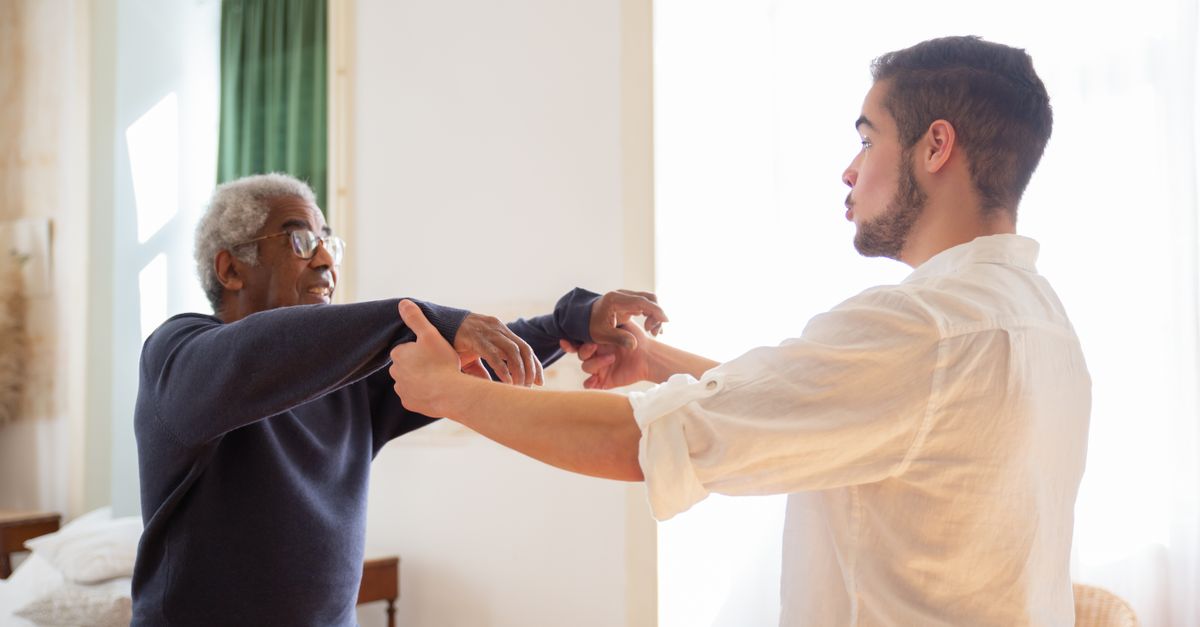
Preserving the resident’s remaining physical function is a core objective of residential care. The progressive loss of muscle mass and joint mobility leads directly to a total loss of independence and severe physical pain. Routine physical therapy is therefore a mandatory medical intervention in these facilities.
Physical therapists design individualized exercise programs focused on strengthening the lower extremities, improving core stability, and maintaining the range of motion in osteoarthritic joints. Group exercise classes provide essential cardiovascular conditioning while simultaneously offering a valuable social activity.
This continuous physical rehabilitation prevents severe joint contractures and ensures that the resident maintains the physical capacity to perform basic transfers safely, such as moving from a bed to a chair, which is vital for preserving their dignity and basic autonomy.
13. Summary of Risks and Interventions in Residential Care
The medical management of a residential home involves anticipating specific geriatric risks and applying structural solutions.
| Geriatric Risk Factor | Facility Clinical Intervention |
|---|---|
| Severe Polypharmacy / Errors | Centralized administration and routine de-prescribing |
| Mechanical Fall Trauma | Non-slip flooring, handrails, and nocturnal monitoring |
| Malnutrition / Dehydration | Dietitian-customized meals and monitored daily fluid intake |
| Rapid Infectious Transmission | Mandatory immunizations and immediate symptomatic isolation |
14. End-of-Life and Palliative Care Integration
As chronic diseases progress naturally toward their terminal phases, the residential home frequently becomes the site for end-of-life care. Modern facilities integrate specialized palliative and hospice care teams directly into the resident’s familiar environment, avoiding the trauma of transferring a dying patient to a sterile, acute-care hospital.
Palliative medicine focuses entirely on aggressive symptom management, prioritizing the absolute relief of physical pain, severe respiratory distress, and terminal anxiety. The clinical team works closely with the resident and their family to ensure that all advanced directives are honored and that the passing occurs with the utmost dignity.
Providing this level of terminal care requires specialized training for the facility’s staff, ensuring they can provide not only the necessary pharmacological support but also the profound psychological and spiritual comfort required by the resident and their grieving family during the final stages of life.
15. Frequently Asked Questions (FAQ)
1. What is the difference between a residential care home and a nursing home?
Residential care homes (assisted living) provide help with daily tasks like bathing and medication management for people who are mostly stable. Nursing homes provide 24-hour, intense, skilled medical care for patients with severe, unstable medical conditions or those requiring total physical assistance.
2. How do care homes prevent dangerous medication mistakes?
Trained staff members take complete control of the medications. They store them securely, administer the exact dose at the precise time required, and physically watch the resident swallow the pill, eliminating the risk of forgotten or doubled doses.
3. Why do people often get confused when they first move into a care facility?
This is known as relocation stress. Moving causes a massive spike in stress hormones, which can temporarily disrupt brain function and worsen memory in older adults. It usually resolves as the resident establishes a new, predictable routine.
4. How does the facility manage the risk of infectious diseases like the flu?
Because infections spread quickly in shared spaces, facilities require strict handwashing, mandate annual flu and pneumonia vaccines for residents and staff, and immediately confine any sick resident to their room to prevent the virus from spreading through the dining halls.
5. Is physical therapy provided in a residential home?
Yes, maintaining physical strength is a medical priority. Most facilities employ physical therapists to provide targeted exercises that improve balance, strengthen legs to prevent falls, and keep stiff joints moving to reduce chronic pain.
16. Bibliography
Disclaimer: The content is for informational purposes only and does not replace medical advice. Always consult your doctor for personalized treatment.
