1. Introduction to Visiting Warden Support
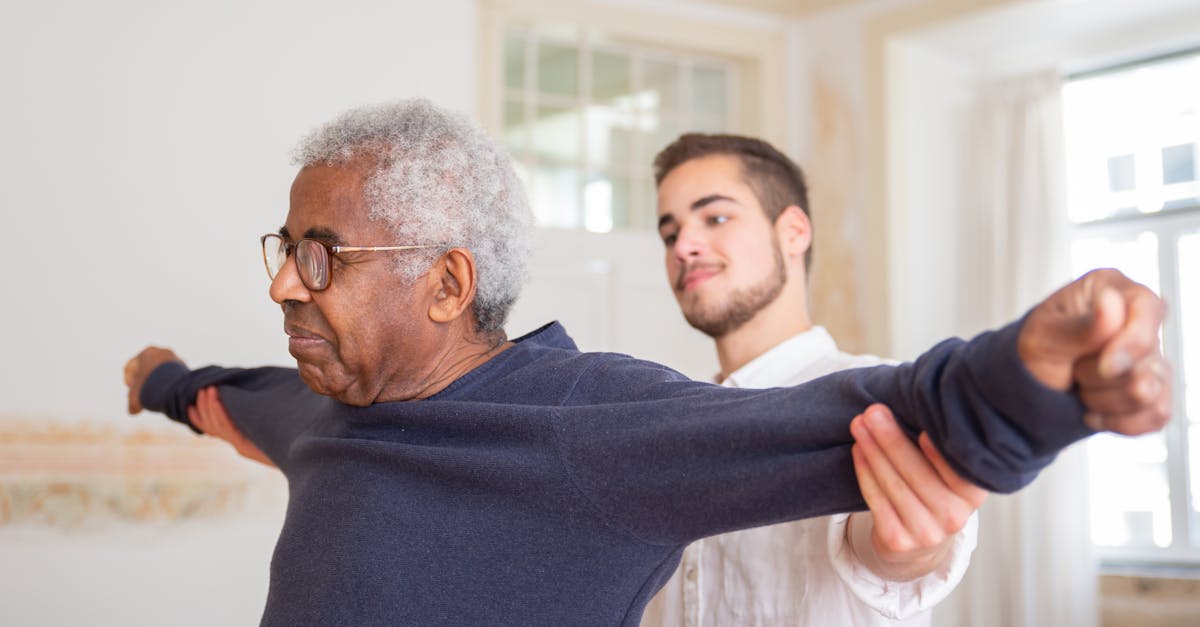
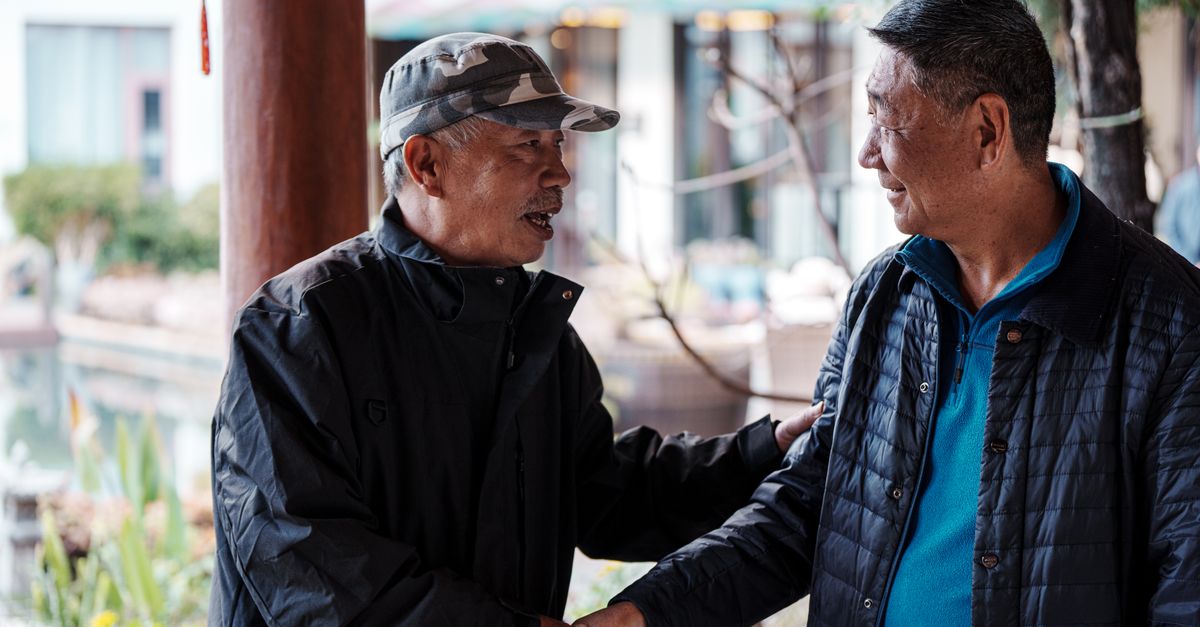
Living in sheltered or supported accommodation with a visiting warden represents a distinct model of community-based health and social care. Unlike a resident warden scheme where the professional lives on-site, a visiting warden (or scheme manager) attends the property on a scheduled basis—often daily or several times a week. This structure is specifically designed for individuals who maintain a substantial degree of independence and require only intermittent welfare checks to ensure their ongoing safety and physiological stability.
From a clinical standpoint, this model is an exercise in carefully balancing patient autonomy with environmental security. The residents in these settings typically manage their own daily activities, nutrition, and basic medication regimens. The visiting warden serves as an external, objective observer who periodically assesses the resident’s physical condition and the safety of their domestic environment.
Medical professionals view this intermittent support as a crucial preventative mechanism. The visiting warden bridges the gap between formal outpatient medical appointments, providing a consistent point of contact that can identify slow, progressive declines in health before they culminate in acute medical crises.
2. Balancing Autonomy with Clinical Safety
The core biological benefit of the visiting warden model is the profound preservation of executive function and physical autonomy. When an individual is required to manage their own environment for the majority of the week, they must utilize complex motor skills, maintain physical endurance, and engage in continuous cognitive problem-solving. This active engagement is a primary defense against the rapid deconditioning often seen in heavily institutionalized settings.
However, this autonomy introduces inherent risks. Without 24-hour physical supervision, the resident is vulnerable to acute events, such as mechanical falls, sudden hypoglycemic episodes, or minor strokes, which may occur when the warden is absent. The clinical safety of this model therefore relies heavily on the resident’s cognitive ability to recognize a medical emergency and utilize integrated telecare systems to summon immediate help.
Physicians must carefully evaluate a patient’s cognitive baseline before recommending this specific housing arrangement. The patient must possess the insight to understand their physical limitations and the memory retention necessary to operate emergency communication devices.
3. Scheduled Health Check-Ins and Triage
The scheduled visits by the warden function as informal, routine clinical triage sessions. During these visits, the warden engages the resident in conversation, observing their speech patterns, breathing rate, and general physical demeanor. This interaction allows the warden to detect subtle, early signs of physiological distress.
For example, if a resident with a history of congestive heart failure appears unusually breathless during a morning visit, or if a resident with diabetes seems confused and diaphoretic, the warden recognizes these as clinical red flags. The warden can immediately contact the resident’s primary care physician or community nursing team for a formal medical evaluation.
This periodic triage prevents the silent progression of chronic diseases. It ensures that minor infections, such as a localized cellulitis or an uncomplicated urinary tract infection, are identified and treated with oral antibiotics before they progress to systemic sepsis requiring emergency hospitalization.
4. The Role of Telecare Integration
Because the visiting warden is not present on the premises at all times, the safety of the resident depends absolutely on the integration of advanced telecare technology. This technology acts as the continuous sensory network for the accommodation, providing a digital safety net when human supervision is absent.
Residents are typically equipped with personal emergency response pendants or wristbands. In the event of sudden chest pain, profound dizziness, or a fall, the resident presses the button to connect immediately with a 24-hour emergency dispatch center. The dispatchers hold the resident’s complete medical history and can coordinate an immediate ambulance response.
Furthermore, many of these accommodations utilize passive environmental sensors. These sensors can detect a lack of movement in the apartment for an extended period, smoke, or extreme temperature drops, automatically alerting the monitoring center. This technological infrastructure is a mandatory clinical requirement for ensuring the biological safety of residents living with intermittent warden support.
5. Managing Chronic Diseases with Intermittent Support
Residents in visiting warden accommodations frequently live with multimorbidity—the presence of two or more chronic medical conditions. The management of these conditions requires consistent lifestyle adherence and pharmacological compliance. The visiting warden provides an essential layer of accountability and encouragement for the resident.
During their visits, the warden can inquire about the resident’s dietary intake, ensuring they are adhering to specific medical diets, such as fluid restrictions for renal disease or low-glycemic diets for diabetes. The warden can also check that the resident is attending their scheduled physical therapy or outpatient medical appointments.
If the resident reports increasing joint pain, visual disturbances, or profound fatigue, the warden can document these symptoms and assist the resident in scheduling a consultation with their physician. This continuous, low-level monitoring is vital for the long-term stabilization of chronic, degenerative diseases.
6. Recognizing Subtle Signs of Cognitive Decline
One of the most valuable clinical functions of the visiting warden is the longitudinal observation of the resident’s cognitive health. Because the warden sees the resident regularly, they are uniquely positioned to notice the insidious, gradual changes associated with early-stage dementia or mild cognitive impairment.
The warden may observe that the resident is repeatedly misplacing important documents, failing to maintain the hygiene of their apartment, or displaying uncharacteristic irritability or paranoia. These behavioral shifts are frequently the first clinical manifestations of neurological decline, occurring long before formal medical testing confirms a diagnosis.
Prompt identification of these signs allows the medical team to intervene early. The physician can rule out reversible causes of confusion, such as vitamin B12 deficiency or occult infections, and initiate appropriate pharmacological or environmental therapies to slow the progression of the cognitive decline.
7. Physical Mobility and Environmental Hazards
Maintaining physical mobility is essential for independent living, but it must be balanced against the risk of environmental trauma. The visiting warden regularly assesses the physical safety of the resident’s apartment, looking for hazards that could precipitate a mechanical fall.
The warden ensures that walkways are free of clutter, that adequate lighting is functioning, and that mobility aids, such as walkers or canes, are in good condition and being used correctly. If the warden notes that the resident is becoming increasingly unsteady on their feet, they can request a formal evaluation by an occupational therapist.
The occupational therapist may then recommend structural modifications to the apartment, such as installing additional grab bars or removing tripping hazards. This continuous cycle of observation and environmental modification is critical for preventing catastrophic orthopedic injuries, such as femoral neck fractures, which carry a high mortality rate in older adults.
8. Medication Adherence and Polypharmacy Risks
The accurate administration of multiple medications is a complex cognitive task. While the visiting warden does not dispense medications, their scheduled visits provide an opportunity to monitor the resident’s adherence to their pharmacological regimen.
The warden can visually check if the daily compartments of a pill organizer have been emptied or if empty medication bottles are accumulating. If the warden discovers that a resident is consistently missing doses of crucial medications, such as beta-blockers or oral anticoagulants, they must immediately alert the medical team.
Medication non-adherence is a primary driver of acute medical crises in this population. The warden’s intermittent oversight helps identify when a resident’s cognitive or physical limitations have compromised their ability to self-medicate, prompting the introduction of community nursing support or automated medication dispensing technology.
9. Nutritional Assessment During Visits
Clinical malnutrition is a pervasive and dangerous issue among independently living older adults. Factors such as chronic pain, depression, and limited physical endurance frequently suppress the appetite and reduce the motivation to prepare nutritious meals, leading directly to muscle wasting and immunological suppression.
The visiting warden conducts informal nutritional assessments by observing the contents of the resident’s refrigerator and checking for the accumulation of spoiled food. They also observe the resident for physical signs of unintended weight loss, such as loose-fitting clothing or a frail appearance.
If nutritional deficits are suspected, the warden can facilitate interventions such as enrolling the resident in a community “Meals on Wheels” program or arranging for a consultation with a clinical dietitian. Ensuring adequate caloric and protein intake is fundamental for maintaining the resident’s physiological resilience against infectious diseases.
10. Psychological Buffering and Mental Health
The psychological impact of living alone, even in a supported environment, can be significant. Prolonged social isolation generates chronic stress, elevating serum cortisol levels and increasing the risk of major depressive disorder and cardiovascular disease. The scheduled visits from the warden provide essential, predictable social contact.
This regular interaction serves as a psychological buffer, mitigating feelings of loneliness and abandonment. The warden provides a listening ear, validates the resident’s concerns, and fosters a sense of community connection. This emotional support reduces baseline anxiety and promotes a more stable, parasympathetic nervous system state.
Furthermore, the warden can encourage the resident to participate in social activities organized within the wider community or housing complex. Maintaining robust social networks provides continuous cognitive stimulation and emotional support, which are critical components of holistic geriatric healthcare.
11. Bridging the Gap in Outpatient Care
The healthcare system frequently operates in silos, with minimal communication between the primary care physician, specialists, and community social services. The visiting warden acts as a vital communication bridge, ensuring that the resident does not fall through the cracks of the healthcare infrastructure.
If a resident is discharged from the hospital after an acute illness, the visiting warden can verify that the discharge instructions are understood, that new prescriptions have been filled, and that follow-up appointments are scheduled. This transitional support is critical for preventing immediate, rapid hospital readmissions.
By coordinating with community nurses and social workers, the warden ensures that a comprehensive, multidisciplinary safety net surrounds the resident. This holistic approach maximizes the effectiveness of medical interventions and significantly improves the resident’s long-term health outcomes.
12. Managing Acute Medical Events
While the visiting warden focuses primarily on prevention and monitoring, they must also be prepared to manage acute medical events that occur during their scheduled visits. If the warden arrives and finds the resident incapacitated, confused, or in severe pain, they must initiate emergency protocols immediately.
The warden acts as the crucial link to emergency medical services. They can provide the responding paramedics with immediate access to the apartment, a detailed summary of the resident’s medical history, and a list of their current medications. This precise information allows the paramedics to make rapid, accurate clinical decisions.
Following the acute event, the warden communicates with the hospital staff and the resident’s family, providing valuable context regarding the resident’s baseline functional status, which helps guide the subsequent treatment and discharge planning process.
13. Evaluating the Need for Higher Levels of Care
The clinical appropriateness of a visiting warden arrangement must be continuously re-evaluated. As the resident ages and their chronic conditions progress, intermittent support may eventually become insufficient to guarantee their biological safety and dignity.
| Indicator of Escalating Need | Required Medical Intervention |
|---|---|
| Inability to remember to use emergency pendant | Transition to 24-hour supervised care |
| Repeated medication administration errors | Initiation of daily community nursing visits |
| Significant, unexplained weight loss | Comprehensive geriatric and nutritional assessment |
| Loss of independent mobility within the apartment | Intensive physical therapy and structural adaptation |
The visiting warden, in collaboration with the medical team and the family, plays a key role in identifying these critical thresholds. Proactive recognition of declining capacity ensures that the resident is transitioned to a more supportive environment, such as a nursing facility, before a catastrophic medical failure occurs.
14. Frequently Asked Questions (FAQ)
1. How does a visiting warden differ from a resident warden?
A resident warden lives in the same building and is generally available on-site for daily support and emergencies. A visiting warden lives off-site and comes to the property on a scheduled basis, such as a few mornings a week, relying on technology to monitor emergencies when they are not there.
2. What happens if I have a heart attack when the warden is not visiting?
Accommodation with a visiting warden is always equipped with a 24-hour telecare system. You will wear an emergency pendant or wristband. Pressing this button immediately connects you to an emergency response center that will dispatch an ambulance, regardless of where the warden is.
3. Can the visiting warden give me my daily insulin injections?
No. Visiting wardens are not licensed medical nurses; they focus on welfare and environmental safety. If you require injections or complex wound care, you will need a separate community nursing service to visit your home.
4. How does the warden help with my memory or cognitive health?
Because the warden visits regularly, they become familiar with your normal behavior. They are trained to notice subtle changes, like increasing forgetfulness or confusion, and will alert your doctor early so that memory issues can be medically evaluated and managed.
5. Is this type of housing safe if I have a high risk of falling?
It can be safe if you are cognitively aware enough to press your emergency pendant immediately after a fall. However, if you are prone to fainting, severe dizziness, or confusion that might prevent you from calling for help, a facility with 24-hour on-site staff is medically recommended.
15. Bibliography
Disclaimer: The content is for informational purposes only and does not replace medical advice. Always consult your doctor for personalized treatment.