1. Introduction to Sheltered Housing Environments
Sheltered housing, frequently referred to as retirement housing or supported living, represents a highly specialized, preventative architectural and social model designed for the aging population. This environment bridges the critical gap between entirely independent, unsupported domestic living and the intensive, 24-hour medical environment of a skilled nursing facility. From a clinical perspective, sheltered housing is engineered to proactively mitigate the profound biological and environmental risks associated with advanced age, while stringently preserving the resident’s psychological autonomy and functional independence.
The medical community views transition to sheltered housing not as a concession to frailty, but as a robust environmental intervention. These complexes typically consist of self-contained, private apartments clustered around communal facilities, overseen by a dedicated scheme manager or warden. The architecture is meticulously designed to eliminate biomechanical hazards, and the integration of advanced telecare systems provides an invisible, continuous safety net.
By removing the severe environmental stressors of solitary living—such as the risk of an unobserved mechanical fall, the physical burden of extensive home maintenance, and profound social isolation—sheltered housing actively decelerates the physiological and cognitive decline of its residents. Understanding the clinical architecture of this environment is essential for physicians guiding patients through the complex transitions of geriatric care.
2. Bridging Independence and Clinical Surveillance
The defining therapeutic advantage of sheltered housing is the delicate balance between absolute privacy and passive clinical surveillance. Residents maintain complete control over their daily routines, nutritional intake, and personal schedules. This preservation of executive function is biologically vital; managing one’s own life provides continuous cognitive stimulation that actively builds neural reserve and delays the onset of dementia.
Simultaneously, the environment provides a subtle, continuous layer of observation. The scheme manager interacts with residents regularly, establishing a precise baseline of their physical mobility, speech patterns, and general demeanor. This routine interaction functions as an informal clinical triage.
If a resident suddenly exhibits confusion, uncharacteristic lethargy, or a notable decline in personal hygiene, the manager identifies this deviation immediately. They can promptly alert the resident’s primary care physician or community nursing team, facilitating early medical intervention. This proactive surveillance prevents minor infections, such as a localized urinary tract infection, from silently progressing into life-threatening systemic sepsis.
3. Environmental Ergonomics and Fall Prevention
Mechanical falls constitute the leading cause of catastrophic morbidity, traumatic brain injury, and loss of independence in older adults. The standard domestic home is rife with fall hazards. Sheltered housing is structurally engineered to eradicate these biomechanical threats. The environment is explicitly designed to accommodate the altered gait, reduced visual acuity, and diminished balance characteristic of the geriatric population.
Apartments feature level thresholds, eliminating the tripping hazards common in older homes. Hallways and communal areas are wide and brightly illuminated with anti-glare lighting to compensate for age-related macular degeneration and cataracts. The most critical modifications occur in the bathrooms, which are universally equipped with zero-threshold showers, high-contrast, non-slip flooring, and industrial-grade, strategically placed grab bars.
By physically engineering the environment to support failing biomechanics, the facility drastically reduces the statistical probability of a fall. Preventing a single femoral neck fracture preserves the patient’s mobility, eliminates the need for high-risk orthopedic surgery, and prevents the rapid physical deconditioning associated with prolonged hospital bed rest.
4. Telecare Integration and Acute Emergency Response
The biological safety of a resident in sheltered housing relies heavily on the seamless integration of advanced telecare technology. This digital infrastructure ensures that the resident is never truly isolated during a medical emergency. Every apartment is equipped with a 24-hour emergency call system, typically involving pull cords in every room and wearable, waterproof alarm pendants.
In the event of an acute, life-threatening crisis—such as a sudden myocardial infarction, an ischemic stroke, or a severe fall causing immobility—the resident can summon immediate assistance with a single action. The alarm connects instantly to an on-site warden or a centralized, 24-hour medical dispatch center holding the resident’s complete clinical history.
This rapid communication slashes emergency response times. In acute cardiology and neurology, “time is tissue.” The ability to dispatch paramedics to an unlocked, easily accessible apartment within minutes frequently dictates the patient’s survival and determines the extent of permanent neurological or myocardial damage.
5. Mitigation of Social Isolation and Cognitive Decline
Social isolation is a profound biological toxin in the geriatric population, carrying a mortality risk equivalent to smoking fifteen cigarettes a day. Living alone in an unsupported environment frequently leads to severe isolation, triggering chronic psychological stress that elevates serum cortisol, suppresses cellular immunity, and dramatically accelerates the progression of Alzheimer’s disease and other dementias.
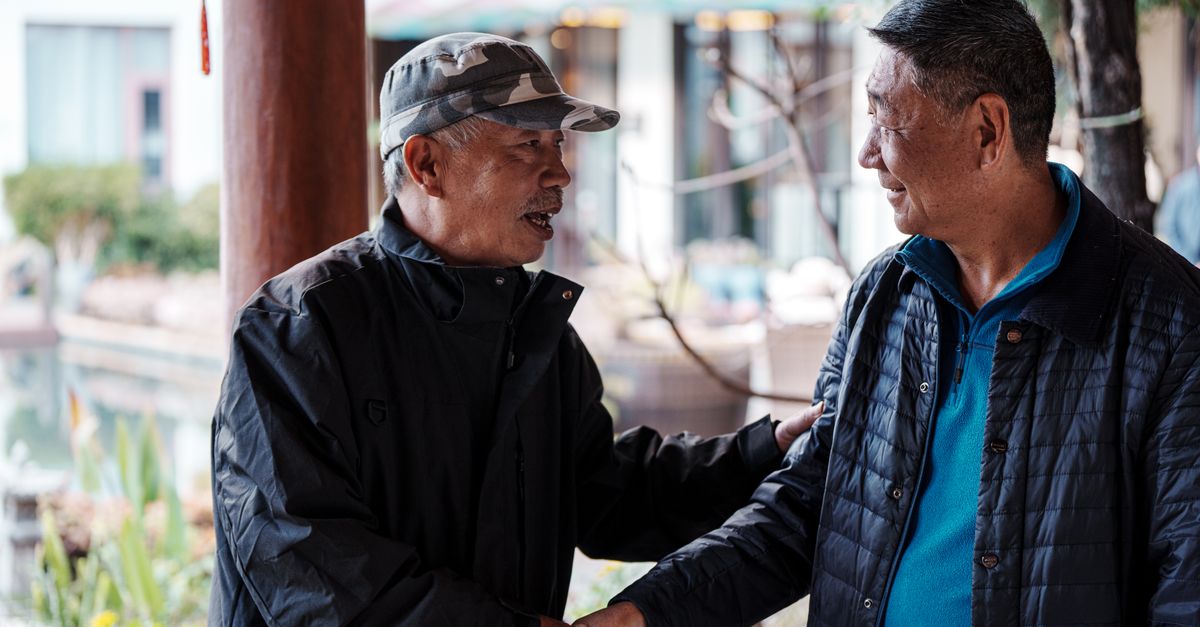
Sheltered housing structurally eradicates social isolation. The inclusion of communal lounges, shared gardens, and organized social activities forces the resident into daily, complex social navigation. Interacting with peers requires working memory, emotional regulation, and rapid verbal processing—all of which serve as highly effective, non-pharmacological cognitive therapy.
This continuous social integration builds cognitive reserve and provides a profound sense of psychological safety and belonging. It acts as a powerful psychiatric buffer, significantly reducing the incidence of major depressive disorder and severe anxiety, which frequently plague older adults living in solitary confinement in standard housing.
6. Chronic Disease Management in Supported Settings
Residents of sheltered housing universally manage a complex matrix of multimorbidity, including chronic obstructive pulmonary disease, advanced osteoarthritis, and type 2 diabetes. The supported environment facilitates impeccable adherence to the lifestyle modifications necessary to manage these diseases.
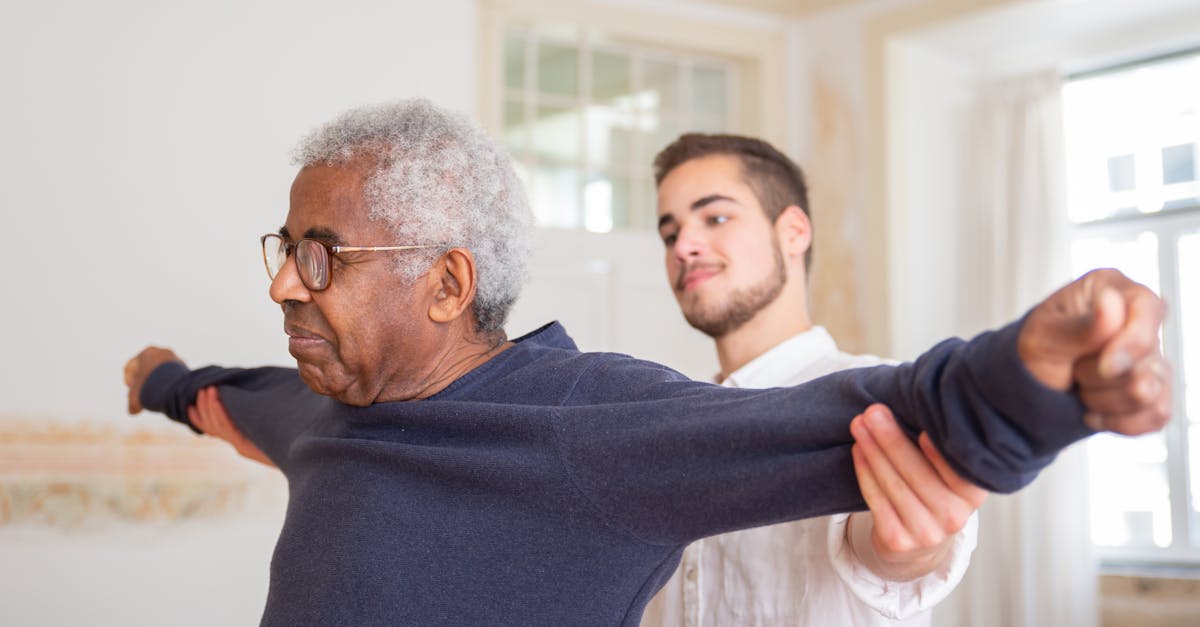
Because the physical burden of maintaining the exterior property is removed, the resident conserves their limited metabolic energy for essential, health-sustaining activities. They can focus on targeted physical therapy exercises, flat-ground walking in safe communal areas, and adhering to complex medical diets.
Furthermore, the environment seamlessly accommodates mobility aids and home oxygen concentrators. The wide corridors and elevator access ensure that a resident requiring continuous supplemental oxygen or a motorized wheelchair is not physically trapped in their apartment, allowing them to remain active and socially engaged despite severe physiological limitations.
7. Nutritional Oversight and Metabolic Stability
Clinical malnutrition and severe dehydration are pervasive, silent threats in the aging population. Chronic pain, clinical depression, and physical exhaustion frequently suppress the appetite and reduce the resident’s motivation to procure and prepare nutritious meals. In a standard home, this leads rapidly to muscle wasting (sarcopenia) and immunological collapse.
While sheltered housing residents cook for themselves, the environment offers a robust safety net against nutritional decline. The warden performs informal nutritional assessments, observing if a resident is experiencing severe, unintended weight loss or if they lack the physical stamina to utilize their kitchen.
Upon identifying nutritional deficits, the warden coordinates with social services to initiate community interventions, such as “Meals on Wheels,” or arranges for a consultation with a clinical dietitian. Ensuring consistent, high-density caloric intake stabilizes the resident’s metabolic health and provides the biological building blocks necessary for tissue repair and immune defense.
8. Sleep Hygiene in Sheltered Communities
Maintaining healthy sleep architecture is challenging as the human brain ages, with a natural reduction in deep, restorative slow-wave sleep. A secure, predictable environment is essential for preventing further sleep fragmentation. Sheltered housing provides a highly secure acoustic and physical perimeter.
The presence of a secure entry system and the knowledge that neighbors and staff are nearby drastically reduces the hyper-vigilance and nocturnal anxiety that frequently plague older adults living alone. The resident’s autonomic nervous system can fully downregulate, transitioning into a parasympathetic, restorative state.
Achieving uninterrupted sleep is biologically critical. It stabilizes insulin sensitivity, reduces resting blood pressure, and allows the brain to clear neurotoxic waste products associated with Alzheimer’s disease. The profound psychological security provided by the sheltered environment is a direct catalyst for superior sleep hygiene.
9. Polypharmacy and Medication Management Support
Accurate administration of multiple daily medications (polypharmacy) requires intact executive function and visual acuity. Errors in self-medication—such as missing vital doses of oral anticoagulants or accidentally double-dosing on potent antihypertensives—can precipitate immediate, life-threatening physiological crises.
While staff in standard sheltered housing do not legally administer medications, the environment supports safe pharmacological adherence. The regular routine of the complex acts as a behavioral cue for medication times. Furthermore, visiting community nurses or pharmacists can easily access the resident to set up automated, locked pill dispensers or blister packs.
If the warden observes signs of medication toxicity—such as sudden, profound lethargy, unexplained bruising, or severe gastrointestinal distress—they can immediately alert the clinical team, preventing a minor medication error from escalating into a catastrophic overdose.
10. Infection Control in Communal Spaces
While providing immense social benefits, the congregate nature of sheltered housing introduces specific epidemiological risks. Shared lounges, laundry facilities, and elevators can serve as efficient vectors for the transmission of respiratory and gastrointestinal pathogens, such as influenza and norovirus.
Because the resident population is highly vulnerable due to immunosenescence, outbreaks can cause severe morbidity. Preventative medicine is paramount. The facility management must enforce rigorous, industrial-level sanitization of all high-touch communal surfaces daily.
Furthermore, medical providers must ensure that the resident population achieves maximum herd immunity through aggressive, targeted vaccination campaigns. Annual influenza shots, updated pneumococcal vaccines, and rapid isolation of symptomatic residents in their private apartments are critical public health interventions required to protect the collective biological health of the community.
11. Psychological Security and Anxiety Reduction
The psychological burden of living entirely alone with declining physical health is immense. The constant, gnawing worry about experiencing a medical emergency without access to help generates sustained psychological stress, elevating cortisol and damaging the cardiovascular endothelium.
The continuous, structural presence of the sheltered housing support network neutralizes this specific environmental stressor. The resident is afforded a deep sense of psychological peace, knowing that the environment is specifically designed to catch them if they fall—both literally and medically.
This reduction in chronic anxiety has measurable physiological benefits. It lowers resting blood pressure, reduces the somatic symptoms of stress, such as tension headaches and gastrointestinal discomfort, and fosters a state of physiological calm that is conducive to overall biological resilience and longevity.
12. Coordination with Outpatient Healthcare Providers
Sheltered housing residents rely entirely on the outpatient healthcare system. The facility frequently acts as a centralized, highly efficient hub for the delivery of these community medical services. The clear, accessible environment allows community nurses, physical therapists, and phlebotomists to visit multiple patients efficiently.
The warden frequently acts as a vital communication bridge, ensuring that the resident does not fall through the cracks of the healthcare infrastructure. If a resident is discharged from the hospital, the warden ensures that the discharge instructions are understood and that follow-up appointments are scheduled, providing critical transitional support that prevents rapid hospital readmissions.
This holistic, coordinated approach maximizes the effectiveness of medical interventions, ensuring that clinical care is seamlessly integrated into the resident’s daily domestic life.
13. Recognizing the Need for Escalated Medical Care
A critical component of the sheltered housing model is recognizing its absolute clinical limitations. As chronic degenerative diseases progress, a resident will eventually require a level of care that exceeds the facility’s capabilities.
| Clinical Indicator of Decline | Necessary Medical Transition |
|---|---|
| Inability to remember to use emergency pendant | Transition to 24-hour supervised memory care |
| Loss of independent transfer ability (bed to chair) | Requirement for daily, intensive home health aides or nursing home transfer |
| Severe, uncontrolled nocturnal wandering | Immediate relocation to a secure dementia facility |
| Inability to self-manage basic personal hygiene | Initiation of comprehensive daily community nursing support |
The warden and the primary care physician must proactively identify these critical thresholds. Facilitating a dignified, planned transition to a skilled nursing facility before a catastrophic medical failure occurs ensures that the resident receives continuous, appropriate medical support throughout the final stages of their lifespan.
14. Frequently Asked Questions (FAQ)
1. How does sheltered housing actually prevent dangerous falls?
The buildings are structurally engineered for failing bodies. There are no steps or uneven floors to trip over. Bathrooms have completely flat showers without lips, heavy-duty grab bars everywhere, and anti-slip floors. This physically prevents the mechanics that cause most devastating falls in older adults.
2. What happens if I have a heart attack in my sheltered apartment?
You are never truly alone. Every room has a pull cord, and you wear a waterproof alarm pendant. Pressing it instantly alerts a 24-hour medical dispatch center. Because the building is designed for easy emergency access, paramedics can reach you in minutes, saving your heart tissue and your life.
3. Does moving into sheltered housing mean I am giving up my independence?
Clinically, it is the exact opposite. By moving to an environment that eliminates heavy maintenance and fall hazards, you conserve your physical energy. This allows you to remain independent and manage your own life for many years longer than you could in a dangerous, unadapted house.
4. How does the community aspect of the housing protect my brain?
Complete social isolation causes the brain to physically shrink and accelerates dementia. Sheltered housing provides constant opportunities to converse, play games, and interact with peers. This complex social interaction exercises your brain, keeping your memory and cognitive skills sharp.
5. Can the staff at sheltered housing give me my daily medications?
No, sheltered housing staff are generally not licensed nurses; they are there for environmental safety and emergency response. You must be able to take your own pills. If you cannot remember, you will need to hire a visiting community nurse to administer them for you.
15. Bibliography
Disclaimer: The content is for informational purposes only and does not replace medical advice. Always consult your doctor for personalized treatment.