1. Introduction
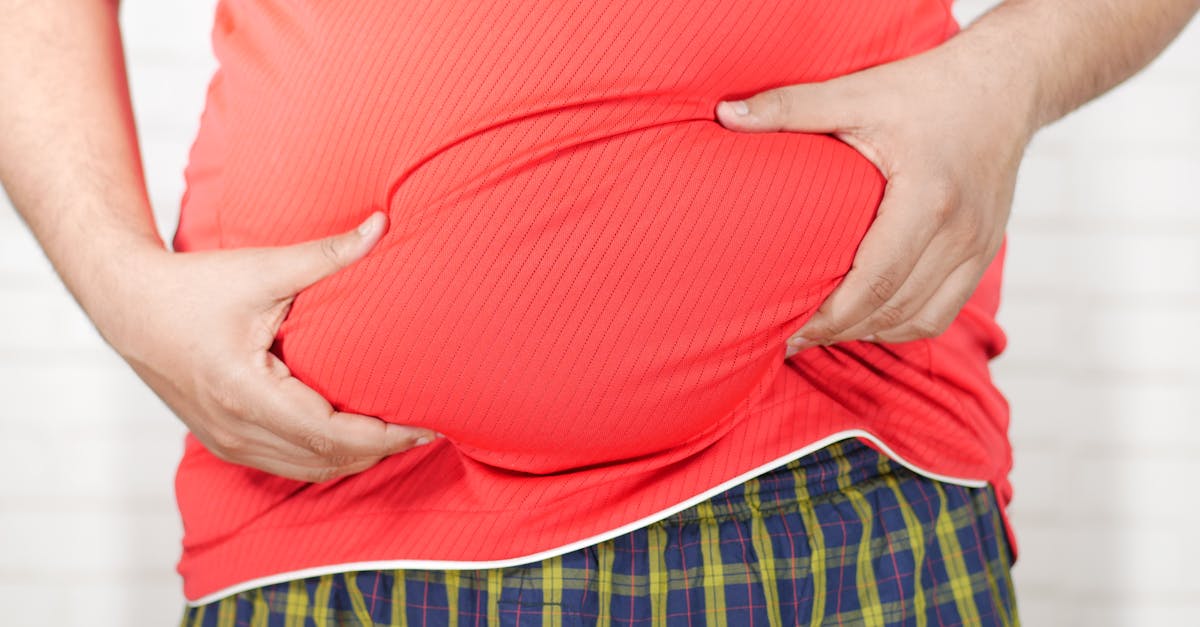
A hard and bloated stomach typically means that excessive gas, fluid, or impacted stool has accumulated within the gastrointestinal tract, stretching the abdominal wall and creating severe internal pressure. This physical distension often results from impaired bowel motility, bacterial overgrowth in the small intestine, or specific dietary intolerances that cause rapid, volatile fermentation. When the delicate intestinal walls stretch significantly, the overlying abdominal muscles reflexively tighten as a protective mechanism, making the stomach feel entirely rigid to the touch.
The sensation of a distended, drum-like abdomen is not merely an uncomfortable nuisance; it reflects a profound mechanical or biochemical failure within the digestive system. The human gut is designed to process food, absorb nutrients, and seamlessly expel gas and waste. When this sequence stalls, the resulting buildup expands the intestinal loops, pushing against the peritoneal lining and the diaphragm.
Understanding the origin of this rigidity requires differentiating between trapped gas, solid impaction, and dangerous fluid accumulation. Accurate clinical assessment determines whether the hardness is a temporary response to a heavy meal, a symptom of a chronic functional bowel disorder, or a warning sign of an acute, life-threatening abdominal obstruction.
2. Anatomy of the Abdominal Cavity
The abdominal cavity is a large anatomical space bound by the diaphragm superiorly, the pelvic floor inferiorly, and the abdominal muscles anteriorly. Inside this cavity lie the stomach, the liver, the twenty feet of small intestine, and the five feet of large intestine (colon), all neatly folded and suspended by a membrane called the mesentery.
The entire cavity is lined by the peritoneum, a sensitive double-layered membrane. The organs themselves contain layers of smooth muscle that perform peristalsis—the rhythmic, wave-like contractions that propel food and gas downward.
Because the abdominal cavity is an enclosed, highly flexible space, it accommodates normal, transient changes in volume after meals. However, when the volume of the intestines increases rapidly due to gas or waste, the physical space is exhausted. The expanding bowels push outward against the rectus abdominis muscles, causing the visible protrusion and firm texture known as abdominal distension.
3. The Pathophysiology of Bloating
Bloating is the subjective feeling of trapped abdominal pressure, while distension is the objective, measurable increase in abdominal girth. The pathophysiology often involves a failure of the gut to transit gas effectively. In a healthy gut, gas is seamlessly absorbed into the bloodstream or passed rectally.
When the smooth muscle contractions of the gut become uncoordinated or sluggish, a condition known as dysmotility, gas bubbles become trapped in localized segments of the bowel. As these pockets of gas expand, they exert tremendous outward force on the intestinal walls.
In response to this severe stretching, the central nervous system often initiates an involuntary reflex known as abdominal wall guarding. The abdominal muscles clamp down in a sustained contraction to protect the internal organs from perceived trauma, causing the stomach to feel hard, tense, and painfully rigid.
4. Intestinal Gas Accumulation
The most frequent culprit behind a hard, bloated abdomen is the rapid accumulation of intestinal gas. This gas originates from two primary sources: swallowed air (aerophagia) and the biological fermentation of undigested carbohydrates by colonic bacteria.
When you consume complex carbohydrates that your body cannot fully break down—such as certain fibers, legumes, and artificial sweeteners—they arrive intact in the large intestine. Trillions of symbiotic bacteria reside here, and they rapidly ferment these sugars for energy.
This fermentation process generates massive volumes of hydrogen, carbon dioxide, and methane gas. If an individual lacks the specific enzymes to digest dairy or gluten, or if they consume an excessively large meal, the sheer volume of gas produced in a short timeframe overwhelms the gut’s ability to expel it, rapidly blowing up the abdomen like a balloon.
5. Small Intestinal Bacterial Overgrowth (SIBO)
The small intestine is primarily responsible for nutrient absorption and typically contains a very low concentration of bacteria compared to the colon. Small Intestinal Bacterial Overgrowth (SIBO) occurs when colonic bacteria abnormally migrate upward and colonize the small intestine.
When a patient with SIBO consumes carbohydrates, these misplaced bacteria immediately begin fermenting the food prematurely, high up in the digestive tract. The small intestine is narrow and poorly equipped to handle large volumes of expanding gas.
Consequently, patients experience profound, hard bloating within minutes to an hour after eating. The rapid gas production stretches the small bowel intensely, creating a tight, rigid, and deeply painful central abdomen, often accompanied by severe nausea and erratic bowel habits.
6. Irritable Bowel Syndrome and Visceral Hypersensitivity
Irritable Bowel Syndrome (IBS) is a functional gastrointestinal disorder heavily associated with severe bloating. In IBS, the brain-gut axis is dysregulated. The nervous system of the gut is hyper-reactive, leading to erratic spasms and uncoordinated peristalsis that trap gas effectively.
A hallmark of IBS is visceral hypersensitivity. The sensory nerves lining the intestinal walls are abnormally sensitive. A volume of gas that would be completely unnoticed by a healthy individual triggers an agonizing pain signal in a patient with IBS.
This extreme pain triggers severe, involuntary abdominal muscle wall tightening. Thus, even if the actual physical volume of gas is relatively small, the neurological overreaction creates a fiercely rigid and painful abdominal presentation.
7. Gastroparesis and Delayed Emptying
Gastroparesis is a medical condition characterized by delayed gastric emptying. The vagus nerve, which controls the stomach muscles, becomes damaged—most commonly as a complication of long-standing diabetes mellitus or viral infections.
Because the stomach muscles are paralyzed or severely weakened, food sits in the stomach for prolonged periods instead of emptying into the small intestine. This stagnant food begins to ferment in the stomach, producing gas high up in the abdomen.
Patients with gastroparesis frequently present with a hard, distended upper abdomen located just beneath the rib cage. The bloating is accompanied by early satiety (feeling full after only a few bites), severe acid reflux, and chronic, unpredictable vomiting of undigested food.
8. Constipation and Fecal Impaction
Chronic constipation is a simple mechanical cause of a hard stomach. When stool remains in the colon for too long, the body continuously extracts water from it, causing the feces to become hard, dry, and immobile.
A severe buildup of hardened stool physically occupies massive amounts of space within the lower abdominal cavity. This creates a literal roadblock. Gas and new digestive matter backing up behind this roadblock cause the entire intestinal tract to dilate.
In extreme cases, this leads to fecal impaction, where a large mass of hardened stool becomes entirely stuck in the rectum or sigmoid colon. The lower abdomen will feel distinctly hard and lumpy to the touch, and the patient requires urgent medical disimpaction to prevent a dangerous bowel perforation.
9. Fluid Accumulation (Ascites)
While gas and stool are common, a hard, distended stomach can be a sign of a far more dangerous clinical condition: ascites. Ascites is the pathological accumulation of free fluid within the peritoneal cavity, surrounding the abdominal organs.
This severe fluid buildup is most frequently a consequence of end-stage liver disease (cirrhosis), where scarring of the liver increases blood pressure in the portal vein, forcing plasma to weep directly into the abdomen. It can also be caused by congestive heart failure or widespread abdominal malignancies (like ovarian cancer).
Unlike gas bloating, which fluctuates throughout the day, an abdomen distended by ascites feels uniformly tight and heavy, like a water balloon. The distension is progressive, does not respond to dietary changes or passing gas, and poses a severe threat to respiratory function by physically pushing the diaphragm upward.
10. Distinguishing Gas, Fluid, and Mass
| Characteristic | Gas Accumulation (Bloating) | Fluid Accumulation (Ascites) | Physical Mass / Impaction |
|---|---|---|---|
| Texture on Palpation | Tense, but resonant (sounds hollow like a drum when tapped) | Very tight, heavy, dull sound when tapped, fluid wave present | |
| Fluctuation | Worsens after meals, often improves in the morning or after a bowel movement | Constant and progressively worsening over weeks or months | |
| Location of Firmness | Generalized across the entire abdomen | Often pools in the lower abdomen and flanks | |
| Associated Symptoms | Flatulence, burping, cramping pain | Shortness of breath, jaundice, swollen ankles |
11. Hormonal Influences on Digestion
Hormones wield significant control over gastrointestinal transit times. For women, the luteal phase of the menstrual cycle, characterized by high levels of progesterone, frequently causes severe, episodic abdominal rigidity.
Progesterone is a smooth muscle relaxant. While it prepares the uterus for potential pregnancy, it simultaneously relaxes the smooth muscle of the entire intestinal tract. This relaxation severely slows down peristalsis.
The sluggish bowels allow food to remain in the colon longer, maximizing bacterial fermentation and gas production. Concurrently, hormonal shifts cause systemic fluid retention. This combination of trapped gas, delayed transit, and water retention creates a painfully hard and bloated stomach in the days preceding menstruation.
12. Dietary Triggers and FODMAPs
The modern diet is heavily laden with highly fermentable carbohydrates, known clinically as FODMAPs (Fermentable Oligosaccharides, Disaccharides, Monosaccharides, and Polyols). These include fructose, lactose, and sugar alcohols like sorbitol.
Many individuals have subtle, undetected intolerances to these specific sugars. Because they are not absorbed efficiently in the small intestine, they act as massive fuel sources for colonic bacteria.
Consuming a meal rich in FODMAPs—such as an apple, a bowl of wheat pasta, and a glass of milk—can trigger a massive, rapid fermentation event. The sheer volume of gas produced overloads the colon, stretching it to its absolute limits and causing immediate abdominal hardening.
13. Diagnostic Imaging and Tests
Evaluating a persistently hard, distended abdomen requires comprehensive clinical diagnostics to rule out life-threatening obstructions or masses. A simple abdominal X-ray can quickly reveal dilated loops of bowel filled with gas or identify a massive fecal impaction.
If ascites or a solid tumor is suspected, an abdominal ultrasound or a Computed Tomography (CT) scan is essential. The CT scan provides highly detailed cross-sectional images, allowing the radiologist to visualize the entire length of the intestines and check the health of the liver, pancreas, and ovaries.
For suspected bacterial overgrowth (SIBO), a hydrogen and methane breath test is utilized. The patient drinks a sugar solution, and their breath is analyzed periodically. Elevated levels of hydrogen or methane gas confirm that displaced bacteria are fermenting sugars abnormally high in the digestive tract.
14. Pharmacological Interventions
If the rigidity is determined to be gas-related, pharmacological therapies focus on reducing surface tension and altering motility. Simethicone is an over-the-counter anti-foaming agent that merges small, trapped gas bubbles into larger ones that are easier to burp or pass.
For patients with sluggish motility, prokinetic medications may be prescribed. These drugs chemically stimulate the smooth muscles of the digestive tract, forcing coordinated peristalsis to physically push the trapped gas and stool downward and out of the body.
If SIBO is the confirmed cause, a specific, non-absorbable antibiotic called Rifaximin is highly effective. It eradicates the rogue bacteria in the small intestine, stopping the premature fermentation process and curing the chronic bloating at its source.
15. Dietary and Lifestyle Modifications
Managing functional bloating requires disciplined dietary adjustments. The Low-FODMAP diet is the gold standard clinical intervention. By systematically removing highly fermentable foods and slowly reintroducing them, the patient identifies their exact dietary triggers, preventing gas overload.
Eating slowly and chewing food thoroughly is critical. Rapid eating, drinking through straws, and chewing gum cause individuals to swallow massive amounts of atmospheric air (aerophagia), which travels directly into the stomach and creates intense upper abdominal pressure.
Gentle physical activity, such as a brisk twenty-minute walk after meals, mechanically assists the digestive tract. The physical movement of the torso helps massage the intestines, encouraging the natural, downward flow of gas and accelerating gastric emptying.
16. When to See a Doctor
You must seek emergency medical care immediately if a hard, bloated stomach is accompanied by severe, unrelenting abdominal pain, an inability to pass any gas or stool, and violent vomiting. These are classic, red-flag symptoms of an acute bowel obstruction, which can be fatal if the intestine ruptures.
Urgent evaluation is also required if the abdominal distension is accompanied by a high fever, bloody stools, or jaundice (yellowing of the skin and eyes), as these suggest severe internal inflammation, bleeding, or liver failure.
Consult a gastroenterologist if your stomach is constantly hard and distended despite dietary changes, or if the bloating is paired with unexplained, rapid weight loss, as this warrants an immediate investigation to rule out ovarian or gastrointestinal malignancies.
17. Frequently Asked Questions FAQ
1. Can stress make my stomach rock hard?
Yes, acute stress triggers the fight-or-flight response, which immediately halts digestive peristalsis and tightens the abdominal wall muscles. This traps gas and creates a rigidly hard physical sensation.
2. Will drinking more water help a hard, bloated stomach?
If the bloating is caused by severe constipation, increasing water intake helps soften the impacted stool. However, if you are acutely bloated from a large meal, drinking massive amounts of water will temporarily increase stomach volume and worsen the distension.
3. Is it normal for my stomach to be flat in the morning but hard by night?
Yes, this is very common in functional bowel disorders like IBS. Gas produced by eating throughout the day slowly accumulates in the colon, peaking in the evening. Overnight fasting allows the gut to clear the gas, resetting the volume by morning.
4. Can a food allergy cause my stomach to blow up?
A true food allergy involves the immune system and causes hives or throat swelling. However, a food intolerance (like lactose or gluten sensitivity) causes massive bacterial fermentation, leading directly to explosive gas and a hard stomach.
5. Why does my upper stomach hurt and feel hard right under my ribs?
Firmness localized directly under the rib cage is often related to trapped gas in the transverse colon, delayed stomach emptying (gastroparesis), or acid reflux causing localized muscle spasms in the diaphragm and stomach.
18. Bibliography
Disclaimer: The content is for informational purposes only and does not replace medical advice. Always consult your doctor for personalized treatment.