
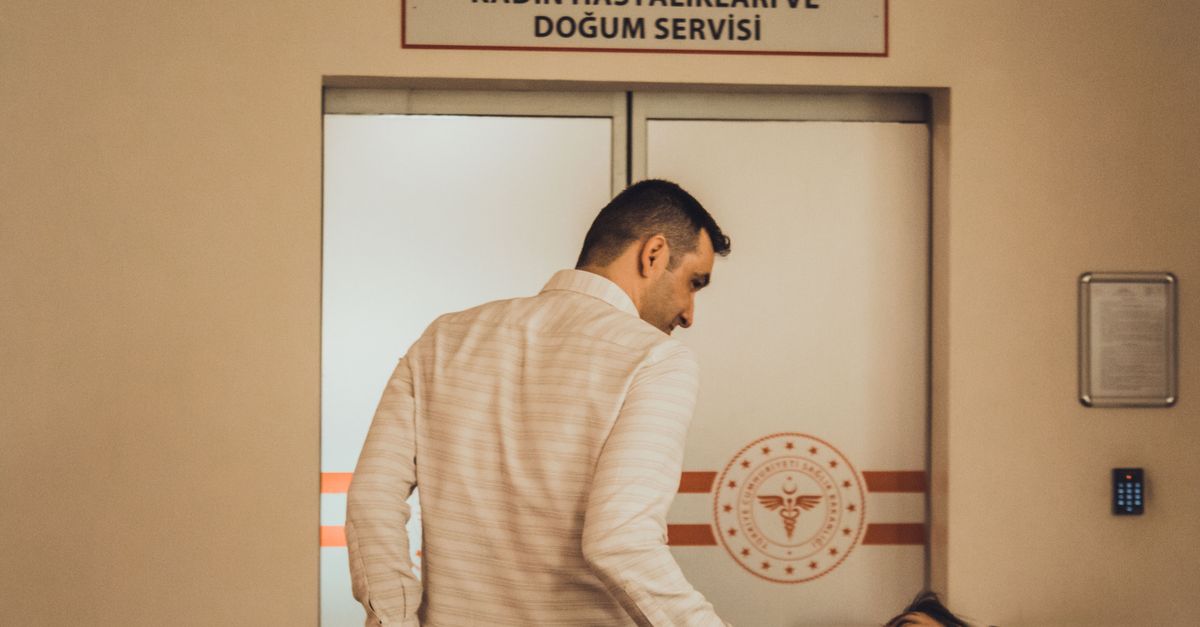
1. The Clinical Profile of the Male Caregiver
The demographic landscape of domestic healthcare features a significant and growing population of husbands acting as primary caregivers for their chronically sick wives. This role places unique physiological and psychosocial demands on the male caregiver. Husbands in this position frequently navigate the transition from a traditional marital dynamic to a complex clinical role, often without prior experience in caregiving or domestic nursing.
The health outcomes for men providing full-time care are heavily influenced by specific behavioral patterns. Men typically exhibit delayed help-seeking behavior, frequently ignoring their own somatic symptoms until a medical crisis occurs. The allostatic load generated by managing a wife’s progressive illness exerts a profound toll on the husband’s cardiovascular, neuroendocrine, and musculoskeletal systems.
Evaluating the health of a chronically ill female patient necessitates a thorough assessment of her husband’s physical capacity and emotional resilience. The biological stability of the male caregiver is the structural foundation of the home healthcare environment; its collapse invariably leads to the institutionalization of the wife.
2. Autonomic Arousal and Cardiovascular Risk
The cardiovascular system of the male caregiver is uniquely vulnerable to the sustained stress of domestic nursing. The constant requirement to monitor his wife’s vital signs, manage complex pharmacological regimens, and anticipate medical emergencies keeps his autonomic nervous system locked in a sympathetic-dominant state.
This chronic arousal results in the continuous secretion of catecholamines, driving up systemic vascular resistance and resting heart rate. Men generally possess a higher baseline cardiovascular risk profile, and the addition of severe, unremitting stress significantly accelerates the development of essential hypertension and atherosclerotic plaque formation.
Husbands acting as caregivers demonstrate a markedly elevated statistical risk for acute ischemic events, including myocardial infarction and stroke. The domestic environment ceases to be a restorative sanctuary and instead functions as a continuous cardiovascular stressor. Physicians must aggressively monitor the blood pressure and lipid panels of male patients reporting heavy caregiving duties.
3. Endocrine Shifts and Testosterone
The chronic stress associated with looking after a sick wife induces significant alterations in the male endocrine system. The prolonged activation of the hypothalamic-pituitary-adrenal axis results in sustained high levels of serum cortisol. This continuous cortisol exposure directly suppresses the hypothalamic-pituitary-gonadal axis.
Consequently, male caregivers frequently experience a precipitous drop in endogenous testosterone production. This stress-induced hypogonadism manifests clinically as profound fatigue, a complete loss of libido, and a reduction in lean muscle mass. The decline in anabolic hormones accelerates physical deconditioning and severely impairs the husband’s ability to recover from the physical labor of caregiving.
Furthermore, lower testosterone levels correlate with an increased accumulation of visceral fat and decreased bone mineral density. Mitigating these endocrine shifts requires targeted interventions to reduce ambient stress, allowing the neuroendocrine feedback loops to normalize.
4. Musculoskeletal Hazards of Nursing
Providing daily physical assistance to an adult requires significant biomechanical strength and precision. Husbands frequently assume the responsibility for lifting, transferring, and repositioning their wives. These tasks are often executed in tight domestic spaces without the benefit of professional ergonomic training.
While men may possess greater baseline upper body strength, the repetitive mechanical overload severely strains the lumbar spine and major joints. The twisting motions required to move a patient from a bed to a wheelchair rapidly cause intervertebral disc herniations, severe sciatica, and chronic mechanical back pain.
The physical trauma of domestic nursing threatens the husband’s own mobility. A significant orthopedic injury to the caregiver immediately paralyzes the entire home care dynamic. Securing mechanical lifting devices and prescribing physical therapy to teach safe transfer techniques are absolute medical necessities.
5. Sleep Fragmentation
Restorative sleep is universally compromised when sharing an environment with a chronically ill spouse. The husband’s sleep architecture is repeatedly shattered by his wife’s nocturnal needs, which may include assisting with pain management, adjusting medical equipment, or managing incontinence.
These continuous awakenings prevent the brain from sustaining the deep, slow-wave sleep required for physiological repair and immune system maintenance. The auditory vigilance required to monitor the wife’s breathing truncates the rapid eye movement cycles, leading to severe deficits in emotional regulation and executive function.
Chronic sleep deprivation acts as a potent neurotoxin. It impairs glucose metabolism, sharply elevates daytime cortisol levels, and degrades cognitive processing. The resulting daytime exhaustion severely limits the husband’s physical endurance and increases the likelihood of critical errors in medication administration.
6. Dietary Changes and Metabolic Syndrome
The intense time constraints of caregiving severely impact the nutritional habits of the husband. Meal preparation often shifts toward convenience, resulting in a diet dense in processed carbohydrates, saturated fats, and sodium. The mental bandwidth required to plan and execute a nutritionally balanced diet is consumed by the wife’s medical needs.
This dietary shift, combined with chronic stress and sleep deprivation, induces rapid metabolic dysregulation. Male caregivers frequently experience the accumulation of central adiposity, which significantly increases insulin resistance and elevates serum triglycerides.
The husband is subsequently at a high risk for developing metabolic syndrome and type 2 diabetes. Medical management must include pragmatic nutritional counseling, helping the caregiver identify low-effort, nutrient-dense dietary options to protect his metabolic baseline.
7. Social Isolation in Male Caregivers
The logistical reality of caring for a sick wife frequently demands that the husband withdraw from his broader social network. Men often rely on the workplace or structured activities for social integration. When caregiving duties force retirement or the abandonment of hobbies, the husband’s social world rapidly shrinks.
This profound social isolation eliminates primary mechanisms for stress buffering. Men are generally less likely than women to seek out emotional support groups or vocalize their psychological distress to peers. The continuous focus on illness and symptom management narrows the cognitive field, leading to severe emotional burnout.
Re-establishing social connections is a medical imperative. Husbands must be actively encouraged to utilize professional respite care, allowing them to safely leave the house and engage in activities completely separate from their caregiving identity.
8. Psychological Repression and Depression
Male caregivers frequently employ psychological repression as a primary coping mechanism. Societal conditioning often dictates that men must remain stoic and unemotional in the face of a crisis. Suppressing the intense grief, fear, and frustration associated with watching a wife decline generates massive internal psychological friction.
This repressed emotion creates a highly fertile environment for clinical depression. The husband may experience profound anhedonia, overwhelming feelings of hopelessness, and a deep apathy toward his own future. Depression in men often presents atypically, manifesting as increased irritability, anger, or aggressive outbursts rather than overt sadness.
Physicians must actively screen male caregivers for depressive symptoms. Such systemic psychological distress closely mimics the presentation of major depressive disorder and requires prompt access to targeted psychopharmacology and psychological counseling.
9. Navigating Clinical Environments
Husbands acting as primary caregivers must interact frequently with complex medical systems, coordinating care among various specialists, managing insurance authorizations, and deciphering complicated clinical instructions. This administrative burden requires sustained executive function.
The high cognitive load generates continuous anxiety. The fear of misunderstanding a medical directive or making a fatal error in care haunts the daily routine. Medical teams can alleviate this burden by providing clear, written instructions and establishing a direct, reliable line of communication.
Ensuring that the husband understands the physiological trajectory of his wife’s disease process empowers him to make informed decisions and reduces the ambient anxiety associated with the unknown aspects of chronic illness.
10. Anticipatory Mourning
The psychological landscape of a caregiving husband is dominated by anticipatory mourning. He is forced to continually process the slow, progressive loss of his wife’s physical presence or cognitive faculties, long before her actual passing. This state of permanent grief is psychologically devastating.
The daily exposure to his wife’s suffering, combined with his own physical exhaustion, demands extraordinary emotional endurance. The husband mourns the loss of the retirement they had planned and the romantic partnership they previously shared.
Validating this grief is a critical step in providing therapeutic support. Medical professionals must acknowledge the profound psychological loss the husband is enduring, normalizing his grief response and providing access to supportive counseling resources.
11. Impact on Medication Adherence
A critical, yet often overlooked, consequence of heavy caregiving is the husband’s failure to adhere to his own pharmacological regimens. The intense focus required to manage the wife’s complex medication schedule frequently results in the husband neglecting to refill or take his own prescribed therapies for hypertension, hyperlipidemia, or diabetes.
This non-adherence rapidly destabilizes the husband’s underlying chronic conditions. The medical provider must explicitly review the husband’s medication list during clinical encounters, ensuring that he maintains strict compliance with his own therapeutic protocols to prevent a secondary medical crisis in the home.
12. Preventative Health Maintenance
Treating the male caregiver requires the physician to view him as an independent patient experiencing a high-risk environmental exposure. Standard medical advice to reduce stress is insufficient; structural interventions are necessary to preserve his physiological integrity.
| Caregiver Stressor | Physiological Consequence | Targeted Clinical Intervention |
|---|---|---|
| Patient Transfers | Severe lumbar strain | Prescribe in-home mechanical lifting devices |
| Nocturnal Care | Chronic sleep deprivation | Utilize overnight professional respite care |
| Continuous Isolation | Clinical depression | Mandatory scheduling of independent social time |
The ultimate intervention to preserve the health of the husband is the systematic introduction of professional respite care. This allows the husband to leave the clinical environment, sleep uninterrupted, and attend to his own preventative medical screenings, ensuring the structural stability of the entire care dyad.
13. Frequently Asked Questions (FAQ)
1. Why am I always so exhausted even when my wife is resting?
The constant anticipation of your wife’s next medical need keeps your nervous system in a continuous state of arousal. This chronic hypervigilance drains massive amounts of metabolic energy, leaving you profoundly physically and mentally exhausted.
2. How does lifting my wife affect my physical health?
Lifting an adult without proper mechanical equipment puts substantial strain on the lower back and joints. It frequently leads to permanent spinal injuries like herniated discs. Utilizing mechanical lifts and learning safe transfer techniques is essential.
3. Why is my own blood pressure suddenly elevated?
The continuous anxiety and physical strain of caregiving keep your nervous system in a constant state of alert. This severely constricts your blood vessels, leading directly to high blood pressure and increasing your risk for cardiovascular disease.
4. Is it normal to feel angry or resentful?
Yes. It is a normal psychological reaction to the immense stress, physical exhaustion, and loss of your traditional romantic partnership. This resentment is a symptom of severe caregiver burnout and requires professional psychological support to process safely.
5. How can I sleep when I have to listen for her all night?
Restorative sleep is impossible if your brain remains on high alert. To protect your health and immune system, you must arrange for professional overnight care or enlist family members to take designated night shifts, allowing you to sleep in a quiet room.
14. Bibliography
Disclaimer: The content is for informational purposes only and does not replace medical advice. Always consult your doctor for personalized treatment.
