
1. Introduction
Male sterility, or severe male factor infertility, is the physiological inability of a biological male to contribute to conception. This condition is responsible for approximately half of all cases where a couple is unable to achieve a clinical pregnancy after one year of unprotected intercourse. The underlying mechanisms are highly complex, involving disruptions in sperm production (spermatogenesis), structural blockages, hormonal imbalances, or genetic abnormalities.
Addressing male sterility requires a meticulous and objective clinical evaluation. The diagnosis often carries significant emotional weight, demanding that healthcare providers approach the subject with strict professionalism and profound empathy. Understanding the precise anatomical and biochemical cause is essential, as modern reproductive medicine offers a wide array of interventions.
From precise endocrinological testing to advanced microsurgical techniques, the clinical approach aims to identify reversible factors or utilize assisted reproductive technologies to bypass severe functional deficits.
2. Clinical Definition: Sterility vs. Infertility
In clinical terminology, infertility and sterility are distinct concepts, though they are frequently used interchangeably in general discourse. Infertility is defined as the failure to achieve a clinical pregnancy after 12 months or more of regular unprotected sexual intercourse. It implies a reduction in reproductive capacity that may be amenable to treatment.
Sterility represents an absolute, irreversible inability to reproduce naturally. This may result from the complete absence of sperm production (non-obstructive azoospermia), profound genetic anomalies, or the surgical removal of reproductive organs.
Accurately classifying the patient’s condition dictates the trajectory of care. While true sterility precludes natural conception, advanced assisted reproductive techniques can often achieve biological parenthood even in cases of severe testicular failure.
3. The Physiology of Spermatogenesis
Spermatogenesis is the complex biological process by which stem cells in the testes differentiate into mature spermatozoa. This process occurs within the seminiferous tubules and requires approximately 74 days to complete. It is heavily dependent on an optimal microenvironment and precise hormonal regulation.
The hypothalamus secretes gonadotropin-releasing hormone, which stimulates the anterior pituitary gland to release luteinizing hormone and follicle-stimulating hormone. Luteinizing hormone drives the Leydig cells in the testes to produce testosterone, while follicle-stimulating hormone acts on the Sertoli cells to support the maturation of sperm cells.
Any disruption in this hypothalamic-pituitary-gonadal axis, or any condition that alters the localized testicular temperature or cellular environment, will profoundly impair the quantity and quality of sperm produced.
4. Pre-Testicular Causes: Endocrine Dysfunction
Pre-testicular causes of infertility involve systemic or endocrinological disorders that deprive the testes of the hormonal stimulation required for spermatogenesis. Secondary hypogonadism is a primary example, characterized by low testosterone levels due to inadequate pituitary signaling.
Pituitary adenomas, specifically prolactinomas, secrete excess prolactin, which suppresses the release of gonadotropins. Thyroid dysfunction, both hyperthyroidism and hypothyroidism, can also severely derange reproductive hormones.
These pre-testicular factors are highly significant because they are frequently reversible. Correcting the underlying endocrine imbalance with targeted pharmacological therapy often restores normal spermatogenesis and fertility without the need for invasive procedures.
5. Testicular Causes: Primary Gonadal Failure
Testicular causes, or primary gonadal failure, occur when the testes themselves are damaged and unable to produce adequate sperm despite normal or elevated hormonal stimulation. This is a leading cause of severe male infertility.
Previous infections, such as mumps orchitis during adolescence, can cause permanent atrophy of the seminiferous tubules. Undescended testicles (cryptorchidism), if not surgically corrected early in life, expose the testicular tissue to elevated core body temperatures, leading to irreversible cellular damage.
Additionally, gonadotoxic treatments, such as chemotherapy or radiation therapy for systemic malignancies, frequently target rapidly dividing cells, inadvertently destroying the germinal epithelium of the testes.
6. Post-Testicular Causes: Obstructions and Transport Issues
Post-testicular infertility occurs when spermatogenesis is entirely normal, but structural blockages prevent the transport of sperm into the ejaculate. This results in obstructive azoospermia, where no sperm are present in the semen despite robust testicular production.
Congenital bilateral absence of the vas deferens is a classic post-testicular cause, frequently associated with genetic mutations linked to cystic fibrosis. Inflammatory scarring from prior genitourinary infections (such as chlamydia or gonorrhea) can also obstruct the epididymis or ejaculatory ducts.
Iatrogenic obstructions, most notably elective vasectomy, are the most common cause of post-testicular sterility. Surgical reconstruction or sperm retrieval techniques are highly successful in addressing these transport deficits.
7. Genetic and Chromosomal Abnormalities
Genetic factors play a dominant role in severe cases of male infertility. Klinefelter syndrome (47, XXY karyotype) is the most common chromosomal anomaly associated with primary testicular failure. Patients with this syndrome typically exhibit small, firm testes and profound non-obstructive azoospermia.
Y-chromosome microdeletions are another critical genetic factor. The Y chromosome contains the azoospermia factor region, which houses genes essential for spermatogenesis. Deletions in specific sub-regions dictate the severity of the sperm production failure.
Genetic screening is a mandatory component of the diagnostic workup for any male presenting with severe oligospermia (very low sperm count) or azoospermia, as these genetic factors can be transmitted to male offspring through assisted reproduction.
8. Varicocele and Vascular Anomalies
A varicocele is an abnormal dilation of the pampiniform venous plexus within the scrotum, functioning similarly to a varicose vein in the leg. It is the most common identifiable and surgically correctable cause of male infertility.
Varicoceles disrupt the counter-current heat exchange mechanism of the scrotum. This pooling of venous blood raises the intratesticular temperature, which is highly detrimental to developing sperm cells. The condition also leads to elevated levels of reactive oxygen species, causing oxidative stress and DNA damage to the spermatozoa.
Surgical repair (varicocelectomy) often improves semen parameters and natural pregnancy rates, though the exact degree of improvement varies among patients.
9. Immunological Factors: Antisperm Antibodies
The immune system normally does not encounter sperm cells, as they are protected by the blood-testis barrier. If this barrier is breached due to trauma, infection, surgery, or torsion, the immune system may recognize the sperm as foreign antigens.
The body subsequently produces antisperm antibodies. These antibodies can attach to various parts of the sperm, causing them to agglutinate (clump together) or impairing their ability to swim through cervical mucus and penetrate the ovum.
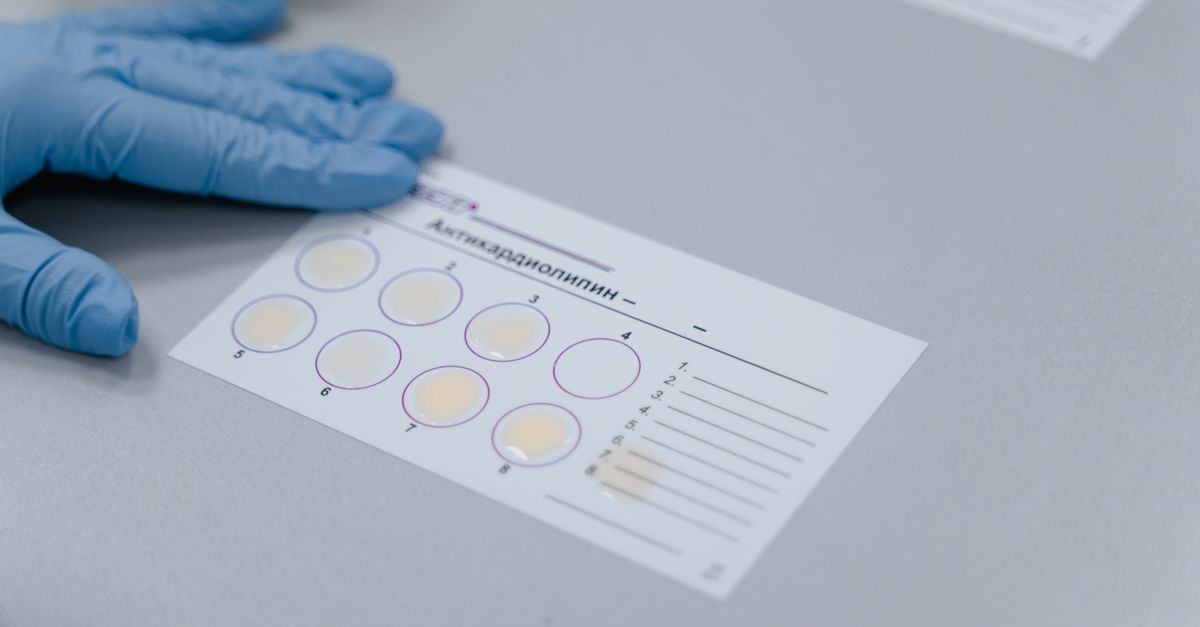
Immunological infertility is diagnosed through specialized assays identifying these antibodies on the sperm surface. While natural conception is severely hindered, assisted reproductive technologies are highly effective at bypassing this immunological barrier.
10. Environmental and Lifestyle Impacts
Lifestyle and environmental factors significantly influence semen quality. The delicate process of spermatogenesis is highly susceptible to oxidative stress induced by external toxins and lifestyle choices.
Chronic tobacco smoking, excessive alcohol consumption, and the use of recreational drugs (particularly marijuana) have been unequivocally linked to reduced sperm concentration, impaired motility, and increased morphological abnormalities.
Exposure to environmental toxins, including heavy metals, pesticides, and industrial solvents, can disrupt endocrine signaling and directly damage testicular tissue. Heat exposure, such as frequent use of saunas or prolonged sitting, also transiently impairs sperm production. Adopting healthy lifestyle modifications and participating in routine male health screenings are essential for optimizing reproductive potential.
11. Iatrogenic Causes and Medication Effects
Numerous medical treatments inadvertently cause male sterility. Exogenous testosterone replacement therapy, ironically, acts as a powerful contraceptive. By suppressing the release of follicle-stimulating hormone and luteinizing hormone from the pituitary gland, exogenous testosterone shuts down intrinsic testicular sperm production.
Certain prescription medications, including alpha-blockers used for prostatic enlargement, can cause retrograde ejaculation. Medications used to treat chronic inflammatory conditions, such as sulfasalazine, are known to reversibly impair semen parameters.
Before diagnosing idiopathic infertility, a comprehensive pharmacological review is mandatory to identify and modify any medications contributing to the reproductive deficit.
12. The Comprehensive Semen Analysis
The cornerstone of the diagnostic evaluation is the comprehensive semen analysis. This laboratory test provides an objective assessment of the macroscopic and microscopic characteristics of the ejaculate.
| Parameter | World Health Organization (WHO) Reference Value |
|---|---|
| Semen Volume | 1.5 mL or greater |
| Sperm Concentration | 15 million per mL or greater |
| Total Motility | 40% or more moving |
| Normal Morphology | 4% or more with strict normal shape |
Because spermatogenesis fluctuates, a definitive diagnosis requires at least two separate semen analyses performed several weeks apart. Abnormal parameters guide subsequent endocrinological and anatomical investigations.
13. Advanced Diagnostic Testing
When the initial semen analysis is abnormal, a cascade of advanced diagnostic tests is initiated. An endocrine profile evaluates total testosterone, follicle-stimulating hormone, luteinizing hormone, and prolactin. Elevated follicle-stimulating hormone strongly suggests primary testicular failure.
Scrotal ultrasonography is utilized to assess testicular volume, detect subclinical varicoceles, and identify any structural masses. Transrectal ultrasonography may be employed if an obstruction of the ejaculatory ducts is suspected, characterized by low ejaculate volume and an acidic pH.
Genetic testing, including karyotyping and Y-chromosome microdeletion assays, is indicated for severe oligospermia or azoospermia to counsel the patient on the viability of assisted reproduction.
14. Medical and Surgical Interventions
Treatment options are dictated precisely by the underlying etiology. Endocrine causes, such as hypogonadotropic hypogonadism, are treated with hormone therapies (human chorionic gonadotropin and follicle-stimulating hormone injections) to stimulate testicular function.
Surgical interventions include varicocelectomy to eliminate venous reflux and reduce oxidative stress. For obstructive causes, microsurgical reconstruction, such as vasovasostomy (vasectomy reversal) or vasoepididymostomy, can restore the patency of the reproductive tract.
If structural reconstruction is impossible or fails, sperm retrieval techniques, such as testicular sperm extraction, are utilized to harvest sperm directly from the testicular tissue for use in advanced laboratory procedures.
15. Assisted Reproductive Technologies (ART)
When medical or surgical correction is not feasible, or in cases of severe unexplained infertility, assisted reproductive technologies provide a definitive pathway to biological parenthood. In vitro fertilization combined with intracytoplasmic sperm injection is the gold standard for severe male factor infertility.
Intracytoplasmic sperm injection involves the microscopic selection of a single, viable spermatozoon, which is then directly injected into the cytoplasm of the harvested ovum. This technique bypasses the need for the sperm to swim, bind, or penetrate the egg independently.
Even in cases of non-obstructive azoospermia, if microscopic areas of spermatogenesis are found during testicular extraction, intracytoplasmic sperm injection can successfully yield a viable embryo, representing a monumental advancement in treating male sterility.
16. Frequently Asked Questions (FAQ)
1. Can taking testosterone supplements improve sperm count?
No. Exogenous testosterone actually acts as a male contraceptive. It suppresses the brain’s signals to the testicles, severely inhibiting natural sperm production and leading to temporary or sometimes permanent sterility.
2. Does wearing tight underwear cause permanent sterility?
While tight clothing can elevate scrotal temperature and temporarily reduce sperm count and motility, it does not cause permanent sterility. Changing to looser clothing generally allows spermatogenesis to recover.
3. If a semen analysis shows zero sperm, is biological fatherhood impossible?
Not necessarily. Zero sperm in the ejaculate (azoospermia) might be due to a blockage (obstructive) or a severe production issue. Urologists can often surgically extract sperm directly from the testicles to use in in vitro fertilization.
4. Is male infertility hereditary?
Some causes are hereditary. Genetic conditions like Y-chromosome microdeletions or cystic fibrosis gene mutations directly cause infertility and can be passed to offspring. Genetic counseling is crucial before attempting assisted reproduction in these cases.
5. How long does it take to see improvements in sperm after a lifestyle change?
Because the cycle of spermatogenesis takes roughly 74 days, it typically takes about two to three months to observe improvements in semen parameters after correcting a lifestyle factor, stopping a gonadotoxic medication, or undergoing surgery.
17. Bibliography
Disclaimer: The content is for informational purposes only and does not replace medical advice. Always consult your doctor for personalized treatment.
