
1. Introduction
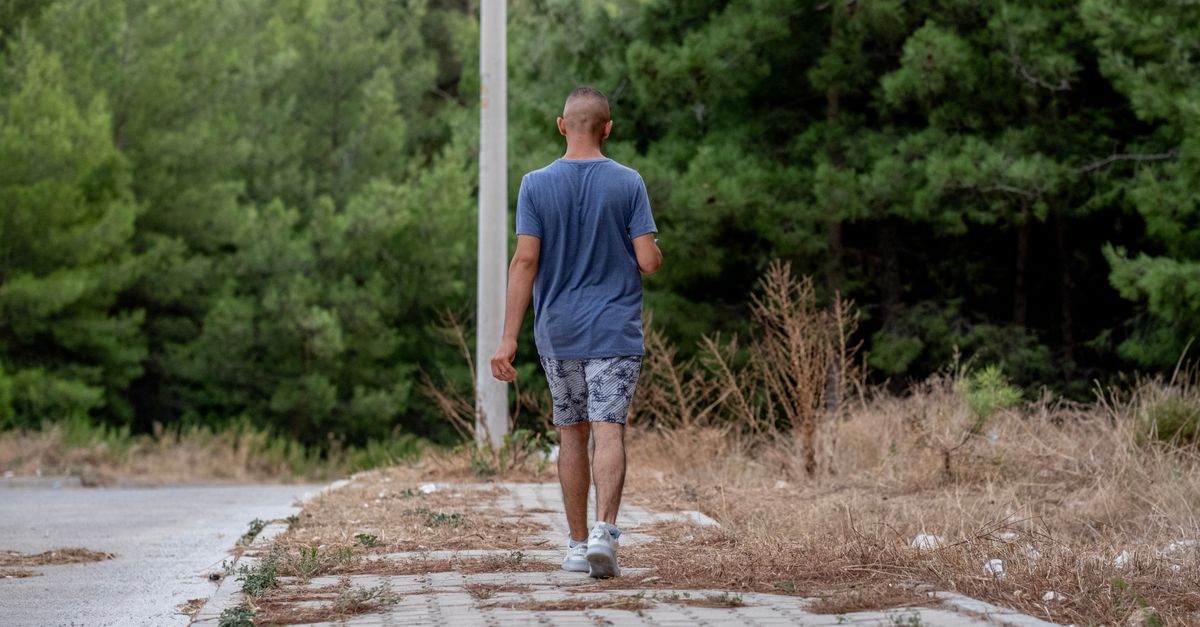
Swollen fingers during a walk are primarily caused by peripheral vasodilation, where blood vessels expand to release body heat, and the centrifugal force generated by swinging the arms, which drives fluid into the extremities. As physical activity increases the core body temperature, the autonomic nervous system directs blood away from the internal organs and toward the skin’s surface to facilitate cooling. When this increased blood volume pools in the hands due to gravity and motion, the resulting fluid shift causes the soft tissues of the fingers to expand and feel tight.
This phenomenon is a normal physiological response to exercise and environmental conditions. The cardiovascular system is highly dynamic, constantly adjusting vascular tone and fluid distribution to maintain homeostasis. While walking is a low-impact cardiovascular activity, it requires sustained muscular effort that alters systemic hemodynamics.
Understanding the mechanics of peripheral edema during exercise helps alleviate discomfort and anxiety. By examining thermoregulation, lymphatic drainage, and hydration status, individuals can implement simple behavioral modifications to minimize hand swelling and maintain optimal comfort during prolonged walks.
2. Thermoregulation and Vasodilation
The human body must maintain a core temperature within a very narrow, strict range. During a brisk walk, the working muscles generate a significant amount of metabolic heat. To prevent hyperthermia, the brain initiates a cooling protocol known as thermoregulation.
A primary mechanism of thermoregulation is peripheral vasodilation. The smooth muscles lining the blood vessels near the surface of the skin relax, allowing the vessels to widen. This widening permits a larger volume of warm blood to flow from the hot core to the cooler periphery, specifically the hands, arms, and legs.
As the blood reaches the skin of the hands, heat is lost to the environment through radiation and the evaporation of sweat. However, this intentional pooling of blood increases the hydrostatic pressure within the tiny capillaries of the fingers, forcing clear fluid out of the blood vessels and into the surrounding soft tissues, causing them to swell.
3. The Effect of Centrifugal Force
Biomechanics play a pivotal role in extremity swelling. A natural, efficient walking gait involves the rhythmic swinging of the arms in opposition to the legs. This swinging motion serves to balance the rotational forces of the torso and preserve momentum.
However, swinging the arms creates centrifugal force. This physical force pushes fluids outward, away from the center of rotation at the shoulder, directly down toward the hands and fingers.
Because the hands are positioned at the lowest point of the pendulum swing, gravity compounds the centrifugal effect. The blood and interstitial fluids are driven distally. Over the course of a long walk, this continuous downward force overwhelms the delicate venous return system, resulting in noticeable fluid accumulation in the digits.
4. Venous Return and Muscular Pumps
The cardiovascular system relies on the heart to pump oxygenated blood to the extremities. Returning that deoxygenated blood back to the heart against gravity requires the assistance of the skeletal muscle pump. When muscles contract, they squeeze the deep veins, pushing blood upward.
In the legs, the large calf muscles perform this pumping action highly efficiently during a walk. In the arms, however, the muscles remain relatively relaxed during the swinging motion. There is very little rhythmic muscular contraction occurring in the forearms or hands.
Without a robust muscular pump to actively squeeze the veins in the arms, the blood returning from the hands moves sluggishly. This venous stasis leads to a backlog of fluid in the capillary beds of the fingers, leading to the sensation of tight, swollen skin.
5. Fluid and Electrolyte Shifts
Hydration status and electrolyte balance profoundly influence tissue edema. Sodium is a primary extracellular electrolyte that dictates fluid retention. If an individual consumes a high-sodium meal prior to walking, the body retains excess water to keep the sodium concentration diluted.
During exercise, the body loses water and sodium through sweat. If the walker replaces this lost fluid by drinking large volumes of plain, hypotonic water without replacing the electrolytes, the blood sodium concentration drops, a condition known as mild exercise-associated hyponatremia.
To correct this imbalance, fluid shifts out of the vascular space and into the interstitial spaces of the tissues. The hands and fingers, already engorged with blood from vasodilation, are prime locations for this extra fluid to settle, exacerbating the swelling.
6. The Role of Humidity and Temperature
Environmental factors act as potent catalysts for peripheral edema. Walking in hot, humid weather severely limits the body’s ability to cool itself. High ambient humidity prevents sweat from evaporating efficiently from the skin.
Because the primary cooling mechanism is compromised, the autonomic nervous system commands even more profound peripheral vasodilation in a desperate attempt to shed heat. The blood vessels in the hands dilate maximally.
This extreme vasodilation maximizes the capillary hydrostatic pressure, pushing significant amounts of fluid into the finger tissues. Conversely, walking in cold weather typically induces vasoconstriction, keeping blood away from the skin, which explains why fingers rarely swell during a winter walk.
7. Lymphatic System Dynamics
The lymphatic system works in tandem with the cardiovascular system to manage tissue fluid. It is responsible for collecting the excess interstitial fluid that leaks out of the capillaries and transporting it back into the central circulation.
Like the venous system, the lymphatic vessels rely on movement and muscular contraction to propel fluid upward. The relatively passive swinging of the arms during a walk does not provide adequate mechanical stimulation to the lymphatic vessels of the upper extremities.
When the rate of fluid leaking into the finger tissues from vasodilation exceeds the rate at which the sluggish lymphatic system can drain it away, swelling is the inevitable physical result. This mechanism highlights why biomechanical movement patterns are crucial to overall physiological function.
8. Clothing and Constriction
Physical constriction from clothing or accessories mechanically impedes fluid return. Wearing tight elastic cuffs, restrictive long sleeves, or heavy watches acts as a superficial tourniquet on the arm or wrist.
These restrictive items compress the thin-walled superficial veins and lymphatic vessels located just under the skin. While arterial blood, driven by the high pressure of the heart, can easily push past the constriction into the hand, the low-pressure venous return cannot push back up.
The fluid becomes trapped in the hand. Ensuring that clothing is loose-fitting around the shoulders, elbows, and wrists is a simple clinical intervention to preserve optimal fluid dynamics during exercise.
9. Hydration Status
Paradoxically, both dehydration and overhydration can contribute to swollen extremities. When the body becomes mildly dehydrated, it perceives a threat to its total blood volume. In response, it releases antidiuretic hormone to signal the kidneys to conserve water.
This fluid retention mechanism, combined with the heat-induced vasodilation of walking, creates a scenario where the body is holding onto fluid and directing it toward the skin.
Maintaining an optimal state of euhydration by drinking according to thirst, rather than forcing fluids, ensures that the kidneys manage water and sodium perfectly, reducing the likelihood of systemic fluid retention and localized finger swelling.
10. Structured Overview of Hand Swelling Factors
Identifying the primary cause of exercise-induced edema requires evaluating multiple physiological variables. The table below outlines these common mechanisms.
| Trigger Element | Biological Mechanism | Physiological Consequence |
|---|---|---|
| Heat | Peripheral vasodilation | Increased blood pooling and capillary leakage in hands. |
| Biomechanics | Centrifugal force and gravity | Drives fluid downward, overwhelming venous return. |
| Metabolic | Electrolyte imbalance | Osmotic fluid shifts into the soft tissues of the fingers. |
11. Cardiovascular Fitness
A person’s baseline level of cardiovascular fitness influences vascular reactivity. Highly conditioned athletes possess more efficient thermoregulatory systems. They begin sweating earlier and their blood vessels dilate more precisely to manage core temperature.
In individuals who are unaccustomed to regular aerobic exercise, the vascular response can be somewhat erratic. The body may overcompensate by heavily dilating the peripheral vessels, leading to more pronounced swelling.
As the individual engages in regular walking and their cardiovascular fitness improves, the vascular tone stabilizes. The body becomes more efficient at returning venous blood, and the incidence of tight, swollen fingers typically decreases.
12. Hand Positioning
Modifying hand position during the walk is the most direct mechanical solution to swelling. Because gravity and centrifugal force are the primary culprits trapping fluid in the distal extremities, changing the angle of the arms reverses the physical forces.
Clinicians recommend periodically bending the elbows to a ninety-degree angle and pumping the arms back and forth, similar to a running posture. This stops the pendulum effect and reduces the centrifugal force.
Additionally, elevating the hands above the level of the heart for brief periods, or resting the hands on the straps of a backpack, allows gravity to assist the veins and lymphatic vessels in draining the accumulated fluid back into the central circulation.
13. Immediate Interventions
If the fingers become uncomfortably swollen and tight during a walk, actively engaging the muscles of the forearm and hand is necessary. The walker should rhythmically clench and unclench the fists.
Spreading the fingers wide and then squeezing them into a tight ball forcefully activates the skeletal muscle pump in the hands and forearms. This muscular squeezing physically compresses the veins, pushing the pooled blood and lymphatic fluid upward against gravity.
Removing rings before embarking on a long walk is a crucial preventative step. As the fingers swell, rings can become painfully tight, creating a localized constriction that acts as a tourniquet, entirely cutting off blood flow to the tip of the digit.
14. Prevention
Preventative strategies focus on maintaining core temperature and optimizing fluid balance. Walking during the cooler parts of the day, such as early morning or late evening, significantly reduces the environmental heat load and the corresponding need for extreme peripheral vasodilation.
Staying properly hydrated with fluids that contain a balance of electrolytes prevents osmotic shifts into the tissues. Avoiding heavy, high-sodium meals immediately prior to a walk keeps baseline fluid retention low.
Utilizing walking poles is an excellent biomechanical adjustment. Holding and planting the poles with each step requires continuous, light gripping and forearm contraction. This constant muscular engagement acts as a highly effective pump, ensuring robust venous return and completely preventing fluid pooling.
15. Identifying Red Flag Symptoms
Swelling in the hands during exercise is almost universally a benign, physiological response. However, it is essential to distinguish exercise-induced edema from potential pathological conditions.
If the swelling is completely asymmetrical, affecting only one hand or arm, it suggests a localized vascular blockage, a lymphatic obstruction, or an acute thrombosis that requires immediate medical evaluation.
Furthermore, if the swelling does not resolve within an hour or two of resting, or if it is accompanied by severe joint pain, widespread facial swelling, or difficulty breathing, it may indicate an allergic reaction, heart failure, or a systemic inflammatory disorder. Persistent, unresolving edema mandates a comprehensive clinical assessment.
16. Frequently Asked Questions
1. Why do my hands swell when I walk but not when I run?
When you walk, your arms usually swing loosely at your sides, allowing centrifugal force to push fluid down into your hands without your muscles pumping it back up. When you run, your elbows are bent and your arm muscles are engaged, which helps pump the fluid back toward your heart.
2. Does drinking more water stop my fingers from swelling?
Not necessarily. If you drink too much plain water without replacing sodium lost in sweat, it can actually cause fluid to shift into your tissues and worsen the swelling. Drink according to your thirst and consider an electrolyte beverage for long, hot walks.
3. Will walking with a walking stick help?
Yes. Using a walking stick or trekking poles requires you to grip the handles and flex your forearm muscles. This continuous muscle contraction acts as a pump, forcing the blood out of your hands and preventing swelling.
4. Is it dangerous if my rings get tight during a walk?
The swelling itself is not dangerous, but a tight ring can act like a tourniquet and cut off the blood supply to your finger. It is highly recommended to leave rings at home or wear them on a necklace when going for a long walk.
5. How quickly should the swelling go away after I stop walking?
Exercise-induced swelling should begin to decrease as soon as you stop moving and cool down. It typically resolves completely within thirty minutes to an hour as your blood vessels constrict and your body returns to its resting state.
17. Bibliography
Disclaimer: The content is for informational purposes only and does not replace medical advice. Always consult your doctor for personalized treatment.



