1. Introduction
Sudden intense itching after a hot shower is primarily caused by the rapid stripping of natural oils from the skin, resulting in an impaired epidermal barrier and acute dehydration. Additionally, the sudden elevation in skin temperature triggers mast cells to release histamine, a chemical that directly stimulates nerve endings and creates a profound urge to scratch. In more specific clinical scenarios, this phenomenon can be linked to conditions such as aquagenic pruritus, where water contact itself triggers a neurological itch without any visible rash.
The human skin acts as a sophisticated barrier, relying on a delicate balance of lipids and moisture to protect the underlying nerve endings. Hot water acts as a potent solvent, dissolving this protective lipid layer. When a person steps out of a hot shower into cooler, drier air, the residual water on the skin evaporates rapidly, pulling the skin’s internal moisture out with it and leaving the epidermis parched and vulnerable.
Addressing post-shower itching requires understanding the physical properties of the skin and the neurological pathways of pruritus (itch). By modifying bathing habits, utilizing appropriate emollients, and ruling out underlying systemic conditions, individuals can successfully restore the skin barrier and prevent this intensely frustrating daily symptom.
2. The Epidermal Barrier and Lipid Depletion
The outermost layer of the skin, the stratum corneum, functions much like a brick wall. The skin cells act as the bricks, and a complex matrix of natural lipids—including ceramides, cholesterol, and fatty acids—acts as the mortar. This lipid mortar prevents moisture from escaping and stops environmental irritants from penetrating.
Hot water is exceptionally efficient at melting and washing away these crucial lipids. Prolonged exposure to a hot shower aggressively strips the stratum corneum of its natural protective coating.
Without this lipid barrier, the skin loses its structural integrity. Microscopic cracks develop on the surface, exposing the delicate, superficial nerve endings to the air and any chemical residues left behind by soap. The brain interprets the exposure and drying of these nerve endings as a sharp, widespread itch.
3. Heat-Induced Vasodilation
Temperature profoundly affects blood flow. When the body is exposed to a hot shower, the cardiovascular system attempts to dissipate the heat by widening the blood vessels near the surface of the skin, a process known as peripheral vasodilation.
This rush of warm blood to the skin’s surface causes noticeable redness and increases the local metabolic rate. The engorged blood vessels also increase the pressure within the skin tissues, which can slightly compress the surrounding sensory nerves.
Furthermore, this sudden warmth and increased blood flow can essentially “wake up” dormant nerve endings, making them hyper-reactive to any subsequent stimuli, such as the friction of a towel or the sudden drop in air temperature upon stepping out of the shower stall. This vascular reaction parallels the physiological shifts seen in exercise-induced fluid pooling, where temperature dictates blood flow.
4. Mast Cell Activation and Histamine
Mast cells are specialized immune cells located abundantly in the skin. They act as sentinels, containing granules filled with histamine and other inflammatory mediators. Their primary function is to protect the body against pathogens and physical injury.
Extreme changes in temperature, such as the intense heat of a shower, can mechanically and thermally agitate these mast cells. In sensitive individuals, this thermal stress causes the mast cells to degranulate, dumping histamine directly into the surrounding skin tissue.
Histamine binds to specific receptors on the sensory nerve fibers, generating an intense, undeniable itch signal that travels straight to the brain. This histamine release often occurs without the classic formation of hives, leaving the skin looking normal but feeling uncontrollably itchy.
5. Aquagenic Pruritus
Aquagenic pruritus is a distinct, relatively rare clinical condition characterized by severe, prickling itching provoked immediately by contact with water of any temperature, though it is often exacerbated by hot water. Crucially, this condition produces absolutely no visible skin changes; there are no hives, redness, or rash.
The exact pathophysiology of aquagenic pruritus remains under investigation, but it is believed to involve a localized defect in the sensory nervous system or an abnormal release of acetylcholine in the skin upon water contact.
The itching typically begins within minutes of leaving the shower and can last for an hour or more. Because the skin appears perfectly normal, patients are often deeply frustrated. A clinical diagnosis is made based on patient history, and management often involves specialized topical treatments or systemic medications.
6. Soaps, Surfactants, and Chemical Irritants
The cleansing products used in the shower frequently compound the damage caused by hot water. Many commercially available bar soaps and body washes contain harsh surfactants, such as sodium lauryl sulfate, designed to create a rich lather and aggressively remove dirt and oil.
These surfactants do not distinguish between unwanted dirt and the skin’s essential lipid barrier. They strip the skin bare, significantly raising its pH from its natural, slightly acidic state to a harsh, alkaline state.
An alkaline pH further weakens the skin barrier and promotes inflammation. Additionally, the artificial fragrances and preservatives in these products can easily penetrate the now-compromised skin, causing an acute irritant contact dermatitis that manifests as intense itching the moment the skin begins to dry.
7. Hard Water and Mineral Deposits
The mineral content of the household water supply heavily influences skin health. “Hard” water contains high concentrations of dissolved calcium and magnesium.
When hard water mixes with soap, it forms a sticky, insoluble scum rather than a clean lather. This microscopic film of soap scum clings tenaciously to the skin and cannot be rinsed away easily.
As the skin dries, this mineral and soap residue tightens and pulls at the epidermis, causing mechanical irritation. Furthermore, the calcium deposits directly disrupt the skin barrier function, leading to chronic dryness and making post-shower itching a daily struggle for those living in hard water regions.
8. Neuropathic Itch and Nerve Sensitivity
Not all itch originates from skin damage; some itching is generated entirely within the nervous system. Neuropathic itch occurs when there is a malfunction or damage to the sensory nerves that transmit signals from the skin to the brain.
Conditions such as peripheral neuropathy, multiple sclerosis, or even localized nerve compression in the spine can cause nerves to misfire.
The thermal shock of a hot shower, combined with the tactile stimulation of the water pressure, can overstimulate these already compromised nerve pathways. The brain receives a chaotic barrage of signals and interprets them as a deep, burning itch that does not respond to scratching or typical moisturizers.
9. Underlying Dermatological Conditions
Preexisting skin conditions are drastically worsened by hot water exposure. Eczema (atopic dermatitis) and psoriasis are characterized by a fundamentally defective skin barrier and chronic underlying inflammation.
For a patient with eczema, the skin is already deficient in ceramides and struggles to retain moisture. A hot shower rapidly accelerates this moisture loss. The heat also inflames the microscopic lesions characteristic of the disease.
Upon exiting the shower, the patient experiences an immediate, severe flare-up of their condition. The itching is intense and usually accompanied by patches of red, scaly, or visibly inflamed skin, differentiating it from the invisible itch of pure aquagenic pruritus.
10. Structured Overview of Post-Shower Itching
Categorizing the source of the itch guides effective clinical intervention. The table below outlines the primary triggers and their physiological mechanisms.
| Trigger Category | Specific Cause | Physiological Mechanism |
|---|---|---|
| Barrier Disruption | Hot water, harsh soaps | Strips lipids, exposing nerve endings to dry air. |
| Chemical/Immune | Histamine release | Heat triggers mast cells to release itch-inducing chemicals. |
| Neurological | Aquagenic pruritus | Water contact causes abnormal nerve firing without a rash. |
11. Cholinergic Urticaria and Heat Rash
Cholinergic urticaria is a specific type of physical hive triggered by a rise in core body temperature and sweating. The intense heat of a prolonged hot shower raises the body temperature sufficiently to activate this immune response.
In patients with this condition, the nervous system releases acetylcholine to trigger sweating, but the body reacts abnormally to this neurotransmitter. The result is the rapid development of hundreds of tiny, intensely itchy, pinpoint hives surrounded by bright red skin.
This intense itching and visible rash appear immediately during or right after the hot shower and typically fade within an hour as the body cools down. Recognizing the presence of these tiny hives is key to distinguishing cholinergic urticaria from dry skin.
12. Proper Bathing Techniques
Preventing post-shower itching requires a fundamental change in bathing habits. The most critical intervention is lowering the water temperature. Showers should be lukewarm, strictly avoiding steaming hot water that melts the skin’s lipid layer.
Duration is equally important. Showers should be kept brief, ideally under ten minutes, to minimize the time the skin spends exposed to the solvent effects of water.
Patients must discard harsh, highly fragranced soaps. Clinicians recommend using soap-free, pH-balanced liquid cleansers or cleansing oils. These products are formulated to gently remove dirt without stripping the stratum corneum or altering the natural acidic mantle of the skin.
13. Emollients and Skin Barrier Restoration
The physical act of drying the skin dictates how much moisture is retained. Vigorously rubbing the skin with a rough towel creates severe mechanical friction, further damaging the compromised barrier and stimulating itch receptors.
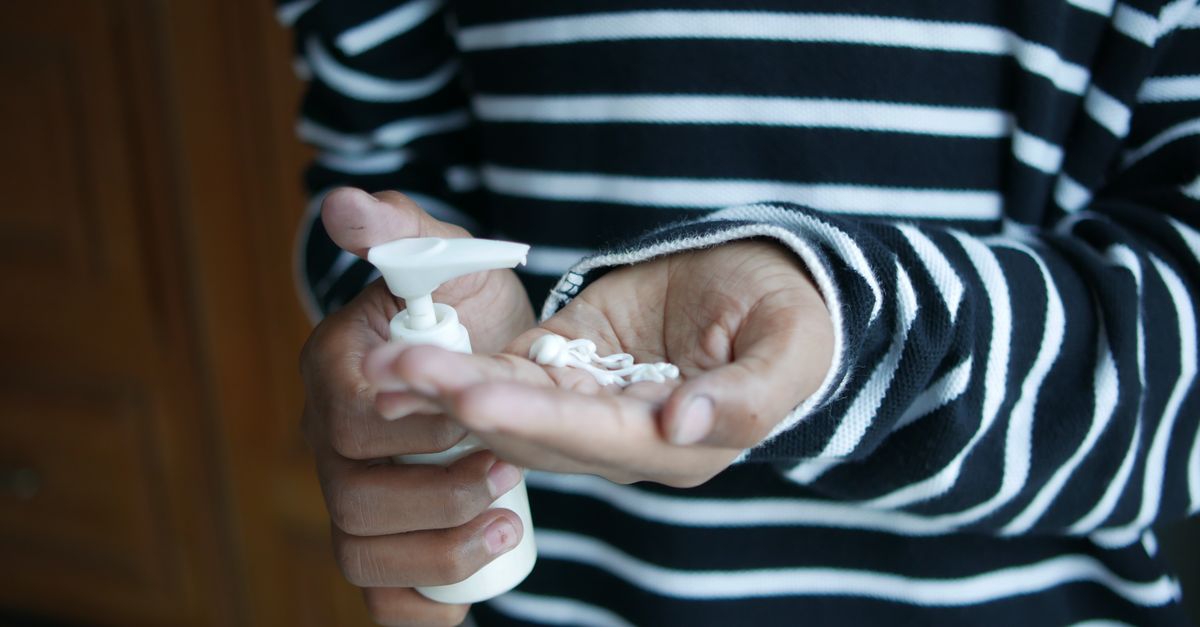
Instead, the skin should be gently patted dry, leaving a slight layer of moisture on the surface. Within three minutes of exiting the shower—the critical “three-minute rule”—a liberal amount of a high-quality emollient must be applied to the entire body.
Thick creams or ointments containing ceramides, glycerin, or petrolatum are far superior to thin, water-based lotions. These heavy emollients lock the residual water into the epidermis and artificially replace the lipid barrier that the shower removed, immediately halting the dry-skin itch cycle.
14. Pharmacological Management
When behavioral modifications and thick moisturizers fail to resolve the itching, pharmacological therapies are employed. For itch driven by histamine release or aquagenic pruritus, oral antihistamines provide significant relief.
A non-drowsy antihistamine taken prior to showering can block the H1 receptors on the nerve endings, preventing the histamine dumped by the mast cells from triggering the itch signal.
If the itching is localized and severe, a short course of topical corticosteroids may be prescribed to rapidly reduce skin inflammation. However, these must be used sparingly to prevent thinning of the skin. For cases involving nerve dysregulation, neuromodulating medications like gabapentin may be considered by a specialist.
15. When to Consult a Dermatologist
While post-shower itching is frequently a benign consequence of dry skin, persistent or severe cases warrant professional dermatological evaluation. If the itching is so intense that it causes bleeding from scratching, disrupts sleep, or does not improve with strict moisturization protocols, an underlying systemic issue must be ruled out.
Severe, generalized itching without a rash can occasionally be an early clinical sign of thyroid disease, liver dysfunction, kidney failure, or certain hematologic conditions like polycythemia vera (which is uniquely associated with aquagenic pruritus).
A dermatologist can perform a comprehensive assessment, patch testing for soap allergies, and order necessary blood work to ensure that serious systemic pathologies are not dismissed as simple dry skin. Just as severe nocturnal sweating requires endocrine evaluation, persistent neuropathic itch demands clinical scrutiny.
16. Frequently Asked Questions
1. Why does hot water make my skin itch so badly?
Hot water acts like a solvent. It aggressively melts and washes away the natural oils that protect your skin. When you step out of the shower, your skin loses moisture rapidly, causing it to crack microscopically and exposing sensitive nerve endings, which results in a severe itch.
2. Why do I itch after a shower even though I don’t have a rash?
If there is no rash, the itch is usually caused by extreme dryness or a condition called aquagenic pruritus, where your nerves react abnormally to water contact itself. The nerves fire itch signals to the brain without any visible inflammation on the skin surface.
3. Will changing my soap stop the itching?
It can help significantly. Many standard bar soaps are highly alkaline and strip the skin bare. Switching to a fragrance-free, soap-free liquid cleanser helps preserve your skin’s natural protective barrier.
4. How quickly should I apply lotion after a shower?
You must apply a thick cream or ointment within three minutes of gently patting your skin dry. This traps the residual water from the shower inside your skin before it has a chance to evaporate into the dry air.
5. When is itching after a shower a sign of a more serious problem?
You should see a doctor if the itching is unbearable, lasts for hours, affects your sleep, or if you also experience fatigue, weight loss, or night sweats, as these can be signs of underlying liver, kidney, or blood disorders.
17. Bibliography
Disclaimer: The content is for informational purposes only and does not replace medical advice. Always consult your doctor for personalized treatment.