1. Introduction
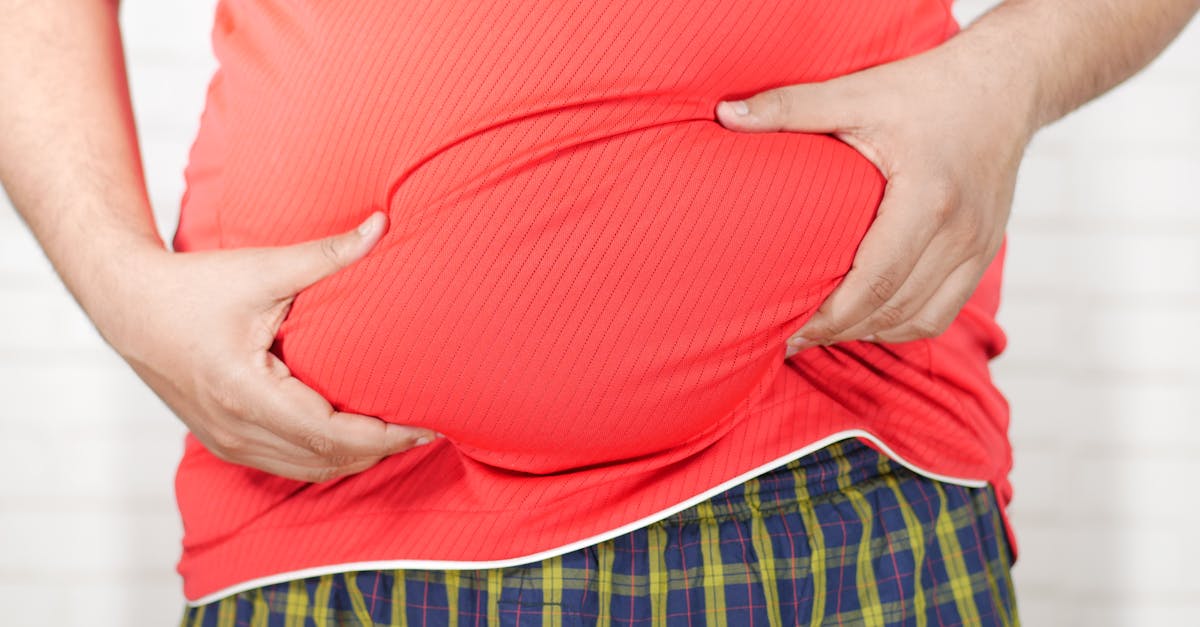
When the stomach is bloated and hard to the touch, it indicates a significant internal buildup of gas, fluid, or trapped stool that is stretching the abdominal wall to its physical limits. This condition, medically termed objective abdominal distension, creates acute tension in the abdominal musculature, resulting in a rigid, board-like sensation upon palpation.
While subjective bloating involves merely the feeling of fullness without visible expansion, a hard, protruding abdomen represents a measurable physical change. The underlying pathophysiology can range from benign dietary fermentation in the intestines to severe clinical emergencies like bowel obstruction or massive fluid accumulation in the peritoneal cavity.
Physicians evaluate a rigid abdomen with strict attention to the onset speed and accompanying symptoms. Identifying whether the distension is located entirely within the gastrointestinal tract or situated in the surrounding abdominal cavity is the vital first step in directing appropriate clinical care.
2. The Physiology of Abdominal Distension
The abdominal cavity is a closed space bound by the diaphragm above, the pelvic floor below, and layers of muscle anteriorly. The intestines normally accommodate a moderate amount of gas and digestive chyme by relaxing their smooth muscle walls and gently displacing surrounding structures.
When excessive volume accumulates rapidly, the intraluminal pressure inside the gut exceeds the resting tone of the abdominal wall. The brain triggers the rectus abdominis and oblique muscles to reflexively contract in an attempt to protect the expanding internal organs. This muscular guarding creates the distinct hardness felt when pressing on the stomach.
Furthermore, an abdomino-phrenic reflex anomaly often occurs in functional digestive disorders. Instead of the diaphragm relaxing upward to accommodate intestinal gas, it contracts downward, pushing the abdominal contents forcefully outward against a tightened abdominal wall, severely exacerbating the visual protrusion and hard texture.
3. Gastrointestinal Motility Disorders
Sluggish intestinal transit is a primary cause of gas accumulation and subsequent distension. When the smooth muscles of the digestive tract fail to contract in a coordinated, rhythmic fashion, food boluses stall in the intestines. This condition allows naturally occurring gut bacteria an unusually long time to ferment dietary carbohydrates.
Gastroparesis, a condition where the stomach empties into the small intestine at an abnormally slow rate, leads to upper abdominal distension shortly after meals. The retained food ferments, producing immense volumes of carbon dioxide and methane gases that distend the gastric pouch, creating localized hardness beneath the ribs.
Chronic constipation works via a similar mechanism in the lower tract. Fecal impaction physically blocks the exit route for intestinal gases. As newly produced gas continuously hits this blockage, the colon inflates like a balloon, causing the entire lower abdomen to become taut, painful, and unyielding to pressure.
4. Small Intestinal Bacterial Overgrowth
The small intestine typically houses a relatively low concentration of bacteria compared to the colon. In small intestinal bacterial overgrowth, colonic bacteria migrate upward and colonize the small bowel. This premature exposure of unabsorbed food to large bacterial populations triggers massive, rapid fermentation.
Patients with this condition typically wake up with a flat stomach, but experience progressive, severe bloating throughout the day as they consume meals. The gases produced, primarily hydrogen and methane, rapidly inflate the small intestine.
Because the small intestine is centrally located, this inflation pushes outward uniformly. The sudden volume increase stretches the mesentery and the abdominal wall, leading to a drum-like tightness that feels distinctly hard and rigid during the afternoon and evening hours.
5. Food Intolerances and Malabsorption
The inability to digest specific nutrient molecules is a frequent catalyst for acute abdominal distension. Lactose intolerance, caused by a deficiency in the lactase enzyme, prevents the absorption of dairy sugars. These intact sugars act as an osmotic draw, pulling vast amounts of water into the intestinal lumen while simultaneously undergoing fierce bacterial fermentation.
Celiac disease induces a severe autoimmune inflammatory response when gluten is ingested. This inflammation blunts the intestinal villi, destroying the surface area required for nutrient absorption. The unabsorbed nutrients draw fluid into the bowel, causing heavy, tense bloating that feels solid to the touch.
FODMAPs, a collection of short-chain carbohydrates found in onions, garlic, beans, and certain fruits, are notoriously difficult to absorb. In individuals with a sensitive gut, these compounds rapidly ferment, producing immediate, sharp gas pains and a rock-hard abdomen within an hour of consumption.
6. Ascites and Fluid Accumulation
When the abdomen feels uniformly tight, hard, and heavy, but the distension is not related to recent meals, ascites must be considered. Ascites is the pathological accumulation of serous fluid within the peritoneal cavity, the space between the abdominal organs and the abdominal wall.
This condition is most commonly driven by portal hypertension secondary to liver cirrhosis. As the scarred liver resists blood flow, hydrostatic pressure forces fluid out of the blood vessels directly into the abdominal cavity.
Unlike gas, which can shift or be expelled, ascitic fluid continues to accumulate relentlessly. The sheer volume of liquid exerts immense hydraulic pressure against the abdominal muscles, resulting in a dangerously tense, hard abdomen that impairs diaphragmatic movement and causes severe shortness of breath.
7. Bowel Obstruction Risks
A mechanical bowel obstruction is a critical medical emergency characterized by a massively bloated and rigidly hard abdomen. Obstructions occur when physical barriers, such as surgical adhesions, twisting of the intestine, or malignant tumors, completely block the passage of digestive contents.
Above the point of blockage, the intestines become engorged with swallowed air, gastric secretions, and trapped food. The bowel wall stretches to a critical point, threatening ischemia and perforation.
The abdominal hardness in this scenario is due to extreme visceral inflation combined with involuntary, rigid muscle guarding as the body attempts to shield the inflamed, obstructed organ. Accompanying symptoms always include severe, colicky pain, intractable vomiting, and an absolute inability to pass gas.
8. Gynecological Factors in Females
In females, reproductive organ pathology frequently causes lower abdominal distension that mimics gastrointestinal bloating. Large ovarian cysts or uterine fibroids are solid or fluid-filled masses that physically occupy space within the pelvic and lower abdominal cavities.
As these masses grow, they displace the intestines upward and push firmly against the lower abdominal wall. A patient will feel a distinct, localized hardness that does not fluctuate with dietary changes or bowel movements.
Furthermore, severe endometriosis or pelvic inflammatory disease can cause generalized pelvic inflammation and secondary paralytic ileus, where the bowels temporarily halt movement due to adjacent inflammation, leading to secondary gas accumulation and a rigid lower stomach.
9. Visceral Hypersensitivity
In conditions like irritable bowel syndrome, the actual volume of gas in the intestines may be completely normal, yet the abdomen becomes visibly distended and hard. This paradox is driven by visceral hypersensitivity and disordered sensory processing in the central nervous system.
The nerves lining the gut are hyper-reactive. Normal amounts of digestion-related stretch trigger intense pain signals to the brain. In response to this perceived threat, the abdominal wall muscles contract defensively.
This sustained muscular contraction creates a hardened physical barrier, while the simultaneous downward push of the diaphragm forces the intestines outward. The patient experiences genuine physical hardness and distension, driven by neurological dysregulation rather than excessive gas volume.
10. Evaluating the Hard Abdomen
Clinical differentiation relies heavily on the physical characteristics of the distension and specific diagnostic tests.
| Clinical Assessment Finding | Likely Underlying Mechanism |
|---|---|
| Tympanic, hollow sound upon tapping | Trapped gas from fermentation or obstruction. |
| Dull, heavy sound shifting with posture | Ascites fluid accumulation in the peritoneal cavity. |
| Hard localized mass in the lower pelvis | Gynecological growth such as fibroids or cysts. |
| Severe rigidity with rebound tenderness | Peritonitis or acute mechanical bowel obstruction. |
11. Dietary and Lifestyle Interventions
For functional bloating and dietary intolerances, implementing a low-FODMAP diet is highly effective. This elimination protocol removes highly fermentable carbohydrates, drastically reducing gas production and alleviating the internal pressure that causes the abdomen to become hard.
Regular, light cardiovascular exercise, such as brisk walking after meals, stimulates gastrointestinal motility. Physical movement accelerates the transit of gas through the intestines, preventing localized pooling and subsequent distension.
Adequate hydration and increased soluble fiber intake are vital for managing constipation-induced bloating. Softening the stool allows for complete evacuation, removing the physical blockage that forces gas to accumulate and stretch the colon walls.
12. Pharmacological Relief Strategies
When dietary management is insufficient, targeted medications provide symptomatic relief. Antispasmodic agents block the parasympathetic nerve signals that cause painful bowel spasms, relaxing the intestinal wall and reducing the sensation of tightness.
Osmotic laxatives draw water into the colon to rapidly clear fecal impactions, eliminating the source of gas buildup. Prokinetic drugs increase the frequency and strength of stomach and small intestine contractions, efficiently sweeping food and gas downward before excessive fermentation occurs.
For patients with bacterial overgrowth, localized, non-absorbable antibiotics are prescribed to eradicate the displaced colonic bacteria in the small bowel. This intervention directly removes the source of the rapid gas generation that causes daily abdominal hardness.
13. Warning Signs and Emergency Care
A stomach that rapidly becomes distended and rigidly hard requires immediate emergency evaluation to prevent catastrophic complications like bowel perforation or systemic sepsis. Time is of the essence in acute abdominal presentations.
Red flag symptoms include the sudden onset of agonizing, unrelenting pain, persistent vomiting of dark or bilious material, a high fever, or blood in the stool. If the abdomen is so rigid that pressing on it causes severe pain that worsens rapidly when the hand is released, peritonitis is highly probable.
Surgical intervention is the definitive treatment for mechanical bowel obstructions, perforated organs, or ruptured cysts. Immediate intravenous fluids, gastric decompression via a nasogastric tube, and broad-spectrum antibiotics are initiated while awaiting surgical clearance.
14. Frequently Asked Questions FAQ
1. Why does my stomach feel as hard as a rock?
A rock-hard stomach is usually the result of severe trapped gas, constipation, or localized muscle spasms attempting to protect inflamed internal organs from further stretch and irritation.
2. Does drinking water help a bloated hard stomach?
Yes, sipping warm water can help dissolve dietary fiber, soften trapped stool, and stimulate normal intestinal contractions to move trapped gas out of the digestive system.
3. Can stress cause your stomach to become hard and distended?
Severe anxiety activates the sympathetic nervous system, slowing down digestion and altering breathing patterns, which can push the diaphragm down and make the abdomen protrude and feel tight.
4. How do doctors check for fluid versus gas in a swollen stomach?
Doctors percuss the abdomen by tapping on it; a hollow, drum-like sound indicates trapped gas, while a dull, thudding sound that shifts when you roll over indicates fluid accumulation.
5. Is a hard lower stomach a sign of ovarian cysts?
Yes, large ovarian cysts or uterine fibroids are solid masses that take up space in the pelvis, pushing against the lower abdominal wall and causing it to feel persistently hard and firm.
15. Bibliography
Disclaimer: The content is for informational purposes only and does not replace medical advice. Always consult your doctor for personalized treatment.