1. Introduction
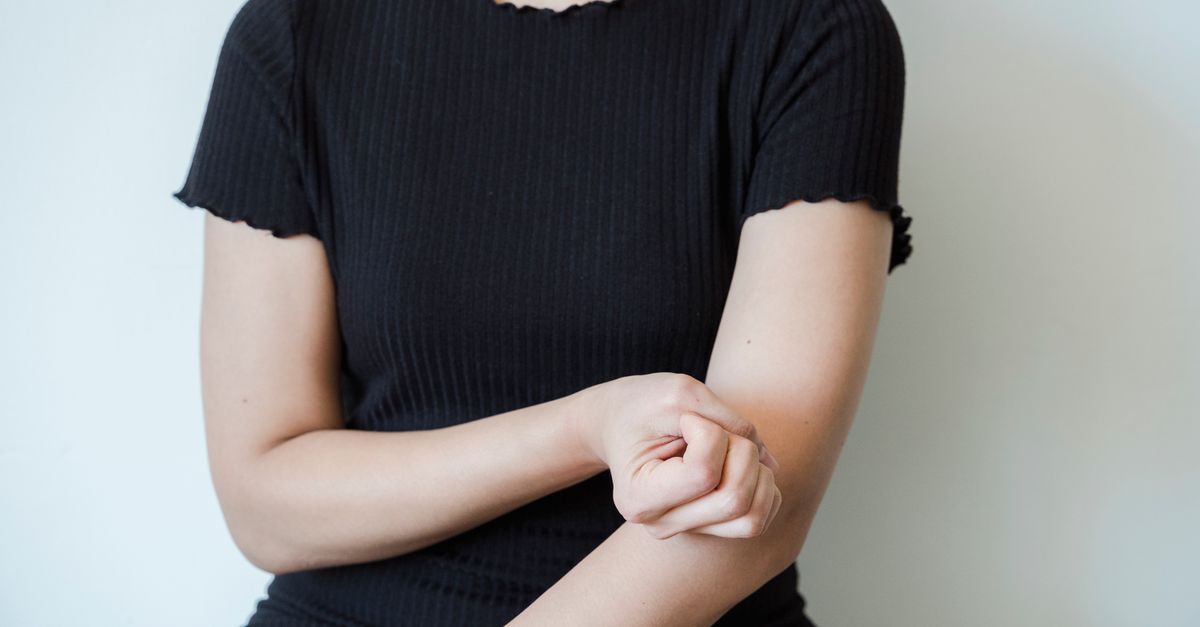
Extremely dark and rough skin on the elbows is frequently caused by a combination of hyperkeratosis and hyperpigmentation induced by chronic mechanical friction. In other clinical scenarios, this presentation may indicate an underlying systemic issue, such as an endocrine imbalance, which leads to a dermatological condition known as acanthosis nigricans. The extensor surfaces of the body are uniquely structured to withstand stress, but this adaptation can result in significant cosmetic and structural changes.
The elbows are subjected to near-constant pressure and friction throughout daily activities. Leaning on desks, resting on armrests, and wearing rough fabrics constantly abrade the epidermal layer. The skin responds to this chronic trauma by rapidly proliferating to build a thicker, protective shield.
Understanding the specific etiology is crucial for effective treatment. While purely frictional rough skin responds well to aggressive topical exfoliation and hydration, skin changes driven by metabolic disorders require a comprehensive medical approach targeting the systemic cause.
2. The Anatomy of Extensor Surface Skin
The skin covering the elbows and knees belongs to the extensor surfaces of the body. Anatomically, this skin is significantly different from the skin on the flexural (inner) surfaces or the face. It possesses a naturally thicker stratum corneum, the outermost layer of dead keratinocytes, designed to provide mechanical padding over the prominent underlying bone.
Furthermore, the skin on the elbows contains a very low density of sebaceous (oil) glands. Sebaceous glands secrete sebum, a lipid-rich substance that coats the skin, traps moisture, and maintains barrier flexibility.
Because the elbows lack adequate natural lubrication, they are highly prone to xerosis (severe dryness). When this naturally dry, thick skin is subjected to environmental stress, the keratinocytes lose their ability to shed normally, leading to an accumulation of rough, unyielding tissue.
3. Frictional Hyperkeratosis and Lichenification
The most common cause of rough, dark elbows is frictional hyperkeratosis. When the skin is repeatedly subjected to pressure and friction, the basal layer of the epidermis upregulates the production of keratinocytes. This is a protective physiological response; the body attempts to build a localized callus to prevent the underlying tissues from tearing.
However, the continuous mechanical trauma also induces a state of chronic, low-grade inflammation. This causes a condition known as lichenification, where the skin becomes leathery, markedly thickened, and the normal skin markings become exaggerated and deeply grooved.
Simultaneously, the chronic inflammation stimulates the melanocytes residing at the dermal-epidermal junction. These pigment-producing cells become hyperactive and deposit excess melanin into the rapidly multiplying skin cells. The combination of dense, compacted keratin and excess melanin creates the characteristic dark, rough appearance.
4. Acanthosis Nigricans and Insulin Resistance
If the darkening and thickening are symmetrical, velvety in texture, and affect other flexural areas like the neck or armpits, the clinical diagnosis is often acanthosis nigricans. This condition is deeply tied to systemic metabolic dysfunction, most notably insulin resistance.
In patients with insulin resistance, obesity, or type 2 diabetes mellitus, the pancreas secretes high levels of insulin to force glucose into the cells. This circulating hyperinsulinemia has unintended consequences in the skin. High levels of insulin cross-react and bind to Insulin-like Growth Factor-1 (IGF-1) receptors located on keratinocytes and fibroblasts in the skin.
The activation of these IGF-1 receptors triggers rapid, abnormal cellular proliferation. The epidermal cells multiply uncontrollably, forming thick, hyperpigmented plaques. Treating acanthosis nigricans requires addressing the underlying hyperinsulinemia through diet, exercise, and metabolic pharmacology, rather than relying solely on topical skin creams.
5. Psoriasis and Plaque Formation
Psoriasis is a chronic, systemic autoimmune disorder that frequently manifests on the extensor surfaces, making the elbows a classic site of involvement. In psoriasis, the immune system mistakenly attacks healthy skin cells, triggering an inflammatory cascade that drastically accelerates the skin cell lifecycle.
Normally, skin cells mature and shed over 28 days. In psoriatic plaques, this process takes merely 3 to 4 days. The cells do not have time to mature and fall off; instead, they pile up on the surface of the elbow, creating thick, raised, deeply erythematous (red) plaques covered with a dense, silvery-white scale.
In patients with darker skin phototypes, the post-inflammatory hyperpigmentation associated with psoriatic plaques can make the elbows appear very dark brown or purple, rather than red. The surface is exceptionally rough and prone to painful cracking and bleeding upon bending the joint.
6. Hypothyroidism and Xerosis
The endocrine system exerts profound control over skin physiology. The thyroid gland dictates the body’s overall metabolic rate. In hypothyroidism, where the thyroid is underactive, the metabolic rate drops, affecting the function of the epidermis and dermal appendages.
A decrease in thyroid hormones leads to a reduction in eccrine sweat gland and sebaceous gland secretion. The skin universally becomes excessively dry, a condition called xerosis. Because the elbows are already predisposed to dryness, they are often the first areas to demonstrate severe symptoms.
The stratum corneum becomes dehydrated and brittle, resulting in rough, flaking skin. The accumulation of dead, dry cells traps dirt and casts a dark shadow, contributing to the darkened appearance of the joint. Resolving this issue requires systemic thyroid hormone replacement therapy to restore normal cellular turnover.
7. Vitamin Deficiencies
Nutritional deficiencies can manifest directly on the skin, particularly affecting areas subject to mechanical wear. Deficiencies in Vitamin A, Vitamin E, and essential fatty acids disrupt the normal differentiation of keratinocytes and the maintenance of the lipid barrier.
Phrynoderma, specifically associated with severe Vitamin A deficiency, presents as follicular hyperkeratosis. The hair follicles on the extensor surfaces become plugged with hard keratin, creating a very rough, “toad-skin” texture that is dark and distinctly bumpy.
While severe nutritional deficiencies are rare in developed nations, malabsorption syndromes (such as celiac disease or inflammatory bowel disease) can prevent the adequate uptake of these crucial fat-soluble vitamins, leading to progressive roughness and darkening of the elbow skin.
8. Identifying the Clinical Etiology
To determine the correct therapeutic approach, a clinician evaluates the specific characteristics of the skin changes and correlates them with systemic signs.
| Suspected Condition | Distinguishing Clinical Features |
|---|---|
| Frictional Hyperkeratosis | Localized strictly to pressure points, thick callus, distinct leathery texture. |
| Acanthosis Nigricans | Velvety texture, symmetrical, often accompanied by darkening of the neck and axillae. |
| Plaque Psoriasis | Well-demarcated raised borders, thick silvery scale, bleeds when picked (Auspitz sign). |
| Hypothyroidism | Generalized severe dry skin, fatigue, cold intolerance, brittle hair. |
9. The Role of Chemical Keratolytics
For elbows roughened by hyperkeratosis, mechanical scrubbing with pumice stones is often counterproductive, as the abrasive trauma simply signals the skin to build an even thicker callus. The clinical standard of care involves the use of chemical keratolytics.
Keratolytic agents, such as urea, salicylic acid, and lactic acid, work by breaking the intracellular bonds (desmosomes) that hold the dead keratinocytes together. High-concentration urea (20% to 40%) is particularly effective; it dissolves the hard keratin matrix and draws moisture deep into the stratum corneum.
Ammonium lactate 12% lotion is another excellent therapeutic option. It gently exfoliates the darkened dead skin layers while simultaneously acting as a potent humectant, providing rapid improvement in both the texture and color of the elbows.
10. Depigmenting Agents
If the roughness is resolved but the hyperpigmentation remains, targeted depigmenting agents may be considered. However, the thick skin of the elbow makes penetration difficult, requiring stronger formulations than those used on the face.
Topical hydroquinone is the gold standard for depigmentation. It inhibits tyrosinase, the enzyme required for the synthesis of melanin. It must be used under medical supervision, as prolonged use can cause a paradoxical darkening of the skin known as exogenous ochronosis.
Retinoids, derivatives of Vitamin A, are also highly effective. Tretinoin cream accelerates the turnover of the epidermal cells, physically pushing the melanin-laden cells up and out, while also preventing the formation of new hyperkeratotic plaques.
11. Emollient Therapy and Barrier Repair
Chemical exfoliation must be paired with aggressive emollient therapy to restore the absent lipid barrier on the elbows. Lotions containing high water content evaporate quickly and are insufficient for extensor surfaces.
Patients must utilize heavy ointments or thick creams rich in ceramides, dimethicone, and petrolatum. These ingredients form a semi-permeable, occlusive seal over the skin, trapping the water beneath and allowing the dehydrated stratum corneum to soften and regain its flexibility.
For maximum efficacy, emollients should be applied immediately after bathing while the skin is still damp. Occlusion therapy—applying a thick layer of petrolatum and wrapping the elbow in plastic wrap or wearing a cotton sleeve overnight—dramatically enhances the penetration and hydrating effect of the ointments.
12. Treating Underlying Metabolic Disease
If the dark, rough elbows are diagnosed as acanthosis nigricans secondary to insulin resistance, topical treatments will provide minimal results. The dermatological presentation is merely a symptom of a systemic metabolic crisis.
Medical intervention focuses on improving insulin sensitivity. Weight management through structured dietary changes (reducing refined carbohydrates) and cardiovascular exercise is paramount. Physical activity allows the muscle cells to uptake glucose independent of insulin, directly lowering circulating insulin levels.
Pharmacological interventions, such as prescribing metformin, are frequently utilized by endocrinologists to decrease hepatic glucose production and increase peripheral insulin sensitivity. As the hyperinsulinemia resolves, the IGF-1 receptors on the skin are no longer overstimulated, and the dark, velvety plaques gradually fade and flatten.
13. Managing Psoriatic Elbows
Treatment for psoriasis on the elbows requires suppressing the localized autoimmune response. Mild to moderate cases are treated with potent topical corticosteroids, such as clobetasol, often combined with a Vitamin D analogue like calcipotriene, which helps normalize the rapid turnover of skin cells.
Because the elbow skin is thick, steroid ointments are preferred over creams for better penetration. Salicylic acid is frequently compounded into these ointments to first strip away the silvery scale, allowing the active anti-inflammatory medication to reach the underlying living tissue.
For severe plaque psoriasis, systemic immunosuppressants or targeted biologic therapies—injectable medications that block specific immune cytokines like TNF-alpha or Interleukin-17—are highly effective at clearing the skin completely.
14. Behavioral Modifications to Reduce Friction
Preventing the recurrence of frictional hyperkeratosis requires conscious behavioral changes. Patients must identify and eliminate the mechanical trauma driving the callus formation.
Individuals who spend long hours at a desk should utilize padded armrests or neoprene elbow sleeves to cushion the joint against the hard surface. Transitioning from rough, abrasive clothing fabrics like heavy wool to softer, smoother materials like cotton or silk reduces the daily micro-abrasion on the extensor surfaces.
Adopting the habit of applying a protective barrier cream before engaging in activities that require resting on the elbows (such as certain yoga poses or occupational requirements) acts as a physical lubricant, mitigating the shear forces that trigger the epidermal thickening.
15. When to Seek Dermatological Evaluation
While rough elbows are often considered a benign cosmetic nuisance, persistent or rapidly changing skin demands clinical evaluation. If the darkening appears suddenly, spreads rapidly, and involves the mucous membranes, it can rarely be a sign of internal malignancy, known as malignant acanthosis nigricans, which requires immediate oncological investigation.
Seek a dermatologist’s expertise if the thick skin cracks deeply, bleeds, or becomes hot, red, and swollen, indicating a secondary bacterial infection.
Furthermore, if over-the-counter moisturizers and gentle exfoliants fail to improve the condition after several weeks, a physician can prescribe the appropriate high-concentration keratolytics or initiate the systemic workup necessary to diagnose an underlying endocrine or autoimmune disorder.
16. Frequently Asked Questions (FAQ)
1. Can scrubbing my elbows with a loofah get rid of the darkness?
No, aggressive physical scrubbing with loofahs or pumice stones causes micro-trauma. The skin responds to this friction by producing more keratin and melanin to protect itself, ultimately making the elbows thicker and darker.
2. Is lemon juice a safe way to bleach dark elbows?
Lemon juice is highly acidic and phytophototoxic. Applying it to the skin strips the barrier and, if exposed to sunlight, can cause a severe blistering reaction and actually increase hyperpigmentation. It is not clinically recommended.
3. How long does it take for urea cream to soften rough elbows?
When used consistently twice a day, high-concentration urea cream (20-40%) typically begins to significantly soften the hard keratin and reduce roughness within two to three weeks.
4. Can diabetes cause my elbows to turn black?
Type 2 diabetes and insulin resistance cause hyperinsulinemia, which stimulates skin cells to grow rapidly and produce excess pigment, leading to dark, velvety patches on the elbows and neck known as acanthosis nigricans.
5. Why do my elbows get so much rougher in the winter?
Winter air has very low ambient humidity, and indoor heating further strips moisture from the environment. Because elbows lack sebaceous glands, they cannot retain moisture, leading to severe cellular dehydration and an accumulation of rough, dead skin.
17. Bibliography
Disclaimer: The content is for informational purposes only and does not replace medical advice. Always consult your doctor for personalized treatment.