
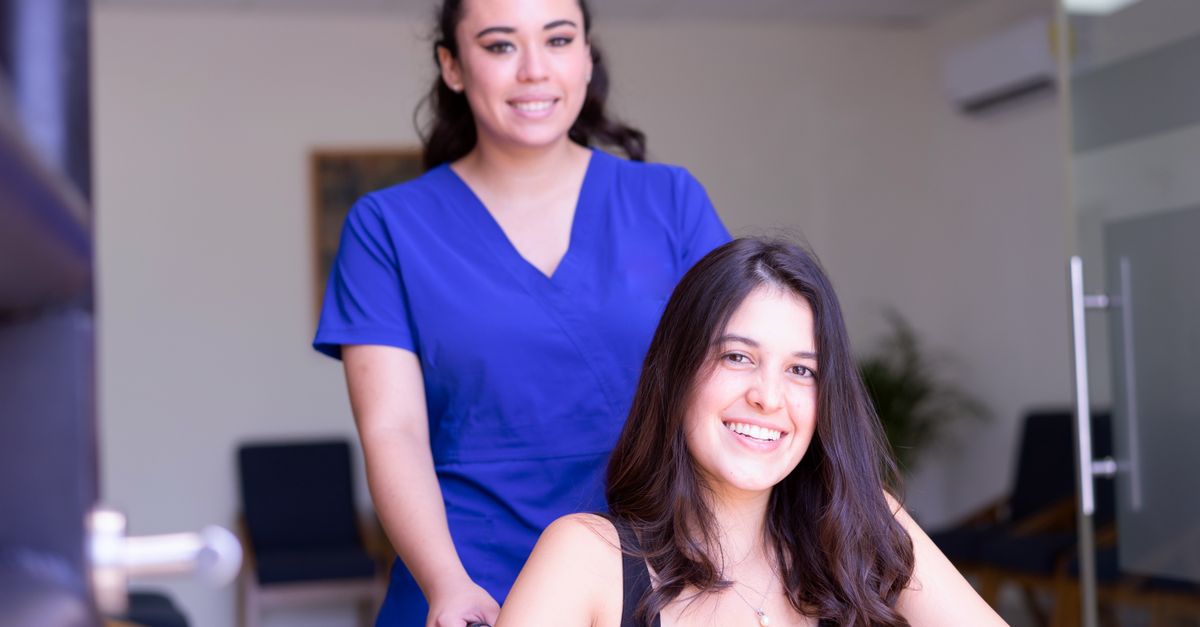
1. Introduction to Home Healthcare Needs
The transition from independent living to requiring assistance at home represents a significant milestone in a patient healthcare journey. This need frequently arises due to advancing age, the progression of a chronic illness, severe cognitive decline, or the complex recovery period following major surgery. The fundamental goal of providing medical and personal support within the home environment is to maximize the patient quality of life while ensuring their clinical safety.
Historically, patients requiring substantial assistance were routinely transferred to long-term care facilities or nursing homes. However, modern healthcare emphasizes aging in place and community-based rehabilitation. By delivering skilled medical care and practical daily assistance directly to the patient residence, clinicians can foster independence, reduce the risk of hospital-acquired infections, and preserve the patient psychological well-being.
Determining the precise level of assistance required demands a meticulous clinical and functional assessment. Support services range from basic companionship and help with household chores to complex, round-the-clock skilled nursing care. Establishing a comprehensive, customized home care plan is essential for preventing medical complications, avoiding unnecessary hospital readmissions, and providing crucial support for exhausted family caregivers.
2. Evaluating the Activities of Daily Living
The clinical assessment of a patient need for home assistance relies on evaluating two standardized metrics: the Activities of Daily Living and the Instrumental Activities of Daily Living. The Activities of Daily Living encompass the fundamental, self-care tasks required for basic physical survival. These include bathing, dressing, personal hygiene, transferring (moving from a bed to a chair), toileting, and feeding oneself.
When a patient demonstrates an inability to perform one or more of these basic activities independently, in-home assistance becomes a medical necessity to prevent severe neglect, malnutrition, and physical injury.
The Instrumental Activities of Daily Living involve more complex skills required to live independently within a community. These include managing finances, handling transportation, shopping for groceries, preparing meals, performing household maintenance, and correctly managing complex medication regimens. A decline in these instrumental activities is frequently the first clinical indicator of early cognitive impairment or deteriorating physical stamina, signaling the need for proactive home support interventions.
3. The Transition from Hospital to Home
One of the most critical periods requiring home assistance is the immediate transition following a hospital discharge. Patients recovering from severe medical events—such as a stroke, a major orthopedic surgery, or a severe cardiac event like chest pain leading to a bypass—frequently return home in a severely debilitated state.
During this vulnerable post-acute phase, the risk of medication errors, wound infections, and debilitating falls is remarkably high. A coordinated discharge plan that includes immediate home health services acts as a vital bridge between the intensive monitoring of the hospital and the independence of home life.
Home health professionals assess the home environment for safety hazards, ensure the patient understands their new discharge medications, and begin necessary rehabilitation therapies immediately. This seamless continuity of care is the most effective strategy for preventing sudden clinical deterioration and costly, traumatic hospital readmissions within the first thirty days post-discharge.
4. Types of In-Home Care Services
The landscape of home assistance is broadly divided into two distinct categories: skilled medical care and non-medical personal care. Understanding the distinction is vital for care planning and insurance reimbursement. Skilled medical care is provided by licensed healthcare professionals under the direct orders of a physician. This includes registered nurses, physical therapists, occupational therapists, and speech-language pathologists.
Skilled care is typically utilized for acute, short-term needs, such as wound care, intravenous antibiotic administration, or postoperative rehabilitation. The focus is strictly clinical and rehabilitative.
Non-medical personal care, often referred to as custodial care, is provided by home health aides or professional caregivers. Their role focuses on assisting the patient with the Activities of Daily Living. They provide crucial physical support for bathing, dressing, meal preparation, and mobility. While non-medical caregivers do not perform clinical tasks, they are the frontline observers of the patient daily status and play an indispensable role in maintaining the patient safety and hygiene.
5. Skilled Nursing and Medical Support
Skilled nursing care delivered in the home is equivalent to the level of clinical monitoring a patient receives in a hospital setting. Registered nurses execute complex medical interventions, ensuring that patients with severe chronic conditions or high-acuity post-surgical needs remain medically stable.
A primary responsibility of the home health nurse is advanced wound management. Patients discharged with large surgical incisions, pressure ulcers, or diabetic foot ulcers require meticulous, sterile dressing changes to prevent sepsis. The nurse also manages complex medical equipment, such as urinary catheters, feeding tubes, or tracheostomies, which demand specialized clinical training to maintain safely.
Furthermore, skilled nurses provide vital medication management. They organize complex pharmaceutical regimens, administer injectable medications, and continuously monitor the patient for adverse drug reactions. Through regular clinical assessments, including monitoring vital signs and lung sounds, the nurse detects early signs of physiological decline, allowing the primary physician to adjust treatment plans before a medical crisis occurs.
6. Physical and Occupational Therapy at Home
Rehabilitation therapies are a cornerstone of home health services, particularly for patients recovering from neurological events or orthopedic surgeries. Physical therapists focus on restoring the patient gross motor function, strength, and balance. They design customized exercise programs that the patient can perform safely within the confines of their own home, specifically targeting the functional movements necessary to navigate their unique living space.
Physical therapy is critical for fall prevention. The therapist assesses the patient gait, determines the need for assistive devices like walkers or canes, and trains the patient in their correct usage.
Occupational therapists, conversely, focus on fine motor skills and adapting the environment to the patient physical limitations. They teach the patient new techniques for performing the Activities of Daily Living independently, such as using specialized tools to button shirts or modified utensils for eating. By bridging the gap between physical limitations and daily functional requirements, occupational therapy plays a crucial role in restoring the patient autonomy.
7. Non-Medical Personal Care Assistance
For individuals with progressive chronic illnesses or general frailty due to advanced age, non-medical personal care is often required on a long-term basis. Home health aides provide the physical labor required to keep the patient safe, clean, and comfortable.
Bathing and personal hygiene assistance is frequently the most urgently needed service, as bathrooms represent the highest-risk environment for catastrophic falls. Caregivers provide physical stabilization during showers, assist with toileting and incontinence care, and ensure meticulous skin hygiene, which is vital for preventing painful pressure ulcers in bedbound patients.
Beyond physical care, these aides provide essential nutritional support by planning and preparing balanced meals tailored to the patient dietary restrictions. They also assist with light housekeeping and laundry, ensuring the home environment remains sanitary. Importantly, consistent interaction with a compassionate caregiver provides profound emotional support and combats the severe social isolation that frequently afflicts homebound individuals.
8. Managing Chronic Illnesses in a Home Setting
Patients suffering from advanced chronic diseases—such as congestive heart failure, chronic obstructive pulmonary disease, or advanced diabetes—require continuous, vigilant support to remain safely at home. Home assistance programs focus heavily on disease management and patient education to prevent acute exacerbations.
For a patient with heart failure, a home health aide or nurse will ensure daily weight monitoring to detect fluid retention early, a crucial step in preventing a sudden crisis involving shortness of breath and emergency hospitalization. They ensure strict adherence to complex medication regimens, particularly diuretics and blood pressure medications.
By educating the patient and their family on the specific warning signs of their chronic illness, the home care team empowers them to recognize minor changes in their health status. This proactive, structured approach transforms the home into an effective therapeutic environment, stabilizing the chronic condition and significantly enhancing the patient daily comfort and longevity.
9. Cognitive Decline and Dementia Care
Providing home assistance for a patient experiencing cognitive decline, such as Alzheimer disease or other forms of dementia, presents unique and profound challenges. As the disease progresses, the patient loses the ability to recognize danger, communicate their needs, or perform basic self-care, necessitating specialized, often continuous supervision.
Dementia care in the home focuses intensely on safety and behavioral management. Caregivers must constantly monitor the environment to prevent the patient from wandering, leaving stoves turned on, or accidentally ingesting toxic substances. Because patients with dementia frequently experience confusion, agitation, and sundowning, caregivers utilize specialized communication techniques to de-escalate anxiety and provide a calming, predictable routine.
The familiar surroundings of the home are incredibly beneficial for dementia patients, as moving to a new, institutional environment frequently triggers severe disorientation and a rapid decline in functional status. Dedicated in-home dementia care allows the patient to remain anchored in a recognizable environment for as long as safely possible.
10. Data: Assessing Home Care Requirements
To construct a safe and effective home care plan, clinicians assess the patient needs across several functional domains. The following table outlines the correlation between specific patient deficits and the corresponding home care services required.
| Patient Deficit or Condition | Functional Impact | Required Home Care Service |
|---|---|---|
| Complex surgical wound, IV antibiotics. | High risk of severe infection, inability to self-administer meds. | Skilled Nursing Care. |
| Recent stroke with left-sided weakness. | High fall risk, inability to walk independently. | Physical Therapy and Occupational Therapy. |
| Severe arthritis, general frailty. | Inability to bathe, dress, or stand at the stove safely. | Home Health Aide (Personal/Custodial Care). |
| Moderate to advanced dementia. | Wandering risk, inability to manage medications, confusion. | Specialized Memory Caregiver (Continuous Supervision). |
11. Adapting the Home Environment for Safety
A fundamental component of establishing home assistance is modifying the physical environment to eliminate safety hazards and accommodate the patient physical limitations. A comprehensive home safety assessment, typically conducted by an occupational therapist or a home health nurse, identifies structural dangers that require immediate remediation.
The primary focus is fall prevention. Recommendations universally include removing loose throw rugs, securing electrical cords, and vastly improving the lighting in hallways and stairwells. The bathroom requires specific modifications, such as the installation of sturdy grab bars in the shower and near the toilet, the placement of non-slip mats, and the use of an elevated toilet seat or a shower chair.
If the patient relies on a wheelchair or a walker, doorways may need to be widened, and external ramps installed to allow safe entry and exit from the residence. These environmental adaptations are just as critical to the patient safety as the direct medical care provided by the clinical staff.
12. The Role of Family Caregivers and Respite Care
While professional agencies provide crucial services, the foundation of home assistance is almost always the unpaid labor of family caregivers. Spouses, adult children, and relatives shoulder an immense physical, emotional, and financial burden when caring for a chronically ill loved one at home. The chronic stress associated with this role frequently leads to severe caregiver burnout, compromising both their health and their ability to provide safe care.
Professional home assistance programs are designed not only to care for the patient but also to support the family caregiver. Skilled nurses provide essential education, teaching family members how to perform safe physical transfers or manage basic wound care without injuring themselves.
Respite care is a vital service that provides temporary, substitute caregiving. By hiring a professional aide to relieve the family caregiver for a few hours a day or a weekend, the primary caregiver is granted necessary time to rest, attend to their own medical needs, and preserve their emotional resilience, ensuring the home care arrangement remains sustainable long-term.
13. Navigating Financial and Insurance Resources
The financial logistics of securing home assistance are frequently complex and confusing for families. The type of care required directly dictates insurance coverage. Medicare and standard health insurance typically cover skilled medical care—such as nursing, physical therapy, and occupational therapy—provided that the services are ordered by a physician and the patient is deemed legally homebound. However, this coverage is usually limited to a brief, acute recovery period.
Crucially, Medicare and private health insurance generally do not pay for long-term, non-medical personal care or custodial services. If a patient requires a home health aide for daily bathing and meal preparation due to chronic frailty, these services must typically be paid out-of-pocket.
Medicaid may cover long-term personal care services for patients who meet strict low-income criteria. Additionally, patients who have purchased long-term care insurance policies or veterans eligible for specific Veterans Affairs benefits may have significant financial resources available to fund continuous in-home custodial care. Consulting with a geriatric care manager or a medical social worker is essential for navigating these financial pathways.
14. Establishing a Coordinated Care Plan
Effective home assistance requires the creation of a comprehensive, meticulously coordinated care plan. The home care environment is naturally decentralized; therefore, communication between all involved parties is paramount. The care plan serves as the central clinical document outlining the specific duties of the nurses, therapists, and aides, ensuring that everyone is working toward the same therapeutic goals.
The primary care physician acts as the central authority, reviewing and signing the care plan and adjusting medical orders based on the feedback provided by the visiting home health staff. Regular interdisciplinary team meetings are held to discuss the patient progress, address any new clinical complications, and modify the level of assistance required.
The patient and their family must be active participants in creating and updating this plan. Clear communication regarding the schedule of visiting professionals, emergency contact protocols, and the specific limitations of the care provided ensures a safe, predictable, and therapeutic home environment.
15. When to Transition to Facility-Based Care
Despite the vast capabilities of home health services, there frequently comes a point when remaining at home is no longer clinically safe or sustainable. Recognizing the threshold for transitioning to a facility-based care setting, such as an assisted living facility or a skilled nursing home, is a difficult but necessary clinical decision.
A transition is warranted when the patient physical or cognitive decline requires twenty-four-hour, continuous skilled medical supervision that cannot be practically or financially sustained by home health agencies and family members. If a patient experiences repeated falls, severe unmanageable pain, or behavioral disturbances related to dementia that pose a physical threat to themselves or their caregivers, the home environment is no longer appropriate.
Furthermore, if the primary family caregiver experiences severe burnout or their own physical health fails, alternative care arrangements must be made immediately. Transitioning to a facility ensures the patient receives consistent, professional monitoring in an environment specifically designed to handle profound medical and functional vulnerabilities.
16. Frequently Asked Questions
1. Does Medicare pay for someone to help my parent bathe and dress?
Generally, no. Medicare pays for skilled medical care, like a visiting nurse or physical therapist, for short periods after an illness or surgery. It typically does not pay for long-term custodial care, such as help with bathing, dressing, or cooking, unless it is tied to a temporary, acute medical need.
2. What is the difference between home health care and home care?
“Home health care” usually refers to clinical, medical services provided by licensed nurses and therapists prescribed by a doctor. “Home care” typically refers to non-medical assistance provided by aides or caregivers who help with daily living activities like hygiene, meal prep, and light housekeeping.
3. How do I know if it is safe for my relative to live at home?
A formal home safety assessment by an occupational therapist or a geriatric care manager is the best way to evaluate safety. They look at the patient mobility, cognitive status, and the physical setup of the house to determine if the patient can manage daily tasks without severe risk of injury or neglect.
4. Can a home health aide give my parent their medication?
Depending on state laws, unlicensed home health aides generally cannot “administer” medications (like giving an injection or putting pills in a patient mouth). However, they can usually provide “medication reminders,” bringing the pre-sorted pillbox to the patient and prompting them to take their doses on time.
5. What is respite care?
Respite care is a temporary service designed to give family caregivers a break. A professional caregiver comes to the home to look after the patient for a few hours or days, allowing the primary family member time to rest, run errands, and recover from the severe stress of constant caregiving.
Bibliography
Disclaimer: The content is for informational purposes only and does not replace medical advice. Always consult your doctor for personalized treatment.
