
1. Introduction
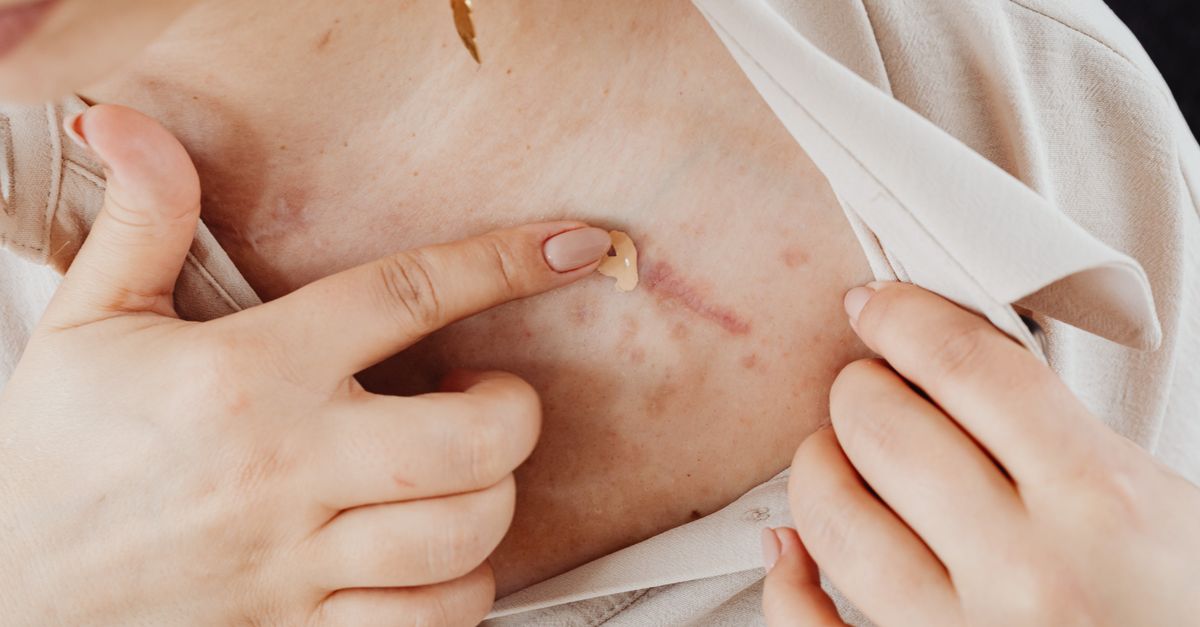
To relieve the intense itchiness of a healing surgical scar, one must restore the compromised moisture barrier of the newly formed epidermis and suppress the localized release of inflammatory histamines. Utilizing medical grade silicone gel sheets flattens the collagen matrix and seals in profound hydration, effectively silencing the hyperactive nerve endings within the wound bed. If topical hydration is insufficient, applying a thin layer of over the counter hydrocortisone or taking an oral antihistamine can rapidly calm the inflammatory repair process, allowing the patient to rest without succumbing to the urge to scratch.
The sensation of profound pruritus, or severe itchiness, is a ubiquitous and notoriously frustrating complication of the postoperative healing process. An incision represents a deliberate, massive structural trauma to the skin and underlying fascial layers. As the body races to knit these severed tissues back together, it orchestrates a chaotic biological symphony of inflammatory cells, rapidly multiplying fibroblasts, and regenerating nerve fibers.
While itchiness is an indicator of active, healthy cellular repair, it poses a significant clinical threat. Yielding to the compulsion to scratch a healing wound introduces dangerous bacterial pathogens directly into the vulnerable tissue and physically rips apart the fragile, newly laid collagen. Managing this symptom effectively requires understanding the neurological and structural deficits of a scar and deploying targeted therapies to soothe the biological fire.
2. The Phases of Wound Healing
To comprehend why a scar itches, one must trace the timeline of wound healing. Healing occurs in three distinct phases: the inflammatory phase, the proliferative phase, and the remodeling phase. The inflammatory phase begins immediately upon incision, flooding the area with white blood cells and chemical messengers to prevent infection and clear cellular debris.
The proliferative phase, peaking one to three weeks after surgery, is the engine of the itch. During this phase, specialized cells called fibroblasts swarm the incision site, furiously spinning tough strands of collagen to stitch the wound closed. Simultaneously, tiny new blood vessels sprout to nourish this highly active tissue.
The final remodeling phase can last for over a year. The chaotic, bulky collagen laid down during the proliferative phase is slowly reorganized, flattened, and strengthened into mature scar tissue. The intense itchiness is typically most severe during the transition from the late inflammatory to the highly active proliferative phase.
3. The Role of Histamine in Tissue Repair
Histamine is the primary biochemical culprit driving the sensation of itch. This powerful chemical messenger is stored within mast cells, which reside in high concentrations throughout the connective tissues of the skin.
During the surgical healing process, mechanical tension on the healing wound edges and the localized inflammatory signals cause these mast cells to degranulate, dumping massive quantities of histamine directly into the surrounding tissue matrix. Histamine binds instantly to specific receptors on the superficial sensory nerve endings.
When these receptors are activated, the nerves fire a rapid signal up the spinal cord to the brain, which is consciously perceived as a sharp, demanding itch. While histamine serves a vital role in increasing blood vessel permeability to allow healing factors into the wound, its intense stimulation of the local nerve endings drives the maddening pruritus.
4. Neuropathic Itch and Nerve Regeneration
An incision slices cleanly through millions of microscopic sensory nerve fibers traversing the dermis and epidermis. As the wound heals, these severed nerves must painstakingly regenerate, branching out to re establish connections with the newly formed skin.
During this regeneration process, the sprouting nerve endings are highly unstable, chemically irritable, and prone to electrical misfiring. They frequently send chaotic, distorted signals to the brain. Instead of registering normal touch or temperature, the brain misinterprets these erratic electrical impulses as a severe, localized itch or a burning, crawling sensation.
This specific type of discomfort is termed a neuropathic itch. Unlike a histamine driven itch, a neuropathic itch originates directly from the structural damage and subsequent rewiring of the nervous system itself. It often persists deeply beneath the surface of the skin, even after the superficial incision appears completely healed.
5. Transepidermal Water Loss and Desiccation
A primary physical driver of severe scar pruritus is profound localized desiccation. Healthy skin possesses a highly sophisticated lipid barrier in the stratum corneum that locks in moisture and prevents environmental irritants from penetrating.
A newly formed surgical scar completely lacks this mature, protective barrier. It is comprised of fragile, disorganized tissue that cannot retain hydration. Consequently, water evaporates rapidly from the scar tissue into the surrounding air, a phenomenon clinically measured as transepidermal water Loss.
As the scar dries out, the delicate, newly formed cells shrink and contract. This microscopic physical shrinking pulls tightly on the regenerating nerve endings embedded within the tissue, directly triggering a severe mechanical itch. Restoring this lost hydration is the absolute foundation of all effective anti-itch therapies.
6. Hypertrophic Scars and Keloid Formation
Not all scars heal flat and smooth. In some individuals, the fibroblasts become hyperactive during the proliferative phase, producing vastly more collagen than is necessary to close the wound. This excess collagen piles up, resulting in a thick, raised, deeply red, and rigidly firm scar.
A scar that remains within the boundaries of the original incision is called a hypertrophic scar, while one that aggressively grows beyond the original borders is a keloid. These raised scars are notorious for causing excruciating, chronic itchiness.
The massive bulk of disorganized collagen traps the regenerating nerves in a rigid matrix, subjecting them to constant physical tension and compression. Furthermore, hypertrophic scars maintain a prolonged state of chronic inflammation, ensuring a continuous, localized release of histamines long after a normal scar would have quieted down.
7. Allergic Contact Dermatitis from Wound Dressings
If the intense itchiness develops rapidly and is accompanied by a red, weeping rash immediately surrounding the surgical tape or bandages, the primary cause is likely an acute allergic reaction rather than the healing process itself.
Many patients develop a sudden, severe contact dermatitis in response to the strong medical adhesives used in steri strips, surgical glues, or clear occlusive dressings. The immune system identifies the chemical adhesive as a foreign invader and initiates a massive localized allergic response.
The resulting rash is intensely itchy, hot, and swollen, often perfectly mirroring the exact shape of the bandage applied over the skin. Prompt removal of the offending adhesive and switching to hypoallergenic silicone tape or a gentle gauze wrap is required to halt this specific allergic cascade. For related sudden skin irritations, reviewing petechiae skin rash etiology provides insights into discerning various dermatological changes.
8. The Danger of Mechanical Scratching
The biological urge to scratch an itchy scar is overwhelming, but yielding to it is highly destructive. The physical act of fingernails scraping across the tissue provides a few seconds of relief by momentarily overloading the local pain nerves, which temporarily drowns out the itch signal.
However, the consequences are severe. Scratching inflicts fresh microtrauma on the fragile, newly laid collagen, physically ripping the healing tissue apart and widening the scar. Furthermore, this fresh trauma instantly re activates the inflammatory phase. Mast cells dump a massive new wave of histamine in response to the scratching, ensuring the itch will return with even greater intensity minutes later.
Most critically, human fingernails harbor millions of pathogenic bacteria. Vigorously scratching a healing incision introduces these pathogens directly into the vascular wound bed, significantly increasing the risk of a devastating postoperative wound infection.
9. Structured Data: Scar Healing and Itch Mechanisms
The following table outlines the distinct physiological mechanisms that drive surgical scar itchiness, aiding in targeted therapeutic intervention.
| Driver of Itchiness | Primary Mechanism | Clinical Countermeasure |
|---|---|---|
| Histamine Release | Mast cell degranulation due to inflammation | Topical hydrocortisone or oral antihistamines |
| Transepidermal Water Loss | Lack of mature lipid barrier causing desiccation | Thick emollients or occlusive silicone gel sheets |
| Neuropathic Misfiring | Regenerating sensory nerve endings | Gentle massage, desensitization, time |
| Hypertrophic Scarring | Excess collagen trapping inflamed nerves | Silicone sheeting, localized corticosteroid injections |
| Adhesive Allergy | Contact dermatitis from surgical tape | Remove offending tape, apply hypoallergenic dressings |
10. Silicone Gel Sheeting and Hydration Therapy
The clinical gold standard for managing both the appearance and the severe itchiness of a surgical scar is the application of medical grade silicone gel sheets. Silicone does not infuse any chemicals into the skin; rather, it acts as a perfect, artificial barrier.
When applied over the clean, closed incision, the silicone sheet completely halts transepidermal water loss. The profound, continuous hydration trapped beneath the silicone physically softens the rigid collagen matrix and significantly reduces the mechanical tension on the trapped nerve endings.
Furthermore, the gentle static electricity generated by the silicone directly signals the hyperactive fibroblasts to downregulate their collagen production, resulting in a flatter, paler, and substantially less itchy scar. Patients typically wear these washable sheets for twelve to twenty four hours a day for several months to achieve optimal relief and cosmetic outcomes.
11. Topical Corticosteroids and Anti Pruritics
When silicone sheeting and deep moisturizers like petroleum jelly or unrefined shea butter fail to silence the itch, pharmacological intervention is warranted. Over the counter one percent hydrocortisone cream provides potent localized relief.
Hydrocortisone is a mild topical steroid that penetrates the newly formed epidermis and actively shuts down the localized inflammatory response. It dramatically reduces the activity of the mast cells, cutting off the supply of histamine that drives the intense pruritus.
However, topical steroids must be used judiciously on healing surgical scars. Prolonged, daily application of steroids inhibits collagen synthesis and can severely thin the fragile new skin, rendering the scar tissue structurally weak and prone to tearing open. Steroids should be applied sparingly, only during acute flare ups of unbearable itchiness.
12. Oral Antihistamines and Systemic Relief
If the localized itchiness is profoundly disturbing sleep or spreading to the surrounding skin, an oral antihistamine provides excellent systemic relief. Medications such as cetirizine, loratadine, or diphenhydramine travel through the bloodstream and bind to the histamine receptors on the nerve endings throughout the body.
By physically blocking these receptors, the circulating histamine released by the healing wound cannot activate the nerves. The nerve stops firing, and the brain stops registering the itch.
Diphenhydramine is particularly useful for nighttime management. Because it easily crosses the blood brain barrier, it induces a strong sedative effect. This is highly beneficial for patients who are unconsciously scratching their surgical scars in their sleep, providing both itch relief and a chemical barrier against nocturnal tissue destruction.
13. Gentle Massage and Tissue Desensitization
Once the surgical staples or sutures have been removed and the physician has confirmed the incision is completely closed and structurally sound, gentle scar massage is highly therapeutic. Massage serves a dual purpose in resolving pruritus.
First, the mechanical pressure of the massage physically breaks down the disorganized, rigid collagen bundles, making the scar more pliable and reducing the tension on the embedded nerves.
Secondly, it facilitates nerve desensitization. The regenerating nerve endings are hyperactive. By routinely applying gentle, varied mechanical stimulation, the central nervous system slowly recalibrates its interpretation of the signals. The brain learns to categorize the touch as normal sensation rather than processing it as an acute, threatening itch.
14. Protecting the Scar from Environmental Triggers
Environmental factors profoundly exacerbate scar pruritus. Healing tissue is exquisitely sensitive to ultraviolet radiation. Exposing a fresh, pink surgical scar to direct sunlight induces severe localized inflammation, massively increasing histamine release, worsening the itch, and causing permanent, dark hyperpigmentation of the scar tissue. Scars must be meticulously protected with clothing or high SPF zinc oxide sunscreen for a minimum of one year.
Furthermore, friction from tight, abrasive clothing physically irritates the fragile epidermis. Patients should wear loose, soft, breathable cotton garments over the surgical site.
Extreme temperature fluctuations, particularly hot showers, cause rapid vasodilation. As the blood vessels in the scar swell with heat, they physically stretch the tight collagen and activate the thermal itch receptors. Using lukewarm water and gently patting the scar dry with a clean towel mitigates this thermal trigger.
15. When to Consult the Surgical Team
While severe itchiness is a normal hallmark of the proliferative healing phase, certain changes in the scar require immediate evaluation by the surgical team. If the itchiness is abruptly accompanied by spreading redness, severe heat, or an increase in localized swelling, these are cardinal signs of a postoperative wound infection.
Immediate medical attention is strictly required if the scar begins to ooze yellow or green purulent fluid, or if the patient develops a systemic fever. An infected wound rapidly destroys the healing tissue and can escalate into life threatening sepsis if not treated promptly with oral or intravenous antibiotics.
If the scar is healing cleanly but begins to aggressively mound up, becoming exceptionally thick, firm, and agonizingly itchy beyond the original surgical borders, the patient should consult a dermatologist or plastic surgeon for targeted corticosteroid injections to halt the runaway keloid formation.
16. Frequently Asked Questions (FAQ)
1. Is it normal for my scar to itch more at night?
Yes. At night, there are fewer environmental distractions, making you hyper-focused on the sensation. Furthermore, your body’s natural anti-inflammatory cortisol levels drop in the evening, allowing the localized inflammation and histamine release around the scar to spike, worsening the itch.
2. Can I use Vitamin E oil to stop the itching?
While pure Vitamin E oil is a potent moisturizer, clinical studies show that it causes a high rate of localized allergic contact dermatitis in healing surgical scars. Medical grade silicone gel or plain petroleum jelly are significantly safer, non-reactive options for sealing in moisture.
3. Why does my scar still itch randomly even though it is two years old?
Even mature scars can occasionally itch. Scars lack sweat glands and natural oil glands, making them permanently prone to localized dryness. Applying a daily thick moisturizer easily resolves this sporadic, long-term desiccation itch.
4. Is it safe to slap the scar to stop the itch?
Gently patting or tapping the skin surrounding the closed scar can provide momentary relief by stimulating pressure nerves that temporarily override the itch signal. However, forcefully slapping the actual incision can cause deep tissue trauma and should be avoided.
5. Does the intense itching mean the scar is infected?
Itching alone is a sign of active, healthy cellular healing. However, if the itch is accompanied by severe throbbing pain, radiating redness, heat, or pus drainage, it strongly indicates a bacterial infection requiring immediate medical evaluation.
Bibliography
Disclaimer: The content is for informational purposes only and does not replace medical advice. Always consult your doctor for personalized treatment.
