
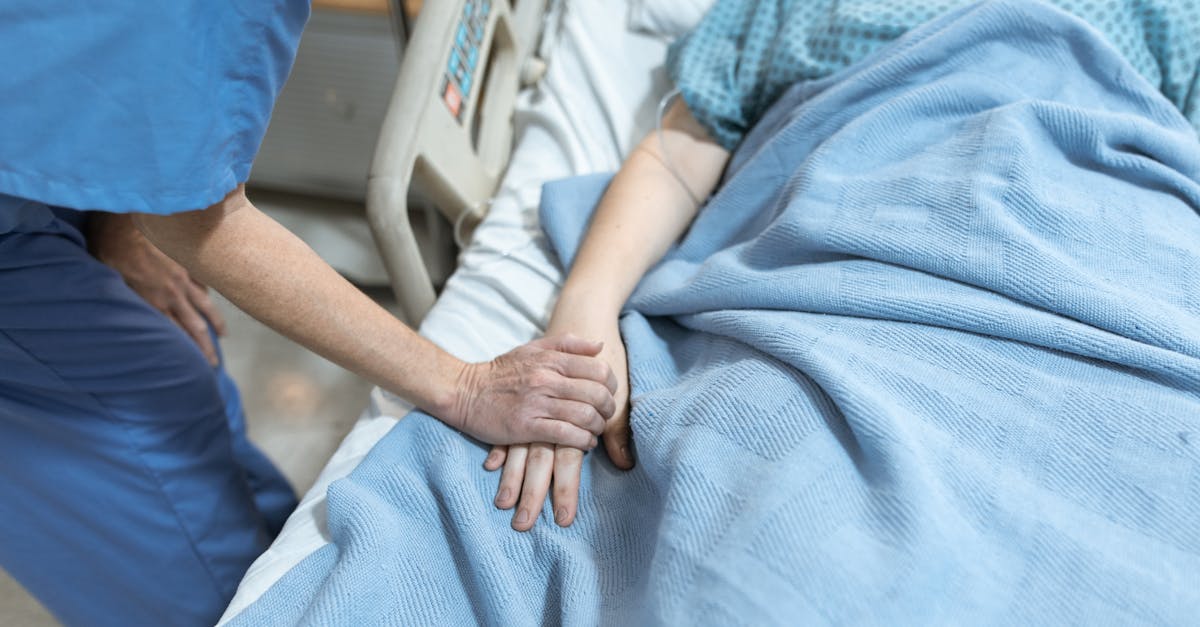
1. Introduction: Transportation as a Medical Necessity
When there is no transport available to a caregiver, the resulting geographical isolation creates a profound barrier to healthcare access, directly threatening the physiological and psychological stability of the homebound patient. In clinical practice, reliable transportation is categorized as a critical social determinant of health. The inability of a caregiver to navigate the physical distance between the home and medical facilities severs the vital link to outpatient monitoring, pharmaceutical supplies, and emergency interventions.
A caregiver without a vehicle, or access to reliable public transit, is effectively paralyzed in their ability to orchestrate comprehensive care. Managing chronic illnesses requires frequent interactions with the broader healthcare system, including attending specialist appointments, undergoing routine bloodwork, and procuring nutritional supplies. When transportation deficits exist, these essential tasks are repeatedly deferred, leading to a steady, predictable decline in the health status of the patient.
Addressing this logistical failure is paramount for medical social workers and primary care physicians. Discharging a vulnerable patient into the care of an individual who lacks the physical means to access community resources almost guarantees a rapid clinical decompensation and a subsequent, preventable hospital readmission.
2. Disruption of Continuity of Care
Continuity of care relies on regular, scheduled assessments by a consistent medical team. This ongoing observation allows physicians to detect subtle changes in a patient’s condition before they escalate into acute crises. When a caregiver has no transport, the patient misses these crucial follow-up appointments, completely shattering the continuity of care.
For a patient with congestive heart failure, missing a scheduled cardiology appointment means the physician cannot assess their fluid retention or adjust their diuretic dosages. A minor accumulation of fluid in the lungs, which could be easily managed in an outpatient clinic, goes unnoticed.
Over weeks of missed appointments, this fluid accumulation inevitably progresses to severe pulmonary edema, resulting in profound respiratory distress. The lack of transportation transforms a manageable chronic condition into a life-threatening medical emergency requiring acute critical care intervention.
3. Medication Non-Adherence and Pharmacy Access
Pharmacological management is the bedrock of treating chronic disease in the home environment. Patients frequently rely on complex regimens of antihypertensives, anticoagulants, or insulin to maintain systemic stability. Securing these medications requires the caregiver to travel to a physical pharmacy location regularly.
When transport is unavailable, the caregiver cannot refill prescriptions on time. This leads to forced medication rationing, where the patient takes half doses to stretch the supply, or complete cessation of the drug. The clinical consequences of this forced non-adherence are rapid and severe.
Stopping an anticoagulant abruptly drastically increases the risk of an ischemic stroke or deep vein thrombosis. Ceasing antihypertensive medications can lead to rebound hypertension and acute myocardial infarction. The logistical inability to travel a few miles to a pharmacy directly jeopardizes the life of the patient.
4. Nutritional Decline in Homebound Patients
Adequate nutrition is essential for tissue repair, immune system maintenance, and metabolic stability, particularly for frail or recovering patients. Securing fresh, nutrient-dense food requires the caregiver to travel to grocery stores frequently. Without transport, caregivers are often forced to rely on non-perishable, highly processed foods available at nearby convenience stores.
These processed foods are typically laden with sodium and saturated fats while lacking essential vitamins and bioavailable proteins. For a diabetic patient, this sudden shift to a high-carbohydrate, low-fiber diet destroys glycemic control. For a hypertensive patient, the massive influx of sodium provokes severe fluid retention and dangerous blood pressure spikes.
Furthermore, the lack of dietary protein accelerates sarcopenia—the loss of skeletal muscle mass. This rapid deconditioning leads to increased weakness, frequent falls, and the development of severe pressure ulcers in bedbound individuals, complicating their overall clinical picture immensely.
5. Delayed Emergency Medical Interventions
In the event of an acute medical crisis, the first instinct of a caregiver is to transport the patient to the nearest emergency department or urgent care center. When no personal transport is available, the caregiver is entirely reliant on municipal emergency medical services.
While ambulances provide critical care, they are subject to dispatch delays, particularly in rural or under-resourced urban areas. If a patient experiences a sudden onset of stroke symptoms, the administration of clot-busting medications is strictly time-dependent. Every minute lost waiting for an ambulance translates to irreversible neurological death.
The stress of waiting for emergency transport, knowing that they are physically incapable of moving the patient themselves, induces severe psychological trauma in the caregiver. This helplessness highlights the profound vulnerability inherent in relying exclusively on external systems for emergency medical access.
6. Caregiver Burnout and Psychological Stress
The logistical nightmare of managing a complex patient without transportation places an unimaginable psychological burden on the caregiver. The constant effort required to arrange rides with neighbors, navigate unreliable public transit schedules with a wheelchair, or ration vital supplies leads to severe, chronic stress.
This continuous environmental pressure accelerates caregiver burnout. Burnout is clinically characterized by physical exhaustion, emotional detachment, and profound clinical depression. A burned-out caregiver frequently experiences a decline in their own immune function and cardiovascular health.
As the mental and physical health of the caregiver deteriorates, their capacity to provide meticulous care diminishes. Medication errors become more frequent, hygiene standards drop, and the patient suffers directly. Supporting the logistical needs of the caregiver is, therefore, a direct intervention to protect the health of the patient.
7. The Role of Telehealth Consultations
The widespread adoption of telemedicine has provided a vital lifeline for families stranded by transportation barriers. High-resolution video consultations allow physicians to conduct visual assessments, review medication lists, and monitor vital signs using remote patient monitoring devices without requiring the patient or caregiver to leave the home.
Telehealth is highly effective for managing stable chronic conditions, adjusting insulin dosages based on uploaded glucose logs, or providing psychiatric support to a caregiver experiencing severe anxiety. It bridges the geographical gap, restoring a significant portion of the lost continuity of care.
However, telemedicine possesses inherent clinical limitations. A physician cannot palpate an abdomen to check for rebound tenderness, auscultate the lungs for subtle crackles, or perform a comprehensive neurological exam through a screen. Telehealth serves as an essential stopgap, but it cannot entirely replace the diagnostic accuracy of in-person clinical medicine.
8. Identifying Transportation Deficits Early
Preventing the medical cascades caused by transportation issues requires proactive identification by the healthcare team. Medical social workers and discharge planners must explicitly ask about transportation resources before a patient leaves the hospital. Assuming a caregiver has reliable access to a vehicle is a dangerous clinical oversight.
Screening tools used during intake should include direct questions: Does the caregiver drive? Is the vehicle reliable? Are there financial resources for fuel? Is public transportation accessible and accommodating for the specific mobility aids of the patient?
Identifying a transportation deficit triggers an immediate social intervention. The clinical team must construct a robust contingency plan, securing community resources and alternative access methods before the patient transitions into the vulnerable home environment.
9. Mobilizing Community Health Resources
Social workers maintain extensive networks of local organizations that offer specialized logistical services for homebound individuals. Municipal paratransit services provide door-to-door, wheelchair-accessible transportation specifically designed for medical appointments.
However, arranging paratransit often requires complex applications and scheduling weeks in advance, making it unsuitable for acute, unexpected medical needs. To circumvent pharmacy travel, social workers aggressively transition patients to mail-order pharmacy services, ensuring a ninety-day supply of vital medications is delivered directly to the doorstep.
Additionally, programs like Meals on Wheels deliver prepared, nutritionally balanced food directly to the home. This entirely removes the burden of grocery shopping from the caregiver, ensuring the patient maintains adequate protein and caloric intake to support physiological healing.
10. Post-Discharge Vulnerability and Readmission
The thirty-day period following a hospital discharge is the most vulnerable phase of patient recovery. The patient is often weak, the medication regimen has likely changed, and surgical wounds require meticulous care. If the caregiver lacks transport during this critical window, the risk of a rapid readmission is exceptionally high.
The inability to attend the initial post-operative follow-up appointment means that early signs of wound infection or deep vein thrombosis are missed. The patient deteriorates silently at home until the condition becomes so severe that an emergency ambulance is required.
Hospitals focus heavily on this metric because readmissions driven by social determinants, like transportation, represent a systemic failure of the discharge planning process. Ensuring reliable transport for that first crucial follow-up visit is a primary objective for clinical care coordinators.
11. Physical Therapy and Rehabilitation Delays
Rehabilitation following a stroke, joint replacement, or severe illness requires intense, guided physical and occupational therapy. While some therapy can be provided in the home by visiting nurses, specialized equipment and intensive therapeutic modalities are only available at outpatient rehabilitation centers.
When a caregiver cannot transport the patient to these facilities, the rehabilitation timeline stalls completely. The crucial neuroplasticity window following a neurological event closes, and the patient loses the opportunity to regain functional independence. Muscles atrophy, and joints become permanently contracted.
This lack of rehabilitation access condemns the patient to a lower baseline of mobility and forces the caregiver into a heavier physical role, increasing the risk of severe ergonomic injuries for the caregiver and permanent disability for the patient.
12. Paramedicine and Mobile Clinical Interventions
To combat healthcare deserts caused by transportation failures, progressive healthcare systems are deploying community paramedicine programs. These programs utilize specially trained paramedics to conduct routine clinical visits in the home, essentially bringing the outpatient clinic to the isolated patient.
Community paramedics can draw blood for laboratory analysis, administer intravenous diuretics, perform electrocardiograms, and provide advanced wound care. They operate under the direct remote supervision of a physician, providing high-level clinical interventions that prevent the need for emergency transport.
Mobile health clinics—large vehicles equipped with basic diagnostic equipment—also travel into underserved neighborhoods. These interventions bypass the transportation barrier entirely, delivering essential preventative and chronic care directly to the doorstep of the vulnerable family unit.
13. Managing Vertigo and Sensory Deficits
In some instances, a caregiver may possess a vehicle but is medically unsafe to operate it due to their own health conditions. Older spouses frequently serve as primary caregivers. If the caregiver develops severe cataracts, macular degeneration, or conditions causing profound dizziness and vertigo, their driving privileges must be medically suspended.
This creates a hidden transportation deficit. The vehicle sits in the driveway, but the caregiving unit remains entirely isolated. Physicians treating the caregiver must evaluate the ripple effect that suspending driving privileges will have on the dependent patient at home.
When this occurs, the entire social support structure must be rapidly rebuilt. The medical team must connect the family with volunteer driver programs, eldercare transportation networks, or arrange for comprehensive in-home nursing support to fill the logistical void created by the loss of the driver.
14. Formulating a Sustainable Care Plan
Providing medical care to a patient when the caregiver has no transport demands a highly creative, multi-disciplinary approach. The traditional model of expecting the patient to travel to the healthcare system must be inverted; the system must travel to the patient.
This involves maximizing the use of home health nursing agencies, utilizing telehealth for routine check-ins, securing mail-order pharmaceutical and nutritional deliveries, and enrolling the family in robust municipal paratransit programs for unavoidable in-person visits.
By recognizing the absence of transportation as a severe, life-threatening clinical hazard, medical professionals can design resilient care plans that protect the patient from the devastating physiological consequences of geographical and logistical isolation.
15. Frequently Asked Questions (FAQ)
1. How does a lack of transportation affect a patient’s health?
Without transport, patients miss vital follow-up appointments, cannot access physical therapy, and face delays in securing prescription medications, leading to a rapid worsening of their chronic health conditions.
2. What happens if a caregiver cannot pick up prescriptions?
If medications cannot be retrieved, the patient may miss doses of life-saving drugs like insulin or blood thinners. This forced non-adherence can trigger acute medical emergencies, such as strokes or diabetic crises.
3. Can telehealth replace the need for transportation?
Telehealth is an excellent tool for routine check-ins, mental health support, and reviewing blood sugar logs, but it cannot replace the need for physical exams, blood draws, or specialized rehabilitation therapy.
4. Are there services that help caregivers without cars?
Yes, medical social workers can connect families with paratransit services, volunteer driving networks, home-delivered meals, and mail-order pharmacies to bypass the need for personal transportation.
5. How does a lack of transport affect emergency situations?
Caregivers without cars cannot transport patients to urgent care for moderate emergencies, forcing them to rely entirely on ambulances, which can involve dangerous dispatch delays during time-sensitive medical events.
Bibliography
Disclaimer: The content is for informational purposes only and does not replace medical advice. Always consult your doctor for personalized treatment.



