1. Introduction
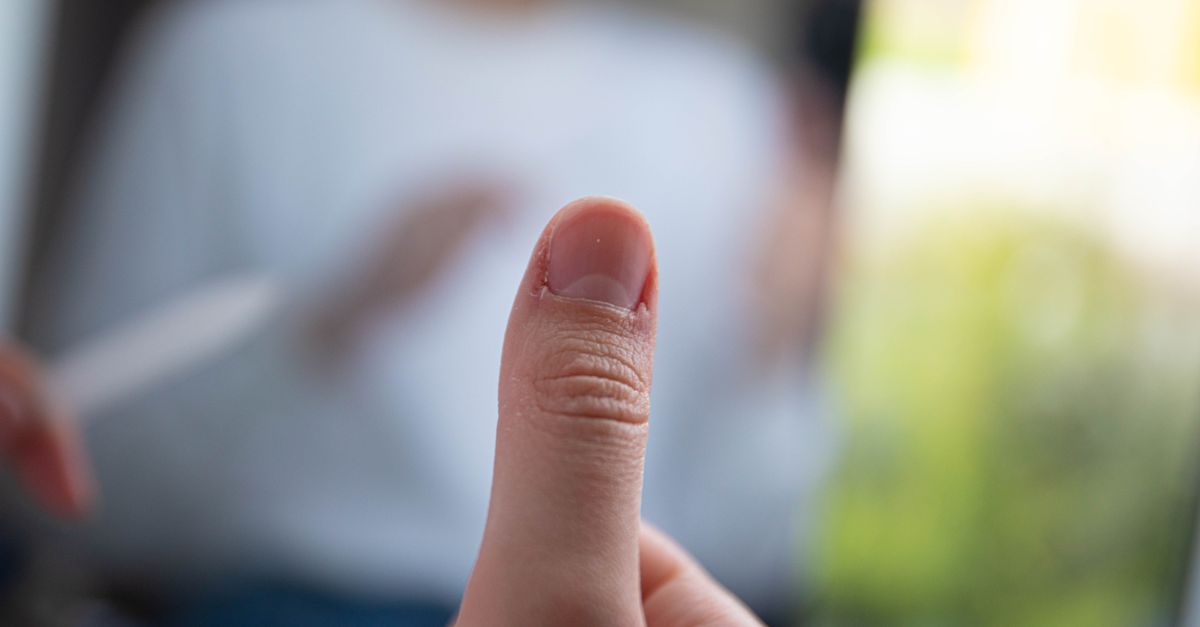
Relieving a throbbing pain under the fingernail bed requires immediately addressing the underlying pressure, which is most often caused by a subungual hematoma an accumulation of blood trapped beneath the nail plate following acute trauma. Because the space between the rigid fingernail and the distal phalanx bone is strictly confined, even a microscopic increase in fluid or inflammatory swelling generates immense physical pressure against the densely packed sensory nerve endings. This results in a relentless, pulsatile pain that corresponds directly to the patient’s heartbeat.
If the pain is the result of blunt force trauma, a minor clinical procedure known as trephination burning or drilling a small hole in the nail to release the trapped blood provides instantaneous and dramatic relief. However, if there is no history of trauma, the throbbing pain points to a localized deep infection, such as a felon, or rare structural anomalies like a glomus tumor. Accurate clinical differentiation is paramount, as misdiagnosing a rapidly expanding infection in the closed fingertip space can lead to catastrophic tissue necrosis or bone infection.
2. Anatomy of the Nail Unit and Fingertip
To comprehend why the fingertip throbs so violently, one must examine its unique anatomy. The nail bed, consisting of the germinal matrix (which produces the nail) and the sterile matrix (which the nail glides over), is tightly bound directly to the periosteum of the distal phalanx bone. There is virtually no subcutaneous fat to absorb swelling in this area.
The fingertip itself is compartmentalized by multiple dense fibrous septa that connect the skin to the bone, creating small, closed compartments. The area is extraordinarily rich in sensory nerve endings, ensuring high tactile sensitivity. Consequently, any bleeding or purulent fluid accumulation rapidly maximizes tissue tension within these unyielding compartments, compressing the nerves and creating severe ischemic pain.
3. Acute Trauma and Subungual Hematoma
The most frequent etiology of severe, throbbing pain beneath the nail is a subungual hematoma resulting from a crush injury. This classically occurs when a finger is slammed in a door, struck by a hammer, or crushed by a heavy dropped object. The immense force ruptures the delicate vascular network located within the sterile matrix of the nail bed.
Because the blood is trapped between the impermeable keratin of the nail plate above and the rigid bone below, it has nowhere to expand. As the hematoma grows, it visibly darkens the nail bed, turning it dark red, purple, or black. The pressure from the trapped blood acts as a mechanical wedge, forcibly separating the nail plate from the highly sensitive nail bed, resulting in excruciating, throbbing pain.
4. The Pathophysiology of Throbbing Pain
The pulsatile, throbbing nature of the pain is a direct consequence of localized vascular dynamics in a closed space. The swelling creates a high-pressure environment that exceeds the normal capillary and venous pressure within the fingertip, but does not entirely occlude the arterial blood supply driven by the heart.
With every systolic contraction of the heart, a fresh surge of arterial blood is pumped into the inflamed, confined space of the fingertip. This momentary increase in volume causes a corresponding micro-spike in the already immense tissue pressure, violently squeezing the trapped nerve endings. Thus, the pain throbs in perfect synchrony with the patient’s pulse.
5. Paronychia and Felon Infections
In the absence of a crush injury, a throbbing pain indicates a severe, localized bacterial infection. An acute paronychia involves the soft tissues along the sides or base of the nail. If the infection tracks beneath the nail plate itself, it generates a subungual abscess, creating a localized pocket of high-pressure pus mimicking a hematoma.
A felon is an even more severe infection, presenting as an abscess deep within the pulp of the fingertip pad. Bacteria, usually introduced via a tiny splinter or minor puncture wound, proliferate within the fibrous compartments of the fingertip. The resulting inflammatory swelling causes severe, tense, throbbing pain. If a felon is left undrained, the immense pressure can compress the local blood vessels, leading to fingertip necrosis or osteomyelitis (infection of the underlying bone).
6. Glomus Tumors
If a patient presents with chronic, severe throbbing pain under the nail bed that has persisted for months, without any history of trauma or signs of infection, a glomus tumor must be suspected. A glomus body is a normal, microscopic neuromyoarterial structure located in the dermis, highly concentrated in the nail beds, responsible for regulating body temperature.
Occasionally, these cells proliferate to form a benign but exquisitely painful hamartoma known as a glomus tumor. The classic clinical triad for a glomus tumor includes pinpoint tenderness directly over the nail, paroxysmal attacks of severe pain, and extreme cold hypersensitivity. Exposure to cold weather or cold water triggers a violent, throbbing spasm within the tumor, causing agonizing pain under the nail.
7. Ingrown Fingernails and Mechanical Stress
While more common in the toes, an ingrown fingernail (onychocryptosis) can cause significant pain and throbbing. This occurs when the lateral edge of the nail plate grows abnormally and pierces the surrounding soft tissue of the lateral nail fold.
The body treats the embedded nail edge as a foreign body, launching an aggressive inflammatory response. The tissue becomes red, hyper-granulated, and highly swollen. The constant mechanical pressure of the sharp nail against the inflamed tissue causes a continuous, localized throbbing pain, which is drastically worsened by any pressure applied to the side of the finger.
8. Systemic Conditions and Microvascular Issues
In rare instances, throbbing pain beneath the nail is indicative of systemic microvascular disease. Conditions that cause profound localized vasospasm, such as severe Raynaud’s phenomenon, can cause the tiny blood vessels in the nail bed to constrict violently in response to cold or stress.
When the blood vessels finally relax and blood rushes back into the ischemic tissue (reperfusion), it generates a deep, burning, throbbing pain. Additionally, micro-emboli tiny blood clots originating from the heart in conditions like infective endocarditis can lodge in the splinter capillaries of the nail bed, causing painful, splinter-like hemorrhages.
9. Causes of Subungual Pain
Diagnostic differentiation relies on the timeline, preceding events, and visual presentation of the nail unit.
| Diagnosis | Primary Cause | Visual Presentation and Symptoms |
|---|---|---|
| Subungual Hematoma | Acute crush trauma. | Dark purple/black discoloration under the nail, immediate severe pain. |
| Subungual Abscess (Paronychia) | Bacterial infection. | Redness, warmth, visible yellowish pus pocket, fever possible. |
| Felon | Deep bacterial infection of fingertip pulp. | Extremely tense, swollen fingertip pad, agonizing throbbing pain. |
| Glomus Tumor | Benign neurovascular growth. | No visible trauma, pinpoint pain, severe pain triggered by cold water. |
10. Clinical Evaluation and History
The clinical interview seeks to determine the exact mechanism of injury. For hematomas, understanding the force of the crush injury helps the clinician assess the likelihood of an underlying distal phalanx fracture. For suspected infections, the clinician inquires about recent manicures, nail-biting, or minor puncture wounds.
During the physical examination, the clinician gently palpates the entire fingertip to map the extent of the swelling and tenderness. A simple test for a glomus tumor involves the Love’s pin test, where the clinician uses the tip of a paperclip to find a very specific millimeter-sized spot of intense pain on the nail plate. The Hildreth’s test involves placing a tourniquet on the finger; if the throbbing pain from the glomus tumor disappears while the blood flow is occluded, the test is positive.
11. Diagnostic Imaging Modalities
Radiographic imaging is mandatory for any severe crush injury to the fingertip causing a significant subungual hematoma. Standard X-rays are utilized to evaluate for a fracture of the distal phalanx tuft. If a fracture is present beneath a subungual hematoma, the injury is technically considered an open fracture, as the bleeding connects the broken bone directly to the outside environment, altering the required medical management.
If a glomus tumor is suspected, high-resolution Magnetic Resonance Imaging is the gold standard diagnostic tool. MRI provides exceptional soft tissue contrast, capable of visualizing the tiny, highly vascular tumor residing deep within the nail bed, guiding the subsequent surgical excision.
12. Acute Management of Subungual Hematoma (Trephination)
For an acute, painful subungual hematoma covering more than twenty-five percent of the nail bed, the definitive treatment is nail trephination. This is a minor, highly effective clinical procedure designed to decompress the trapped blood.
Using a sterile heated electrocautery device, a heated paperclip, or an 18-gauge needle twirled like a drill, the physician creates a small hole directly through the keratin nail plate, over the center of the hematoma. Because the nail plate has no nerve endings, creating the hole is painless. Once the hole penetrates the nail, the trapped blood forcefully escapes, instantaneously eliminating the pressure and the severe throbbing pain.
13. Management of Fingernail Infections
If the throbbing is caused by a subungual abscess or a deep felon, trephination is insufficient. These infections require formal incision and drainage under digital block anesthesia (numbing the entire finger).
For a subungual abscess, a portion of the overlying nail plate must be surgically removed to fully expose the infected nail bed, allowing the pus to drain and preventing the infection from destroying the nail matrix. For a felon, a lateral incision is made deep into the pulp of the fingertip to release the tense, compartmentalized pus. Following drainage, aggressive systemic antibiotic therapy targeting Staphylococcus species is initiated.
14. Pharmacological Pain Relief
Before clinical intervention can be accessed, pharmacological management focuses on mitigating the pain cascade. Over-the-counter nonsteroidal anti-inflammatory drugs, such as ibuprofen or naproxen, are crucial for dampening the acute inflammatory response and reducing the localized swelling that drives the throbbing sensation.
Elevating the hand above the level of the heart is a critical, immediate physical intervention. Elevation utilizes gravity to decrease the arterial blood pressure entering the finger and encourages venous and lymphatic drainage, substantially reducing the pulsatile throbbing. Applying ice indirectly (wrapped in a towel) causes vasoconstriction, further reducing the blood flow and numbing the superficial nerves.
15. Splinting and Protective Measures
Following a crush injury or a drainage procedure, protecting the highly sensitive nail bed is paramount. If the distal phalanx is fractured beneath a hematoma, the finger is typically immobilized using an aluminum U-shaped splint or a custom thermoplastic splint.
The splint extends past the tip of the finger to act as a protective bumper against accidental bumps. If the nail plate was severely damaged or partially removed, the exposed nail bed is dressed with a non-adherent dressing, such as petroleum-impregnated gauze, to prevent the bandage from sticking to the raw, healing tissue and causing further pain during dressing changes.
16. Surgical Excision for Glomus Tumors
If the chronic throbbing pain is definitively diagnosed as a glomus tumor, conservative treatments and pain medications are entirely ineffective. The only curative option is complete surgical excision of the tumor.
Under regional anesthesia, a hand surgeon carefully lifts the nail plate and makes a precise incision into the nail bed to locate and extract the tiny vascular mass. Once the tumor is removed, the nail bed is meticulously repaired with absorbable sutures to ensure the new nail grows back smoothly without debilitating ridges or split deformities. Patients experience immediate and permanent relief from the severe cold-sensitivity and throbbing pain.
17. Warning Signs of Severe Complications
Patients must be educated on the red flags indicating that a simple injury has progressed to a dangerous complication. If a throbbing finger develops red streaks traveling up the hand or arm (lymphangitis), or if the patient develops a systemic fever and chills, the infection has breached the local compartments and is entering the bloodstream, requiring emergency intravenous antibiotics.
Furthermore, if the nail bed injury continues to throb aggressively days after an initial trephination, or if foul-smelling drainage appears, it indicates a secondary bacterial infection of the hematoma cavity, requiring prompt medical reassessment and potential surgical debridement.
18. Frequently Asked Questions (FAQ)
1. Is it safe to heat a needle and pop a blood blister under my nail at home?
While this is a common home remedy (trephination), it is not recommended due to the high risk of introducing a severe bacterial infection directly to the underlying bone. This procedure should be performed by a healthcare professional using sterile equipment.
2. Why does my crushed finger throb to the exact beat of my heart?
The injury causes intense swelling in the tight, closed space of your fingertip. Every time your heart beats, a surge of arterial blood enters the finger, temporarily spiking the pressure and violently squeezing your inflamed nerves.
3. Will I lose my fingernail if it turns black and throbs?
If a subungual hematoma is large and separates the nail from the nail bed, the nail will likely die and eventually fall off over several weeks as a new, healthy nail slowly pushes it out from underneath.
4. How can I stop the throbbing pain immediately before seeing a doctor?
The most effective immediate actions are taking an anti-inflammatory medication like ibuprofen, applying ice to the finger, and holding your hand strictly elevated above the level of your heart to reduce blood pressure in the fingertip.
5. What does it mean if my fingernail throbs intensely when I wash my hands in cold water?
A severe, throbbing pain under the nail triggered specifically by cold temperatures is the classic hallmark symptom of a glomus tumor, a benign but highly painful growth in the nail bed that requires surgical removal.
19. Bibliography
Disclaimer: The content is for informational purposes only and does not replace medical advice. Always consult your doctor for personalized treatment.