1. Introduction
Numbness of the hand is a sensory deficit characterized by a partial or complete loss of feeling in the fingers, palm, or back of the hand. This symptom indicates a disruption in the neurological pathways responsible for transmitting tactile information from the upper extremity to the central nervous system. While transient numbness from sleeping in an awkward position is common and benign, persistent or recurrent sensory loss requires thorough clinical evaluation. Accurately diagnosing the underlying cause is essential to prevent permanent nerve damage and restore optimal hand function.
2. Anatomy of Hand Innervation
The sensory perception of the hand is governed by three primary peripheral nerves originating from the brachial plexus in the neck. These are the median nerve, the ulnar nerve, and the radial nerve. The median nerve supplies sensation to the thumb, index finger, middle finger, and half of the ring finger. The ulnar nerve innervates the little finger and the other half of the ring finger. The radial nerve provides sensation to the back of the hand. Pinpointing the exact anatomical distribution of the numbness allows clinicians to identify which specific nerve is compromised.
3. Median Nerve Compression and Carpal Tunnel Syndrome
Carpal tunnel syndrome is the most prevalent entrapment neuropathy affecting the upper extremity. It occurs when the median nerve is mechanically compressed as it travels through the narrow carpal tunnel at the wrist, a passageway bound by carpal bones and a rigid transverse ligament. Patients typically experience numbness, tingling, and aching pain in the thumb and first two fingers. Symptoms frequently worsen at night or during activities requiring repetitive wrist flexion, such as typing or driving. Over time, severe compression can lead to weakness and atrophy of the thumb muscles.
4. Ulnar Nerve Entrapment and Cubital Tunnel Syndrome
Cubital tunnel syndrome involves the compression or traction of the ulnar nerve, most commonly at the elbow where the nerve passes near the medial epicondyle. This condition results in numbness and a prickling sensation specifically localized to the ring and little fingers. Prolonged elbow flexion, such as holding a telephone or sleeping with bent arms, significantly exacerbates the sensory deficits. If left untreated, chronic ulnar nerve entrapment can impair fine motor skills, making tasks like buttoning a shirt or gripping small objects increasingly difficult.
5. Cervical Radiculopathy
Numbness in the hand frequently originates in the cervical spine rather than the arm itself. Cervical radiculopathy occurs when a spinal nerve root is compressed or inflamed as it exits the neck. This compression is typically caused by a herniated intervertebral disc, degenerative disc disease, or arthritic bone spurs. The sensory loss radiates from the neck, travels down the shoulder and arm, and extends into specific fingers depending on which cervical nerve root is affected. This radiating symptom profile helps differentiate spinal issues from localized wrist or elbow entrapments.
6. Diabetic Peripheral Neuropathy
Systemic metabolic conditions profoundly impact nerve health. Diabetic peripheral neuropathy is a leading cause of sensory deficits in the extremities. Chronically elevated blood glucose levels induce oxidative stress and damage the microvascular structures supplying blood to the peripheral nerves. While this condition typically begins in the feet, it can progress to affect the hands in a symmetrical, glove-like distribution. Strict glycemic control is the cornerstone of preventing the progression of diabetic nerve damage. You can read more about metabolic nerve conditions in our peripheral neuropathy overview.
7. Vascular Causes and Raynaud Phenomenon
Adequate blood circulation is imperative for nerve survival and proper sensory function. Raynaud phenomenon is a vascular disorder characterized by the episodic spasm of small arteries in the fingers, usually triggered by cold temperatures or emotional stress. During an attack, blood flow is severely restricted, causing the fingers to turn white, cold, and profoundly numb. As blood flow returns, the digits may turn blue and then red, accompanied by a throbbing or burning sensation. Managing environmental triggers is crucial for controlling this condition.
8. Nutritional Deficiencies and Neurological Health
The nervous system relies heavily on specific micronutrients to maintain structural integrity and conduct electrical impulses efficiently. A severe deficiency in Vitamin B12 is a well-documented cause of peripheral neuropathy. This vitamin is essential for the formation and maintenance of myelin, the protective sheath surrounding nerve fibers. Demyelination due to B12 deficiency leads to progressive numbness, tingling, and a loss of proprioception in the hands and feet. Prompt nutritional supplementation can often halt or reverse these sensory deficits.
9. Autoimmune and Inflammatory Triggers
Systemic autoimmune diseases can mistakenly attack peripheral nerves or the blood vessels that supply them. Conditions such as rheumatoid arthritis can cause severe joint inflammation and swelling in the wrist, leading to secondary compression of the median nerve. Furthermore, autoimmune vasculitis can restrict blood flow to nerve tissues, causing ischemic damage. Inflammatory neuropathies, such as Guillain-Barré syndrome, involve a rapid autoimmune attack on the peripheral nervous system, causing ascending numbness and weakness that requires urgent medical intervention.
10. Diagnostic Clinical Examination
The evaluation of hand numbness begins with a meticulous neurological examination. The physician assesses the exact dermatomal distribution of the sensory loss using light touch and pinprick testing. Muscle strength in the hand and arm is evaluated to detect any motor deficits. Specialized clinical maneuvers, such as the Phalen test or the Tinel sign, are performed to provoke symptoms and localize nerve compression at the wrist or elbow. A detailed clinical history helps identify metabolic risk factors, repetitive stress injuries, or underlying systemic diseases.
11. Electromyography and Nerve Conduction Studies
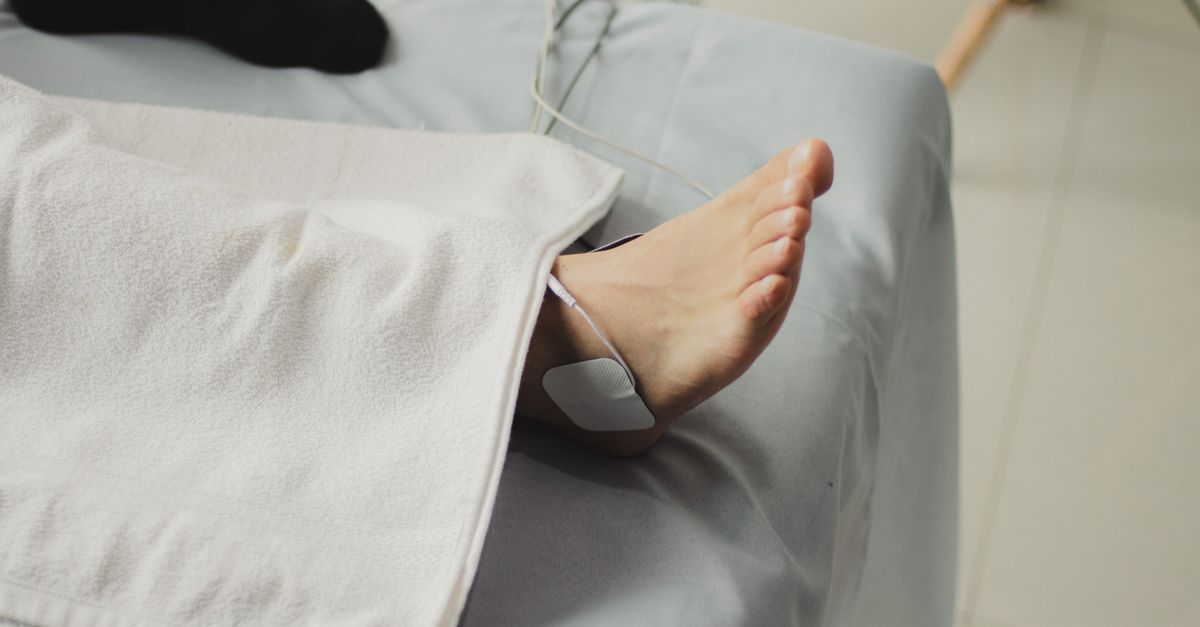
When clinical evaluation suggests nerve compression or neuropathy, neurodiagnostic testing is required to confirm the diagnosis. Nerve conduction studies measure the speed and amplitude of electrical signals traveling along the median, ulnar, and radial nerves. Electromyography involves evaluating the electrical activity within the hand muscles. These tests precisely pinpoint the location of the nerve damage, quantify its severity, and help the clinician distinguish between a localized entrapment syndrome and a broader systemic neuropathy.
12. Data Structure: Common Causes of Hand Numbness
| Underlying Cause | Anatomical Distribution | Primary Mechanism |
|---|---|---|
| Carpal Tunnel Syndrome | Thumb, index, and middle fingers | Median nerve compression at the wrist |
| Cubital Tunnel Syndrome | Ring and little fingers | Ulnar nerve compression at the elbow |
| Cervical Radiculopathy | Radiating from neck to specific fingers | Spinal nerve root compression |
| Raynaud Phenomenon | All fingers, triggered by cold | Vasospasm reducing blood flow |
13. Conservative Management and Splinting
The initial treatment for localized nerve compression focuses on conservative modalities. For carpal and cubital tunnel syndromes, the primary intervention is immobilization. Wearing a rigid splint, particularly at night, prevents the wrist or elbow from bending into extreme postures, thereby relieving mechanical pressure on the inflamed nerve. Ergonomic modifications at the workplace, such as adjusting keyboard height and taking frequent breaks, are essential to reduce repetitive mechanical stress on the upper extremity.
14. Pharmacological Interventions
Pharmacological management aims to reduce localized inflammation and modulate abnormal nerve signaling. Nonsteroidal anti-inflammatory drugs are frequently utilized to decrease swelling around compressed nerves. For patients with severe neuropathic pain accompanying the numbness, physicians may prescribe membrane-stabilizing medications like gabapentin or pregabalin. If systemic inflammation or an autoimmune condition is the root cause, disease-modifying antirheumatic drugs or targeted biologic therapies are integrated into the treatment plan to halt the underlying pathology.
15. Surgical Decompression Options
When conservative treatments fail to alleviate symptoms or when neurodiagnostic testing reveals severe nerve damage and muscle atrophy, surgical intervention becomes necessary. For carpal tunnel syndrome, a carpal tunnel release involves severing the transverse carpal ligament to increase the volume of the carpal canal and relieve pressure on the median nerve. For cubital tunnel syndrome, ulnar nerve transposition may be performed, physically moving the nerve to a new location at the elbow to prevent stretching and compression during movement.
16. Physical Therapy and Rehabilitation
Post-surgical recovery and the management of chronic numbness rely heavily on specialized hand therapy. Physical therapists design individualized rehabilitation programs featuring nerve gliding exercises, which help the nerve move smoothly through its anatomical tunnels without binding or adhering to surrounding tissues. Strengthening exercises restore grip strength and fine motor coordination. You can find more information on rehabilitation strategies in our orthopedic physical therapy guide.
17. Frequently Asked Questions FAQ
1. When should I seek immediate medical attention for a numb hand?
Seek emergency care if the numbness in your hand appears suddenly and is accompanied by weakness in your arm, facial drooping, slurred speech, or sudden confusion, as these are warning signs of a stroke.
2. Can sleeping on my arm cause permanent nerve damage?
Temporary numbness from sleeping on an arm usually resolves within minutes once pressure is relieved. However, repeatedly compressing the nerve over many months or sleeping in positions that severely bend the wrist or elbow can contribute to chronic nerve entrapment.
3. How do doctors test for carpal tunnel syndrome?
Doctors use a combination of physical examinations, such as tapping the wrist to check for a tingling response, and advanced tests like nerve conduction studies, which measure how fast electrical signals move through the median nerve.
4. Will vitamin supplements cure the numbness in my fingers?
If the numbness is strictly caused by a Vitamin B12 deficiency, targeted supplementation can significantly improve or resolve the symptoms. However, supplements will not cure numbness caused by mechanical compression like a herniated disc or carpal tunnel syndrome.
5. Is surgery the only cure for chronic hand numbness?
No. Many cases of hand numbness respond very well to conservative treatments such as wrist splinting, ergonomic adjustments, physical therapy, and controlling underlying conditions like diabetes. Surgery is typically reserved for severe or refractory cases.
Bibliography
Disclaimer: The content is for informational purposes only and does not replace medical advice. Always consult your doctor for personalized treatment.