
1. Introduction
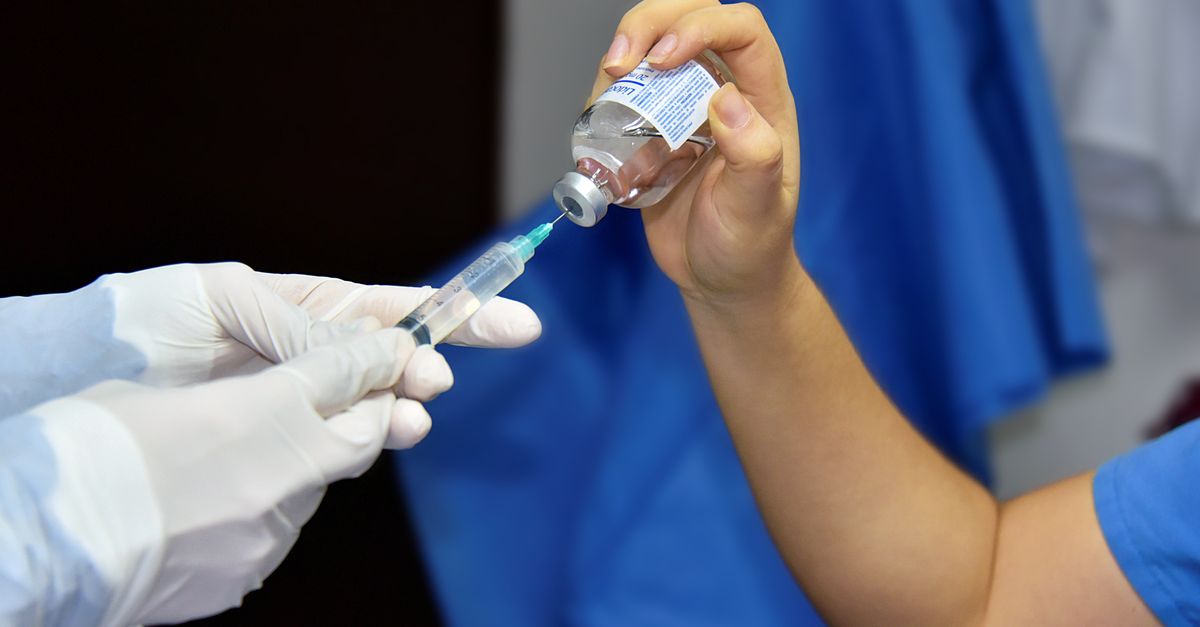
Obtaining clean syringes is an absolute prerequisite for the safe administration of injectable medications, whether in a high-acuity hospital setting or during routine home management of chronic diseases. A syringe is a precise medical instrument designed to deliver exact pharmacological dosages into the body’s tissues while maintaining a strict barrier against microbiological contamination. The reuse or improper handling of syringes negates this barrier, introducing severe risks of localized tissue necrosis, systemic bacterial infections, and inaccurate medication dosing. Ensuring access to sterile, single-use syringes and educating patients on evidence-based injection protocols are foundational responsibilities of modern healthcare providers to protect patient safety and optimize therapeutic outcomes.
2. Understanding Syringe Anatomy and Sterility
A standard medical syringe consists of three primary components: the barrel, the plunger, and the tip (which attaches to the needle). The inside of the barrel, where the medication is held, and the rubber gasket on the plunger must remain absolutely sterile. Manufacturers sterilize these instruments using gamma radiation or ethylene oxide gas, sealing them in airtight packaging. The moment a syringe is removed from its packaging, its sterility is compromised. Using a clean, newly opened syringe for every injection guarantees that the medication is delivered without introducing environmental bacteria or residual, degraded medication from a previous use.
3. The Clinical Necessity of Single-Use Syringes
The medical community universally mandates that all syringes are strictly single-use devices. The materials used to manufacture modern plastic syringes are not designed to withstand repeated mechanical stress or chemical cleaning. If a syringe is reused, the rubber plunger gasket quickly degrades, losing its airtight seal. This degradation not only prevents accurate medication measurement but also creates microscopic crevices where dangerous bacteria flourish. Attempting to wash a syringe with water or alcohol destroys the internal lubrication, rendering the plunger sticky and incapable of delivering precise micro-doses.
4. Managing Chronic Conditions: Insulin Therapy
For millions of patients managing diabetes mellitus, the syringe is a daily lifeline. Patients requiring insulin therapy must obtain a constant supply of clean syringes to maintain strict glycemic control. Insulin is a delicate biological hormone that can easily degrade if exposed to contaminants. Reusing a syringe to draw insulin from a vial introduces microscopic amounts of skin bacteria or degraded insulin back into the sterile vial. This contamination ruins the entire vial of life-saving medication, leading to unpredictable blood glucose fluctuations and severe metabolic crises such as diabetic ketoacidosis.
5. Subcutaneous vs. Intramuscular Injections
Syringes are utilized to deliver medications to different anatomical depths, dictating the required volume and needle length. Subcutaneous injections, such as those used for insulin or blood thinners like heparin, are delivered into the fatty tissue just beneath the skin using small-volume syringes (typically 1 milliliter or less). Intramuscular injections, used for vaccines, testosterone, or vitamin B12, require larger syringes to push medication deep into the muscle belly. Obtaining the correctly sized, clean syringe is critical; using an inappropriate syringe volume leads to severe pain, tissue damage, and improper absorption of the medication.
6. The Concept of Syringe Dead Space
A highly specific clinical consideration when obtaining syringes is the concept of “dead space.” Dead space refers to the tiny volume of fluid that remains trapped in the hub of the syringe and the base of the needle after the plunger is fully depressed. High dead-space syringes retain a significant amount of fluid, meaning that if the syringe is reused, a larger volume of potentially contaminated blood or old medication is injected into the body. Low dead-space syringes, where the needle is permanently attached to the barrel, minimize this residual volume, drastically reducing the risk of disease transmission and medication waste.
7. Preventing Cross-Contamination in Medical Settings
In hospitals and clinics, obtaining clean syringes is strictly governed by rigorous infection control protocols. The tragic history of healthcare-associated outbreaks of Hepatitis B and C was frequently traced back to the improper reuse of syringes to access multi-dose medication vials. Modern clinical guidelines stipulate “One Needle, One Syringe, Only One Time.” Once a syringe is attached to a needle and used to inject a patient, both the needle and the syringe must be immediately discarded. A syringe can never be used to draw medication for multiple patients, even if the needle is changed.
8. Harm Reduction and Community Health Programs
Outside of traditional medical environments, ensuring that marginalized populations can obtain clean syringes is a cornerstone of public health harm reduction. Syringe access programs exist globally to provide sterile injection equipment to individuals with substance use disorders. By providing clean syringes, these programs break the chain of transmission for lethal bloodborne pathogens like HIV and Hepatitis C. Denying access to clean syringes does not stop injection drug use; it simply forces individuals to share contaminated equipment, leading to catastrophic infectious disease outbreaks that devastate communities and overwhelm healthcare systems.
9. Pharmacological Access to Sterile Equipment
Pharmacies serve as critical access points for patients needing clean syringes. While policies vary by jurisdiction, public health initiatives strongly encourage pharmacies to sell syringes over the counter without a prescription. This barrier-free access is vital for patients traveling, those who have lost their prescription supplies, or individuals engaged in harm reduction protocols. Pharmacists are expertly trained to guide patients in selecting the correct syringe volume and needle gauge for their specific medical needs, ensuring that the medication is delivered safely and effectively. You can learn more about medication safety in our patient care resources.
10. Complications of Syringe Reuse: Lipohypertrophy
A severe, localized complication of reusing syringes, particularly for diabetic patients injecting insulin, is the development of lipohypertrophy. When a syringe and needle are reused, the needle becomes dull and jagged. Repeatedly injecting with damaged equipment causes severe micro-trauma to the subcutaneous tissue. The body responds to this chronic trauma by forming hard, rubbery lumps of fat and scar tissue under the skin. If insulin is injected into these damaged areas, it is absorbed highly erratically, leading to dangerous, unexplained swings in blood sugar levels.
11. Bacterial Colonization and Abscess Formation
Reusing a syringe provides a direct vector for bacterial colonization. The internal chamber of a used syringe provides a warm, moist environment perfect for the proliferation of skin flora like Staphylococcus aureus. When the patient reuses the syringe, they inject a massive bacterial load directly into their tissue. This frequently results in the formation of a localized, painful, pus-filled abscess. Severe abscesses require surgical incision and drainage, and if the bacteria enter the bloodstream, they can trigger life-threatening systemic sepsis.
12. Safe Handling and Sharps Disposal Protocols
Obtaining clean syringes must always be paired with strict protocols for the safe disposal of used equipment. A used syringe is considered hazardous medical waste. The syringe and attached needle must never be thrown into household trash or recycling bins, as this poses an extreme risk of needle-stick injuries to sanitation workers. Patients must be provided with, and educated on the use of, FDA-cleared, puncture-resistant sharps disposal containers. Proper disposal prevents accidental exposures and ensures the biological safety of the broader community.
13. Data Structure: Types of Syringes and Clinical Uses
| Syringe Type | Common Volume | Primary Clinical Application |
|---|---|---|
| Insulin Syringe | 0.3 mL to 1.0 mL | Subcutaneous injection of insulin, ultra-fine needle |
| Tuberculin Syringe | 1.0 mL | Intradermal skin testing, precise micro-dosing |
| Standard Luer-Lock | 3.0 mL to 5.0 mL | Intramuscular vaccines, drawing blood, general medication |
| Large Volume Syringe | 10 mL to 60 mL | Wound irrigation, intravenous pushes, feeding tubes |
14. Integrating Injection Education in Primary Care
Primary care providers must proactively educate patients on the necessity of obtaining and using clean syringes. This education should cover the correct technique for drawing medication, removing air bubbles to ensure accurate dosing, and rotating injection sites to prevent tissue damage. Providers must also explicitly instruct patients never to attempt to sterilize and reuse syringes by boiling them or wiping them with alcohol, as these methods are entirely ineffective and destroy the syringe’s functional integrity. Clear, non-judgmental education empowers patients to manage their health safely.
15. Policy Interventions and Health Equity
Ensuring equitable access to clean syringes requires supportive public health policies. Restrictive laws that criminalize the possession of sterile syringes or require onerous prescription mandates disproportionately harm vulnerable populations and drive up infectious disease rates. Medical advocacy groups continuously lobby for legislation that supports syringe exchange programs and over-the-counter pharmacy sales, recognizing that barrier-free access to clean medical equipment is a fundamental component of health equity and proactive disease prevention. For more on health equity, visit our public health initiatives guide.
16. Frequently Asked Questions FAQ
1. Can I reuse my syringe if I only use it for myself?
No. Even if you are the only person using the syringe, reusing it allows bacteria from your skin to grow inside the barrel. Reusing a syringe also severely blunts the needle, causing painful tissue damage and poor medication absorption.
2. What does “dead space” in a syringe mean?
Dead space is the tiny amount of fluid that stays trapped inside the tip of the syringe after you push the plunger all the way down. Syringes with high dead space are more dangerous if shared because they hold more leftover blood or medication.
3. How do I know what size syringe to buy?
The size of the syringe depends entirely on the medication you are taking and how it needs to be injected (under the skin or into the muscle). Your doctor or pharmacist will specify the exact volume (mL) and needle gauge you require.
4. Is it safe to wash a syringe with boiling water?
Absolutely not. Boiling water will melt or warp the plastic barrel and destroy the rubber seal on the plunger. This makes the syringe completely useless and dangerous, as it will no longer measure medication accurately.
5. Where am I supposed to throw away my used syringes?
Used syringes must be placed immediately into a hard, puncture-proof red sharps container. You should never throw them in the regular garbage, as they can easily poke through a trash bag and infect sanitation workers.
17. Bibliography
Disclaimer: The content is for informational purposes only and does not replace medical advice. Always consult your doctor for personalized treatment.
