
1. Introduction and Direct Answer
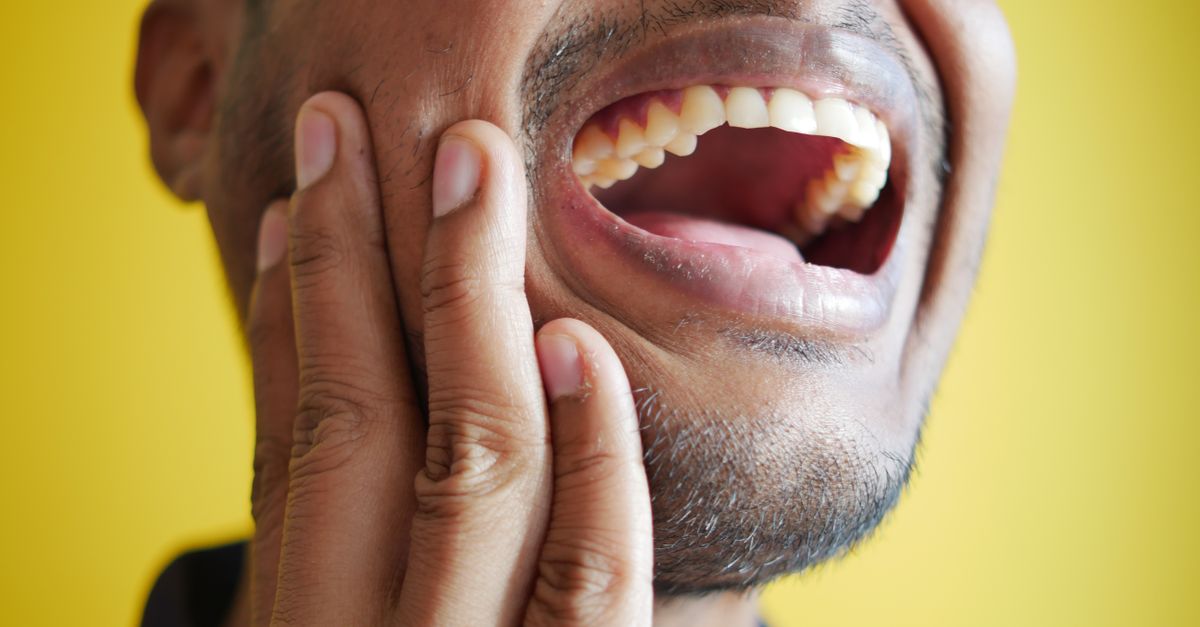
Experiencing significant jaw stiffness immediately upon waking is predominantly caused by nocturnal bruxism, a sleep-related movement disorder involving the continuous grinding and clenching of the teeth. This sustained muscular contraction depletes cellular oxygen and accumulates metabolic waste products, leaving the masticatory muscles profoundly fatigued and rigid by morning. In addition to muscular fatigue, underlying structural issues such as temporomandibular joint osteoarthritis, sleep-disordered breathing, or cervical spine misalignment frequently exacerbate the stiffness, requiring a comprehensive medical evaluation to identify and mitigate the exact biomechanical stressor.
2. Anatomy of the Masticatory System
To understand morning jaw rigidity, one must review the intricate anatomy of the masticatory system. The lower jawbone, known as the mandible, connects to the skull at the temporomandibular joint. This complex bilateral joint acts as a sliding hinge, cushioned by a fibrous articular disc that ensures smooth, frictionless movement.
The movement of this joint is orchestrated by four primary muscles of mastication. The masseter and temporalis muscles are responsible for forcefully closing the jaw, while the medial and lateral pterygoid muscles facilitate side-to-side and forward movements. These muscles are exceptionally powerful, capable of generating substantial bite force during regular chewing and speaking.
When the jaw is at rest during healthy sleep, these muscles should remain relaxed, with the lips lightly touching and the upper and lower teeth slightly separated. This resting posture allows adequate blood flow to flush out cellular waste and deliver oxygen, preparing the tissues for daytime function.
3. The Mechanics of Nocturnal Bruxism
Nocturnal bruxism disrupts this essential resting state. During various stages of the sleep cycle, the central nervous system can trigger involuntary, rhythmic contractions of the jaw muscles. The patient unknowingly clenches their teeth together with a force that frequently exceeds normal waking limits.
This continuous isometric contraction acts exactly like a prolonged, strenuous workout for the facial muscles. Because the muscles remain flexed without any relaxation period, the local blood vessels become compressed. This compression restricts arterial blood flow and prevents the venous clearance of lactic acid and other metabolic byproducts.
The accumulation of these acidic byproducts directly irritates the muscle fibers. By the time the patient awakens, the masseter and temporalis muscles are completely exhausted and inflamed, resulting in a deep, cramping stiffness that makes opening the mouth a significant physical challenge.
4. Temporomandibular Joint Osteoarthritis
Beyond muscular fatigue, structural degradation of the jaw joint plays a major role in morning stiffness. Osteoarthritis is a degenerative condition characterized by the gradual breakdown of the cartilage that covers the bony surfaces of the temporomandibular joint.
As the protective cartilage wears away, the underlying bone becomes exposed and reactive. The joint space narrows, and the body may develop bony projections called osteophytes. During the night, while the joint is relatively immobile, inflammatory fluid pools within the capsule.
Upon waking, the patient experiences a phenomenon known as the gelling effect. The joint fluid has thickened overnight, and the arthritic bony surfaces struggle to glide past one another. The jaw feels rigidly locked or gritty until the patient forces the joint through a few ranges of motion, which redistributes the synovial fluid and gradually lessens the stiffness.
5. Sleep Apnea and Airway Defense
A crucial and often overlooked etiology of morning jaw stiffness is obstructive sleep apnea. This respiratory condition occurs when the soft tissues of the posterior throat collapse during sleep, completely blocking the airway and halting the flow of oxygen.
When the brain detects plummeting oxygen levels, it initiates an emergency survival reflex to reopen the airway. A primary component of this reflex is the forceful, unconscious thrusting of the lower jaw forward. The masticatory muscles contract violently to manually pry the airway open, allowing a brief gasp of air before the patient falls back asleep.
This cycle of airway collapse and subsequent jaw thrusting can occur dozens of times per hour. The continuous, emergency engagement of the jaw muscles ensures they never rest. Patients with undiagnosed sleep apnea almost universally present with profound morning jaw fatigue and stiffness, often accompanied by unrefreshing sleep.
6. The Impact of Cervical Spine Alignment
The biomechanics of the jaw are intimately connected to the alignment of the cervical spine. The muscles that control the head and neck interact continuously with the muscles of mastication to maintain proper posture and center of gravity.
If a patient sleeps with inappropriate cervical support, such as a pillow that elevates the head too far forward, the anterior neck muscles become chronically shortened. This postural deviation exerts a constant downward and backward pull on the mandible throughout the night.
To counteract this pull and keep the airway open, the jaw muscles must remain engaged. The resulting tug-of-war between the neck muscles and the jaw muscles leads to significant morning rigidity across the entire lower face and anterior neck, emphasizing the importance of proper sleep ergonomics.
7. Stress and Autonomic Arousal
Psychological stress is a potent driver of muscular tension, significantly altering the resting tone of the body during sleep. The autonomic nervous system, when agitated by chronic anxiety or daytime stress, remains in a state of sympathetic dominance even while the patient is unconscious.
This heightened nervous system arousal lowers the threshold for motor neuron activation. The brain continuously sends low-level electrical signals to the masseter and temporalis muscles, instructing them to brace against perceived threats.
This anxiety-driven muscular bracing prevents the deep relaxation required for tissue recovery. The patient wakes up with a jaw that feels tight and exhausted, frequently accompanied by tension headaches that radiate from the temples to the base of the skull.
8. Myofascial Pain Syndrome
Chronic overexertion of the jaw muscles can lead to the development of myofascial pain syndrome. This condition involves the formation of hyperirritable, palpable nodules known as trigger points within the taut bands of the muscle fibers.
When a trigger point is active in the masseter or pterygoid muscles, it restricts the normal elasticity of the tissue. The muscle physically shortens and becomes persistently rigid. During sleep, the lack of movement allows these trigger points to stiffen further.
Upon waking, any attempt to stretch the muscle by opening the mouth aggravates the trigger point, producing a sharp, restrictive pain that radiates throughout the face. Resolving this specific type of stiffness requires targeted physical therapy to physically release the knotted muscle fibers.
9. Dental Malocclusion and Muscular Strain
The anatomical alignment of the upper and lower teeth, known as dental occlusion, dictates the resting position of the jaw. In a harmonious occlusion, the teeth fit together perfectly, allowing the jaw muscles to relax completely when the mouth is closed.
If a patient has a malocclusion, such as a premature contact point where one tooth hits before the rest, the nervous system senses the imbalance. To avoid damaging the uneven tooth, the brain commands the jaw muscles to subconsciously shift the mandible into a different, often strained position.
Maintaining this unnatural position requires continuous muscular effort. During sleep, the muscles tirelessly attempt to find a comfortable resting posture but are thwarted by the uneven bite. The resulting muscular exhaustion presents as a severe, aching stiffness every morning.
10. Systemic Inflammatory Conditions
While localized issues are the primary culprits, systemic inflammatory disorders can also manifest as jaw stiffness. Conditions such as rheumatoid arthritis are autoimmune diseases where the immune system erroneously attacks the synovial lining of joints throughout the body.
Rheumatoid arthritis frequently affects the temporomandibular joint bilaterally. The inflammation causes significant swelling, warmth, and joint effusion. A hallmark of rheumatoid arthritis is profound morning stiffness that lasts for several hours, distinguishing it from mechanical stiffness that typically resolves within thirty minutes of waking.
Identifying a systemic etiology requires evaluating the patient for concurrent symptoms, such as stiffness in the fingers, wrists, or knees, and pursuing specialized blood tests to detect autoimmune inflammatory markers.
11. Medication Induced Muscular Rigidity
Various systemic medications can inadvertently increase muscle tone or induce bruxism as a pharmacological side effect. The most prominent among these are specific classes of antidepressants, notably selective serotonin reuptake inhibitors.
These medications alter the balance of neurotransmitters in the central nervous system. While effective for managing mood disorders, they frequently disrupt the motor pathways controlling the jaw, leading to severe, drug-induced nocturnal clenching.
Patients who recently initiated these medications or underwent a dosage increase may suddenly experience unprecedented morning jaw stiffness. Identifying the pharmacological trigger allows the prescribing physician to adjust the regimen or introduce a secondary medication to counteract the muscular rigidity.
12. Clinical Diagnosis of Jaw Stiffness
Determining the precise origin of the stiffness requires a comprehensive clinical evaluation. A physician or dentist will visually inspect the teeth for wear facets, which are flattened areas of enamel indicative of chronic grinding.
The clinician will palpate the masseter, temporalis, and cervical muscles, checking for active trigger points and assessing muscle tone. The range of motion is precisely measured; a normal maximum interincisal opening is generally between forty to fifty millimeters. Significant restriction points toward either muscular trismus or a physical joint blockage.
To evaluate the joint structure, panoramic radiographs or a Cone Beam Computed Tomography scan may be ordered. These imaging techniques visualize the bony contours of the condyle and fossa, ruling out degenerative arthritis or structural abnormalities.
13. Data Summary: Etiologies of Morning Stiffness
Differentiating the mechanism of the rigidity is crucial for selecting the appropriate intervention. The table below outlines the distinct clinical profiles.
| Primary Etiology | Underlying Mechanism | Key Diagnostic Indicators |
|---|---|---|
| Nocturnal Bruxism | Overuse of masticatory muscles | Flattened tooth enamel, bilateral cheek pain |
| TMJ Osteoarthritis | Degeneration of joint cartilage | Grating or crunching sounds in the joint, age-related |
| Obstructive Sleep Apnea | Reflexive jaw thrusting for airway clearance | Loud snoring, daytime fatigue, morning headaches |
| Myofascial Pain Syndrome | Trigger points in shortened muscles | Palpable muscle knots, pain radiating to the neck |
14. Oral Appliances and Splint Therapy
The gold standard for managing stiffness caused by bruxism is the fabrication of a custom occlusal splint, commonly known as a night guard. This rigid acrylic device is worn over the upper or lower teeth during sleep.
The splint serves two critical functions. First, it protects the enamel from physical attrition. Second, it provides a smooth, flat surface that allows the opposing teeth to glide freely. This freedom of movement diffuses the isometric pressure, preventing the jaw muscles from fully engaging and drastically reducing the muscular exhaustion that causes morning rigidity.
Over-the-counter, soft rubber mouthguards are often contraindicated. Their squishy texture frequently encourages the patient to chew on them during the night, which inadvertently increases muscle activity and exacerbates the morning stiffness.
15. Physical Therapy and Muscle Relaxation
Targeted physical therapy is essential for rehabilitating stiff, overworked jaw muscles. A physical therapist will instruct the patient in specific stretching and strengthening exercises to restore the normal resting length of the masseter and temporalis muscles.
Manual therapies, including intraoral myofascial release, can physically break down painful trigger points. Applying moist heat to the sides of the face for fifteen minutes immediately upon waking increases local vasodilation, flushing out accumulated lactic acid and quickly alleviating the restrictive sensation.
For an understanding of how muscular tension affects the broader facial region, review the clinical guidelines on temporomandibular joint disorders. Consistent daily adherence to these physical therapy protocols yields significant long-term improvements in joint mobility.
16. Frequently Asked Questions (FAQ)
1. Is it dangerous if my jaw clicks when I try to stretch it open in the morning?
A single click accompanied by the relief of stiffness usually indicates the articular disc snapping back into its proper position. While common, chronic clicking signifies a displaced disc and should be evaluated by a dentist to prevent permanent joint damage.
2. Can sleeping on my stomach make my jaw stiffness worse?
Yes. Sleeping on your stomach forces your head to turn sharply to the side, placing unequal pressure on the jaw joint and twisting the cervical spine. This unnatural posture frequently triggers severe muscular spasms in the jaw and neck.
3. Will taking a muscle relaxer before bed cure the stiffness?
Prescription muscle relaxers can provide short-term relief by preventing severe spasms during the night. However, they do not cure the underlying cause, such as sleep apnea or a misaligned bite, and are generally not recommended for long-term daily use.
4. How do I know if my jaw stiffness is from sleep apnea or just grinding?
If your stiffness is accompanied by waking up gasping for air, exceptionally loud snoring, or severe daytime sleepiness, sleep apnea is strongly suspected. A medical sleep study is required to definitively distinguish between the two conditions.
5. Can missing teeth cause my jaw to feel stiff in the morning?
Yes. Missing teeth alter your bite alignment. Your jaw muscles must work much harder to find a stable resting position. This constant search for stability tires the muscles out, leading directly to chronic morning stiffness.
17. Bibliography
Disclaimer: The content is for informational purposes only and does not replace medical advice. Always consult your doctor for personalized treatment.

