1. Introduction
Sudden changes in weather, particularly rapid drops in barometric pressure and temperature, can directly trigger severe joint inflammation in susceptible individuals. These atmospheric shifts cause the tissues surrounding the joints to expand, placing increased mechanical pressure on the joint space and the surrounding nerve endings. This physical alteration in the joint microenvironment initiates a localized inflammatory cascade, manifesting as stiffness and pain.
The clinical correlation between meteorological fluctuations and musculoskeletal discomfort is a well-documented phenomenon. Patients frequently report an exacerbation of underlying joint conditions prior to the onset of precipitation or a sudden cold front. This predictive pain is not psychological; rather, it is a physiological response to subtle changes in atmospheric equilibrium.
Understanding the biomechanics of weather-induced joint pain allows for proactive management. While atmospheric conditions cannot be controlled, recognizing the physiological triggers enables the implementation of targeted therapeutic strategies to mitigate the resulting inflammation before it severely impacts mobility.
2. The Physics of Barometric Pressure
Barometric pressure, also known as atmospheric pressure, refers to the weight of the air pressing against the surface of the earth and everything upon it. In a state of atmospheric equilibrium, this external pressure pushes against the body with a constant force. The human body counteracts this pressure internally, maintaining a balance that keeps tissues from expanding.
When a weather system changes, particularly before a storm, barometric pressure drops rapidly. This sudden decrease in external atmospheric weight creates a relative imbalance. The internal pressure of the body momentarily exceeds the external environmental pressure.
Consequently, gases and fluids within the enclosed compartments of the body, including the joint capsules, undergo subtle expansion. This micro-expansion stretches the surrounding connective tissues, leading to mechanical stress that the nervous system interprets as aching or sharp pain.
3. Synovial Fluid Dynamics
Synovial fluid is a viscous liquid located within the cavities of synovial joints, such as the knees, hips, and shoulders. Its primary function is to reduce friction between the articular cartilage during movement. It contains hyaluronic acid, which gives it a distinct, lubricating consistency.
Changes in barometric pressure directly influence the volume and pressure of synovial fluid. When atmospheric pressure falls, the gases dissolved within the synovial fluid can expand slightly. This expansion increases the intra-articular pressure, placing tension on the dense, fibrous joint capsule that encases the fluid.
The joint capsule is richly innervated with proprioceptors and nociceptors (pain receptors). When the capsule is stretched by expanding fluid, these receptors are activated, sending continuous pain signals to the central nervous system. In joints already compromised by cartilage loss, this added pressure is often debilitating.
4. Temperature Fluctuations and Tissue Elasticity
Sudden drops in ambient temperature significantly alter the mechanical properties of musculoskeletal tissues. Cold environments cause peripheral vasoconstriction, a physiological response designed to preserve core body heat by reducing blood flow to the extremities.
This reduction in peripheral blood circulation deprives the joint capsules, ligaments, and tendons of necessary warmth and oxygen. Consequently, these collagen-based structures become more rigid and lose their natural elasticity. Stiffened connective tissues require greater mechanical force to move, resulting in a sensation of profound joint stiffness.
Furthermore, cold temperatures increase the viscosity of the synovial fluid, making it thicker and less efficient as a lubricant. The combination of stiffened ligaments and viscous synovial fluid creates a biomechanically inefficient joint, increasing friction and subsequent inflammatory wear.
5. The Role of Humidity
Humidity, or the amount of water vapor present in the air, acts as a compounding factor in weather-related joint pain. High humidity, particularly when combined with low barometric pressure and dropping temperatures, creates the most challenging environmental conditions for joint health.
While the exact mechanism remains under clinical investigation, it is understood that high humidity affects the body’s thermoregulatory efficiency. The skin cannot evaporate moisture effectively, which can subtlely alter fluid distribution in the superficial capillary beds and the underlying fascia.
Patients with chronic inflammatory conditions often note that cold, damp weather is significantly more painful than cold, dry weather. The dampness appears to amplify the nociceptive signaling, lowering the pain threshold of the already sensitized nerves surrounding the joint.
6. Autonomic Nervous System Sensitization
The autonomic nervous system regulates involuntary physiological processes, including vascular tone and inflammatory responses. Chronic joint conditions, such as osteoarthritis or rheumatoid arthritis, cause long-term sensitization of the local nerve endings.
When atmospheric pressure drops, the autonomic nervous system responds to the subtle internal tissue expansion. In a healthy joint, this response goes unnoticed. However, in a joint with preexisting inflammation, the sensitized nerves are hyper-reactive to even microscopic changes in tissue volume.
This hyper-reactivity triggers a reflex arc that promotes localized muscle spasms around the joint. The muscles contract in an attempt to splint and protect the vulnerable area, but this continuous isometric contraction leads to muscle fatigue and exacerbates the underlying joint pain.
7. Susceptible Populations and Risk Factors
Not all individuals experience weather-related joint pain. Susceptibility is heavily influenced by the baseline health of the articular structures. Individuals with compromised joint integrity are vastly more sensitive to meteorological shifts.
Patients with advanced age are at a higher risk due to the natural degradation of articular cartilage and a decrease in baseline synovial fluid volume. Previous joint trauma, such as a severe sprain or surgical intervention, leaves behind microscopic scar tissue that reacts differently to pressure changes than healthy, pliable tissue.
Furthermore, systemic inflammatory conditions lower the overall threshold for pain. The baseline presence of circulating cytokines means the joints require only a minor atmospheric trigger to flare into acute, symptomatic inflammation.
8. Differentiating Joint Vulnerabilities
Different forms of joint disease react to weather changes through distinct physiological pathways.
| Condition | Pathology | Response to Weather Changes |
|---|---|---|
| Osteoarthritis | Mechanical cartilage degradation | Pressure changes increase friction on exposed subchondral bone. |
| Rheumatoid Arthritis | Autoimmune synovial inflammation | Cold temperatures exacerbate autoimmune inflammatory stiffness. |
| Previous Trauma (Scar Tissue) | Fibrotic connective tissue | Scar tissue lacks elasticity, pulling painfully when normal tissue expands. |
9. Inflammatory Mediators in the Joint Space
When a joint capsule is subjected to barometric stretching and temperature-induced stiffness, a localized inflammatory cascade is initiated. The mechanical stress damages individual chondrocytes (cartilage cells) and synoviocytes.
In response to this mechanical stress, the cells release pro-inflammatory cytokines, including interleukins and tumor necrosis factor. These chemical messengers increase vascular permeability, allowing fluid and white blood cells to enter the joint space, a process known as an effusion.
The effusion further increases the physical swelling of the joint, creating a self-perpetuating cycle. The atmospheric trigger initiates the mechanical stress, which then provokes a biochemical inflammatory response that persists long after the weather front has passed.
10. Clinical Presentation of Weather-Induced Flares
The presentation of weather-induced joint inflammation follows a distinct clinical pattern. Patients typically describe an aching, deep-seated pain that originates within the joint cavity rather than the surrounding musculature.
The onset of pain often precedes the actual weather event by twelve to twenty-four hours, corresponding accurately to the initial drop in barometric pressure. The stiffness is typically most pronounced upon waking in the morning, as the body has been stationary and the synovial fluid has pooled.
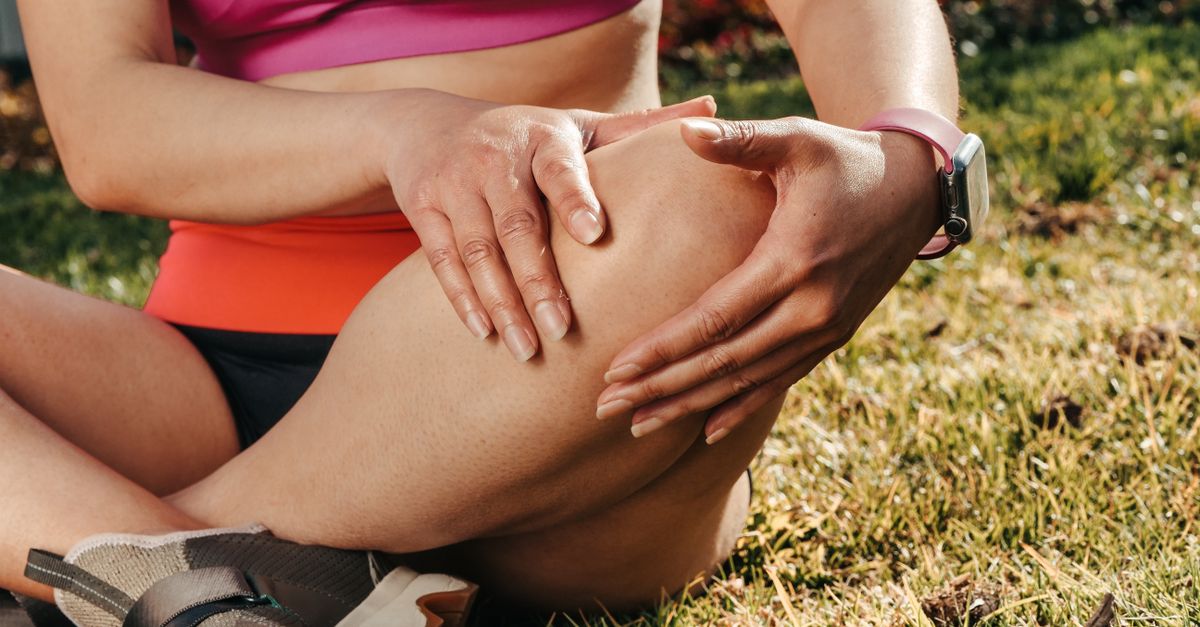
Visible signs of inflammation, such as profound swelling (edema), erythema (redness), and warmth to the touch, may become apparent in severe flares. The range of motion is acutely restricted, and weight-bearing joints like the knees and hips become particularly difficult to mobilize.
11. Differential Diagnosis of Acute Flares
While weather is a documented trigger, acute joint inflammation must always be evaluated to rule out more insidious pathologies. A sudden, severe swelling of a single joint, particularly if accompanied by systemic fever, may indicate a septic joint (bacterial infection).
Gout is another condition that causes rapid, intense joint inflammation. While gout can be triggered by sudden temperature changes, it is fundamentally a metabolic disorder involving the crystallization of uric acid.
Differentiating a simple weather-induced flare from an infectious or crystalline arthropathy requires a thorough clinical assessment. If a joint becomes immobile, intensely red, and hot, it is treated as a medical emergency until infection is definitively ruled out through fluid aspiration and analysis.
12. Proactive Management Strategies
Managing weather-related joint pain requires anticipation and proactive intervention. Since weather forecasts provide advance notice of barometric drops and cold fronts, patients can implement physical strategies to counteract the physiological changes.
Maintaining joint warmth is paramount. Utilizing thermal layers, heating pads, or warm water therapy helps counteract cold-induced vasoconstriction. The application of heat dilates local blood vessels, increasing oxygen delivery and keeping the collagen structures pliable.
Compression garments offer significant biomechanical support. Wearing a properly fitted compression sleeve on the affected joint provides constant, external counter-pressure. This external force physically opposes the internal tissue expansion caused by dropping barometric pressure, effectively minimizing the stretching of the joint capsule.
13. The Role of Physical Therapy and Movement
Paradoxically, the instinct to rest an aching joint often worsens weather-related stiffness. Immobility allows the synovial fluid to thicken and the surrounding muscles to tighten further. Gentle, continuous movement is the most effective mechanical intervention.
Physical therapy focuses on low-impact range-of-motion exercises. Activities such as swimming or cycling encourage the production and circulation of synovial fluid without subjecting the articular cartilage to high-impact sheer forces.
Strengthening the periarticular musculature (the muscles surrounding the joint) provides a natural, dynamic brace. A strong muscular envelope absorbs the mechanical stress that would otherwise be transferred directly into the joint capsule during atmospheric shifts.
14. Pharmacological Interventions
When physical interventions are insufficient, pharmacological management is utilized to interrupt the inflammatory cascade. Nonsteroidal anti-inflammatory drugs (NSAIDs) are the primary line of defense. They function by inhibiting the cyclooxygenase enzymes, thereby reducing the production of pain-causing prostaglandins in the joint space.
Topical analgesics and anti-inflammatories provide localized relief without systemic side effects. Compounds containing capsaicin or diclofenac penetrate the skin to directly alter nerve signaling and reduce capsular inflammation.
For patients with underlying autoimmune arthropathies, a weather-induced flare may necessitate a temporary adjustment of their disease-modifying antirheumatic drugs (DMARDs) or a short course of oral corticosteroids, strictly under the supervision of a rheumatologist.
15. When to Seek Medical Evaluation
Patients should seek medical evaluation if the joint inflammation becomes unrelenting or fails to improve once the weather system stabilizes. An acute flare that completely restricts the ability to bear weight or perform basic daily activities warrants a clinical examination.
Immediate medical attention is required if the joint pain is accompanied by systemic symptoms such as chills, an unexplained fever, or profound fatigue. Furthermore, if the joint becomes visually deformed or exhibits sudden, exquisite tenderness to a light touch, structural damage or infection must be suspected.
Early intervention prevents the acute inflammatory response from accelerating the long-term degradation of the joint cartilage, preserving mobility and overall musculoskeletal health.
16. Frequently Asked Questions (FAQ)
1. Why does my knee hurt before the rain actually starts?
Barometric pressure begins to drop significantly in the hours or even days before a storm arrives. It is this invisible drop in pressure, causing micro-expansion in your joint capsule, that triggers the pain before the first drop of rain falls.
2. Can moving to a warmer, drier climate cure arthritis?
A warm, dry climate can reduce the frequency of weather-induced flares by providing a stable barometric environment and preventing cold-induced stiffness. However, it does not cure the underlying mechanical or autoimmune cartilage damage.
3. Does wearing a brace help with barometric pressure pain?
Yes. A tight compression sleeve or brace provides external mechanical counter-pressure. This helps prevent the tissues within the joint from expanding when the atmospheric pressure drops, reducing the stretching of pain receptors.
4. Are specific joints more affected by weather changes?
Weight-bearing synovial joints, particularly the knees and hips, are most frequently affected. These joints have large capsules and endure significant mechanical stress daily, making them more sensitive to subtle volume changes.
5. Can drinking water help reduce weather-related joint stiffness?
Adequate hydration is essential for maintaining the volume and viscosity of synovial fluid, as well as the elasticity of cartilage. While it will not prevent a flare entirely, chronic dehydration makes the joints stiffer and more susceptible to barometric stress.
17. Bibliography
Disclaimer: The content is for informational purposes only and does not replace medical advice. Always consult your doctor for personalized treatment.