1. Introduction
Yes, an underactive thyroid, clinically known as hypothyroidism, is a primary cause of extreme sensitivity to cold temperatures. The thyroid gland acts as the body’s master internal thermostat by regulating the basal metabolic rate. When it fails to produce adequate amounts of thyroid hormones, the rate at which every cell in the body converts oxygen and calories into energy slows down significantly.
This systemic deceleration directly impairs the process of thermogenesis—the production of biological heat. Consequently, individuals with hypothyroidism generate far less internal warmth than those with optimal thyroid function. They frequently feel chilled to the bone, even in environments that others find perfectly comfortable or overly warm.
Cold intolerance is not merely a subjective discomfort; it is a profound clinical indicator of a systemic metabolic failure. Acknowledging this symptom warrants immediate endocrinological evaluation, as correcting the hormone deficit through targeted therapy rapidly restores metabolic heat production and resolves the debilitating sensitivity to cold.
2. Understanding Hypothyroidism
Hypothyroidism is an endocrine disorder characterized by the thyroid gland’s inability to synthesize and secrete sufficient quantities of the thyroid hormones thyroxine (T4) and triiodothyronine (T3). The thyroid is a small, butterfly-shaped gland located at the base of the neck, wrapping around the trachea.
Despite its small size, the thyroid exerts a massive influence over human physiology. Almost every tissue in the body possesses receptors for thyroid hormones. These hormones dictate how fast the heart beats, how rapidly the intestines process food, and how quickly the brain processes information. When the hormone levels drop below the physiological threshold, all these systems become sluggish.
Hypothyroidism can develop gradually over years or manifest rapidly. Because the onset is often insidious, patients frequently attribute their early symptoms, such as feeling cold or tired, to aging, stress, or winter weather, leading to significant delays in accurate clinical diagnosis and treatment.
3. The Thyroid Gland and Basal Metabolic Rate
The link between the thyroid and body temperature is governed by the basal metabolic rate (BMR). The BMR represents the minimum amount of energy the body requires to perform its most basic, life-sustaining functions while at complete rest—such as breathing, circulating blood, and cellular repair.
Thyroid hormones are the primary biochemical drivers of the BMR. T3, the active form of the hormone, enters the nucleus of cells and binds to specific receptors on the DNA. This binding acts as a genetic switch, upregulating the production of enzymes required for cellular respiration and energy metabolism.
When T3 levels are optimal, cells burn glucose and fat efficiently, creating a constant, steady output of energy. In the state of hypothyroidism, the lack of T3 leaves these genetic switches turned off. The BMR plummets, causing the body to conserve energy drastically. This conservation mode prevents the rapid burning of calories, leading to weight gain and a profound lack of thermal output.
4. Mechanisms of Thermogenesis
Biological heat generation, or thermogenesis, occurs via multiple pathways, all of which are compromised in hypothyroidism. The most fundamental pathway is obligatory thermogenesis, which is the heat naturally produced as a byproduct of the basal metabolic rate. Because the BMR is depressed in an underactive thyroid, obligatory heat production is severely curtailed.
Another critical pathway involves brown adipose tissue (BAT). Unlike white fat, which stores energy, brown fat is packed with mitochondria—the powerhouses of the cell. The primary function of brown fat is to burn calories rapidly to generate heat, a process highly dependent on stimulation by thyroid hormones and the sympathetic nervous system.
In a healthy individual, exposure to cold triggers the release of thyroid hormones, which activate the brown fat to keep the core temperature stable. In a hypothyroid patient, the lack of hormone availability leaves the brown adipose tissue dormant. The body loses its primary physiological furnace, making the individual exceptionally vulnerable to even minor drops in environmental temperature.
5. How Low Thyroid Hormones Impair Heat Production
At the cellular level, thyroid hormones specifically regulate the activity of a protein called the sodium-potassium pump, found in the membrane of nearly all human cells. This pump works tirelessly to maintain the electrical charge across the cell membrane, an action that consumes a vast amount of cellular energy in the form of ATP (adenosine triphosphate).
The continuous operation of the sodium-potassium pump is one of the largest contributors to cellular heat generation. Thyroid hormones stimulate the creation and activity of these pumps. When a patient suffers from hypothyroidism, the number of active sodium-potassium pumps drops significantly.
With fewer pumps operating, less ATP is consumed, and proportionately less heat is radiated into the surrounding tissues. This widespread cellular inactivity explains why the sensation of cold in hypothyroidism is often described as a deep, internal chill that cannot be warmed by simply putting on a sweater or standing near a heater.
6. Peripheral Vasoconstriction and Cold Sensation
In addition to failing to generate internal heat, a hypothyroid body alters its blood flow patterns to protect the core organs. The human body is programmed to prioritize the brain, heart, and lungs during times of metabolic stress or cold exposure.
To conserve the limited heat it is producing, the autonomic nervous system triggers peripheral vasoconstriction. The microscopic blood vessels that supply the skin, hands, and feet tightly constrict. This shunts warm blood away from the body’s surface and redirects it deep into the torso.
Because the skin is starved of warm blood flow, the nerve endings near the surface send constant, intense signals of cold to the brain. This is why patients with an underactive thyroid notoriously suffer from freezing cold hands and feet, even during the summer months. The skin of a hypothyroid patient often feels physically cold to the touch and may appear pale or slightly blue due to the lack of peripheral circulation.
7. Additional Classic Symptoms of Hypothyroidism
Cold intolerance rarely presents in isolation. Because thyroid hormones impact every organ system, a cluster of classic symptoms typically accompanies the extreme thermal sensitivity. Profound fatigue is universal; patients report feeling utterly exhausted despite sleeping for ten or more hours a night.
The slowing of the gastrointestinal tract leads to severe, chronic constipation. The skin becomes dry, rough, and prone to flaking due to decreased sweat and oil gland activity, while the hair becomes brittle and frequently falls out in alarming amounts.
Neurologically, the depressed metabolic state causes cognitive slowing, often described as “brain fog.” Patients may struggle with memory recall, lack of concentration, and experience significant shifts in mood, frequently manifesting as clinical depression. Unexplained weight gain, despite a normal or reduced appetite, is also a hallmark sign of the suppressed basal metabolic rate.
8. The Role of Hashimoto’s Thyroiditis
In developed countries, the overwhelming majority of hypothyroidism cases are caused by Hashimoto’s thyroiditis. This is an autoimmune disorder where the body’s immune system erroneously identifies the thyroid gland as a foreign pathogen and launches a relentless, destructive attack against it.
Lymphocytes (white blood cells) infiltrate the thyroid tissue, causing chronic inflammation and producing autoantibodies—specifically thyroid peroxidase (TPO) antibodies. Over years or decades, this autoimmune assault gradually destroys the thyroid follicles, replacing functional, hormone-producing tissue with fibrous scar tissue.
As the functional reserve of the gland diminishes, it eventually fails to produce enough T4 and T3 to meet the body’s demands, triggering the onset of cold intolerance and other hypothyroid symptoms. Understanding that Hashimoto’s is an autoimmune condition is critical, as patients may also be at risk for other autoimmune diseases, such as celiac disease or type 1 diabetes.
9. Data Structure: Cold Intolerance Causes
| Physiological Factor | Impact in Hypothyroidism | Resulting Cold Sensation |
|---|---|---|
| Basal Metabolic Rate (BMR) | Drastically lowered due to lack of T3. | Decreased basal heat production (core feels cold). |
| Sodium-Potassium Pumps | Decreased activity and quantity at the cellular level. | Lack of thermal byproduct from cellular energy use. |
| Brown Adipose Tissue | Remains dormant; fails to burn fat for heat. | Inability to generate heat when exposed to cold air. |
| Peripheral Circulation | Severe vasoconstriction to preserve core temperature. | Ice-cold hands, feet, and pale, chilly skin. |
10. Differential Diagnosis for Extreme Cold Sensitivity
While hypothyroidism is a leading cause, extreme sensitivity to cold requires a differential diagnosis to rule out other serious medical conditions. Anemia, characterized by a lack of healthy red blood cells to carry oxygen, causes significant cold intolerance and fatigue. Iron-deficiency anemia and vitamin B12 deficiency must be evaluated alongside thyroid function.
Raynaud’s phenomenon is a vascular condition that causes sudden, extreme coldness and color changes (white, blue, then red) specifically in the fingers and toes upon exposure to stress or cold. Unlike hypothyroidism, Raynaud’s does not typically cause a generalized, systemic feeling of being cold, but rather highly localized vascular spasms.
Severe malnutrition, anorexia nervosa, or extreme low body weight eliminates the insulating layer of subcutaneous fat, making individuals highly susceptible to cold. Additionally, dysfunction of the hypothalamus or pituitary gland, which control the thyroid, can cause secondary hypothyroidism, necessitating comprehensive endocrinological imaging and testing.
11. Complications of Unmanaged Hypothyroidism
If left untreated, an underactive thyroid can progress to dangerous physiological extremes. The constant state of slow metabolism places significant strain on the cardiovascular system. Hypothyroidism causes elevated levels of low-density lipoprotein (LDL) cholesterol, accelerating the development of atherosclerosis and increasing the risk of ischemic heart disease.
The heart muscle itself weakens and beats slower (bradycardia), leading to a reduction in cardiac output. In advanced, untreated cases, patients may develop a pericardial effusion, which is an accumulation of fluid within the sac surrounding the heart, severely impairing its ability to pump blood.
The most critical and life-threatening complication of unmanaged hypothyroidism is myxedema coma. This is a rare, extreme manifestation characterized by profound hypothermia (dangerously low body temperature), severe respiratory depression, and a loss of consciousness. It is a medical emergency requiring immediate intensive care and intravenous thyroid hormone replacement.
12. Diagnostic Blood Testing
Diagnosing hypothyroidism is straightforward and relies on specific biochemical blood tests. The primary screening tool is the Thyroid Stimulating Hormone (TSH) test. TSH is produced by the pituitary gland in the brain. When the brain senses that thyroid hormone levels are too low, it pumps out vast amounts of TSH to scream at the thyroid gland to work harder.
Therefore, an elevated TSH level is the classic biochemical signature of primary hypothyroidism. To confirm the diagnosis and assess the severity, clinicians also measure Free T4 (the unbound, active form of thyroxine in the blood). A high TSH combined with a low Free T4 provides a definitive diagnosis.
To determine if the cause is autoimmune, a clinician will order a test for Thyroid Peroxidase (TPO) antibodies. Extremely high levels of TPO antibodies confirm the presence of Hashimoto’s thyroiditis, providing clinical clarity on why the gland is failing.
13. Pharmacological Management: Levothyroxine
The standard and highly effective treatment for an underactive thyroid is lifelong hormone replacement therapy. Levothyroxine is a synthetic version of the T4 hormone that is biochemically identical to the hormone the human body produces naturally.
By taking a precise daily dose of levothyroxine, the patient restores the normal circulating levels of T4. The body then naturally converts this synthetic T4 into the active T3 hormone as needed by the cells. Once hormone levels are normalized, the cellular genetic switches turn back on, the basal metabolic rate rises, and the process of thermogenesis resumes.
Finding the correct dosage requires clinical patience. The dosage is highly individualized and based on weight, age, and cardiac health. Clinicians will typically start with a low dose and retest the TSH levels every six to eight weeks, slowly titrating the medication upward until the TSH falls within the optimal, narrow therapeutic range and the cold intolerance resolves.
14. Lifestyle and Environmental Adjustments
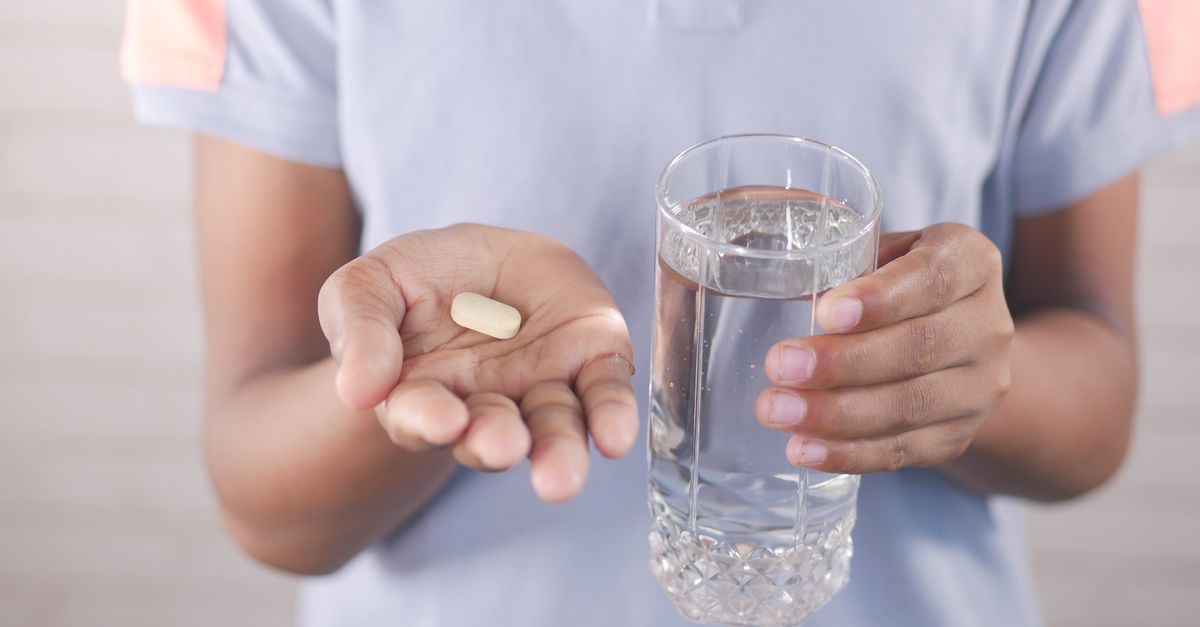
While medication is the absolute requirement for treating hypothyroidism, certain lifestyle interventions can support metabolic health and manage symptoms while waiting for hormone levels to optimize. Proper administration of levothyroxine is critical; it must be taken on an entirely empty stomach, with only water, at least 30 to 60 minutes before eating or drinking coffee, as food severely impairs its absorption.
Dietary considerations should focus on supporting overall health rather than “curing” the thyroid. Ensuring adequate intake of selenium and zinc, which are cofactors required for the conversion of T4 to T3, is beneficial. However, patients should avoid massive iodine supplementation unless explicitly directed by an endocrinologist, as excess iodine can paradoxically worsen Hashimoto’s thyroiditis.
Regular cardiovascular exercise, as tolerated, helps stimulate circulation and naturally increases the metabolic rate, helping to warm the body and counteract the weight gain associated with the disease. Dressing in layers and maintaining a slightly warmer indoor environment provide necessary comfort during the early stages of treatment.
15. When to Seek Medical Care
If you find yourself needing to wear winter coats indoors while others are comfortable in t-shirts, you must seek a clinical evaluation. Extreme sensitivity to cold is not a normal variation in human comfort; it is a profound neurological and metabolic warning sign.
You should consult a physician promptly if your cold intolerance is accompanied by unexplainable exhaustion, sudden weight gain, persistent constipation, or noticeable swelling in the front of your neck (a goiter).
Emergency medical attention is required if extreme cold sensitivity is accompanied by severe dizziness, a drastically slowed heart rate, confusion, or difficulty staying awake. These are warning signs of impending severe metabolic collapse and demand rapid emergency intervention to support the heart and respiratory system.
16. Frequently Asked Questions (FAQ)
1. How long after starting thyroid medication will I stop feeling so cold?
It takes time for the synthetic hormones to build up in your system and for your cells to respond. Most patients notice an improvement in their cold intolerance and energy levels within two to four weeks of starting levothyroxine, but it can take several months to feel completely normal.
2. Does drinking hot water or tea help an underactive thyroid?
Drinking hot beverages provides temporary physical warmth to the stomach and core, which feels comforting, but it does absolutely nothing to fix the underlying lack of thyroid hormones. Your internal thermostat remains broken until corrected with medication.
3. Can stress cause my thyroid to stop working and make me cold?
Severe, chronic psychological or physical stress elevates cortisol levels, which can temporarily suppress the conversion of T4 to the active T3 hormone, making you feel sluggish and chilly. However, stress alone does not cause the permanent glandular destruction seen in Hashimoto’s thyroiditis.
4. Is it possible to have an underactive thyroid if my TSH is normal?
It is rare but possible. Some individuals suffer from central hypothyroidism, where the pituitary gland fails to produce TSH, leading to a low TSH and a low Free T4. Additionally, some clinicians believe in subclinical hypothyroidism, where symptoms exist despite borderline-normal labs, requiring careful endocrinological review.
5. Will taking an iodine supplement fix my cold intolerance?
No. In developed nations where salt is iodized, iodine deficiency is incredibly rare. Taking over-the-counter iodine drops can actually trigger an autoimmune flare-up and make Hashimoto’s thyroiditis much worse, further destroying your thyroid gland. Always consult an endocrinologist before taking iodine.
17. Bibliography
Disclaimer: The content is for informational purposes only and does not replace medical advice. Always consult your doctor for personalized treatment.