
1. Introduction to Personal Care Disability
Personal care disability represents a profound clinical state wherein an individual loses the physical or cognitive capacity to perform essential, daily self-maintenance tasks independently. This condition marks a critical threshold in patient health, signaling a shift from independence to a reliance on external caregiver support or institutional care. The onset of such a disability fundamentally alters the patient trajectory and necessitates comprehensive multidisciplinary intervention.
The ability to care for oneself requires a complex, synchronized interaction between the central nervous system, the peripheral nervous system, and the musculoskeletal apparatus. When chronic disease, acute injury, or neurodegenerative pathology disrupts this intricate network, the functional output declines. Measuring this decline is a cornerstone of geriatric and rehabilitative medicine.
Addressing a personal care disability requires clinicians to look beyond the primary medical diagnosis and focus heavily on functional restoration and adaptation. The overarching goal of medical management in these scenarios is to maximize residual functional capacity, ensure patient safety, and maintain the highest possible quality of life despite physical or cognitive limitations.
2. Defining Activities of Daily Living
In clinical practice, personal care is systematically evaluated through a framework known as Activities of Daily Living. These represent the fundamental skills required for basic human survival and independent living within a standard domestic environment. Medical professionals categorize these activities to standardize assessments and track disease progression over time.
The core Activities of Daily Living include bathing, dressing, toileting, transferring, continence, and feeding. Bathing involves the ability to wash the face and body safely. Dressing requires the fine motor skills to manipulate buttons and zippers, as well as the cognitive ability to select appropriate clothing. Toileting encompasses the physical mobility to reach a restroom and the dexterity to manage personal hygiene.
Transferring refers to the mechanical ability to move from a bed to a chair or a wheelchair without physical assistance. Continence is the physiological control of bowel and bladder functions. Finally, feeding evaluates the patient ability to bring food from a plate to their mouth and safely swallow, distinguishing this from the more complex task of meal preparation.
3. Neurological Causes of Care Disability
Neurological disorders are among the most frequent precipitants of a personal care disability. Stroke, or cerebrovascular accident, frequently results in hemiparesis, which is the weakness or paralysis of one side of the body. This unilateral deficit severely compromises the bilateral coordination required for tasks like dressing or cutting food.
Neurodegenerative diseases progressively dismantle the neural pathways necessary for movement and coordination. Parkinson disease, characterized by resting tremors, bradykinesia, and muscular rigidity, makes fine motor tasks exceedingly difficult. Patients often struggle with the precise movements needed for grooming and buttoning shirts, leading to a gradual loss of self-care independence.
Multiple Sclerosis induces personal care deficits through a combination of demyelination-induced muscle weakness, severe fatigue, and sensory disturbances. As the disease progresses, the unpredictable nature of the neurological flare-ups can cause sudden, sharp declines in the patient ability to perform routine daily activities safely.
4. Cognitive and Psychiatric Factors
Physical capability alone does not guarantee independence in personal care; cognitive intactness is equally vital. Dementia, including Alzheimer disease, fundamentally impairs executive functioning, memory, and sequencing abilities. A patient with moderate dementia may possess the physical strength to dress but lacks the cognitive sequencing to put on garments in the correct order.
As cognitive decline progresses, patients often develop apraxia, which is the inability to execute learned purposeful movements despite having the physical desire and physical capacity to do so. They may hold a toothbrush but remain completely unable to recall the motor sequence required to brush their teeth.
Severe psychiatric conditions also contribute significantly to personal care disability. Treatment-resistant major depressive disorder or severe schizophrenia can result in profound avolition and anhedonia. In these states, the patient lacks the psychological motivation and energy to initiate or complete basic hygiene routines, resulting in severe self-neglect.
5. Musculoskeletal and Structural Causes
The structural integrity of the skeleton and the functional capacity of the musculature are prerequisite for personal care. Severe osteoarthritis, particularly involving the weight-bearing joints of the hips and knees, causes agonizing pain and mechanical restriction. This directly impairs the ability to safely transfer from a bed to a standing position or to stand long enough to shower.
Rheumatoid arthritis affects the smaller joints of the hands and wrists, causing painful deformities. The loss of grip strength and digital dexterity makes it nearly impossible for patients to open medication bottles, manage clothing fasteners, or hold utensils, thereby directly impeding their feeding and dressing capabilities.
Sarcopenia, the age-related loss of skeletal muscle mass and strength, is a silent but powerful contributor to disability. As core and proximal muscle strength wanes, older adults lose the stability required to maintain balance during complex movements, significantly increasing their risk of falls during personal care routines.
6. The Physiology of Functional Decline
Functional decline leading to a personal care disability is rarely a single physiological event; rather, it is a cascading failure of multiple physiological reserves. The concept of homeostenosis describes the narrowing of physiological reserves that occurs with aging and chronic disease. As these reserves diminish, the body becomes increasingly vulnerable to minor stressors.
For example, a minor urinary tract infection in a healthy young adult causes localized symptoms. In a frail older adult with narrowed physiological reserves, the same infection can trigger systemic inflammation, acute delirium, and a sudden, precipitous decline in all Activities of Daily Living.
This physiological frailty syndrome is characterized by unintentional weight loss, profound exhaustion, muscle weakness, slow walking speed, and low physical activity. Once a patient enters this state of physiological vulnerability, the trajectory toward permanent personal care disability accelerates rapidly unless aggressive medical and rehabilitative interventions are implemented.
7. Clinical Assessment of Functional Status
A comprehensive clinical assessment of functional status is mandatory for any patient exhibiting signs of physical or cognitive decline. The evaluation begins with a detailed clinical history, often corroborated by a family member or primary caregiver, to establish a baseline of the patient previous functional capabilities compared to their current state.
Physicians utilize direct observation whenever possible. Watching a patient attempt to rise from a chair, walk across the examination room, or unbutton a jacket provides invaluable, objective data regarding their strength, balance, and fine motor coordination. This observational data is far more reliable than subjective patient reporting, which may be skewed by cognitive deficits or denial.
The clinical evaluation must also rigorously assess the patient sensory inputs. Severe visual impairment from macular degeneration or untreated cataracts directly compromises the ability to perform personal care safely, as does severe peripheral neuropathy, which eliminates the tactile feedback necessary for fine motor tasks.
8. Standardized Measurement Scales
To quantify the severity of a personal care disability, clinicians rely on validated, standardized measurement scales. The Katz Index of Independence in Activities of Daily Living is one of the most widely utilized tools in geriatric and rehabilitative medicine. It scores patients on a simple binary scale of independence versus dependence across the six core functions.
| Activity Category | Definition of Independence | Definition of Dependence |
|---|---|---|
| Bathing | Bathes self completely or needs help with only a single part like the back. | Requires assistance bathing more than one part of the body or full assistance. |
| Dressing | Gets clothes from closets and drawers and puts on clothes and outer garments complete with fasteners. | Needs help getting clothes or dressing, or remains partly or completely undressed. |
| Transferring | Moves in and out of bed or chair unassisted. Mechanical transferring aides are acceptable. | Needs human assistance in moving from bed to chair or requires a total lift. |
| Feeding | Gets food from plate into mouth without help. Preparation of food may be done by another person. | Needs partial or total help with feeding or requires parenteral nutrition. |
Another robust tool is the Barthel Index, which provides a more granular, weighted score assessing the degree of assistance required for mobility and personal care. These standardized scores are crucial for communicating functional status among different healthcare providers and for justifying the need for home health services or specialized medical equipment to insurance boards.
9. Instrumental Activities of Daily Living
While basic Activities of Daily Living focus on immediate personal care, clinicians must also evaluate Instrumental Activities of Daily Living. These represent the more complex skills necessary for a patient to live independently within a community setting.
Instrumental activities include managing finances, handling transportation, shopping for groceries, preparing complete meals, managing complex medication regimens, and maintaining basic household cleanliness. A decline in these instrumental tasks almost always precedes a decline in basic personal care.
Identifying impairments in these higher-level tasks serves as an early clinical warning system. When a patient begins failing to manage their medications or loses the ability to cook safely, the clinical team can anticipate that deficits in basic bathing and dressing are imminent, allowing for proactive, rather than reactive, care planning.
10. Complications of Personal Care Deficits
The inability to perform adequate personal care triggers a cascade of severe medical complications. A failure in toileting and basic hygiene rapidly leads to skin maceration and the development of incontinence-associated dermatitis. If the patient also suffers from limited mobility, this skin breakdown quickly progresses to deep, life-threatening pressure ulcers.
Poor oral hygiene, a frequent consequence of cognitive or fine motor disability, leads to severe periodontal disease. This not only causes localized pain and tooth loss but also significantly increases the risk of aspiration pneumonia, as bacteria from the oral cavity are micro-aspirated into the lungs during sleep.
Furthermore, feeding disabilities result in profound malnutrition and dehydration. A lack of adequate protein intake accelerates muscle wasting, further worsening the patient mobility and compounding the initial disability. Dehydration exacerbates cognitive confusion and increases the risk of recurrent urinary tract infections, creating a vicious cycle of physical decline.
11. Multidisciplinary Clinical Evaluation
Managing a personal care disability is rarely the domain of a single physician. It requires a highly coordinated, multidisciplinary approach. The primary care physician or geriatrician serves as the central coordinator, managing chronic medical conditions and optimizing pharmacological regimens to minimize side effects like dizziness or sedation that worsen functional capacity.
Neurologists provide specialized insights into the progression of demyelinating or neurodegenerative diseases, adjusting therapies to maximize periods of motor stability. Rheumatologists manage the acute inflammatory flares that cause sudden, severe declines in joint mobility.
Medical social workers are indispensable members of the team. They assess the socioeconomic environment of the patient, identify available community resources, and assist families in navigating the complex legal and financial processes required to secure long-term caregiver support or transition the patient to a skilled nursing facility.
12. Physical and Occupational Therapy Interventions
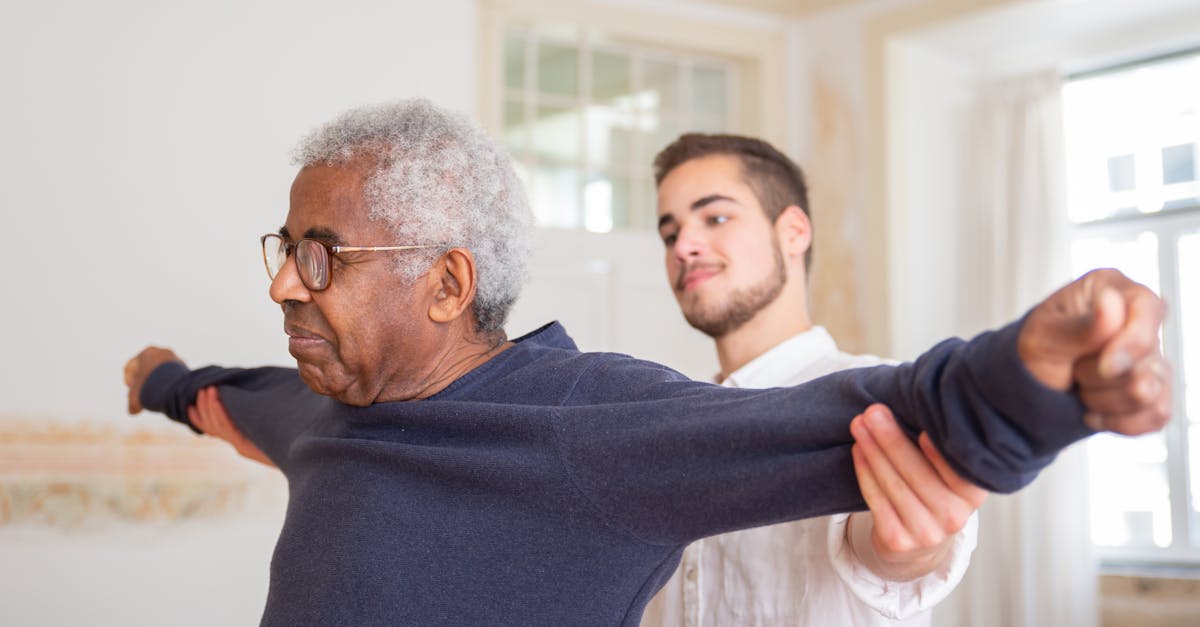
Rehabilitative therapy is the cornerstone of treating personal care disability. Physical therapists focus on the gross motor functions. They design targeted exercise regimens to improve core strength, enhance cardiovascular endurance, and restore balance. Their primary goal is to maintain the patient ability to transfer safely and walk independently or with an appropriate assistive device.
Occupational therapists focus specifically on the micro-mechanics of daily living. They evaluate the patient exactly where the disability occurs, analyzing how the patient attempts to dress, bathe, or feed themselves.
The occupational therapist then teaches adaptive techniques, such as dressing the weaker limb first following a stroke, or utilizing energy conservation techniques for patients with severe cardiopulmonary disease. They are experts in retraining the brain and the body to accomplish essential tasks despite fixed neurological or structural deficits.
13. Assistive Devices and Environmental Modifications
When physical restoration reaches its clinical plateau, the focus shifts to environmental adaptation and the implementation of assistive technologies. Occupational therapists prescribe specific devices designed to bypass the patient physical limitations.
For patients with severe arthritis or tremors, weighted utensils and plate guards make independent feeding possible. Long-handled reachers, sock aids, and elastic shoelaces eliminate the need for deep bending, allowing patients with severe spinal or hip pathology to dress themselves independently.
Modifying the home environment is a critical medical intervention to prevent catastrophic falls. This includes installing grab bars in the shower and near the toilet, providing raised toilet seats to reduce the mechanical demand on the knees, and removing environmental hazards like loose throw rugs. In severe cases of mobility disability, electric patient lifts are installed to ensure safe transfers by caregivers.
14. Pharmacological Support and Management
While no medication can directly cure a functional disability, meticulous pharmacological management is essential for optimizing the patient underlying capabilities. The clinical rule in geriatric pharmacology is to eliminate any medication that is not strictly necessary, a process known as deprescribing.
Many common medications, particularly anticholinergics, sedatives, and certain blood pressure medications, induce side effects like orthostatic hypotension, cognitive clouding, and severe fatigue. These iatrogenic side effects artificially worsen a patient personal care disability.
Conversely, optimizing pain management is crucial. If a patient is avoiding bathing or transferring due to severe osteoarthritic pain, a carefully titrated analgesic regimen can restore their functional independence. For patients with Parkinson disease, precise timing of dopaminergic medications ensures the patient attempts their most demanding personal care tasks during their peak motor performance windows.
15. Caregiver Burden and Support Systems
The clinical management of personal care disability must include a thorough assessment of the primary caregiver. Family members who provide continuous physical assistance for bathing, transferring, and toileting are at immense risk for physical injury and profound psychological burnout.
Caregiver burnout is a recognized clinical entity that directly threatens the safety and well-being of the patient. If the caregiver collapses under the physical or emotional strain, the patient is left entirely vulnerable. Therefore, physicians must actively monitor the health of the caregiver alongside the patient.
Interventions include arranging for temporary respite care, integrating the family with disease-specific support groups, and prescribing home health aides to assist with the most physically demanding tasks. Supporting the care network is a fundamental medical necessity for sustaining a patient with a severe personal care disability in a home environment.
16. Frequently Asked Questions (FAQ)
1. What does personal care disability mean in a medical context?
It means a patient has lost the physical or cognitive ability to perform essential daily tasks on their own, such as bathing, dressing, using the toilet, and feeding themselves, requiring regular assistance from another person.
2. Can a personal care disability be reversed?
It depends entirely on the cause. If the disability is caused by a sudden, treatable issue like a severe infection or a highly correctable joint problem, physical therapy can often restore independence. If caused by progressive diseases like Alzheimer’s, the focus shifts to adaptation and support rather than reversal.
3. How do doctors measure how much help I need at home?
Doctors and therapists use standardized scoring systems, like the Katz Index or the Barthel Index, which grade your specific ability to perform individual tasks like walking, dressing, and eating safely.
4. What is the difference between physical therapy and occupational therapy?
Physical therapy generally focuses on improving your overall strength, balance, and ability to walk. Occupational therapy specifically focuses on helping you relearn or adapt how you perform daily tasks, like using specialized tools to button a shirt or feed yourself.
5. Why is a decline in personal hygiene a medical concern?
A sudden decline in personal hygiene is often the first visible symptom of a worsening cognitive disorder like dementia, a severe depressive episode, or a hidden physical decline, prompting doctors to perform a full medical evaluation.
17. Bibliography
Disclaimer: The content is for informational purposes only and does not replace medical advice. Always consult your doctor for personalized treatment.
