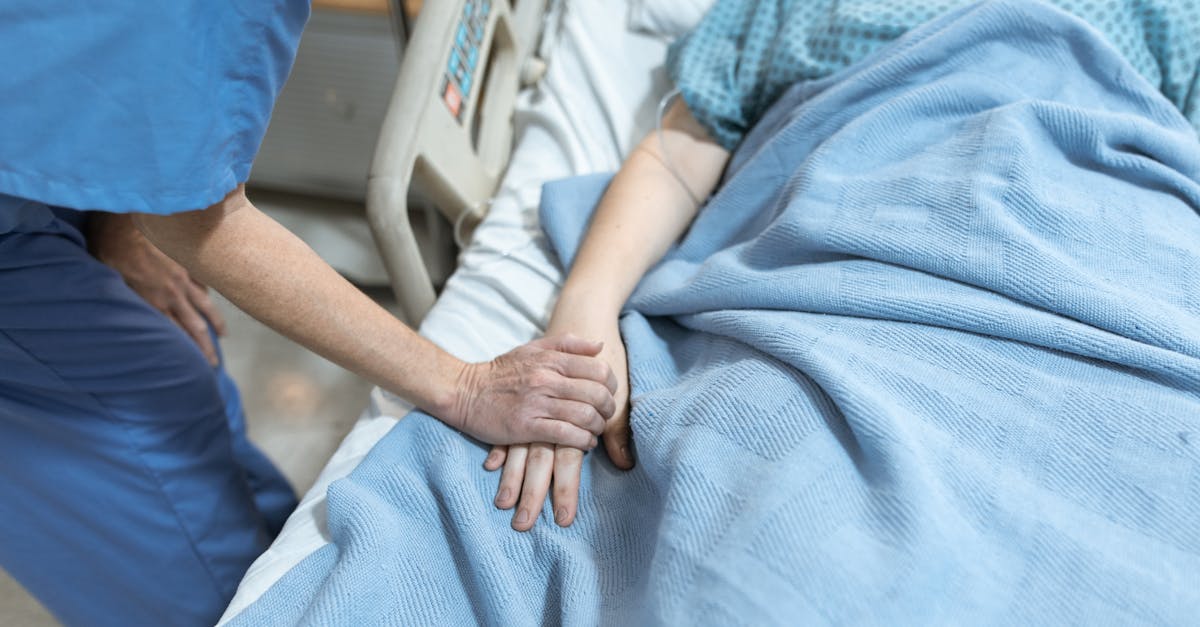
1. Introduction to Informal Caregiving
Informal caregiving constitutes the invisible backbone of the global healthcare system. It refers to the unpaid care provided by family members, friends, or neighbors to individuals suffering from chronic illnesses, severe disabilities, or age-related cognitive and physical decline. When appropriately structured and supported, informal care allows vulnerable patients to remain safely in their own homes, preserving their dignity and significantly reducing the financial burden on institutional healthcare facilities.
However, when these systems lack adequate resources, training, or structural support, they frequently devolve into poor informal care arrangements. In a clinical context, a poor care arrangement is defined by the inability of the informal caregiver to safely and effectively meet the complex medical, physical, and psychological needs of the patient. This failure places the patient at imminent risk of severe morbidity, hospitalization, and premature mortality.
Addressing poor informal care is a complex clinical challenge. Physicians must view the patient and the caregiver as a single, interconnected unit. Evaluating the safety of the home environment, recognizing the signs of profound caregiver burnout, and seamlessly integrating formal medical and social support services are essential interventions required to stabilize these fragile care dynamics and ensure patient safety.
2. Defining Poor Care Arrangements
A poor informal care arrangement does not necessarily imply malice or intentional neglect by the caregiver. In the vast majority of cases, it results from a critical mismatch between the escalating acuity of the patient’s medical condition and the physical, cognitive, or financial capacity of the caregiver.
As a patient’s disease progresses—such as the advancing stages of Alzheimer’s dementia or severe congestive heart failure—the care requirements become highly specialized. An untrained family member may suddenly find themselves responsible for managing complex medication regimens, operating medical equipment like oxygen concentrators, or performing physically demanding tasks such as transferring a bedbound patient.
When the caregiver lacks the necessary training, physical strength, or emotional resilience to execute these tasks, the quality of care plummets. Recognizing this disparity is the first step in medical intervention. Clinicians must actively assess whether the care demands have outpaced the informal caregiver’s capabilities.
3. Medication Administration Errors
One of the most immediate and life-threatening consequences of poor informal care is medication mismanagement. Modern management of chronic diseases frequently involves complex polypharmacy, requiring the administration of multiple medications at specific times, with specific dietary restrictions.
Untrained caregivers often struggle with logistical organization and pharmacological comprehension. They may inadvertently double a dose of medication, skip doses entirely, or crush time-release tablets to mix them with food, destroying the drug’s pharmacokinetic properties and causing rapid, toxic absorption.
In elderly patients, the consequences of these errors are severe. Missing a dose of an anticoagulant can precipitate an ischemic stroke, while an accidental overdose of a hypoglycemic agent can cause a fatal hypoglycemic coma. Physicians must actively review medication logs with caregivers and simplify prescribing regimens wherever possible to mitigate these acute risks.
4. Nutritional Deficiencies and Dehydration
Maintaining adequate hydration and nutrition is a labor-intensive aspect of caregiving, particularly for patients with cognitive impairments, dysphagia (difficulty swallowing), or severe mobility restrictions. In poor care arrangements, patients frequently suffer from insidious malnutrition and chronic dehydration.
Caregivers may not recognize the subtle signs of dehydration, or they may lack the time and patience required to slowly feed a patient who struggles to chew or swallow. In patients with dementia, the loss of appetite is a common symptom; if the caregiver does not actively encourage and monitor intake, the patient will rapidly lose lean muscle mass and vital nutrient stores.
Malnutrition and dehydration severely compromise the patient’s immune system, increasing susceptibility to urinary tract infections and pneumonia. Furthermore, dehydration causes orthostatic hypotension and cognitive confusion, drastically increasing the risk of catastrophic falls within the home.
5. Fall Risks and Home Hazards
The physical home environment often presents severe dangers when informal care arrangements are inadequate. Patients with declining vision, neuropathy, or musculoskeletal weakness require extensive environmental modifications to navigate their homes safely. Poor informal care often means these hazards remain unaddressed.
Caregivers may fail to remove tripping hazards such as loose rugs, failing to install necessary grab bars in the bathroom, or leaving the patient unsupervised in areas with poor lighting. The resulting falls are a leading cause of traumatic brain injuries and hip fractures in the vulnerable population.
A hip fracture in an elderly patient is a sentinel event, carrying a high rate of one-year mortality and often precipitating a permanent transition into a skilled nursing facility. Occupational therapists play a vital role in identifying these environmental risks and instructing caregivers on how to modify the home to prevent mechanical trauma.
6. Skin Integrity and Pressure Ulcers
For patients with severe mobility deficits or those who are entirely bedbound, maintaining skin integrity is a critical, continuous medical necessity. Poor informal care is frequently exposed when a patient presents to the clinic or emergency department with advanced decubitus ulcers, commonly known as bedsores.
The pathophysiology of a pressure ulcer involves prolonged mechanical pressure on the skin over bony prominences, such as the sacrum or heels. This pressure occludes the local capillary blood flow, leading to tissue ischemia, necrosis, and eventual ulceration. Preventing these wounds requires the caregiver to physically reposition the patient every two hours, maintain meticulous hygiene, and manage incontinence promptly.
If a caregiver lacks the physical strength to turn the patient or the knowledge regarding the importance of offloading pressure, the tissue rapidly breaks down. Advanced pressure ulcers are excruciatingly painful, serve as a primary entry point for severe systemic infections like sepsis, and are notoriously difficult to heal.
7. The Pathophysiology of Caregiver Burnout
The physical and emotional toll of providing continuous informal care frequently culminates in severe caregiver burnout. The human central nervous system is not designed to endure unremitting, high-stakes stress without adequate periods of recovery.
Chronic caregiving activates the hypothalamic-pituitary-adrenal axis, flooding the caregiver’s body with stress hormones like cortisol. Over time, this chronic stress leads to profound physical and psychiatric morbidity in the caregiver. They frequently experience severe sleep disturbance, suppressed immune function, and the onset of clinical depression or generalized anxiety disorder.
When the caregiver’s psychological and physiological reserves are depleted, their capacity for empathy, patience, and vigilance degrades. This burnout is the primary catalyst for the deterioration of the care arrangement, transforming a previously loving and safe environment into one characterized by frustration, exhaustion, and unintentional neglect.
8. Patient Psychological Distress and Isolation
The psychological impact of a poor care arrangement on the patient is profound. Patients are often acutely aware of the immense burden they place on their family members. When they perceive their caregiver’s frustration, exhaustion, or resentment, the patient frequently internalizes profound feelings of guilt, worthlessness, and loss of dignity.
This dynamic breeds severe social isolation. To minimize the burden on the caregiver, the patient may stop asking for necessary help, hiding pain or discomfort, which leads to the silent progression of medical issues. Furthermore, poor care arrangements often lack the provision of cognitive or social stimulation.
The patient may be left sitting in front of a television for hours on end without meaningful human interaction. This sensory and social deprivation accelerates cognitive decline in patients with early-stage dementia and exacerbates severe depressive symptoms in patients with intact cognition.
9. Differentiating Caregiver Strain from Elder Abuse
A critical and highly sensitive clinical responsibility is differentiating between a well-intentioned caregiver who is overwhelmed (caregiver strain) and instances of intentional neglect or active elder abuse. Both scenarios can present with similar physical markers in the patient, such as poor hygiene, malnutrition, or bruising.
| Indicator | Overwhelmed Caregiver (Strain) | Elder Abuse / Intentional Neglect |
|---|---|---|
| Caregiver Attitude | Expresses exhaustion, asks for help, shows remorse for errors. | Defensive, hostile, refuses outside help, blames the patient. |
| Patient Presentation | Unintentional weight loss, medication errors due to confusion. | Unexplained injuries, signs of restraint, fear of the caregiver. |
| Financial Management | Struggling to afford medical supplies. | Embezzlement, unpaid bills despite adequate patient income. |
If intentional abuse or neglect is suspected, healthcare providers are legally and ethically mandated to report the situation to Adult Protective Services. However, if the issue is caregiver strain, punitive measures are inappropriate; the required intervention is systemic support and resource allocation.
10. Clinical Screening for Care Adequacy
Physicians must proactively screen for the adequacy of home care arrangements during routine clinical visits. This requires directing attention not only to the patient’s physical symptoms but also to the caregiver’s psychological state. Validated screening tools, such as the Zarit Burden Interview, can objectively quantify the level of stress and burnout the caregiver is experiencing.
During the clinical encounter, the physician should ask specific, logistical questions: “Who manages the medications?”, “How many times does the patient wake up during the night?”, and “Are you able to leave the house to run errands?”
If the caregiver reports that they are up multiple times a night to assist the patient, or that they cannot leave the house due to safety concerns, the physician must recognize that the care arrangement is highly precarious and on the verge of collapse, requiring immediate intervention.
11. Integrating Formal Home Health Services
The primary intervention to stabilize a poor informal care arrangement is the integration of formal, professional home health services. Physicians can prescribe home health nursing to manage complex medical tasks, such as wound care, intravenous medication administration, or catheter changes, directly removing these high-risk responsibilities from the untrained family member.
Additionally, home health aides can be scheduled to assist with the most physically demanding activities of daily living, such as bathing, dressing, and transferring the patient. This physical assistance preserves the informal caregiver’s musculoskeletal health and reduces their overall fatigue.
Physical and occupational therapists can also be deployed to the home to assess the environment, recommend safety modifications, and train the caregiver in proper, safe lifting biomechanics, significantly reducing the risk of injury to both parties.
12. The Role of Medical Social Workers
Medical social workers are indispensable in navigating the complexities of poor care arrangements. They possess the expertise required to map the family’s psychosocial dynamics, identify financial constraints, and connect the family with vital community resources that physicians may not have access to.
Social workers assist caregivers in navigating the often-labyrinthine processes of applying for Medicaid waivers, disability benefits, or subsidized meal delivery programs. By alleviating the financial and logistical stress associated with caregiving, the social worker indirectly improves the quality of care the patient receives.
Furthermore, social workers can facilitate difficult family meetings, helping to distribute the caregiving burden more equitably among other family members who may not be contributing, thereby relieving the primary caregiver from shouldering the entire responsibility alone.
13. Caregiver Education and Psychological Support
Improving the quality of care requires directly educating the informal caregiver. Medical staff must provide clear, written, and easily understandable instructions regarding disease progression, medication management, and symptom identification. Utilizing the Teach-Back method ensures the caregiver truly understands the medical directives.
Beyond medical education, caregivers desperately require psychological support. Physicians should actively encourage caregivers to attend disease-specific support groups (e.g., Alzheimer’s Association groups). These groups provide essential emotional validation, practical caregiving tips, and break the profound isolation associated with the role.
Individual psychotherapy for the caregiver is also highly beneficial. Therapy provides a safe space for the caregiver to process feelings of grief, resentment, and guilt, equipping them with emotional regulation tools to manage the chronic stress of their daily responsibilities.
14. Respite Care and Transitional Planning
To prevent the catastrophic collapse of an informal care arrangement, caregivers must be granted predictable periods of rest. Respite care programs provide temporary, professional substitute care, allowing the primary caregiver to take a few days off to sleep, attend to their own medical needs, or simply decompress.
Respite care can be provided in the home by specialized agencies, or the patient can be temporarily admitted to a skilled nursing facility for a short stay. Physicians must proactively advocate for the utilization of respite services before the caregiver reaches the breaking point of complete physical or mental exhaustion.
Finally, the clinical team must engage in honest, anticipatory transitional planning. There often comes a point where the patient’s medical needs permanently exceed the capabilities of any informal home care arrangement. Discussing the transition to an assisted living facility or a skilled nursing home early allows the family to make informed, deliberate choices, rather than forcing a rushed placement during an acute medical crisis.
15. Frequently Asked Questions (FAQ)
1. What makes an informal care arrangement “poor”?
A care arrangement becomes poor when the demands of the patient’s illness exceed the physical strength, medical knowledge, or emotional capacity of the family caregiver, placing the patient at risk for injury, medication errors, or neglect.
2. Why do caregivers experience such severe burnout?
Caregiving is a 24/7 job involving high stress, physical labor, and watching a loved one decline. This causes chronic sleep deprivation and constant elevated stress hormones, leading to severe depression, anxiety, and physical exhaustion in the caregiver.
3. What are the most common medical errors made by family caregivers?
The most common and dangerous errors involve medication mismanagement, such as giving the wrong dose or mixing incompatible drugs. Failing to reposition a bedbound patient, leading to severe bedsores, is also a critical issue.
4. How can a doctor help if a family member is overwhelmed by caregiving?
A doctor can prescribe home health nurses and aides to help with medical tasks and bathing, involve social workers to find financial resources, and arrange for respite care so the family caregiver can get essential rest.
5. How do I know if it is time to move my loved one to a nursing facility?
If the patient requires constant overnight supervision, needs medical tasks that are too complex to manage at home, or if the caregiver’s physical and mental health is actively failing despite home health support, a transition to a skilled facility is medically necessary.
16. Bibliography
Disclaimer: The content is for informational purposes only and does not replace medical advice. Always consult your doctor for personalized treatment.