1. Introduction
Relieving a severe tension headache without medication requires targeting the underlying musculoskeletal tension and neurological stress driving the pain. Evidence-based non-pharmacological interventions focus on thermal therapy, targeted myofascial release, aggressive hydration, and specific posture correction techniques. A tension headache is fundamentally a physical manifestation of muscular spasm and nerve irritation in the neck, scalp, and jaw, making it very responsive to direct mechanical and physiological interventions.
The modern reliance on pharmacological analgesics often masks the pain without addressing the structural root cause, leading to chronic recurrence. By utilizing specific physiological triggers, patients can naturally lower their sympathetic nervous system response, relax the constricted pericranial musculature, and restore normal vascular flow to the head and neck.
Clinical approaches to natural relief emphasize a multi-modal strategy. Combining localized physical manipulation with systemic hydration and environmental modulation provides a comprehensive, drug-free pathway to profound symptom relief and long-term headache prevention.
2. Understanding Tension-Type Headaches
Tension-type headaches are the most prevalent form of primary headache globally. Unlike migraines, which are driven by complex neurovascular shifts, tension headaches are primarily myogenic, meaning they originate from muscle tissue. Patients typically describe the pain as a tight, pressing, or constricting band wrapping around the forehead and temples.
The pain is usually bilateral and ranges from mild to severely debilitating. It does not typically throb, nor is it routinely accompanied by the severe nausea or neurological auras seen in other headache syndromes. The pericranial muscles, which encompass the scalp, jaw, and upper neck, become chronically shortened and ischemic.
This localized muscle ischemia, meaning a lack of adequate blood flow and oxygen, causes the muscle fibers to release inflammatory mediators. These chemicals directly irritate local nociceptive nerve endings, sending continuous pain signals to the brainstem.
3. The Role of the Pericranial Muscles
The muscles most responsible for tension headaches are the suboccipital muscles at the base of the skull, the temporalis muscles over the ears, and the masseter muscles of the jaw. When subjected to physical or psychological stress, these muscle groups involuntarily contract and hold that tension for hours.
This sustained contraction creates rigid bands of tissue known as trigger points. These points are hyper-irritable spots within the taut bands of skeletal muscle. When compressed, they refer pain upwards into the scalp and behind the eyes.
Breaking this cycle of muscular contraction is the primary objective of non-pharmacological therapy. Mechanical manipulation of these specific muscle groups is required to restore normal resting tone and flush out the accumulated inflammatory chemicals.
4. Thermal Therapy and Vascular Modulation
Applying temperature directly to the affected muscles is a powerful, drug-free intervention. Heat therapy and cold therapy operate through completely different physiological mechanisms, yet both offer profound relief depending on the exact presentation of the tension headache.
Heat therapy applied to the back of the neck and shoulders utilizing a warm compress or heating pad induces vasodilation. Expanding the blood vessels brings fresh oxygen and nutrients to the ischemic muscles, helping them relax and physically unbind. Heat also downregulates the sensitivity of local pain receptors.
Conversely, applying an ice pack directly to the temples or the forehead induces vasoconstriction. This rapidly numbs the superficial nerves and reduces localized inflammation. Many patients find maximum relief through contrast therapy, alternating ten minutes of heat on the neck with ten minutes of ice on the forehead.
5. Targeted Myofascial Release Techniques
Myofascial release involves applying gentle, sustained pressure into the connective tissue restrictions to eliminate pain and restore motion. For a severe tension headache, patients can perform self-massage targeting the specific trigger points in the pericranial muscles.
Using the pads of the index and middle fingers, firm, circular pressure should be applied to the suboccipital ridge, the bony area at the base of the skull. Sustaining this pressure for sixty to ninety seconds physically forces the spasming muscle fibers to yield and relax.
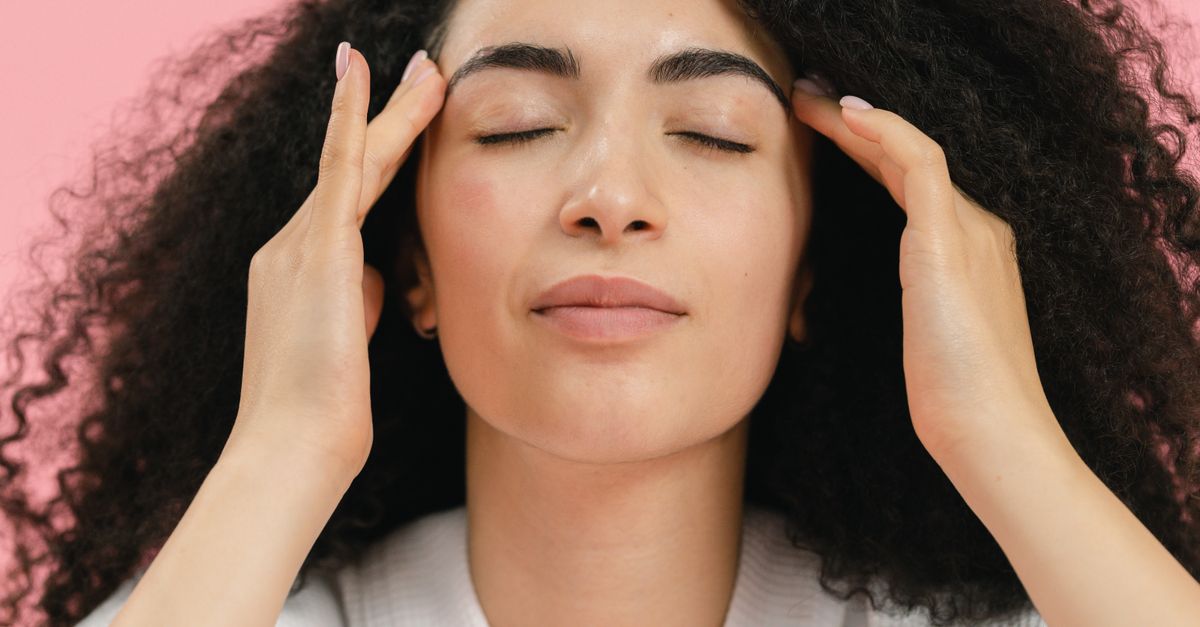
Similarly, firmly massaging the temporalis muscles by placing the fingers just above the ears and chewing slowly can release massive amounts of tension. This mechanical pressure manually stretches the shortened sarcomeres within the muscle tissue, halting the pain signals.
6. Acupressure and Neural Reflex Points
Acupressure is a clinical technique derived from traditional Chinese medicine that involves placing physical pressure on specific reflex points along the body’s neural pathways. Scientific studies indicate that stimulating these points can trigger the release of endogenous endorphins, the body’s natural painkillers.
The most effective acupressure point for headaches is known as LI4, located in the fleshy web between the thumb and the index finger. Applying deep, firm pressure to this point for up to two minutes on each hand can significantly modulate pain perception in the brain.
Another critical point is GB20, situated in the hollows at the base of the skull on either side of the spine. Pressing upward into these hollows with the thumbs while tilting the head back provides immediate, targeted relief to the suboccipital nerve cluster.
7. Posture Correction and Cervical Alignment
Modern sedentary lifestyles contribute heavily to the mechanical genesis of tension headaches. Staring at screens forces the head forward, a posture clinically known as anterior head carriage. For every inch the head moves forward, the mechanical load on the posterior neck muscles doubles.
This continuous strain exhausts the cervical musculature, leading directly to spasm and headache. Immediate postural correction is a mandatory intervention. The patient must consciously pull their chin back, aligning the ears directly over the shoulders to biomechanically offload the neck muscles.
Performing cervical retraction exercises, commonly known as chin tucks, dynamically stretches the suboccipital muscles while strengthening the deep neck flexors. Restoring proper spinal alignment eliminates the mechanical trigger for the muscular tension.
8. The Impact of Acute Dehydration
Even mild, subclinical dehydration severely impacts neurological function and vascular volume. When the body lacks adequate water, the total blood volume drops slightly, causing the brain tissue to temporarily shrink and pull away from the skull, triggering localized pain receptors in the meninges.
Furthermore, dehydration thickens the blood, reducing the efficiency of oxygen delivery to the already strained pericranial muscles. A severe tension headache is frequently the body’s primary alarm system for a fluid deficit.
The immediate non-pharmacological response should be the rapid consumption of twenty to thirty ounces of room-temperature water. Adding a small amount of sea salt or an electrolyte powder accelerates cellular absorption, often reducing headache severity within thirty minutes.
9. Breathing Mechanics and Vagal Tone
Under stress, humans naturally revert to shallow, apical breathing, utilizing only the upper chest and accessory neck muscles to pull in air. This chronically overworks the scalene and sternocleidomastoid muscles of the neck, directly fueling tension headaches.
Switching to deep, diaphragmatic breathing biomechanically rests the neck muscles and triggers a profound systemic neurological shift. Deep belly breathing stimulates the vagus nerve, which activates the parasympathetic nervous system, the body’s “rest and digest” mode.
Inhaling deeply through the nose for four seconds, holding for four seconds, and exhaling slowly for six seconds rapidly lowers systemic cortisol levels, reduces heart rate, and forces a generalized relaxation of all skeletal muscles, including those driving the headache.
10. Environmental Light and Sound Modulation
The brain of a patient suffering from a severe tension headache becomes hyper-sensitized to external stimuli. Bright artificial lights, particularly blue light emitted from digital screens, and loud noises agitate the central nervous system, amplifying pain perception.
Immediate sensory deprivation is a highly effective, drug-free abortive technique. Retreating to a completely dark, silent room removes the sensory load on the brainstem. This environmental fasting allows the overstimulated neural pathways to calm down.
If a dark room is unavailable, wearing blue-light-blocking glasses or utilizing a cool eye mask can significantly reduce the photophobic stress on the optic nerve, thereby diminishing the overall severity of the headache.
11. Magnesium Intake through Diet and Absorption
Magnesium is an essential mineral acting as a natural calcium channel blocker. It is required for muscles to achieve a state of relaxation. Magnesium deficiency is widely documented in patients who suffer from chronic, severe tension headaches and migraines.
While oral supplementation takes time to build systemic levels, topical magnesium application can offer faster, localized relief. Spraying magnesium oil directly onto the stiff neck and shoulder muscles allows the mineral to absorb transdermally, directly interacting with the spasming tissue.
Dietary optimization is also crucial for prevention. Consuming foods naturally rich in magnesium, such as spinach, almonds, pumpkin seeds, and avocados, ensures the nervous system has the biochemical resources necessary to prevent muscular locking.
12. Ergonomic Adjustments for Prevention
Relieving a current headache must be paired with preventing the next one. Ergonomic failure at the workstation is a primary driver of daily tension headaches. If a computer monitor is positioned too low, the worker will perpetually flex their neck downward.
The top third of the computer screen should be exactly at eye level. The chair must support the lumbar curve to prevent the upper spine from slouching forward.
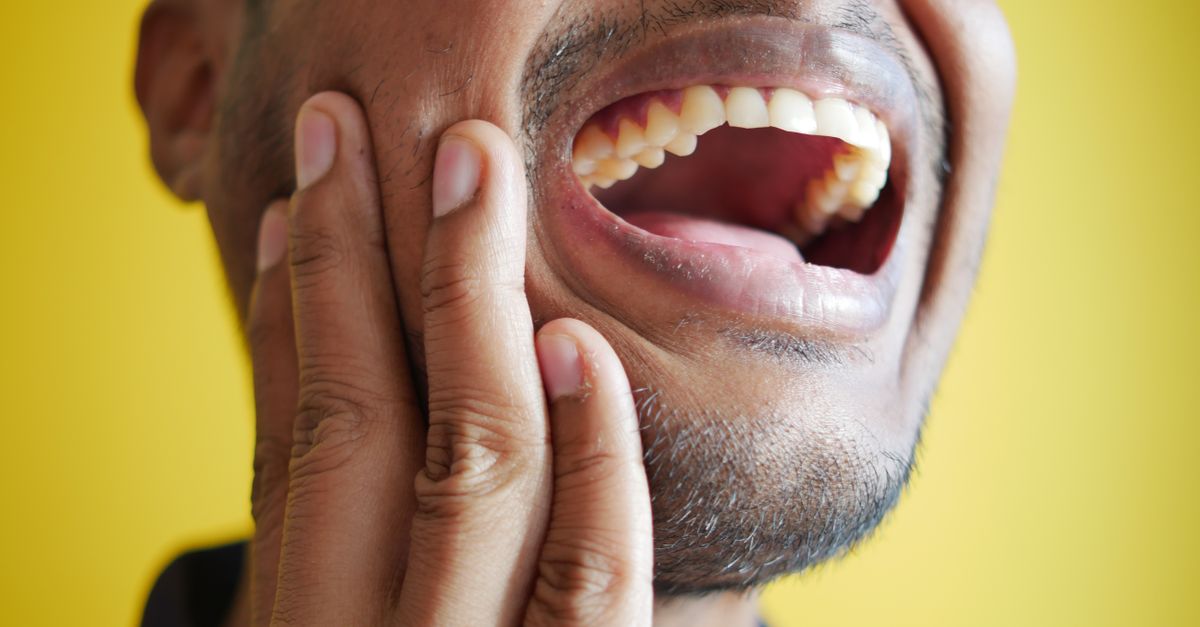
Ensuring that the jaw is relaxed and the teeth are unclenched while working is equally vital. Many patients subconsciously grind or clench their teeth during stressful tasks, deeply exhausting the temporalis and masseter muscles and guaranteeing a late-afternoon tension headache.
13. Cognitive Behavioral Strategies for Stress
Because psychological stress is the primary trigger for the physical muscle tension, cognitive behavioral strategies are an integral part of natural headache management. The brain cannot easily distinguish between a physical threat and psychological anxiety; it prepares for both by tensing the muscles.
Practicing mindfulness meditation or progressive muscle relaxation techniques trains the brain to consciously release physical tension. Progressive muscle relaxation involves intentionally tensing specific muscle groups for five seconds and then completely releasing them, teaching the nervous system the precise feeling of muscular letting go.
Over time, these behavioral techniques lower the baseline tension in the pericranial muscles, making the patient significantly more resilient against stress-induced headache triggers.
14. Physical Therapy and Professional Massage
When self-massage and thermal therapy are insufficient for a severe, locked-in tension headache, professional manual therapy is warranted. A licensed physical therapist or clinical massage therapist possesses the anatomical knowledge to safely release deep fascial restrictions.
Techniques such as craniosacral therapy or dry needling physically deactivate the dense trigger points within the neck and shoulder musculature. These therapies reset the neuromuscular feedback loop, providing profound and lasting relief without the use of chemical analgesics.
Regular physical therapy also ensures that structural imbalances, such as weak lower trapezius muscles or a misaligned cervical spine, are permanently corrected.
15. When to Transition to Medical Intervention
While the majority of tension headaches respond excellently to natural, physical interventions, there are absolute clinical indications when a patient must seek medical evaluation. Non-pharmacological therapies should never delay emergency care for dangerous secondary headaches.
If a severe headache strikes suddenly like a thunderclap, is accompanied by a stiff neck, high fever, or neurological deficits like slurred speech or unilateral weakness, immediate emergency medical attention is required.
Furthermore, if a patient is experiencing tension headaches more than fifteen days a month, they have transitioned into chronic daily headaches. At this stage, while natural therapies remain supportive, consultation with a neurologist is necessary to break the chronic pain cycle, perhaps assessing if the patient is suffering from a complex migraine with aura mimicking a tension headache.
| Therapeutic Modality | Physiological Action |
|---|---|
| Heat Therapy (Neck) | Induces vasodilation, flushes inflammatory chemicals from muscles. |
| Cold Therapy (Forehead) | Constricts superficial vessels, numbs localized pain receptors. |
| Acupressure (LI4) | Stimulates the release of endogenous endorphins in the brain. |
| Hydration | Restores vascular volume and optimal cellular oxygen delivery. |
16. Frequently Asked Questions
1. How long does it take for hydration to relieve a headache?
If the tension headache is primarily driven by dehydration, drinking twenty to thirty ounces of electrolyte-rich water can begin to reverse the vascular constriction and alleviate the pain within thirty to forty-five minutes.
2. Can caffeine help a tension headache without medication?
Yes. A moderate amount of caffeine, such as a cup of black coffee, acts as a mild vasoconstrictor. This can help reduce the pressure in the swollen blood vessels surrounding the brain, offering rapid, drug-free relief for some patients.
3. Is it better to sleep a tension headache off?
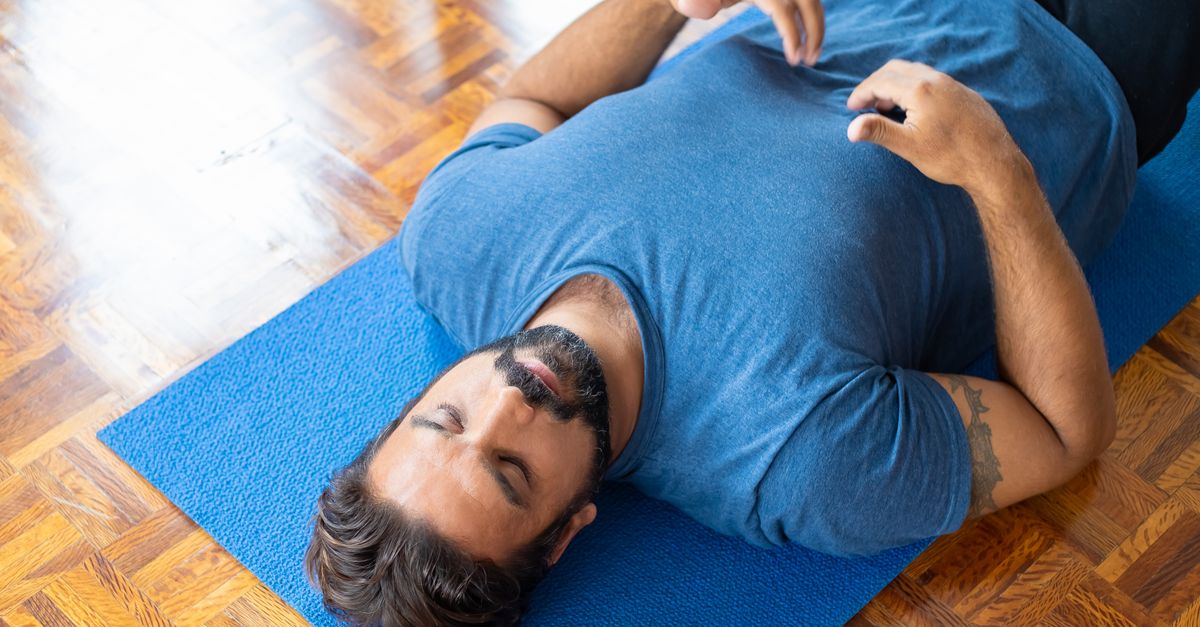
Sleep is one of the most effective natural reset mechanisms for the central nervous system. A short nap in a dark, quiet room allows the neck muscles to completely relax and lowers the sympathetic nerve drive causing the pain.
4. Why do my headaches always start in the back of my neck?
The suboccipital muscles at the base of the skull take the brunt of the mechanical strain when you look down at phones or computers. This strain causes these specific muscles to spasm first, radiating pain upward over the scalp.
5. Does stretching the neck make a tension headache worse?
Aggressive, forceful stretching can cause the muscles to spasm tighter in a protective reflex. However, gentle, slow, and sustained stretching, specifically after applying heat to warm the tissue, is very beneficial for releasing tension.
17. Bibliography
Disclaimer: The content is for informational purposes only and does not replace medical advice. Always consult your doctor for personalized treatment.