1. Introduction
To reduce a painful cystic pimple overnight without physical trauma, one must apply topical anti-inflammatory agents and localized thermal therapy to rapidly decrease the subcutaneous swelling. Utilizing a cold compress followed by targeted hydrocolloid patches or a localized benzoyl peroxide application effectively shrinks the deep dermal inflammation. Physical extraction or squeezing is strictly prohibited, as it inevitably drives the infectious material deeper, exacerbating the pain and ensuring permanent tissue scarring.
Cystic acne represents the most severe and recalcitrant form of the acne pathogenesis spectrum. Unlike superficial whiteheads or blackheads, a cystic nodule is a deep, fluid-filled lesion anchored firmly within the lower layers of the dermis. The intense pain associated with these lesions is a direct result of massive internal pressure expanding against a dense network of dermal nerve endings.
Clinical dermatological intervention focuses on utilizing chemical and thermal modalities to suppress the profound localized immune response. Rapid overnight improvement relies on calming the angry macrophages and neutrophils attacking the follicle, thereby reducing the painful edema and erythema visible on the skin’s surface.
2. The Pathophysiology of Cystic Acne
The development of a cystic nodule begins with a genetically determined sensitivity within the pilosebaceous unit. This unit consists of a hair follicle and its associated sebaceous gland. Under the influence of androgenic hormones, the sebaceous gland becomes hypertrophic, producing massive quantities of thick, viscous sebum.
Simultaneously, an abnormal shedding of dead skin cells, hyperkeratinization, occurs at the opening of the pore. These sticky cells combine with the excess sebum to form an impenetrable biological plug, trapping oxygen out of the lower follicle.
This oxygen-deprived, lipid-rich environment is the perfect breeding ground for Cutibacterium acnes, an anaerobic bacterium native to the human skin flora. As these bacteria rapidly multiply inside the sealed follicle, they digest the sebum and produce pro-inflammatory fatty acid byproducts, setting the stage for a massive structural rupture.
3. The Inflammatory Cascade and Pain
When the pressure within the plugged follicle becomes too great, the follicular wall ruptures entirely beneath the surface of the skin. This catastrophic breach dumps sebum, bacteria, and keratin debris directly into the surrounding sterile dermis.
The body’s immune system detects this foreign material and mounts a massive, aggressive defensive response. White blood cells rush to the site, releasing highly inflammatory cytokines and enzymes designed to destroy the bacteria. This fierce microscopic battle generates a significant volume of pus and cellular debris.
The resulting localized swelling, or edema, places immense physical pressure on the surrounding dermal tissues and sensory nerves. This intense pressure, combined with the acidic chemical soup of inflammation, is precisely why a cystic pimple is agonizingly painful to the touch.
4. The Dangers of Mechanical Extraction
The absolute most critical rule in managing a cystic lesion is the strict prohibition of mechanical extraction, commonly known as popping or squeezing. Because the cyst is located deep within the dermis, it rarely has a direct connection to the surface of the skin.
Attempting to squeeze the lesion applies immense downward pressure. Instead of forcing the pus out of the skin, this pressure inevitably blows out the bottom or sides of the delicate cyst wall. The highly inflammatory, infectious material is driven deeper into the dermal matrix.
This inward rupture dramatically increases the size of the inflammatory nodule, prolongs the healing time by several weeks, and guarantees the destruction of collagen fibers. The loss of collagen is the direct biomechanical cause of permanent, pitted atrophic acne scars.
5. Cold Therapy for Acute Vasoconstriction
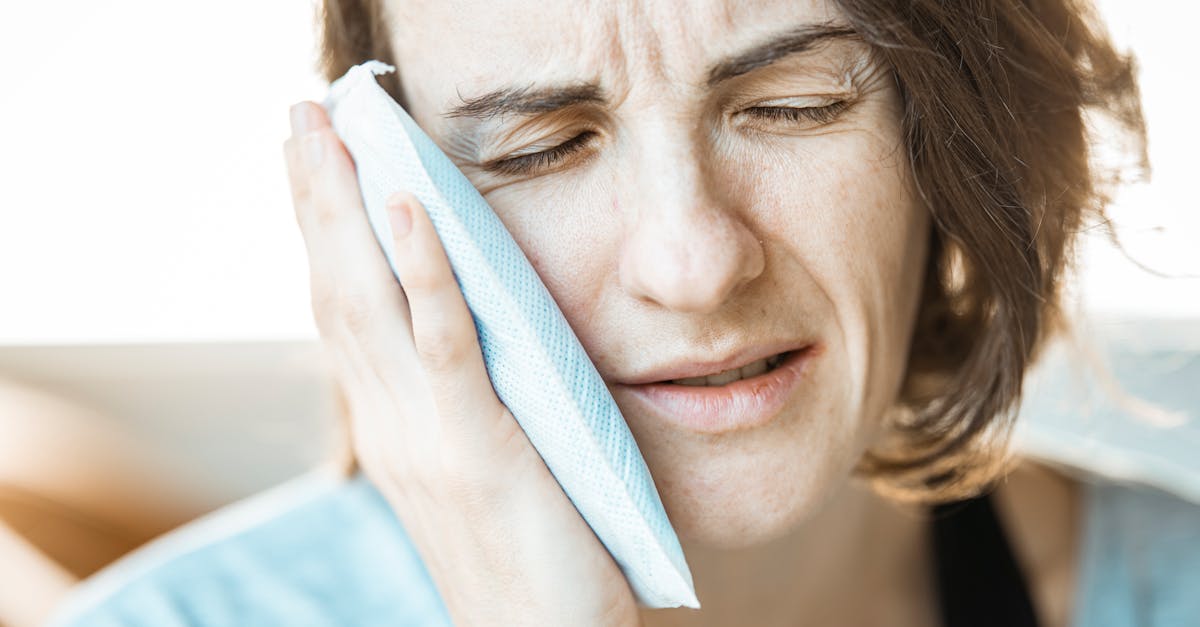
When a cyst first forms and is throbbing with pain, thermal modulation is the most effective immediate intervention. Applying a cold compress directly to the nodule induces profound, localized vasoconstriction.
By narrowing the blood vessels feeding the lesion, cold therapy instantly halts the rush of inflammatory cells and fluid into the area. This rapidly reduces the swelling, decreases the bright red erythema, and physically numbs the irritated nerve endings, providing immediate pain relief.
An ice cube wrapped in a clean, thin cloth should be applied gently to the cyst for three intervals of five minutes each, allowing the skin to rest between applications. This initial freezing of the inflammatory cascade is crucial for reducing the sheer volume of the cyst overnight.
6. Hydrocolloid Dressings and Exudate Management
Following cold therapy, applying a high-quality hydrocolloid patch is a frontline dermatological strategy. Hydrocolloid is an advanced medical dressing material originally designed for wound care. It consists of a gel-forming agent that is highly hydrophilic, meaning it loves water.
When applied tightly over a cystic pimple, the hydrocolloid creates a slightly acidic, moist environment that promotes optimal tissue healing. More importantly, it actively draws out inflammatory fluids and excess oil from the superficial layers of the lesion without breaking the skin barrier.
The physical barrier of the patch serves a dual purpose: it prevents ambient environmental bacteria from further infecting the site, and it acts as a mechanical deterrent, physically preventing the patient from subconsciously picking or touching the painful nodule during sleep.
7. Topical Benzoyl Peroxide Mechanisms
If a hydrocolloid patch is not utilized, targeted chemical therapy with a topical bactericidal agent is the preferred alternative. Benzoyl peroxide is a highly effective, rapid-acting chemical that targets the underlying infectious driver of the cyst.
Benzoyl peroxide is lipophilic, allowing it to penetrate through the thick layers of sebum directly into the deep follicle. Once inside, it releases free oxygen radicals. Because the Cutibacterium acnes bacteria are strictly anaerobic, this sudden influx of oxygen rapidly destroys their cellular membranes, killing the colony.
For overnight spot treatment of a painful cyst, a low concentration of 2.5 percent benzoyl peroxide is optimal. High concentrations frequently cause severe chemical burns and contact dermatitis on inflamed skin, which paradoxically increases redness and delays overall healing.
8. Salicylic Acid and Follicular Exfoliation
Another potent chemical tool for reducing a cyst is salicylic acid, a beta-hydroxy acid. Unlike alpha-hydroxy acids which are water-soluble, salicylic acid is oil-soluble. This unique chemical property allows it to travel directly down into the lipid-filled sebaceous gland.
Salicylic acid acts as a powerful desmolytic agent, meaning it dissolves the intracellular glue holding the dead skin cells together inside the pore. By chemically exfoliating the lining of the follicle, it helps to gradually unroof the biological plug trapping the cyst.
Furthermore, salicylic acid possesses inherent anti-inflammatory properties because its chemical structure is closely related to aspirin. Applying a two percent salicylic acid spot treatment helps calm the surrounding dermal tissue while slowly opening the pathway for eventual drainage.
9. Intralesional Corticosteroid Injections
For cysts that are agonizingly painful, massively swollen, and must be resolved immediately due to an impending significant life event, professional medical intervention is available. A board-certified dermatologist can perform an intralesional corticosteroid injection.
Using a microscopic needle, the physician injects a very dilute amount of triamcinolone acetonide, a potent synthetic steroid, directly into the core of the cyst. The corticosteroid immediately shuts down the local immune response and halts all inflammatory cytokine production.
The results of this injection are often dramatic. The pain typically resolves within a few hours, and the massive nodule simply melts away, flattening entirely within twenty-four to forty-eight hours. However, this procedure carries a small risk of localized skin atrophy or a temporary depression at the injection site.
10. The Role of the Cutaneous Microbiome
While destroying the pathogenic bacteria is important, modern dermatology also emphasizes protecting the cutaneous microbiome. The skin is covered in millions of beneficial bacteria that naturally defend against severe infections and maintain barrier integrity.
Overusing harsh, drying chemicals like rubbing alcohol, undiluted tea tree oil, or excessive concentrations of topical antibiotics decimates this protective microbiome. When the healthy bacteria are wiped out, the skin barrier becomes severely compromised.
A compromised barrier leads to transepidermal water loss, severe dehydration, and microscopic fissuring. The skin responds to this injury by ramping up inflammation and oil production, trapping the patient in an endless cycle of chemical irritation and cystic rebound.
11. Dietary Influences on Sebum Production
While topical treatments reduce the acute lesion, addressing the systemic drivers is necessary for prevention. Emerging clinical evidence strongly links specific dietary patterns to the hormonal stimulation of sebaceous glands.
High-glycemic diets, loaded with refined carbohydrates and processed sugars, cause rapid spikes in blood insulin levels. Elevated insulin subsequently triggers an increase in insulin-like growth factor-1. This powerful hormone directly binds to receptors in the skin, driving massive cellular proliferation and excessive sebum output.
Similarly, dairy proteins, specifically whey and casein found in skim milk, contain complex hormonal precursors that survive digestion and stimulate androgen receptors in the pilosebaceous unit. Modulating the diet to stabilize blood sugar can significantly reduce the frequency of cystic flare-ups.
12. Warm Compresses for Lesion Maturation
While cold therapy is utilized during the initial, throbbing, highly inflamed stage, thermal dynamics change as the cyst matures. If the cyst has been present for several days and the acute, fiery pain has subsided into a dull ache, a warm compress is indicated.
Applying gentle, moist heat to a mature cyst induces localized vasodilation. Expanding the blood vessels increases the flow of oxygen and immune cells to the area, accelerating the body’s natural process of breaking down the trapped debris and reabsorbing the purulent fluid.
A warm compress applied for ten minutes several times a day helps draw the deep inflammation closer to the surface. It is critical to ensure the compress is warm, not hot, to avoid inducing thermal burns on the delicate, stretched skin.
13. Avoiding Home Remedies and Physical Irritants
The internet is replete with dangerous home remedies for cystic acne, notably the application of raw garlic, baking soda, or toothpaste. These substances are highly alkaline or contain severe physical irritants that destroy the skin’s protective acid mantle.
Applying toothpaste to a cyst guarantees contact dermatitis. The fluoride, menthol, and harsh detergents aggressively burn the epidermis, turning a localized internal nodule into a massive, weeping, hyperpigmented chemical burn.
Clinical resolution relies on utilizing specifically formulated dermatological compounds at the correct pH. Attempting to forcefully dry out a deep cyst with kitchen ingredients only damages the superficial tissue while leaving the deep dermal inflammation completely unaffected.
14. Long-Term Preventive Dermatological Therapy
Because cystic acne involves deep structural and hormonal factors, it rarely responds long-term to over-the-counter spot treatments alone. Patients suffering from frequent nodules require systemic or potent topical preventive therapy.
Topical retinoids, derived from vitamin A, are the foundational maintenance therapy. They fundamentally alter how the skin cells mature and shed, preventing the initial biological plug from ever forming.
For severe, recalcitrant cases, systemic therapies such as oral isotretinoin or specific anti-androgen medications like spironolactone are prescribed. These powerful medications permanently alter the size and output of the sebaceous glands, offering the only true long-term cure for cystic acne.
15. When to Consult a Dermatologist
A single, occasional cystic pimple can be managed at home using hydrocolloid patches and targeted spot treatments. However, if multiple cysts develop simultaneously, or if they are leaving deep, pitted scars, immediate professional intervention is mandated.
Furthermore, if a facial nodule becomes exceedingly large, warm to the touch, and is accompanied by red streaks or a systemic fever, it may not be a simple acne cyst. These are red flag symptoms indicating a severe staphylococcal skin infection or an abscess, which requires oral antibiotics and surgical drainage by a physician.
Early intervention by a dermatologist is the only proven method to prevent the permanent structural disfigurement and significant psychological distress associated with severe cystic acne.
| Treatment Modality | Mechanism of Action |
|---|---|
| Cold Compress | Induces vasoconstriction, rapidly reducing acute swelling and numbing pain. |
| Hydrocolloid Patch | Creates a moist healing environment and draws out inflammatory exudate. |
| Benzoyl Peroxide | Delivers oxygen into the follicle, destroying anaerobic bacteria. |
| Salicylic Acid | Dissolves the lipid plug and chemically exfoliates the pore lining. |
16. Frequently Asked Questions
1. Is it safe to use a sterilized needle to pop a deep cyst?
No. A true cystic pimple does not have a direct channel to the surface. Sticking a needle deep into the dermis introduces new bacteria, guarantees damage to the collagen matrix, and greatly increases the risk of a severe secondary staph infection.
2. Does icing a pimple make it go away permanently?
Ice does not cure the underlying bacterial infection or remove the sebum plug. It strictly acts as an anti-inflammatory tool to rapidly shrink the blood vessels, reducing the visible size, redness, and pain of the lesion while the body’s immune system processes it.
3. Why do cystic pimples always appear in the exact same spot?
Once a follicle ruptures deeply in the dermis, the structure is permanently weakened. When hormones trigger excess oil production again, that specific, damaged follicle is much more likely to balloon and rupture repeatedly, creating a recurrent cyst.
4. Will leaving a hydrocolloid patch on for two days work faster?
No. Hydrocolloid patches absorb moisture. If left on too long after they have reached maximum absorption, the trapped fluid can macerate the skin, breaking down the healthy tissue around the cyst. Follow the manufacturer’s recommended duration, usually six to eight hours.
5. Can stress cause a cystic pimple overnight?
Yes. Acute psychological stress causes the adrenal glands to release massive amounts of cortisol. Cortisol directly binds to the sebaceous glands, triggering an immediate, massive surge in oil production that can plug a follicle and ignite a cyst within hours.
17. Bibliography
Disclaimer: The content is for informational purposes only and does not replace medical advice. Always consult your doctor for personalized treatment.