1. Introduction
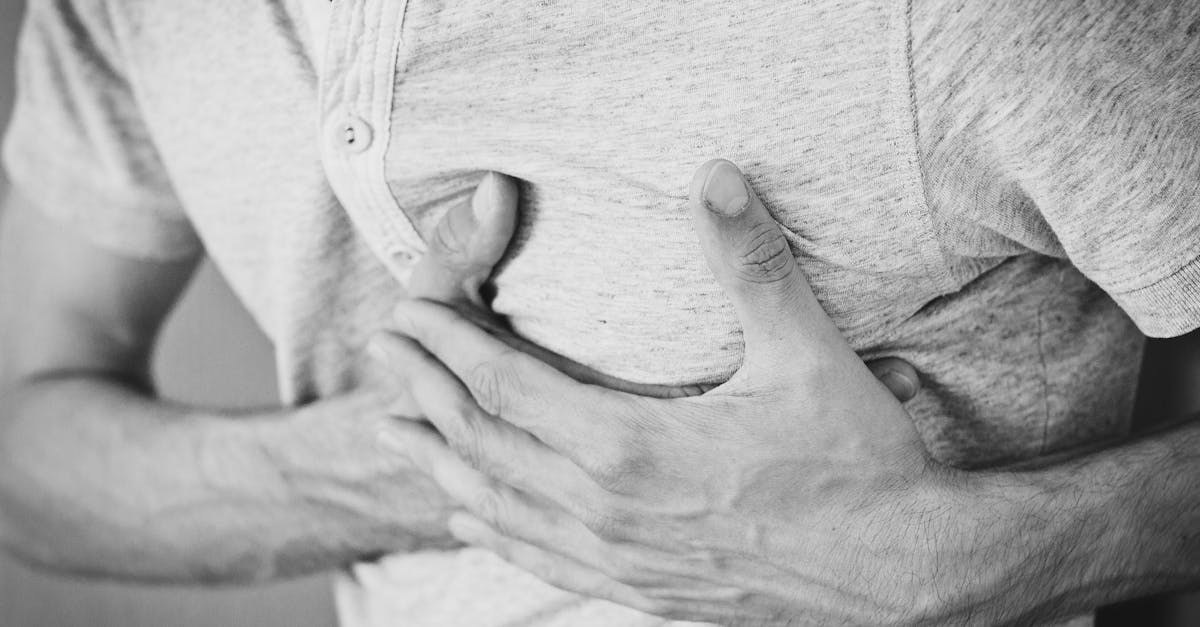
Stopping severe heartburn instantly involves neutralizing the escaped gastric acid with a mild alkaline solution, such as diluted sodium bicarbonate, and immediately adopting an upright posture to utilize gravity. Chewing non-mint gum stimulates alkaline saliva production to naturally wash the esophagus, while left-sided lateral decubitus positioning physically elevates the esophageal sphincter above the pooling stomach contents. The intense, burning pain of heartburn is a biological alarm signaling that highly corrosive stomach acid has breached its boundaries and is actively damaging the unprotected epithelial lining of the chest.
Gastroesophageal reflux disease occurs when the mechanical barrier between the stomach and the esophagus fails. The stomach is a remarkably resilient organ, lined with a thick layer of protective mucus designed to withstand a highly acidic environment with a pH near two. In stark contrast, the delicate squamous epithelium of the esophagus possesses zero innate defenses against this acid or the potent digestive enzyme pepsin.
Clinical management of acute reflux requires rapid chemical neutralization of the escaped acid and biomechanical offloading of the lower esophageal sphincter. By employing targeted postural adjustments and utilizing safe, household antacids, individuals can swiftly extinguish the localized chemical burn and prevent the long-term structural tissue damage associated with chronic reflux.
2. Anatomy of the Esophageal Sphincter
The lower esophageal sphincter is the critical anatomical gatekeeper standing between the esophagus and the stomach. It is not a true, distinct anatomical valve, but rather a specialized, thickened band of smooth muscle located at the junction where the esophagus passes through the diaphragm.
Under normal physiological conditions, this sphincter remains tightly contracted, forming a high-pressure seal that prevents the acidic contents of the churning stomach from splashing upward. It only relaxes for a few brief seconds to allow swallowed food or liquid to pass downward, or to allow built-up gastric gas to escape during a belch.
Severe heartburn occurs when this sphincter relaxes inappropriately—a phenomenon known as transient lower esophageal sphincter relaxation—or when its resting tone becomes chronically weakened. When the seal is breached, the corrosive gastric juice surges upward into the esophagus, instantly beginning to digest the unprotected mucosal lining.
3. Pathophysiology of the Chemical Burn
The burning sensation of heartburn is exactly that: a localized chemical burn. The gastric juice is predominantly composed of hydrochloric acid and pepsin. Hydrochloric acid immediately drops the pH of the esophageal environment, causing instant chemical trauma to the superficial epithelial cells.
More insidiously, the acid activates pepsin, an aggressive enzyme designed to break down dietary proteins. When pepsin enters the esophagus, it begins to actively digest the structural proteins of the esophageal wall. This dual attack of acid and enzymatic degradation triggers massive localized inflammation.
The sensory nerve endings in the deep layers of the esophagus are highly sensitive to acidity. When the protective outer cellular layer is eroded, the acid directly stimulates these nerves, sending agonizing, fiery pain signals straight to the brain, which the patient feels deeply behind the sternum.
4. Sodium Bicarbonate for Instant Neutralization
When severe heartburn strikes, the immediate priority is raising the pH of the esophagus and the upper stomach to halt the chemical burn. Baking soda, or sodium bicarbonate, is a highly effective, natural alkaline compound that acts as a rapid, direct-acting antacid.
Dissolving one-half teaspoon of baking soda in four ounces of room-temperature water creates an alkaline solution. When swallowed, this solution washes down the esophagus, instantly neutralizing the hydrochloric acid on contact by converting it into harmless salt, water, and carbon dioxide gas.
The pain relief is typically instantaneous. However, this intervention must be used strictly for acute emergencies and not as a daily preventive strategy. Baking soda is exceptionally high in sodium, which can elevate blood pressure, and overuse can lead to metabolic alkalosis, disrupting the body’s delicate systemic pH balance.
5. Salivary Stimulation and Esophageal Clearance
Human saliva is naturally slightly alkaline, containing high concentrations of bicarbonate ions. It serves as the body’s primary endogenous defense mechanism for clearing escaped acid from the esophagus. Stimulating heavy salivary flow provides continuous, soothing relief for acute heartburn.
Chewing a piece of sugar-free gum for thirty minutes immediately following a meal drastically increases the production and swallowing of alkaline saliva. This constant downward flow of fluid mechanically washes the irritating acid back down into the stomach while simultaneously bathing the inflamed esophageal tissue in neutralizing bicarbonate.
Crucially, patients must select a fruit-flavored or cinnamon gum. Mint flavors, specifically peppermint and spearmint, contain volatile oils that act as powerful smooth muscle relaxants. Chewing mint gum will inadvertently relax the lower esophageal sphincter further, drastically worsening the reflux episode.
6. Postural Interventions and Gravity
Because the lower esophageal sphincter is frequently compromised, patients must utilize gravity to mechanically keep the acid in the stomach. Lying down flat immediately after a meal eliminates the gravitational advantage, allowing the acidic pool to slide effortlessly into the chest.
If severe heartburn occurs, the patient must immediately sit or stand bolt upright. This simple mechanical shift forces the heavy gastric contents to settle deep within the bottom of the stomach, away from the vulnerable sphincter.
When resting at night, the posture is equally critical. If the patient must sleep, they should elevate the entire head of the bed utilizing sturdy blocks or a medical foam wedge. Stacking soft pillows is biomechanically incorrect, as it causes the neck and abdomen to fold inward, artificially increasing intra-abdominal pressure and forcing more acid upward.
7. The Left Lateral Decubitus Position
If standing or sitting upright is not feasible, the specific lateral position in which the patient lies heavily dictates the severity of the reflux. Anatomically, the stomach is positioned on the left side of the abdominal cavity and curves downward.
Lying on the left side, known as the left lateral decubitus position, physically places the stomach lower than the esophagus. The pool of gastric acid rests safely in the greater curvature of the stomach, effectively eliminating the risk of acid splashing backward through the sphincter.
Conversely, sleeping on the right side elevates the stomach above the esophagus, creating a direct, downward funnel for acid to pour continuously into the chest. Therefore, strict left-sided positioning is a foundational biomechanical strategy for resolving nocturnal heartburn.
8. Dietary Triggers and Sphincter Relaxation
Certain specific foods contain chemical compounds that directly target the smooth muscle of the lower esophageal sphincter, causing it to lose its tight resting tone and fall open inappropriately. These foods must be strictly avoided during an acute flare-up.
Chocolate contains methylxanthines and caffeine, which powerfully relax the sphincter muscle. High-fat meals, particularly fried foods, delay gastric emptying, leaving food and acid churning in the stomach for hours, creating continuous upward pressure on the valve.
Additionally, highly acidic foods like citrus fruits and tomato-based sauces, as well as spicy capsaicin, directly irritate the already raw, inflamed lining of the esophagus. Eliminating these chemical and irritant triggers provides the esophageal tissue the necessary respite to begin structural healing.
9. Intra-Abdominal Pressure Dynamics
The esophagus passes through a small hole in the diaphragm, known as the diaphragmatic hiatus, before connecting to the stomach. The diaphragm provides essential external squeezing pressure to assist the lower esophageal sphincter in staying tightly closed.
Any factor that significantly increases the pressure inside the abdominal cavity can physically overpower the sphincter, forcing the stomach contents upward. Overeating stretches the stomach rapidly, drastically increasing this internal pressure.
Wearing tight clothing, such as rigid belts or restrictive shapewear, physically squeezes the abdomen like a balloon, leaving the acid nowhere to go but up. Loosening all restrictive clothing around the waist immediately reduces this compressive force, providing rapid relief from acute reflux pressure.
10. The Role of the Hiatal Hernia
In many patients suffering from chronic, severe heartburn, the underlying cause is a structural anatomical defect known as a hiatal hernia. This occurs when the upper portion of the stomach physically bulges upward through the diaphragmatic hiatus, entering the chest cavity.
When a hiatal hernia is present, the lower esophageal sphincter is displaced above the diaphragm. It loses the crucial external muscular support that the diaphragm normally provides. The sphincter becomes inherently weak and mechanically incompetent.
Furthermore, the herniated portion of the stomach traps a small reservoir of highly concentrated acid directly beneath the sphincter, making the patient exceptionally vulnerable to sudden, violent reflux episodes upon bending over or lying down.
11. Gastric Emptying and Meal Timing
The longer food remains in the stomach, the longer the parietal cells pump out aggressive hydrochloric acid to digest it. Delayed gastric emptying guarantees a high volume of acidic fluid churning against the sphincter for hours.
To prevent and manage severe heartburn, the timing of meals is paramount. The stomach requires approximately three to four hours to sufficiently empty its contents into the small intestine. A patient must never ingest solid food within three hours of lying down to sleep.
Consuming smaller, more frequent meals rather than large, heavy dinners prevents the stomach from becoming overly distended, ensuring that the gastric acid volume remains manageable and deeply settled within the lower curvature of the organ.
12. Water Loading and Dilution Tactics
When a heartburn attack strikes, many patients intuitively drink a massive volume of water in an attempt to wash the acid away. While a few sips of water are helpful, aggressively chugging large quantities of liquid is severely detrimental.
Filling the stomach with a large volume of water rapidly distends the gastric walls. This massive stretch increases the intra-abdominal pressure and physically forces the water, now mixed with highly concentrated acid, directly back up through the compromised sphincter.
To safely utilize water, the patient should take very small, frequent sips of room-temperature alkaline or plain water. This strategy provides the mechanical washing benefit to the esophagus without dangerously ballooning the stomach.
13. Diaphragmatic Breathing for Sphincter Tone
The physical act of breathing is directly tied to the strength of the esophageal barrier. The crura of the diaphragm wrap tightly around the lower esophagus. By actively engaging the diaphragm, patients can voluntarily increase the strength of the anti-reflux barrier.
Practicing deep, diaphragmatic belly breathing—inhaling slowly so the stomach expands outward, and exhaling fully—actively strengthens the diaphragmatic muscle fibers surrounding the sphincter.
Clinical studies demonstrate that engaging in just ten minutes of focused diaphragmatic breathing after a meal significantly increases the resting pressure of the lower esophageal sphincter and dramatically reduces the number of transient relaxation events, providing a powerful, physical defense against reflux.
14. Red Flags and Serious Complications
While occasional heartburn is a common physiological nuisance, chronic or exceptionally severe chest pain requires meticulous clinical evaluation. The esophagus cannot withstand long-term acid exposure without undergoing dangerous cellular mutations.
Chronic, unmanaged acid reflux frequently leads to Barrett’s esophagus, a precancerous condition where the normal squamous cells of the esophagus mutate into intestinal-type cells in a desperate attempt to survive the acid bath.
Furthermore, patients must never assume that severe, crushing chest pain is simply heartburn. If the burning sensation radiates to the left arm, up the jaw, or is accompanied by profound shortness of breath, heavy sweating, or severe dizziness, it strongly indicates acute myocardial ischemia. Immediate emergency medical triage is absolutely mandatory to rule out a cardiac event.
| Immediate Relief Intervention | Physiological Mechanism |
|---|---|
| Sodium Bicarbonate (Baking Soda) | Chemically neutralizes hydrochloric acid on contact, halting the burn. |
| Sugar-Free Non-Mint Gum | Stimulates alkaline saliva production to wash and soothe the esophagus. |
| Left Lateral Decubitus Position | Utilizes gravity to drop the stomach below the esophageal sphincter. |
| Loosening the Waistband | Instantly reduces upward intra-abdominal pressure on the stomach. |
15. Frequently Asked Questions
1. Does drinking milk cure severe heartburn?
Milk can provide a few seconds of soothing relief as the cool liquid coats the esophagus. However, the high fat and calcium content in dairy strongly stimulates the stomach to produce a massive surge of new acid shortly afterward, ultimately making the heartburn much worse.
2. Can stress cause acid reflux to flare up?
Yes. Psychological stress severely disrupts the autonomic nervous system. It slows down gastric emptying, keeping food and acid in the stomach longer, and it makes the pain receptors in the esophagus exponentially more sensitive to even minor amounts of acid exposure.
3. Is it safe to take over-the-counter antacids every single day?
No. Relying on calcium carbonate antacids or baking soda daily can cause rebound acid hypersecretion and severe kidney stones. If you experience heartburn more than twice a week, a physician needs to evaluate you for a daily proton pump inhibitor or H2 blocker.
4. Why does bending over make the burning sensation shoot up my chest?
When you bend over at the waist, you forcefully compress your abdominal cavity. This creates a massive spike in internal pressure that physically squeezes the stomach, blowing the acid straight past the lower esophageal sphincter and into the chest.
5. How does a hiatal hernia actually cause acid reflux?
A hiatal hernia pushes the top of your stomach up through the diaphragm and into your chest. This displaces your lower esophageal sphincter, stripping away the muscular support it normally receives from the diaphragm, leaving the valve weak and unable to close tightly.
16. Bibliography
Disclaimer: The content is for informational purposes only and does not replace medical advice. Always consult your doctor for personalized treatment.