
1. Introduction
The prothrombin time is a fundamental laboratory assay utilized to evaluate the integrity and efficiency of the extrinsic and common pathways of the coagulation cascade. This finding measures the exact time, in seconds, required for a blood sample to form a stable fibrin clot following the addition of tissue factor and calcium. From a clinical perspective, the prothrombin time provides critical data regarding the liver’s synthetic function, the presence of specific vitamin K-dependent clotting factors, and the overall propensity for hemorrhage.
When a physician orders this assay, the objective is to assess the physiological mechanisms that prevent exsanguination. The coagulation cascade is a complex, sequential amplification process where inactive proenzymes are converted into active enzymes, culminating in the formation of a structural fibrin mesh. The prothrombin time specifically isolates the extrinsic arm of this process, identifying functional deficits that could compromise patient safety during surgical interventions or manifest as spontaneous bleeding disorders.
Interpreting a prothrombin time finding requires standardizing the raw data through the International Normalized Ratio system, ensuring universal consistency. This meticulous laboratory evaluation is indispensable for diagnosing hepatic impairment, monitoring specific anticoagulant therapies, and investigating unexplained hemorrhagic events in the clinical setting.
2. The Extrinsic Coagulation Cascade
To comprehend the significance of the prothrombin time, one must examine the architecture of the extrinsic coagulation pathway. The coagulation system is divided into intrinsic, extrinsic, and common pathways. The extrinsic pathway is considered the primary physiological initiator of blood coagulation in vivo. It is activated when vascular injury exposes blood to tissue factor, a protein normally isolated in the subendothelial tissue.
Upon exposure, tissue factor binds with circulating Factor VII, forming a complex that activates Factor VII into Factor VIIa. This activated complex then rapidly catalyzes the activation of Factor X into Factor Xa, marking the beginning of the common pathway.
In the common pathway, Factor Xa combines with Factor Va to form the prothrombinase complex. This complex cleaves prothrombin (Factor II) into its active form, thrombin (Factor IIa). Finally, thrombin converts soluble circulating fibrinogen (Factor I) into insoluble fibrin strands, creating the structural framework of a stable blood clot.
3. The Role of Vitamin K
Vitamin K is an essential fat-soluble micronutrient that plays a mandatory role in the synthesis of specific coagulation factors. The liver requires Vitamin K as a cofactor to perform a chemical modification known as gamma-carboxylation on the precursor proteins of Factors II, VII, IX, and X.
Without this carboxylation step, these factors cannot bind to the calcium ions necessary to anchor them to the phospholipid surfaces of platelets and endothelial cells. Consequently, even if the liver synthesizes the proteins, they remain biologically inactive. Factor VII, which has the shortest biological half-life of all coagulation factors, is highly sensitive to Vitamin K depletion.
Because the prothrombin time assay is heavily dependent on the activity of Factor VII, a deficiency in Vitamin K will rapidly manifest as a prolonged prothrombin time finding. This makes the assay a remarkably sensitive indicator of early nutritional deficits or malabsorption syndromes affecting fat-soluble vitamins.
4. Indications for Diagnostic Testing
Physicians utilize the prothrombin time finding for a variety of critical diagnostic and monitoring purposes. The most frequent indication is the routine monitoring of patients receiving oral Vitamin K antagonist therapy, specifically warfarin. Because warfarin acts by inhibiting the recycling of Vitamin K, it purposefully impairs the extrinsic pathway, necessitating continuous laboratory surveillance to ensure the patient remains within a safe therapeutic window.
The assay is also a standard component of preoperative screening. Before conducting invasive surgical procedures, confirming that the patient’s extrinsic coagulation pathway is functionally intact is a mandatory safety measure to prevent catastrophic intraoperative hemorrhage.
Furthermore, the prothrombin time serves as a primary biomarker for assessing hepatic synthetic function. Patients presenting with signs of liver disease, such as jaundice or ascites, undergo this testing to determine the extent of hepatocellular damage, as the liver manufactures the vast majority of circulating clotting factors.
5. Understanding the INR System
A critical challenge in early coagulation testing was the immense variability in the specific tissue factor reagents used by different laboratories. A raw prothrombin time measured in seconds at one facility could differ substantially from the result at another, making the management of traveling patients or multi-center clinical trials chaotic.
To resolve this, the World Health Organization established the International Normalized Ratio (INR). The INR is a mathematical calculation that standardizes the prothrombin time result. It compares the patient’s prothrombin time to a control normal value and applies a correction factor specific to the sensitivity of the exact reagent used by that laboratory, known as the International Sensitivity Index.
Through this standardization, an INR value of 2.5 means the exact same degree of anticoagulation regardless of which laboratory in the world performed the assay, providing clinicians with a universally reliable metric for patient management.
6. Normal Reference Ranges
In a healthy adult with no underlying coagulopathy and who is not taking anticoagulant medications, the raw prothrombin time typically ranges from 11 to 13.5 seconds, depending on the specific laboratory equipment. Converted into the standardized system, a normal INR is approximately 1.0, generally ranging from 0.8 to 1.1.
An INR finding of 1.0 indicates that the patient’s blood clots at exactly the expected rate for a healthy individual. When the value rises above 1.1, it signifies that coagulation is delayed, and it takes longer than normal for a stable fibrin clot to form.
Conversely, a value falling below 0.8 is an uncommon finding indicating that the blood is clotting faster than the established normal baseline. Recognizing these precise reference ranges is the first step in formulating a differential diagnosis for any observed coagulation abnormalities.
7. Hepatic Synthesis and Liver Disease
The liver is the central manufacturing hub for the coagulation cascade, synthesizing Factors I, II, V, VII, IX, X, and XI. Therefore, the prothrombin time is an exceptional indirect measure of hepatocellular synthetic capacity.
In acute liver failure, the rapid necrosis of hepatocytes abruptly halts the production of new clotting factors. Because Factor VII degrades quickly, its levels plummet within hours of severe hepatic insult. This results in a rapid and substantial prolongation of the prothrombin time, serving as a grave prognostic indicator in acute hepatotoxicity.
In chronic liver disease or cirrhosis, the gradual replacement of healthy functional parenchyma with fibrotic scar tissue causes a slow, steady decline in clotting factor synthesis. A progressively rising prothrombin time in a patient with known cirrhosis warns the physician of advancing end-stage liver disease and a significantly elevated risk for spontaneous hemorrhage.
8. Warfarin and Anticoagulant Monitoring
Warfarin remains a critical pharmacological tool for managing patients with mechanical heart valves, atrial fibrillation, or a history of deep vein thrombosis. Managing this medication relies entirely on the prothrombin time and INR finding. Warfarin blocks the enzyme Vitamin K epoxide reductase, preventing the activation of the Vitamin K-dependent clotting factors.
For most clinical indications, such as the prevention of stroke in atrial fibrillation, the therapeutic target is an INR between 2.0 and 3.0. This range provides sufficient anticoagulation to prevent pathological thrombus formation while maintaining enough coagulation capacity to prevent severe spontaneous bleeding.
For patients with mechanical mitral valves, the target is often higher, typically between 2.5 and 3.5, due to the substantial thrombogenic nature of the artificial valve materials. Patients require frequent, lifelong monitoring, as dietary changes, interacting medications, and systemic illnesses can unpredictably alter the INR finding.
9. Acquired Coagulation Deficits
Beyond hepatic impairment and pharmacological anticoagulation, various acquired clinical states can prolong the prothrombin time. Disseminated intravascular coagulation is a catastrophic systemic syndrome often triggered by severe sepsis, trauma, or massive obstetric complications. In this state, the coagulation cascade is inappropriately activated throughout the entire vascular tree.
This massive, uncontrolled systemic clotting rapidly consumes all available coagulation factors and platelets. As the reserves are depleted, the blood completely loses its ability to form localized clots, leading to severe, paradoxical hemorrhage. The prothrombin time becomes profoundly prolonged as the essential factors are consumed faster than the liver can synthesize them.
Severe malabsorption syndromes, such as celiac disease or chronic biliary obstruction, prevent the absorption of dietary fats and fat-soluble vitamins in the intestine. This lack of Vitamin K absorption leads directly to a secondary prolongation of the prothrombin time, which can be corrected by administering intravenous Vitamin K bypass formulations.
10. Hereditary Factor Deficiencies
While less common than acquired conditions, hereditary genetic mutations affecting the synthesis or function of specific coagulation factors will result in an abnormal prothrombin time finding. A deficiency in Factor VII is the most frequent congenital anomaly isolated by this specific assay.
Patients with profound Factor VII deficiency experience bleeding symptoms that mimic classical hemophilia, including deep muscle hematomas and joint hemorrhages. Because the intrinsic pathway remains intact, these patients will present with a prolonged prothrombin time but a completely normal activated partial thromboplastin time.
Deficiencies in common pathway proteins, such as Factor X, Factor V, prothrombin (Factor II), or fibrinogen (Factor I), will also prolong the prothrombin time. However, because these factors are shared by both pathways, their deficiency will prolong all major coagulation assays simultaneously.
11. Point-of-Care Versus Laboratory Testing
Advancements in medical technology have facilitated the development of point-of-care testing devices for monitoring the prothrombin time. Similar to home blood glucose monitors, these devices utilize a single drop of capillary whole blood obtained from a fingerstick to calculate the INR within seconds.
Point-of-care testing is highly advantageous for patients on long-term warfarin therapy, allowing for rapid dose adjustments during routine clinic visits or even facilitating patient self-testing at home. This convenience dramatically improves patient compliance and Time in Therapeutic Range.
However, in critical care environments involving complex coagulopathies or significant systemic shock, traditional venous blood draws processed by standardized central laboratory analyzers remain the gold standard, as point-of-care devices can lose accuracy at extreme ends of the diagnostic spectrum or in the presence of severe anemia.
12. Pre-analytical Variables and Errors
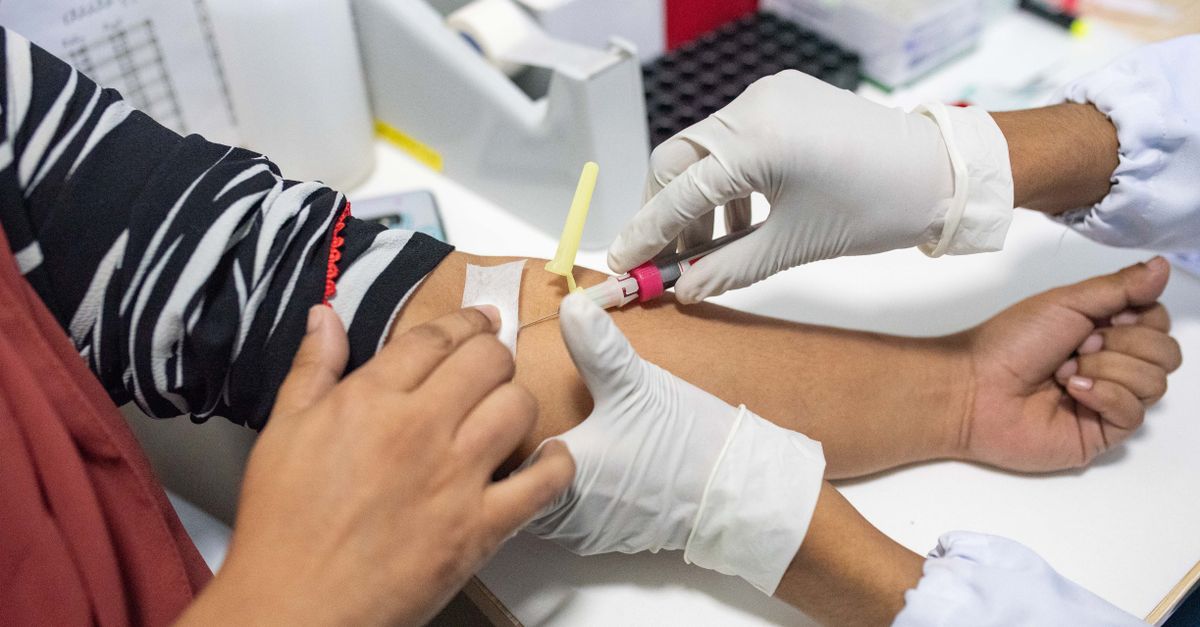
Interpreting a prothrombin time finding requires strict adherence to pre-analytical laboratory protocols. The assay is performed on blood collected in a tube containing sodium citrate, a liquid anticoagulant that reversibly binds to the calcium in the sample, halting the coagulation process during transport.
The ratio of blood to the citrate anticoagulant must be precise. If the tube is underfilled, the excess citrate will bind the calcium added during the laboratory testing phase, falsely prolonging the measured prothrombin time. This is a frequent cause of erroneous clinical data resulting in unnecessary medical interventions.
Furthermore, if the patient has a profoundly elevated hematocrit, such as in polycythemia vera, the plasma volume relative to the red blood cell mass is reduced. The standard amount of citrate in the tube becomes excessive for the small volume of plasma, again leading to a falsely prolonged result that must be corrected mathematically by the laboratory.
13. Data Structure: Coagulation Pathways and Factors
The following table outlines the coagulation factors and their specific relationship to the standard laboratory assays.
| Coagulation Pathway | Primary Factors Involved | Evaluated By |
|---|---|---|
| Extrinsic Pathway | Factor VII, Tissue Factor | Prothrombin Time (PT/INR) |
| Intrinsic Pathway | Factors VIII, IX, XI, XII | Activated Partial Thromboplastin Time (aPTT) |
| Common Pathway | Factors X, V, II (Prothrombin), I (Fibrinogen) | Both PT and aPTT |
| Vitamin K Dependent | Factors II, VII, IX, X | Prolonged PT (Factor VII drops first) |
14. Correlating with the Activated Partial Thromboplastin Time
The prothrombin time finding is rarely evaluated in isolation; it is interpreted alongside the activated partial thromboplastin time (aPTT). The aPTT measures the integrity of the intrinsic coagulation pathway. Analyzing the pattern of results between these two tests isolates the location of the coagulation defect.
If the prothrombin time is prolonged but the aPTT is normal, the defect lies strictly within the extrinsic pathway, pointing almost exclusively to early Vitamin K deficiency, early liver disease, or an isolated Factor VII deficiency.
If both the prothrombin time and the aPTT are significantly prolonged, the defect lies in the common pathway factors or signifies a massive systemic consumption of all coagulation proteins, as seen in disseminated intravascular coagulation or end-stage hepatic failure. This pattern recognition is the cornerstone of clinical hematology diagnostics.
15. Formulating a Clinical Care Plan
The medical management following an abnormal prothrombin time finding depends entirely on the underlying etiology and the presence of active bleeding. If a patient on warfarin presents with a dangerously elevated INR, the physician will withhold the medication and administer oral or intravenous Vitamin K to restore hepatic synthesis.
In life-threatening hemorrhagic scenarios, Vitamin K is too slow to act. The physician must immediately administer fresh frozen plasma or specialized prothrombin complex concentrates. These products deliver large volumes of active, pre-synthesized coagulation factors directly into the patient’s bloodstream, instantly reversing the coagulopathy and allowing a clot to form.
For patients with hepatic impairment, improving the underlying liver disease is the primary objective, though prophylactic transfusions of plasma may be required prior to necessary surgical procedures to temporarily correct the prolonged prothrombin time and secure surgical hemostasis.
16. Frequently Asked Questions (FAQ)
1. What does the prothrombin time test measure?
It measures exactly how many seconds it takes for a sample of your blood to form a clot. It specifically checks the efficiency of proteins made by your liver, called coagulation factors, that are necessary to stop bleeding.
2. Why is my result reported as an INR?
INR stands for International Normalized Ratio. It is a mathematical calculation that standardizes your test result so that a doctor anywhere in the world can understand exactly how fast your blood is clotting, regardless of the specific equipment used to test it.
3. Does a high INR mean my blood is too thin?
Yes, in general terms. A high INR means it takes longer than normal for your blood to clot. If the number is too high, you are at a significantly elevated risk for severe internal bleeding or prolonged bleeding from minor cuts.
4. Why do I need this test if I am healthy and just having surgery?
Surgeons rely on this test to ensure your body has the capability to stop bleeding after they make an incision. If your prothrombin time is abnormal, you could experience severe, uncontrollable bleeding during the operation.
5. How does liver disease affect this blood test?
Your liver manufactures almost all the proteins required for your blood to clot. If your liver is damaged by disease or alcohol, it stops producing these proteins efficiently. The prothrombin time test detects this failure, resulting in a prolonged clotting time.
17. Bibliography
Disclaimer: The content is for informational purposes only and does not replace medical advice. Always consult your doctor for personalized treatment.
