
1. Introduction
The provision of voluntary service within a healthcare system is a structured, non-clinical intervention that significantly impacts patient recovery, psychological stability, and overall hospital efficiency. Volunteers provide auxiliary support that supplements the rigorous demands of direct medical care. While physicians and nurses focus on complex diagnostics and physiological stabilization, volunteers address the profound psychosocial and environmental determinants of health that dictate a patient’s holistic recovery trajectory.
From a clinical perspective, the hospital environment is inherently stressful, inducing a state of physiological hyperarousal in patients. The presence of trained volunteers introduces a stabilizing, humanistic element that directly lowers patient anxiety. This reduction in stress is not merely a matter of comfort; it has measurable biological implications, including lowered circulating cortisol levels, stabilized hemodynamics, and improved immune function, all of which accelerate physical healing.
Integrating voluntary service requires rigorous administrative oversight, including strict infection control training, confidentiality protocols, and precise role delineation. When deployed effectively, volunteer programs alleviate the administrative and non-clinical burden on medical staff, reducing systemic burnout and elevating the overall standard of patient-centered care.
2. The Psychosocial Dimension of Healing
Modern medicine recognizes that the biological resolution of disease is inextricably linked to a patient’s psychological state. The trauma of severe illness, coupled with the isolation of a hospital admission, frequently precipitates acute anxiety and clinical depression. These psychological states activate the sympathetic nervous system, hindering the cellular repair processes required for recovery.
The provision of voluntary service directly targets this psychosocial vulnerability. Volunteers engage in active listening, provide non-clinical companionship, and offer empathetic support without the intimidating authority often associated with medical professionals. This peer-level interaction normalizes the hospital environment and restores a sense of personal dignity to the patient.
Clinically, this psychosocial stabilization translates into improved patient compliance with complex treatment protocols and a noticeable reduction in the utilization of pain management medications. A patient who feels supported and heard experiences a lower perception of pain, allowing for a smoother transition through the acute phases of their medical care.
3. Reducing Allostatic Load Through Companion Care
Allostatic load refers to the cumulative physiological wear and tear on the body caused by chronic stress. In an acute care setting, the relentless beeping of monitors, constant vital sign checks, and the loss of personal autonomy drive this stress load to critical levels. Prolonged elevation of the allostatic load impairs wound healing and increases the risk of secondary nosocomial infections.
Trained volunteers acting as companion caregivers serve as a profound buffer against this environmental stress. By engaging patients in conversation, reading to them, or simply providing a quiet, reassuring presence, volunteers help downregulate the patient’s autonomic nervous system.
This deliberate promotion of parasympathetic tone—the body’s rest and digest state—preserves vital metabolic energy. Rather than expending biological resources managing fear and isolation, the patient’s physiology can redirect that energy entirely toward fighting the primary infection or repairing surgical trauma.
4. Enhancing Geriatric Patient Mobility and Cognition
The geriatric population is exceptionally vulnerable to the deleterious effects of prolonged hospital bed rest. Immobilization rapidly leads to severe muscle deconditioning, deep vein thrombosis, and pressure ulcers. Furthermore, the unfamiliar hospital environment frequently triggers acute hospital-induced delirium, a sudden and severe decline in cognitive function characterized by severe confusion and agitation.
Volunteers play a critical role in mitigating these geriatric complications. Specifically trained mobility volunteers assist nursing staff by accompanying stable elderly patients on frequent, short walks through the hospital corridors. This early and consistent mobilization preserves musculoskeletal integrity and accelerates the return of bowel function post-surgery.
To combat delirium, volunteers engage geriatric patients in cognitive stimulation therapies, such as playing board games, discussing current events, or reviewing family photographs. This continuous reality orientation anchors the patient to the present moment, significantly reducing the incidence and duration of severe delirious episodes and shortening the overall length of hospital stay.
5. Pediatric Volunteer Interventions and Play Therapy
The pediatric ward presents unique clinical challenges. Children frequently lack the cognitive development to understand the necessity of painful medical procedures, interpreting hospitalization as a direct physical threat. This intense fear response severely complicates the administration of intravenous medications and diagnostic imaging.
Pediatric voluntary service relies heavily on the principles of therapeutic play. Volunteers use age-appropriate toys, art therapy, and medical play kits to demystify the clinical environment. By allowing a child to perform a “mock procedure” on a doll, the volunteer helps the child process their fear and regain a sense of control.
This pre-procedural anxiety reduction is clinically invaluable. It frequently eliminates the need for deep pharmacological sedation prior to minor procedures, lowering the risk of respiratory depression and facilitating a much faster, safer recovery process for the pediatric patient.
6. Volunteer Integration in Palliative Settings
Palliative and hospice care units focus on maximizing the quality of life and managing the symptoms of patients with terminal, life-limiting illnesses. In this setting, the provision of voluntary service is paramount to providing holistic, compassionate end-of-life care.
Palliative volunteers are specially trained to manage the profound emotional weight of terminal illness. They provide respite for exhausted family members, allowing them to leave the bedside to rest, knowing their loved one is not alone. Volunteers also assist with legacy projects, helping patients record audio messages or write letters to their descendants, facilitating a sense of psychological closure.
The presence of a dedicated volunteer at the end of life addresses the profound human fear of dying in isolation. This emotional support provides immeasurable comfort, ensuring the patient’s final days are defined by dignity and peace, rather than clinical sterility.
7. Navigational Assistance and Systemic Efficiency
Large tertiary care hospitals are vast, complex, and notoriously difficult to navigate. For a patient already suffering from a medical condition, the stress of locating a specific diagnostic department can cause significant physical exertion and cardiovascular strain, particularly in patients with severe heart failure or pulmonary disease.
Volunteer navigators stationed at hospital entrances eliminate this logistical friction. By personally escorting patients to their precise destinations, volunteers ensure that patients arrive for their diagnostic imaging or specialist consultations on time and in a calm physiological state.
This navigational support drastically improves systemic efficiency. It prevents costly delays in the operating room schedule and eliminates the need for highly trained clinical staff to abandon their medical duties to act as facility guides, thereby optimizing the allocation of scarce clinical resources.
8. Outpatient and Emergency Department Roles
The emergency department is characterized by high acuity, long wait times, and immense patient anxiety. While volunteers do not participate in clinical triage, their presence in the waiting room acts as a crucial communication bridge. They provide updates on estimated wait times, offer blankets and water (when medically cleared), and continuously monitor the waiting area.
If a volunteer notices a patient rapidly deteriorating in the waiting room—such as a sudden loss of consciousness or acute respiratory distress—they act as an immediate early warning system, instantly alerting the triage nurses to escalate the patient’s priority.
In outpatient oncology clinics, volunteers support patients undergoing prolonged chemotherapy infusions. They provide warm compresses, engaging conversation, and emotional support, transforming a grueling, multi-hour medical treatment into a more tolerable, human-centric experience.
9. Infection Control and Safety Training
The deployment of volunteers in a clinical setting requires uncompromising adherence to patient safety protocols. Volunteers frequently interact with immunocompromised individuals, making rigorous infection control training an absolute mandate prior to service.
Volunteers are trained extensively in standard precautions, including proper hand hygiene techniques, the correct utilization of personal protective equipment, and the identification of isolation signage outside patient rooms. They must understand the mechanisms of transmission for various pathogens to prevent acting as vectors for nosocomial infections.
Furthermore, volunteers must meet strict occupational health requirements, including mandatory vaccinations for influenza and SARS-CoV-2, as well as tuberculosis screening. These medical prerequisites protect both the vulnerable patient population and the volunteer from biological harm.
10. Boundaries and Clinical Confidentiality
Protecting patient privacy is a foundational tenet of medical ethics. Volunteers are granted access to highly sensitive clinical environments and frequently overhear confidential medical information. Strict education regarding the Health Insurance Portability and Accountability Act (HIPAA) or local equivalent privacy laws is mandatory.
Volunteers must understand the rigid boundaries of their role. They are strictly prohibited from reading patient medical charts, asking probing medical questions, or discussing a patient’s condition with anyone outside the direct clinical care team.
Role delineation is equally critical. Volunteers must never offer medical advice, adjust clinical equipment, or assist with physical transfers that require clinical expertise. Clear training ensures that volunteers recognize when a situation exceeds their scope and requires immediate escalation to a registered nurse or physician.
11. The Impact of Volunteering on the Volunteer
The provision of voluntary service does not merely benefit the healthcare system; it exerts a profound, positive physiological impact on the volunteers themselves. Extensive epidemiological data demonstrates that individuals who engage in regular altruistic behavior experience lower rates of clinical depression and a reduced overall mortality risk.
The act of volunteering triggers the release of oxytocin and endorphins, neurochemicals that promote a sense of well-being, lower systemic blood pressure, and reduce systemic inflammation. This phenomenon, often referred to colloquially as the “helper’s high,” provides robust cardiovascular and psychological protection for the volunteer.
For pre-medical and nursing students, volunteering provides invaluable early exposure to the realities of clinical practice. It fosters the development of bedside manner, empathy, and communication skills that are impossible to teach in a traditional classroom setting, shaping more compassionate future healthcare providers.
12. Addressing Social Isolation and Loneliness
Social isolation is recognized as a profound social determinant of health, carrying a cardiovascular risk profile equivalent to smoking fifteen cigarettes a day. Many patients, particularly the elderly, lack a robust social support network and endure hospitalizations entirely alone.
Hospital volunteer programs frequently implement “No One Dies Alone” initiatives, ensuring that a trained volunteer remains at the bedside of a socially isolated patient during their final hours. Beyond end-of-life care, routine volunteer visits mitigate the chronic loneliness that hinders recovery.
By providing a vital social connection, volunteers counteract the systemic inflammation and immune suppression associated with severe social isolation, actively contributing to a more robust biological healing response.
13. Data Structure: Volunteer Roles and Clinical Benefits
The following table outlines standard volunteer roles within a hospital and their direct impact on clinical outcomes.
| Volunteer Role | Primary Activity | Direct Clinical Benefit |
|---|---|---|
| Geriatric Mobility Aide | Assists with scheduled ward walking | Prevents deep vein thrombosis and muscle atrophy |
| Pediatric Play Guide | Conducts medical play therapy | Reduces pre-procedural anxiety and need for sedation |
| Cognitive Support | Engages in reality orientation games | Reduces duration and severity of hospital delirium |
| Palliative Companion | Provides bedside presence and respite | Lowers patient stress, supports family psychological health |
| Patient Navigator | Escorts patients to diagnostic suites | Reduces physical exertion and prevents clinical delays |
14. Expanding Community Health Outreach
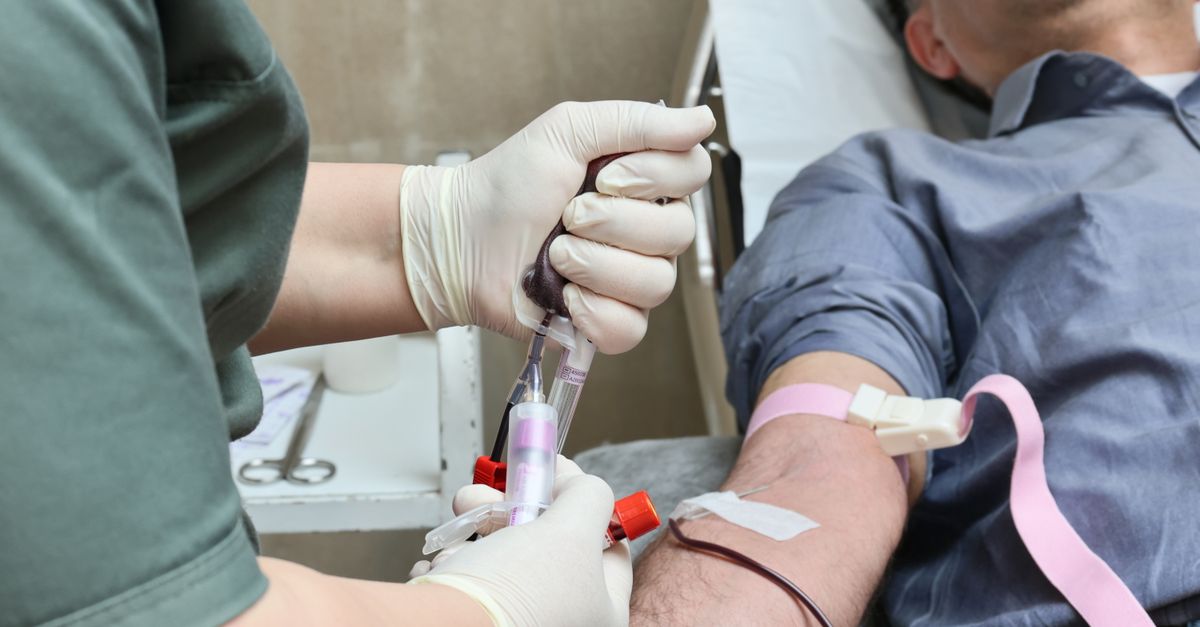
The scope of healthcare volunteering extends beyond the physical walls of the hospital. Robust medical systems utilize volunteers to execute extensive community health outreach programs. Volunteers assist in organizing free blood pressure screening clinics, distributing educational materials on diabetes management, and supporting local blood donation drives.
These community-based initiatives are the frontline of preventative medicine. By utilizing volunteers to reach underserved populations, healthcare systems can identify chronic diseases in their nascent stages, preventing acute medical crises that would eventually require costly emergency department admissions.
Volunteers also play crucial roles in hospital-affiliated food pantries and medical transport services, directly addressing the socioeconomic barriers that prevent vulnerable patients from accessing necessary medical care.
15. Evaluating the Efficacy of Volunteer Programs
To justify the administrative resources required to run a volunteer department, healthcare administrators must continuously evaluate the program’s efficacy. This involves tracking specific, measurable metrics that correlate volunteer activity with clinical and operational outcomes.
Key performance indicators include patient satisfaction scores, specifically focusing on metrics related to staff responsiveness and overall hospital environment. A robust volunteer program consistently elevates these scores by ensuring patients feel attended to, even when clinical staff are occupied with medical emergencies.
Furthermore, hospitals track the reduction in nursing call-light frequency when volunteers are present on a ward. By handling non-clinical requests—such as providing a warm blanket or adjusting a television—volunteers allow highly trained nurses to operate at the top of their licensure, maximizing the efficiency of the entire medical institution.
16. Frequently Asked Questions (FAQ)
1. What exactly does a hospital volunteer do?
Volunteers perform non-medical tasks that support patient comfort and hospital efficiency. This includes guiding patients to appointments, reading to the elderly, providing toys to children, and keeping patients company to reduce their anxiety during a hospital stay.
2. Are volunteers allowed to help with medical treatments?
No. Volunteers are strictly prohibited from performing any clinical duties. They cannot administer medication, adjust medical equipment, feed patients with swallowing difficulties, or lift patients, as these require specific medical licenses and expertise.
3. How does talking to a volunteer actually help a patient heal?
Hospitals are highly stressful environments. Severe stress releases hormones that slow down physical healing and weaken the immune system. A volunteer provides a calming, friendly presence that lowers a patient’s stress hormones, allowing their body to focus energy entirely on recovery.
4. Is it safe for volunteers to be in a hospital with sick people?
Yes, hospitals have strict safety protocols. Volunteers undergo mandatory infection control training, receive required vaccinations, and are barred from entering the rooms of patients with highly contagious airborne diseases.
5. Why do hospitals need volunteers if they have nurses and doctors?
Doctors and nurses must focus their time on complex medical assessments and life-saving treatments. Volunteers take over the vital humanistic and administrative tasks, ensuring patients feel emotionally supported without pulling clinical staff away from medical emergencies.
17. Bibliography
Disclaimer: The content is for informational purposes only and does not replace medical advice. Always consult your doctor for personalized treatment.

