1. Introduction
The sudden appearance of tiny, intensely itchy, fluid-filled bumps on the sides of the fingers during the spring is a classic presentation of dyshidrotic eczema, also known clinically as pompholyx. This specific dermatological condition is an acute inflammatory reaction often triggered by a combination of seasonal environmental allergens, rapid shifts in temperature and humidity, and underlying atopic tendencies. Medical management requires a dual approach: suppressing the localized immune response with high-potency topical corticosteroids and restoring the compromised epidermal barrier with specialized emollients to prevent recurrent flare-ups.
2. Identifying Dyshidrotic Eczema
Dyshidrotic eczema is a distinct vesicular dermatitis that exclusively affects the thick skin of the palms, the soles of the feet, and the lateral aspects of the digits. The clinical presentation is unmistakable. It begins with a sudden episode of severe, deep-seated pruritus on the sides of the fingers.
Shortly after the itching begins, microscopic vesicles form. These bumps are filled with clear fluid and are often described as resembling tiny tapioca pearls embedded beneath the surface of the skin. They are exceptionally firm and do not easily rupture. When they finally resolve, the affected skin dries out, cracks, and peels, causing significant discomfort and structural barrier damage.
3. The Anatomy of Palmar and Volar Skin
The skin on the palms and fingers is structurally unique compared to the rest of the body. The epidermis in these areas possesses an extra layer known as the stratum lucidum, making it significantly thicker to withstand mechanical friction. Furthermore, these regions are devoid of sebaceous (oil) glands but contain a high density of eccrine sweat glands.
Because the skin is so thick, the inflammatory fluid that accumulates during an allergic reaction cannot easily reach the surface to form a fragile blister. Instead, the fluid remains trapped deep within the epidermis, creating the hard, agonizingly itchy vesicles characteristic of this specific type of eczema.
4. Springtime Allergens and Atopy
The strong seasonal correlation with spring points directly to environmental allergens as primary triggers. During the spring, airborne pollens, mold spores, and botanical allergens saturate the environment.
Individuals who develop dyshidrotic eczema frequently have an underlying atopic diathesis, meaning a genetic predisposition to allergic conditions such as asthma, allergic rhinitis, and general atopic dermatitis. When the immune system detects these seasonal allergens, it mounts a systemic hypersensitivity reaction. The hands, frequently acting as the primary point of contact with the environment, often manifest the most severe localized inflammatory response.
5. The Role of Histamine and Inflammation
When the immune system is triggered, specialized cells called mast cells release histamine and other pro-inflammatory cytokines into the localized tissue. Histamine acts directly on the blood vessels, causing them to dilate and become permeable.
This permeability allows blood plasma to leak out of the capillaries and into the intercellular spaces of the epidermis, forming the fluid-filled vesicles. Simultaneously, the histamine binds to sensory nerve endings in the skin, generating the profound, almost unendurable itching sensation that precedes and accompanies the visible outbreak.
6. Environmental Temperature and Humidity Shifts
Spring is characterized by rapid and unpredictable fluctuations in temperature and humidity. These environmental shifts severely stress the epidermal barrier. The name “dyshidrotic” originally implied a dysfunction in sweating, and while the sweat glands themselves are not the cause of the blisters, excessive sweating (hyperhidrosis) is a known exacerbating factor.
As the weather warms in the spring, the hands sweat more frequently. The combination of trapped moisture from sweat and a compromised skin barrier provides the perfect biological environment for an inflammatory flare-up. Conversely, if the spring air suddenly turns cold and dry, the skin loses vital lipids, leading to microscopic cracking that invites allergens past the protective outer layer.
7. Contact Dermatitis Overlap
A physician must carefully evaluate for allergic contact dermatitis, which frequently overlaps with or mimics dyshidrotic eczema. The hands are constantly exposed to potential chemical irritants.
Metals, particularly nickel and cobalt, are notorious triggers. Trace amounts of these metals are found in soil, gardening tools, and many everyday objects. During spring gardening or outdoor activities, exposure increases. Furthermore, certain individuals experience a systemic reaction; ingesting foods high in nickel (such as chocolate, nuts, and soy) can cause an acute blistering breakout on the hands without any direct skin contact.
8. Psychological Stress as a Trigger
The neuro-immuno-cutaneous system illustrates the profound connection between the brain and the skin. Psychological stress directly triggers the release of cortisol and other stress hormones, which modulate the immune system and impair the skin’s natural barrier function.
Clinical data consistently demonstrates that periods of high emotional stress or anxiety frequently precipitate acute episodes of pompholyx. The stress response alters the localized inflammatory threshold, meaning that a minor allergen exposure that would normally be ignored by the body suddenly sparks a widespread vesicular eruption on the fingers.
9. Fungal Infections and the Id Reaction
An often-overlooked trigger for hand eczema is a fungal infection located entirely elsewhere on the body, most commonly athlete’s foot (tinea pedis). The immune system detects the fungal proteins in the feet and mounts a systemic allergic response.
This phenomenon is known as an autoeczematization or an “id reaction.” The body develops intensely itchy, sterile blisters on the hands in response to the active fungal infection on the toes. Treating the hands with steroids will yield poor long-term results unless the primary fungal reservoir on the feet is eradicated with antifungal therapy. Resolving these overlapping issues is essential for patients managing a complex skin rash.
10. The Itch-Scratch Cycle
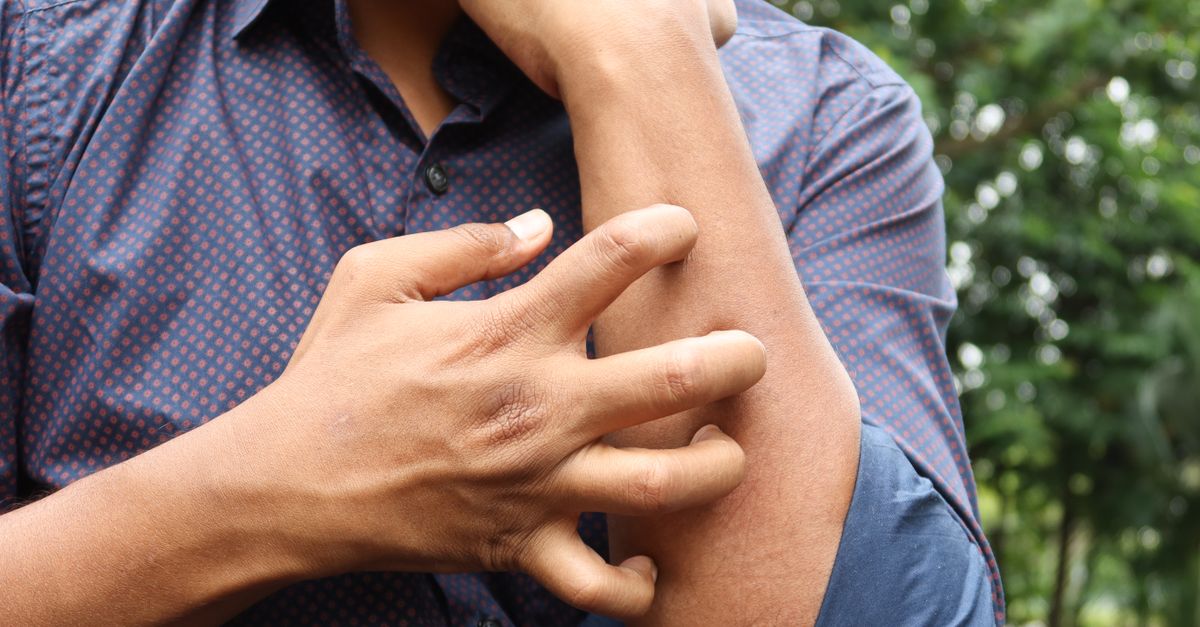
The pruritus associated with dyshidrotic eczema is debilitating. However, scratching the deep-seated vesicles inflicts massive physical trauma on the already compromised epidermis.
Scratching ruptures the surrounding skin cells, releasing even more inflammatory cytokines and perpetuating a vicious itch-scratch cycle. Furthermore, breaking the skin introduces environmental bacteria, particularly Staphylococcus aureus, directly into the dermal layers. Secondary bacterial infections transform the clear vesicles into painful, pus-filled pustules requiring antibiotic intervention.
11. Clinical Diagnosis and Patch Testing
Diagnosis is primarily clinical, based on the unique appearance and location of the vesicles. However, if the condition is chronic, severe, or unresponsive to initial therapy, a dermatologist will perform epicutaneous patch testing.
Patch testing involves applying small amounts of common contact allergens to the back and observing the skin for a reaction over 48 to 72 hours. This diagnostic tool definitively identifies if a specific chemical, preservative, or metal is the primary driver of the hand dermatitis, allowing the patient to implement strict avoidance strategies.
12. Topical Corticosteroid Therapy
The immediate pharmacological goal is to suppress the acute immune response and halt the formation of vesicles. Due to the extreme thickness of the skin on the palms and fingers, standard over-the-counter hydrocortisone is completely ineffective.
Physicians prescribe high-potency or super-potent topical corticosteroids, such as clobetasol propionate or betamethasone dipropionate. These powerful anti-inflammatory agents must be applied strictly as directed. To enhance penetration, the medication is often applied at night and covered with cotton gloves, a technique known as occlusion therapy, which forces the active ingredient deep into the inflamed epidermis.
13. Calcineurin Inhibitors and Non-Steroidal Options
Prolonged use of high-potency steroids causes skin atrophy, or thinning of the skin. For maintenance therapy, dermatologists transition patients to topical calcineurin inhibitors, such as tacrolimus ointment.
These non-steroidal medications inhibit the activation of T-cells in the immune system, effectively calming the inflammation without carrying the risk of thinning the epidermal barrier. They are highly effective for long-term control, preventing the spring flare-ups from escalating into full outbreaks.
14. Emollients and Barrier Repair
Pharmacological treatment must be partnered with aggressive structural barrier repair. The drying and peeling phase of dyshidrotic eczema leaves the hands vulnerable to further chemical irritation.
Patients must utilize thick, lipid-rich emollients or ceramide-containing ointments immediately after washing their hands. Water should be lukewarm, as hot water strips away essential skin oils. Replacing harsh soaps with gentle, soap-free synthetic detergents protects the acid mantle of the skin, fortifying the biological barrier against environmental allergens.
15. Data: Differential Diagnosis of Finger Blisters
| Skin Condition | Appearance of Bumps | Associated Triggers/Features |
|---|---|---|
| Dyshidrotic Eczema | Deep, clear, tapioca-like blisters on sides of fingers. | Intense itching, spring allergies, stress. |
| Herpetic Whitlow | Grouped, painful blisters on a red base. | Viral infection (HSV), painful rather than itchy. |
| Contact Dermatitis | Surface blisters, redness corresponding to exposure. | Direct contact with chemicals, plants, or nickel. |
| Id Reaction | Sterile blisters on hands. | Active fungal infection present on the feet. |
16. Frequently Asked Questions (FAQ)
1. Should I pop the tiny water blisters on my fingers?
Absolutely not. Popping the blisters damages the surrounding healthy skin, increases inflammation, and severely increases the risk of a secondary bacterial infection. The fluid inside will naturally reabsorb as the immune reaction calms down.
2. Is dyshidrotic eczema contagious?
No. It is an internal inflammatory reaction specific to your immune system and skin barrier. You cannot catch it from someone else, nor can you spread it to another person through contact.
3. Why do the bumps dry out and make my skin peel off in thick sheets?
The initial blisters form deep in the skin. As the inflammation subsides, the damaged epidermal layer dies and separates from the new skin forming underneath, resulting in the characteristic dry, peeling, and fissuring phase.
4. Can changing my diet stop the blisters?
If you have a diagnosed systemic nickel allergy, reducing high-nickel foods (like chocolate, soy, and certain nuts) may reduce flare-ups. Otherwise, dietary changes generally do not stop this specific type of eczema.
5. How often should I moisturize my hands during a flare-up?
You must apply a thick, fragrance-free ointment or cream after every single time you wash your hands, and reapply frequently throughout the day. Repairing the broken moisture barrier is critical to stopping the itch-scratch cycle.
17. Bibliography
Disclaimer: The content is for informational purposes only and does not replace medical advice. Always consult your doctor for personalized treatment.