1. Introduction to Occupational Health and Education
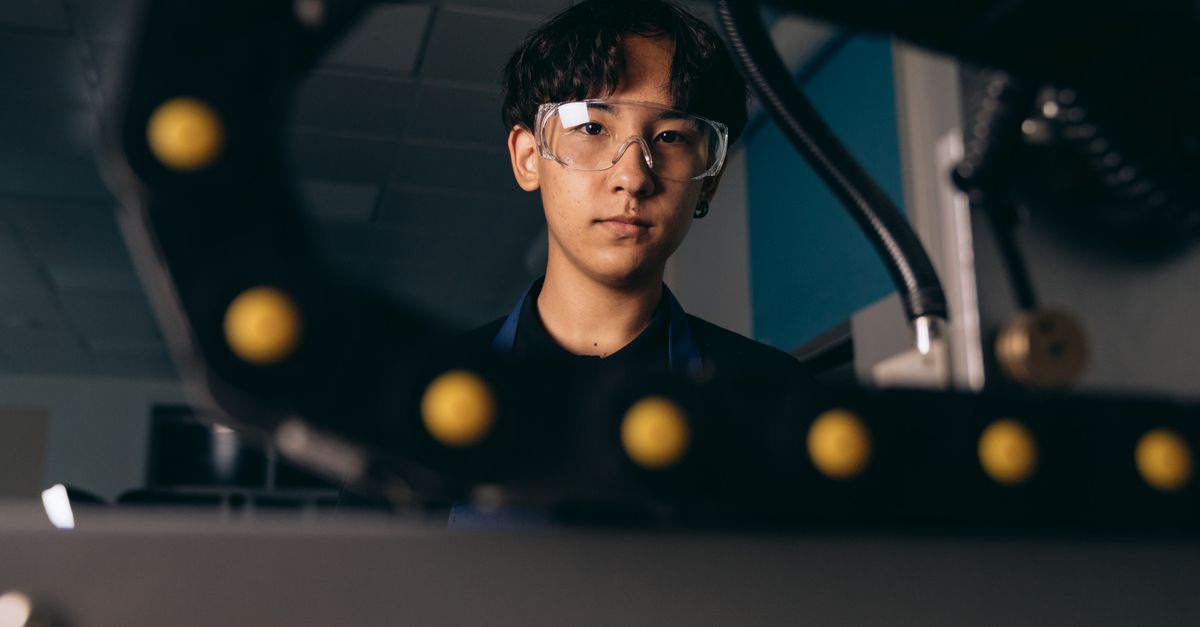
Receiving an education at a technical college prepares individuals for specialized, highly skilled trades and applied sciences. From a clinical perspective, this specific educational pathway introduces unique occupational health considerations that differentiate it from traditional academic university settings. Technical education involves rigorous hands-on training, frequent exposure to industrial environments, and the early adoption of physical labor techniques.
Understanding that a patient received their education at a technical college alerts healthcare providers to specific lifelong occupational exposures. These environments require strict adherence to ergonomic principles, the meticulous use of personal protective equipment, and a profound understanding of industrial toxicology.
By identifying these risk factors early, occupational medicine physicians and primary care providers can implement targeted preventative health strategies, ensuring that the student transitions into the professional workforce with the structural resilience and health literacy required to sustain a long, injury-free career.
2. Musculoskeletal Biomechanics and Ergonomics
Technical college curricula, whether in welding, automotive repair, or heavy machinery operation, demand repetitive physical exertion and sustained, non-neutral body postures. These biomechanical stresses place the musculoskeletal system at significant risk for repetitive strain injuries, tendinopathies, and spinal disc herniations.
During their education, students must master clinical ergonomics. This involves understanding the physics of lifting, the importance of maintaining a neutral lumbar spine, and the necessity of distributing mechanical loads symmetrically across the body.
Failure to adopt these biomechanical principles during the educational phase leads to microtraumas in the articular cartilage and ligaments. Over years of occupational labor, these microtraumas predictably degrade into severe, career-ending osteoarthritis and chronic pain syndromes.
3. Exposure to Respiratory Hazards
Many technical trades involve inherent exposure to airborne particulates, volatile organic compounds, and industrial fumes. Students in HVAC, construction, or chemical processing programs are routinely exposed to substances that can severely irritate or permanently damage the pulmonary epithelium.
Chronic inhalation of these hazards without proper respiratory protection initiates an inflammatory cascade within the alveoli. Over time, this chronic inflammation drives the pathogenesis of occupational asthma, chronic obstructive pulmonary disease, and various pneumoconioses, such as silicosis.
Technical education must rigorously instill the principles of respiratory hygiene. This includes fit-testing for respirators, understanding the safety data sheets for all chemical exposures, and recognizing the early clinical signs of respiratory distress, such as an unresolving chronic cough.
4. Noise-Induced Hearing Loss Prevention
Industrial environments, heavily utilized in technical college training, consistently generate noise levels exceeding the safe biological threshold of 85 decibels. The delicate stereocilia within the cochlea of the inner ear are highly susceptible to mechanical destruction from these acoustic shockwaves.
Once destroyed, these sensory hair cells do not regenerate, resulting in permanent sensorineural hearing loss and chronic tinnitus. Readiness to enter these trades requires the immediate, non-negotiable adoption of hearing conservation protocols.
Students must be trained to consistently utilize appropriate noise-reduction earmuffs or custom-molded earplugs. Clinicians frequently recommend baseline audiometric testing for these students to establish a functional baseline, allowing for the rapid detection of any occupational hearing degradation in the future.
5. Psychosocial Resilience and Occupational Stress
While physical hazards are prominent, the psychosocial demands of technical trades are equally rigorous. These professions often involve high-pressure deadlines, strict safety protocols, and the management of heavy, potentially lethal machinery. The cognitive load required to maintain constant situational awareness is neurologically exhausting.
Technical education must address the development of psychological resilience. Students are taught to manage acute stress without compromising safety standards. Burnout in these fields is high, frequently leading to dangerous lapses in focus.
Healthcare providers treating this population monitor closely for signs of chronic occupational stress, providing interventions such as cognitive behavioral strategies to manage anxiety and prevent the adoption of maladaptive coping mechanisms, like substance abuse.
6. Shift Work and Circadian Rhythm Disruption
Many graduates of technical colleges enter industries that operate on continuous twenty-four-hour schedules, requiring rotating or permanent night shifts. This occupational requirement violently disrupts the human circadian rhythm, the internal biological clock governed by the suprachiasmatic nucleus.
Chronic circadian misalignment suppresses melatonin production, severely fragments sleep architecture, and chronically elevates systemic cortisol levels. Epidemiological data strictly links prolonged shift work to an increased incidence of metabolic syndrome, type 2 diabetes, and cardiovascular disease.
Technical education programs increasingly include health literacy modules on sleep hygiene, educating students on strategic light exposure, the dangers of late-shift caffeine consumption, and behavioral techniques to secure restorative daytime sleep.
7. Vibration Syndrome and Peripheral Neuropathy
Students training in trades utilizing heavy pneumatic tools, such as jackhammers or industrial riveters, are exposed to continuous high-frequency vibrations. This mechanical energy causes severe trauma to the vascular endothelium and peripheral nerves of the upper extremities.
Prolonged exposure leads to Hand-Arm Vibration Syndrome (HAVS), characterized by intense vasospasms, severe numbness, and a loss of fine motor dexterity. In severe cases, the ischemia can cause localized tissue necrosis.
Preventative education focuses on limiting continuous exposure times, utilizing anti-vibration gloves, and maintaining core body warmth to prevent the exacerbation of vasospastic episodes. Identifying the early neurological tingling allows for immediate intervention before the nerve damage becomes irreversible.
8. Data: Occupational Hazards in Technical Trades
Categorizing specific hazards enables targeted preventative medical education.
| Occupational Hazard | Affected Biological System | Preventative Strategy |
|---|---|---|
| Industrial Particulates | Pulmonary / Respiratory | Strict use of N95 or P100 respirators and ventilation |
| High-Decibel Noise | Auditory (Cochlear) | Custom earplugs and noise-canceling earmuffs |
| Repetitive Lifting | Musculoskeletal (Lumbar) | Ergonomic training and mechanical lift assists |
| Heavy Tool Vibration | Peripheral Neurological | Anti-vibration gloves and strict exposure time limits |
| Shift Work | Endocrine / Circadian | Rigid sleep hygiene and light exposure management |
9. Dermatological Hazards and Contact Dermatitis
The skin serves as the primary barrier against environmental toxins. In technical colleges, exposure to industrial solvents, heavy degreasers, fiberglass, and metallic dust is ubiquitous. These chemical agents routinely strip the protective lipid layer from the epidermis.
This exposure frequently results in severe irritant or allergic contact dermatitis. Chronic inflammation of the dermal layers leads to painful fissuring, bleeding, and secondary bacterial infections, which can temporarily disable a manual laborer.
Preventative clinical protocols emphasize the rigorous use of barrier creams, the appropriate selection of nitrile or heavy-duty industrial gloves, and the strict avoidance of using harsh abrasive cleaners directly on the skin.
10. Eye Safety and Ocular Trauma
Ocular trauma remains a leading cause of occupational disability in the technical trades. Processes such as welding generate intense ultraviolet and infrared radiation, which can cause photokeratitis, a painful superficial burn to the cornea, commonly known as “welder’s flash.”
Furthermore, grinding and cutting metals produce high-velocity projectiles that can easily penetrate the globe of the eye, causing catastrophic, irreversible vision loss.
Safety education in technical colleges absolutely mandates the use of highly specific ocular protection, including auto-darkening welding helmets and ANSI-rated impact goggles, instilling a safety culture where eye protection is treated as a fundamental biological necessity.
11. Nutrition and Metabolic Demands of Manual Labor
The physical exertion required in many technical trades heavily elevates the basal metabolic rate. Students must adapt their nutritional intake to fuel these intense physiological demands while simultaneously avoiding the highly processed, convenience foods frequently consumed on industrial job sites.
Clinical dietitians note that laborers relying on energy drinks and simple carbohydrates experience erratic blood glucose spikes followed by severe hypoglycemic crashes, which dangerously impair cognitive focus and reaction times around heavy machinery.
Technical education increasingly incorporates basic metabolic health literacy, teaching students to prioritize complex carbohydrates, lean proteins, and robust hydration to sustain physical endurance and prevent long-term metabolic dysfunction.
12. Cardiovascular Strain in Extreme Environments
Trades such as electrical linework, roofing, and foundry operation frequently expose individuals to extreme thermal environments. Performing heavy physical labor in high heat forces the cardiovascular system to work exponentially harder to maintain core thermoregulation through massive cutaneous vasodilation and diaphoresis.
This places the worker at high risk for acute heat exhaustion or life-threatening heat stroke. The physiological strain is compounded by thick, non-breathable protective clothing.
Education on recognizing the early neurological signs of heat illness, such as dizziness or the sudden cessation of sweating, is a vital medical component of technical training, empowering workers to halt labor before systemic collapse occurs.
13. Mental Health and Substance Abuse Vulnerabilities
The intersection of chronic physical pain from manual labor and the high stress of industrial deadlines creates a vulnerable psychosocial environment. Historically, certain technical trades have exhibited elevated rates of substance abuse, particularly the reliance on alcohol or opioid analgesics to manage occupational pain.
Modern technical colleges and occupational medicine providers aggressively address this vulnerability. Integrating mental health resources and educating students on the severe neurological and legal consequences of working under the influence is critical.
Providing access to physical therapy and non-pharmacological pain management early in the student career prevents the dangerous transition from treating acute musculoskeletal strain to developing a chronic substance use disorder.
14. The Role of the Occupational Medicine Physician
Occupational medicine is a specialized clinical field dedicated to the prevention and management of work-related injuries and illnesses. These physicians frequently collaborate with technical colleges to design safety curricula and conduct pre-employment physiological screenings.
When treating graduates of technical programs, these physicians conduct targeted physical examinations, focusing heavily on joint mobility, pulmonary function testing, and audiometry, based on the specific exposure history of the patient.
This proactive medical oversight ensures that early signs of physical degradation are identified and mitigated before they end a lucrative and highly skilled career.
15. Lifelong Health Literacy and Advocacy
Receiving an education at a technical college equips individuals with profound mechanical and technical literacy. Translating this capability into high health literacy is the ultimate goal of integrated occupational health education.
Students must learn to advocate for their own biological safety in the workplace, refusing to execute tasks if proper protective equipment is unavailable or if environmental hazards exceed legal limits.
By prioritizing their physiological integrity as highly as their technical skill, these professionals ensure a sustainable, healthy trajectory through decades of demanding industrial labor.
16. Frequently Asked Questions FAQ
1. What are the most common physical injuries in technical trades?
The most frequent injuries involve the musculoskeletal system, specifically lumbar disc herniations, rotator cuff tears, and chronic tendinopathies due to repetitive lifting and non-neutral body postures.
2. How does shift work affect long-term health?
Rotating shift work disrupts the circadian rhythm, which chronically elevates stress hormones and significantly increases the lifetime risk of obesity, cardiovascular disease, and severe sleep disorders.
3. What is Hand-Arm Vibration Syndrome?
It is a severe neurological and vascular condition caused by the prolonged use of vibrating heavy tools, resulting in painful vasospasms, numbness, and a permanent loss of grip strength.
4. Why are occupational respiratory hazards so dangerous?
Inhaling industrial dust and chemical fumes bypasses the body’s natural defenses, causing chronic inflammation deep in the lungs that can lead to irreversible conditions like occupational asthma or silicosis.
5. How can technical students protect their hearing?
Because noise-induced cochlear damage is permanent, students must consistently wear custom-molded earplugs or industrial earmuffs whenever environmental noise exceeds 85 decibels.
17. Bibliography
Disclaimer: The content is for informational purposes only and does not replace medical advice. Always consult your doctor for personalized treatment.