1. Introduction
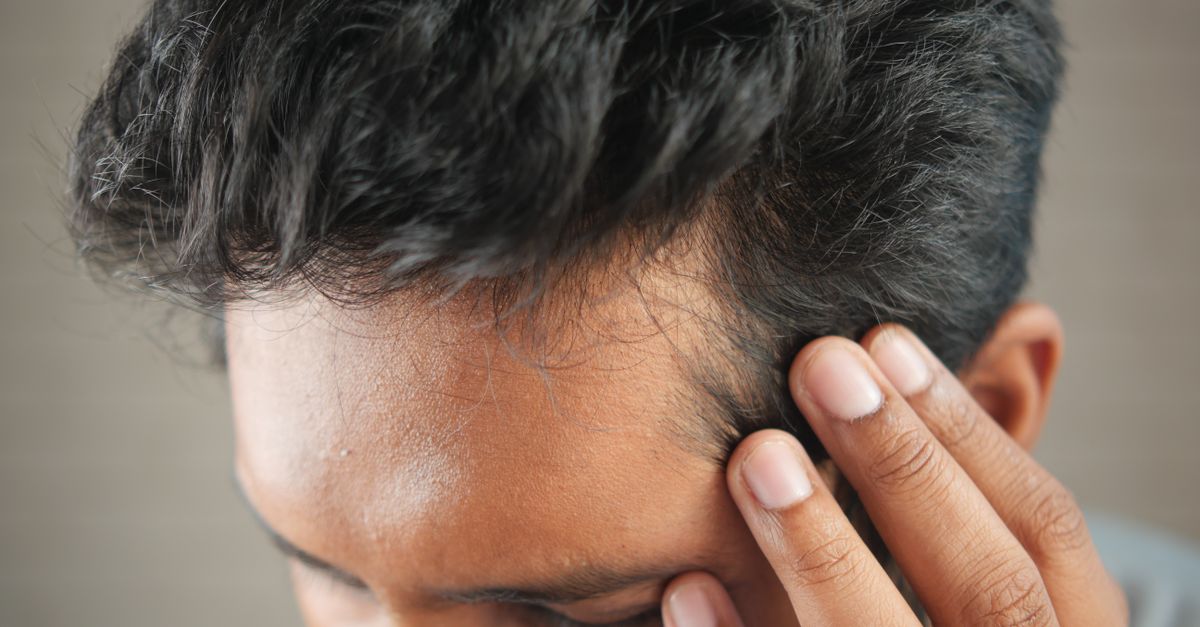
A sudden, stabbing headache behind the right temple is often caused by a primary stabbing headache, commonly known as an ice pick headache, or a localized irritation of the trigeminal nerve. In older adults, it can also be a warning sign of temporal arteritis, an inflammation of the blood vessels supplying the scalp and brain.
Headaches manifest in various forms, but a sharp, localized stab of pain generates profound concern due to its sudden intensity. The temporal region houses a complex intersection of major blood vessels, extensive cranial nerves, and robust masticatory muscles. When any of these anatomical structures undergo spasm, inflammation, or neurological misfiring, the resulting pain is sharp, piercing, and highly disruptive.
Understanding the specific characteristics of the pain allows individuals to differentiate between a harmless, transient nerve jolt and a serious vascular condition. Recognizing the accompanying symptoms ensures that patients seek appropriate diagnostic imaging and therapeutic interventions, safeguarding both their neurological function and their long-term visual health.
2. Primary Stabbing Headaches
Primary stabbing headaches, colloquially termed ice pick headaches, are benign but exceptionally painful neurological events. They are characterized by sudden, intense, and brief jabs of pain. The pain typically lasts for only a few seconds, ranging from a single sharp jolt to a rapid series of stabs.
These headaches are classified as primary, meaning they are not caused by an underlying disease or structural abnormality. They occur spontaneously and frequently localize to the temporal or orbital regions of the skull. The exact pathophysiology remains elusive, but neurologists believe they represent transient, spontaneous discharges from the peripheral branches of the cranial nerves.
Individuals who suffer from migraines are significantly more susceptible to experiencing primary stabbing headaches. While the suddenness of the pain is alarming, the immediate resolution and lack of lingering neurological deficits confirm its benign nature.
3. Anatomy of the Temporal Region
The area behind the right temple is structurally dense. The temporal bone forms the side of the skull, housing the structures of the middle and inner ear deep within. Overlaying the bone is the temporalis muscle, a massive, fan-shaped muscle crucial for chewing and jaw closure.
Superficial to the muscle runs the superficial temporal artery, a major branch of the external carotid artery that supplies oxygenated blood to the scalp. Interwoven with this vascular network are the sensory branches of the trigeminal nerve, the primary nerve responsible for facial sensation.
Because the artery, the nerve, and the muscle are tightly packed in this shallow anatomical depression, any localized swelling, muscular tension, or vascular inflammation applies immediate pressure to the surrounding structures, rapidly generating localized pain.
4. Trigeminal Neuralgia
Trigeminal neuralgia is a severe chronic pain condition affecting the trigeminal nerve. While it most commonly affects the lower jaw and cheek, it can also involve the ophthalmic branch, which supplies sensation to the forehead and the temporal region.
This condition is often caused by a blood vessel pressing against the root of the trigeminal nerve as it exits the brainstem. The constant pulsation of the artery wears away the protective myelin sheath of the nerve. The exposed nerve fibers become hyper-excitable and misfire.
A trigeminal neuralgia attack produces an excruciating, electric shock-like or stabbing pain that can be triggered by seemingly harmless stimuli, such as brushing the hair, a light breeze, or chewing. The pain is unilateral, striking sharply behind the temple and resolving as quickly as it arrived, only to return unpredictably.
5. Temporal Arteritis and Giant Cell Arteritis
In individuals over the age of fifty, a new, sharp, or throbbing pain behind the temple requires immediate evaluation for temporal arteritis, also known as giant cell arteritis. This is a severe systemic autoimmune condition characterized by the inflammation of the medium and large arteries of the head and neck.
The immune system mistakenly attacks the lining of the superficial temporal artery. The vessel wall swells substantially, narrowing the internal diameter and reducing blood flow. The inflamed artery often becomes visibly prominent, feeling cord-like and exquisitely tender to the touch.
The pain generated by temporal arteritis is distinct. It can be a constant, severe throb punctuated by sharp stabs. Most critically, the inflammation can spread to the ophthalmic artery. If the blood supply to the optic nerve is compromised, it can result in sudden, irreversible blindness, making this condition an absolute medical emergency.
6. Migraine and Cluster Headache Overlap
Migraines are complex neurovascular events that frequently present with unilateral pain. While typically described as a throbbing or pulsating ache, a migraine attack can initiate with sharp, stabbing pains behind the temple as the cranial blood vessels dilate and the trigeminal nerve endings become sensitized.
Cluster headaches are another form of primary headache that produce excruciating, sharp, boring pain. This pain is almost always strictly unilateral and localized behind the eye or the temple.
Cluster headaches occur in cyclical patterns, with attacks happening several times a day for weeks, followed by months of remission. The pain is so severe that it causes extreme restlessness, accompanied by tearing of the eye, nasal congestion, and a drooping eyelid on the affected side.
7. Temporomandibular Joint Dysfunction
The temporomandibular joint, connecting the jaw to the skull, sits just below the temple. The temporalis muscle, which covers the side of the head, is deeply involved in the mechanics of this joint.
Individuals who clench or grind their teeth, particularly during sleep (bruxism), severely overwork the temporalis muscle. This chronic tension creates dense, hyper-irritable trigger points within the muscle belly.
When the jaw moves, these trigger points can refer sharp, stabbing pain directly into the temple. Palpating the temporalis muscle during a flare-up often reproduces the exact stabbing sensation, confirming that the origin of the pain is musculoskeletal rather than vascular or neurological.
8. The Role of Stress and Muscle Tension
Psychological stress directly impacts physical muscle tension. During periods of high stress, the autonomic nervous system keeps the musculature of the neck, jaw, and scalp in a state of continuous isometric contraction.
This sustained tension restricts local blood flow, leading to the accumulation of metabolic waste products like lactic acid within the fascial layers of the head. The resulting tension headache typically presents as a dull, tight band around the head.
However, if a specific fascial nerve branch is pinched by this tight muscle tissue, it can send a sudden, sharp, stabbing signal piercing through the dull background ache. Stress reduction and physical muscle relaxation are vital for preventing these acute pain spikes.
9. Differentiating Temple Headaches
Determining the etiology of a right-sided temple headache dictates the urgency of medical care and the selection of therapy.
| Symptom Characteristics | Likely Pathological Cause |
|---|---|
| Fleeting, 3-second sharp stab; no other symptoms. | Primary Stabbing Headache (Ice pick headache). |
| Electric shock pain triggered by touching the face or chewing. | Trigeminal Neuralgia. |
| Severe stabbing/throbbing in adults over 50, tender scalp, jaw pain when chewing. | Temporal Arteritis (Medical Emergency). |
| Intense, boring pain behind the eye/temple, tearing eye, restlessness. | Cluster Headache. |
A systematic evaluation of the duration, triggers, and associated symptoms is essential for an accurate clinical diagnosis.
10. Visual Symptoms and Ischemic Risks
The proximity of the temporal region to the visual pathways requires careful monitoring of ocular symptoms. Any sharp pain behind the temple accompanied by visual disturbances warrants profound caution.
In migraines, the pain is often preceded by an aura, featuring flashing lights or zigzag lines. This is a benign neurological phenomenon. Conversely, in temporal arteritis, the patient may experience amaurosis fugax—a transient, curtain-like loss of vision in one eye.
This temporary blindness indicates severe ischemia, meaning the optic nerve is struggling for oxygenated blood due to arterial inflammation. It is a critical warning sign that permanent vision loss is imminent if high-dose steroid treatment is not initiated immediately.
11. Diagnostic Evaluation and Blood Tests
When a patient presents with new, sharp temporal pain, particularly an older adult, a physician will conduct a thorough neurological and vascular assessment. The superficial temporal artery is palpated for pulse quality, tenderness, and nodularity.
To evaluate for temporal arteritis, blood tests are drawn immediately. The erythrocyte sedimentation rate and C-reactive protein levels are measured to detect systemic inflammation. If these markers are significantly elevated, a temporal artery biopsy is scheduled.
During a biopsy, a small section of the artery is removed and examined under a microscope. The presence of giant, multinucleated cells within the inflamed arterial wall definitively confirms the diagnosis of giant cell arteritis.
12. Pharmacological Treatments for Neuralgia
Standard over-the-counter pain relievers are generally ineffective for true nerve pain. Trigeminal neuralgia and frequent primary stabbing headaches require specialized pharmacological management targeting nerve membrane stability.
Anticonvulsant medications, such as carbamazepine or oxcarbazepine, are the first-line treatment. They function by slowing down the electrical impulses in the nerve, preventing the hyper-excitable fibers from firing the sudden, stabbing action potentials.
If the stabbing pain is a component of a cluster headache cycle, acute attacks are frequently treated with high-flow oxygen therapy or injectable triptans, which forcefully constrict the dilated cranial blood vessels and abort the pain cycle rapidly.
13. Management of Inflammatory Arteritis
If temporal arteritis is suspected, medical protocol dictates that high-dose oral corticosteroids, such as prednisone, must be prescribed immediately, even before the biopsy results are confirmed.
Corticosteroids rapidly suppress the aggressive immune response, reducing the swelling in the arterial walls and restoring blood flow to the optic nerve. Delaying treatment while waiting for diagnostic confirmation poses an unacceptable risk of permanent blindness.
Patients typically require a prolonged, tapering course of steroids spanning several months or even years, closely monitored by a rheumatologist to manage potential systemic side effects while keeping the vascular inflammation in complete remission.
14. Lifestyle and Stress Reduction
For headaches driven by muscular tension or primary stabbing episodes linked to stress, modifying daily habits is essential for reducing symptom frequency.
- Ergonomic Posture: Ensuring computer monitors are at eye level prevents the continuous straining of the cervical and scalp muscles.
- Hydration and Diet: Maintaining optimal fluid intake and avoiding known vascular triggers like excessive caffeine or artificial sweeteners stabilizes cranial blood flow.
- Myofascial Release: Utilizing gentle massage on the masseter and temporalis muscles releases the dense trigger points responsible for referred stabbing pain.
- Stress Management: Incorporating mindfulness, controlled breathing, or cognitive behavioral techniques lowers the baseline activity of the sympathetic nervous system.
These proactive measures reduce the mechanical and chemical stressors acting upon the cranial nerves.
15. When to Seek Emergency Medical Care
While many stabbing headaches are benign, specific clinical red flags demand immediate emergency investigation. Medical attention is strictly required if the sharp temple pain is sudden and more severe than any headache previously experienced, often described as a thunderclap headache, which may indicate a ruptured cerebral aneurysm.
Furthermore, if the pain is accompanied by a stiff neck, high fever, sudden confusion, difficulty speaking, or any new visual deficit—such as double vision or a dark shadow over the eye—emergency neurological evaluation is mandatory to rule out a stroke, hemorrhage, or acute arterial inflammation.
16. Frequently Asked Questions (FAQ)
1. Can eye strain from reading cause a sharp stabbing pain in the temple?
Yes, intense focusing fatigues the small extraocular muscles and the ciliary body. This muscular fatigue can refer pain outward, presenting as a sharp or aching sensation behind the eyes and temples.
2. Are ice pick headaches dangerous?
Primary stabbing headaches are incredibly painful but are not dangerous. They do not cause brain damage and are not a symptom of a tumor, though they can be distressing due to their sudden unpredictability.
3. Why does the pain only happen on the right side and never the left?
Trigeminal neuralgia and localized muscular trigger points frequently develop unilaterally. Once a specific nerve branch or muscle fiber is sensitized, the pain will reliably trace that exact anatomical pathway during every flare-up.
4. Can an infected tooth cause a stabbing pain in my temple?
Yes, an abscessed upper molar can irritate the maxillary branch of the trigeminal nerve. The brain can misinterpret this signal, referring the sharp pain upward into the temporal region.
5. Does high blood pressure cause stabbing temple headaches?
Generally, chronic high blood pressure does not cause headaches. However, a sudden, severe hypertensive crisis (a massive spike in blood pressure) can cause acute, pulsating, or sharp cranial pain requiring immediate medical attention.
17. Bibliography
Disclaimer: The content is for informational purposes only and does not replace medical advice. Always consult your doctor for personalized treatment.