1. Introduction
Hands feeling cold and pale in an air-conditioned office is a direct result of peripheral vasoconstriction, a physiological reflex where the body narrows the blood vessels in the extremities to preserve core body heat. When ambient temperatures drop, the sympathetic nervous system commands the small arteries in the hands to constrict, redirecting warm blood away from the skin and toward vital organs. Understanding this thermoregulatory mechanism is essential for distinguishing between a normal response to cold and an underlying vascular condition.
The human body operates within a narrow, highly regulated core temperature range. The skin of the hands and feet acts as a primary heat exchange surface. In a warm environment, blood vessels dilate to release excess heat into the air. In a cold environment, such as a heavily air-conditioned office, the opposite occurs.
For some individuals, this normal protective reflex is hyperactive. The resulting lack of blood flow leaves the fingers icy to the touch and drains them of their normal pink color. Managing this discomfort involves modifying the immediate microclimate and supporting the body’s natural cardiovascular responses.
2. Thermoregulation and the Sympathetic Nervous System
The hypothalamus, a region in the brain, serves as the central thermostat of the body. It constantly receives input from temperature receptors located in the skin and internal organs. When the skin receptors detect a sudden drop in ambient temperature, they transmit distress signals to the hypothalamus.
The hypothalamus responds by activating the sympathetic nervous system, the network responsible for the fight-or-flight response. Sympathetic nerve fibers release norepinephrine, a neurotransmitter that binds to specific receptors on the smooth muscles lining the blood vessels.
This chemical binding causes the smooth muscles to contract forcefully, narrowing the diameter of the arteries. This process, known as vasoconstriction, rapidly decreases the volume of blood flowing to the hands, minimizing the amount of heat lost to the cold office air.
3. The Ischemic Phase and Skin Pallor
The color of human skin is largely determined by the blood flowing through the superficial capillary beds. Oxygen-rich arterial blood imparts a healthy pink or red hue. When vasoconstriction occurs, this arterial supply is severely restricted.
Without a robust flow of red blood cells, the capillaries empty. The skin covering the hands and fingers then reflects only the pale, whitish color of the underlying connective tissue and fat. This condition is medically termed pallor.
Along with the change in color, the lack of warm blood causes a rapid drop in local tissue temperature. The hands feel physically cold to the touch. This localized ischemia, while uncomfortable, is usually transient and reverses once the environment warms up.
4. Raynaud’s Phenomenon
In certain individuals, the vasoconstrictive response to cold is pathologically exaggerated. This condition is known as Raynaud’s phenomenon. A minor drop in temperature, such as sitting under an air-conditioning vent, triggers a profound and sudden vascular spasm.
During a Raynaud’s attack, the blood vessels in the fingers clamp down completely. The fingers turn a stark, waxy white as blood flow halts. If the spasm persists, the remaining stagnant blood loses its oxygen, turning the fingers blue, a phase known as cyanosis.
When the hands finally warm up and the spasm breaks, a rush of blood returns to the tissue. This reperfusion phase turns the fingers bright red and is often accompanied by a painful, throbbing, or tingling sensation.
5. Primary versus Secondary Raynaud’s
Primary Raynaud’s disease is a benign, idiopathic condition. It usually develops in young adulthood and is not linked to any underlying medical disorder. The blood vessels are simply hyper-reactive to temperature changes and emotional stress.
Secondary Raynaud’s syndrome is linked to an underlying systemic pathology, most frequently autoimmune connective tissue disorders such as scleroderma, lupus, or rheumatoid arthritis. In secondary cases, the inner lining of the blood vessels is physically damaged or thickened.
Differentiating between the two requires clinical evaluation. Primary Raynaud’s rarely causes permanent tissue damage, whereas secondary Raynaud’s can lead to digital ulcers or skin necrosis due to prolonged, severe oxygen deprivation.
6. The Impact of Sedentary Office Work
The physical nature of office work compounds the effects of a cold environment. Sitting at a desk typing on a keyboard requires very little muscular exertion. Skeletal muscles generate significant heat when active.
When an individual sits still for hours, their overall metabolic rate drops, reducing the total amount of body heat generated. The cardiovascular system slows down, meaning blood is pumped with less force to the distant extremities.
Furthermore, typing requires the hands to remain elevated over a keyboard. This slight elevation forces the cardiovascular system to pump blood against gravity, making it even harder for the reduced blood volume to reach the fingertips.
7. Ergonomics and Vascular Compression
Poor office ergonomics can mechanically impede blood flow to the hands. Resting the wrists heavily on the hard edge of a desk or a laptop chassis compresses the radial and ulnar arteries, which are the primary conduits of blood to the hands.
Similarly, slouching with rounded shoulders compresses the neurovascular bundle at the thoracic outlet, the space between the collarbone and the first rib. This compression restricts arterial flow down the entire arm.
Improving seated posture by keeping the spine neutral and utilizing padded wrist rests ensures that the blood vessels remain unobstructed, maximizing the delivery of warm blood to the extremities.
8. Hormonal Influences on Body Temperature
Hormonal fluctuations significantly impact vascular tone and baseline body temperature. Estrogen, in particular, regulates the sensitivity of blood vessels to temperature changes. This is a primary reason why women experience cold hands and Raynaud’s phenomenon much more frequently than men.
During different phases of the menstrual cycle, fluctuations in estrogen and progesterone alter the baseline core temperature and the threshold at which vasoconstriction begins.
Additionally, thyroid hormones govern the body’s basal metabolic rate. Individuals with hypothyroidism produce inadequate metabolic heat, leaving them chronically intolerant to cold environments and highly susceptible to freezing hands in an air-conditioned room.
9. The Role of Stress and Anxiety
The modern office environment is often a source of psychological stress. Stress activates the exact same sympathetic nervous system pathways as cold temperatures.
When a person feels anxious about a deadline or a meeting, the adrenal glands release epinephrine. This hormone causes systemic vasoconstriction, mimicking the body’s response to cold.
If an individual is stressed while sitting in a cold room, the two triggers synergize. The vascular shutdown in the hands is exponentially stronger than if the person were only cold or only stressed, leading to profound pallor and stiffness.
10. Medications Affecting Circulation
Certain common medications can alter peripheral circulation and worsen cold hands. Beta-blockers, frequently prescribed for high blood pressure or anxiety, decrease the heart rate and reduce blood flow to the skin, causing cold extremities as a primary side effect.
Decongestants and cold medications containing pseudoephedrine are potent vasoconstrictors. They relieve nasal congestion by shrinking blood vessels in the sinuses, but they simultaneously shrink the blood vessels in the fingers.
Stimulants, including prescription medications for attention deficit disorders, also increase sympathetic nervous tone. Patients taking these medications often notice a marked increase in hand coldness while working in standard office conditions.
11. Impact of Caffeine and Nicotine
Dietary habits play a critical role in vascular health. Caffeine is a central nervous system stimulant that promotes mild vasoconstriction. Drinking large amounts of coffee throughout the workday exacerbates the restriction of blood flow to the hands.
Nicotine is a remarkably powerful vasoconstrictor. Smoking or using nicotine pouches drastically narrows the peripheral arteries and damages the delicate endothelial lining of the vessels over time.
For individuals who use nicotine, an air-conditioned office presents a hostile environment. The chemical constriction prevents the blood vessels from dilating, trapping the hands in a chronic state of coldness and oxygen deprivation.
12. Differentiating Normal Vasoconstriction from Neuropathy
It is clinically important to distinguish vascular coldness from neurological coldness. If the hands turn physically pale and feel cold to a colleague’s touch, the issue is vascular.
If the hands feel freezing to the patient, but look perfectly pink and feel warm to someone else, the issue is likely neurological. Peripheral neuropathy, often caused by diabetes or vitamin deficiencies, involves damage to the sensory nerves.
Damaged nerves send false temperature signals to the brain. This false sensation requires a different medical approach, focusing on nerve health rather than vasodilation.
13. Practical Interventions for the Office
Managing cold hands requires modifying the microclimate and encouraging local vasodilation.
- Core Warming: Wearing a warm vest keeps the vital organs insulated. If the core is warm, the brain will stop sending vasoconstriction signals to the hands.
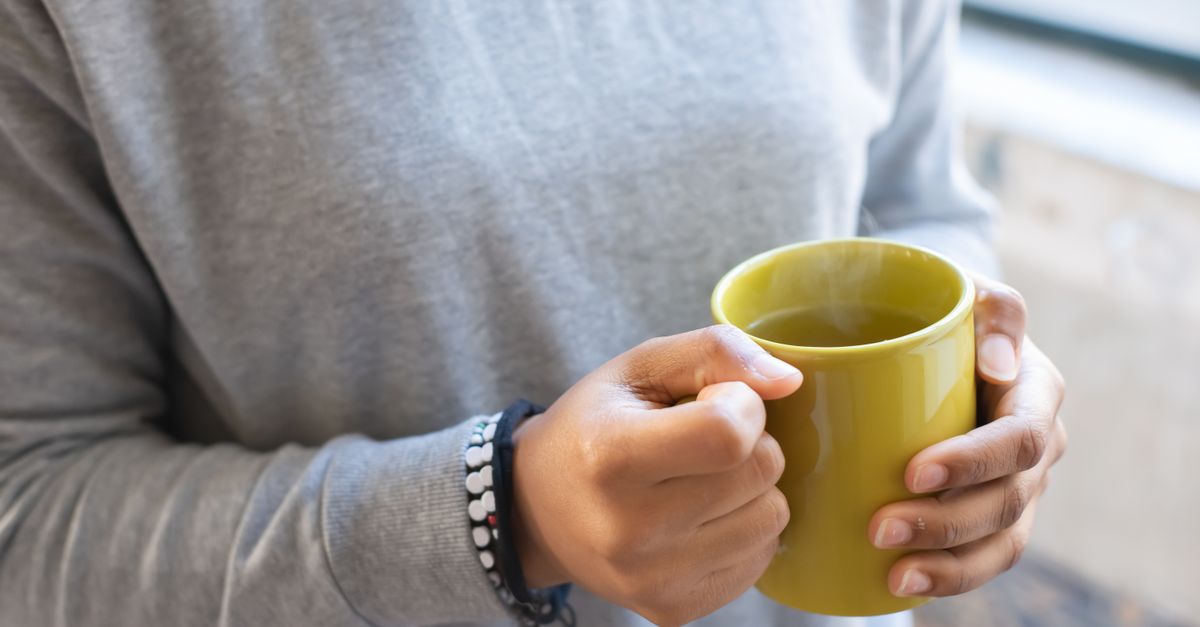
- Warm Beverages: Holding a hot mug of tea transfers physical heat directly into the tissues and gently raises the core temperature upon consumption.
- Movement Breaks: Standing up and swinging the arms in large circles utilizes centrifugal force to drive blood rapidly into the fingertips, instantly relieving the cold.
- Fingerless Gloves: Wearing thin compression gloves retains the localized heat generated by the hands while allowing the fingertips to remain dexterous for typing.
14. Nutritional and Long-Term Strategies
Improving baseline cardiovascular health enhances the body’s ability to maintain peripheral perfusion. Regular aerobic exercise conditions the heart to pump more efficiently and promotes the growth of new capillary beds in the extremities.
Consuming foods rich in omega-three fatty acids reduces systemic inflammation and improves vascular elasticity. Adequate hydration is also crucial, as a low blood volume forces the body to prioritize the core over the limbs.
In severe cases of Raynaud’s phenomenon, a physician may prescribe calcium channel blockers. These medications relax the smooth muscle in the blood vessel walls, preventing the exaggerated spasms triggered by the air conditioning.
15. Frequently Asked Questions (FAQ)
1. Why are my hands freezing but the rest of my body feels fine in the office?
Your body prioritizes keeping your internal organs at a perfect temperature. The hands and feet are sacrificed first. The brain restricts blood flow to your extremities to act as a thermal buffer, ensuring your core remains warm even if the room is cold.
2. Does typing faster generate enough heat to warm my hands?
While typing uses the small muscles of the forearms and hands, the movement is too micro-scale to generate significant metabolic heat. You need large muscle movements, like walking or arm circles, to force warm blood into the area.
3. Can holding a hot coffee cup damage cold fingers?
Yes, if your fingers are completely numb from a severe Raynaud’s spasm, your sensory nerves cannot accurately judge temperature. Holding a scalding mug can cause a physical burn without you realizing it. Warm the hands gradually.
4. Is it possible to be allergic to air conditioning?
You cannot be allergic to cold air, but there is a rare condition called cold urticaria where cold temperatures trigger an actual histamine release, causing hives, swelling, and severe itching on the cold skin.
5. Will drinking alcohol warm up my hands?
Alcohol is a vasodilator and will temporarily flush warm blood to the skin, making your hands feel warm. However, this rapidly releases your core body heat into the air, ultimately dropping your internal temperature and making you colder in the long run.
16. Bibliography
Disclaimer: The content is for informational purposes only and does not replace medical advice. Always consult your doctor for personalized treatment.