1. Introduction and Immediate Answer
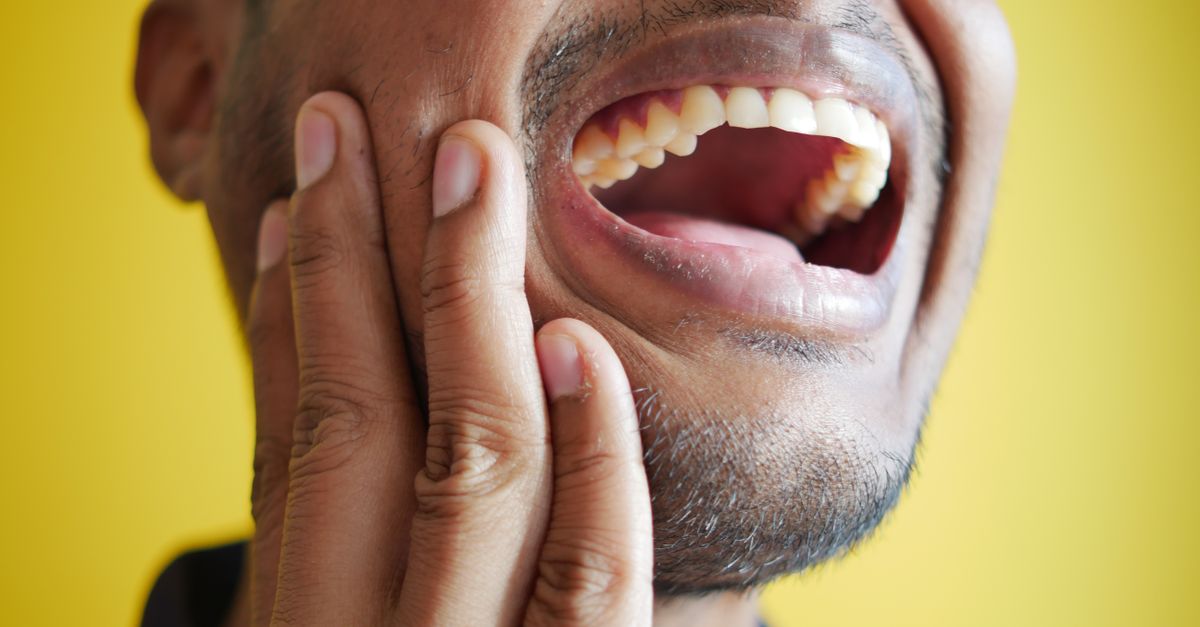
Experiencing a continuous, throbbing pain in your upper jaw and teeth requires a methodical assessment to differentiate between a localized dental issue and a broader medical condition. You should seek emergency medical evaluation if the upper jaw pain is accompanied by crushing chest pressure, shortness of breath, pain radiating down your left arm, or sudden profound dizziness. These concurrent systemic signs strongly suggest that the jaw pain is referred from an acute cardiovascular event, such as a myocardial infarction, necessitating immediate life-saving intervention.
In the vast majority of cases, pain isolated to the upper jaw originates from dental pathology. Deep cavities, infected tooth pulp, or periodontal abscesses frequently generate a severe, pulsing ache that worsens when lying down or consuming hot and cold foods. The maxillary bone, which forms the upper jaw, is densely packed with sensitive nerve endings that readily transmit pain signals from damaged dental structures.
However, the upper jaw also shares close anatomical borders with the maxillary sinus cavities and the complex trigeminal nerve network. Distinguishing a true dental infection from acute sinusitis or a neuropathic pain syndrome requires a comprehensive clinical and radiographic examination. Identifying the precise origin of the pain allows clinicians to prescribe targeted antibiotics, perform necessary dental procedures, or address underlying sinus inflammation effectively.
2. Anatomy of the Maxilla and Dentition
The upper jaw is formed by the two maxillary bones, which fuse in the midline of the face. These bones house the upper teeth and form the floor of the nasal cavity and the floor of the maxillary sinuses. This dense anatomical crowding means that pathology in one structure frequently refers pain to the adjacent structures.
Each tooth consists of a hard outer enamel layer, a softer dentin layer, and an inner pulp chamber containing delicate blood vessels and nerve fibers. The roots of the upper premolars and molars extend deeply into the maxillary bone, often resting just millimeters below the mucosal lining of the maxillary sinus cavity.
The trigeminal nerve provides sensory innervation to the entire face. Its second branch, the maxillary nerve, specifically supplies sensation to the upper teeth, gums, and sinus cavities. Because these diverse structures share the same sensory nerve pathway, the brain often struggles to pinpoint the exact source of a painful stimulus, leading to the phenomenon of referred pain.
3. Dental Caries and Pulpitis
Dental caries, commonly known as cavities, are the most frequent cause of localized tooth pain. These form when oral bacteria metabolize dietary sugars, producing harsh acids that progressively erode the protective enamel. If a cavity is left untreated, the bacteria penetrate deep into the softer dentin and eventually breach the inner pulp chamber.
Once the bacteria enter the pulp, they cause pulpitis, a severe inflammation of the dental nerve and blood vessels. Because the pulp is enclosed within the rigid, unyielding walls of the tooth, the inflammatory swelling causes a rapid, profound increase in internal pressure. This immense pressure compresses the nerve fibers, generating a relentless, throbbing pain.
Reversible pulpitis causes sharp pain that occurs only when a stimulus, such as a cold drink, is applied and fades quickly when removed. Irreversible pulpitis involves permanent nerve damage and causes a continuous, dull ache that frequently wakes the patient from sleep and lingers long after any thermal stimulus has been removed.
4. Periapical Abscess Formation
If irreversible pulpitis is ignored, the nerve tissue within the tooth eventually dies. The bacterial infection then spreads downward through the root canal and exits the tip of the root into the surrounding maxillary bone. This localized bone infection leads to the formation of a periapical abscess, a confined pocket of purulent fluid.
An active abscess causes excruciating, continuous throbbing in the upper jaw. The affected tooth becomes exquisitely tender to biting pressure or even light tapping. As the pocket of pus expands, the pressure builds, frequently causing the overlying gum tissue to swell significantly and form a visible, tender, red bump known as a fistula.
A periapical abscess is a dental emergency. Without prompt treatment, typically involving a root canal procedure or tooth extraction alongside systemic antibiotics, the infection can erode through the maxillary bone, spreading into the adjacent sinus cavities or the soft tissues of the face.
5. Maxillary Sinusitis and Referred Pain
Due to the intimate anatomical relationship between the upper molar roots and the floor of the maxillary sinus, acute sinus inflammation is a prominent cause of diffuse upper jaw pain. Maxillary sinusitis occurs when the sinus cavities become infected by viral or bacterial pathogens, causing the mucosal lining to swell and fill the cavity with thick fluid.
The pressure from the engorged sinus presses downward directly onto the nerve endings supplying the upper teeth. Patients frequently report a constant, dull, throbbing ache affecting multiple upper teeth on one or both sides of the mouth simultaneously, rather than a single isolated tooth.
A classic clinical sign differentiating sinusitis from a dental infection is that sinus-related tooth pain worsens significantly when the patient bends forward or suddenly moves their head, as the movement violently shifts the heavy fluid within the sinus cavity. Treatment focuses on resolving the sinus inflammation with decongestants or antibiotics, which subsequently eliminates the referred dental pain.
6. Trigeminal Neuralgia and Neuropathic Pain
When upper jaw pain is described as sudden, sharp, and electrical rather than a dull throb, clinicians must consider trigeminal neuralgia. This chronic neuropathic condition involves the dysfunction of the trigeminal nerve, often caused by a blood vessel physically compressing the nerve root near the brainstem.
The pain of trigeminal neuralgia is notoriously severe. It occurs in sudden, brief, shocking volleys that can be triggered by trivial, non-painful stimuli, such as a light breeze on the cheek, brushing the teeth, or simply chewing soft food. The pain is typically strictly unilateral, affecting only one side of the face and upper jaw.
Because the pain shoots through the maxillary nerve branches, patients frequently undergo multiple unnecessary dental extractions in a futile attempt to cure the pain before the true neurological diagnosis is established. Management requires specific anticonvulsant medications designed to stabilize the hyperactive nerve fibers.
7. Temporomandibular Joint Disorders
The temporomandibular joint connects the lower jaw to the skull and facilitates all chewing and speaking motions. Disorders of this complex joint and its surrounding muscular sling frequently refer pain to various regions of the face, including a dull, throbbing sensation in the upper jaw.
Patients with temporomandibular joint disorders often experience a localized, aching pain just in front of the ear that radiates forward along the upper and lower jaws. The pain typically worsens significantly during prolonged chewing, wide yawning, or speaking. A distinct clicking or popping sound within the joint is a common accompanying symptom.
The pain is primarily driven by chronic spasms in the powerful muscles of mastication. Management generally involves targeted physical therapy, specialized dental splints to realign the joint, and avoiding hard or chewy foods to provide the inflamed joint capsule and surrounding muscles an opportunity to heal.
8. Bruxism and Muscular Strain
Bruxism is the medical term for the chronic, often unconscious, grinding or clenching of the teeth, occurring most frequently during sleep. This continuous, immense physical pressure places profound mechanical stress on the enamel, the periodontal ligaments anchoring the teeth, and the surrounding facial muscles.
Waking up with a widespread, dull, throbbing ache across all the upper and lower teeth is a classic presentation of nocturnal bruxism. Over time, the aggressive grinding wears down the protective enamel, exposing the sensitive underlying dentin and making the teeth hypersensitive to temperature changes.
Dentists easily identify bruxism by observing characteristic flat wear patterns on the biting surfaces of the teeth. Providing the patient with a custom-fitted nocturnal bite guard physically prevents the teeth from grinding against each other, drastically reducing the muscular strain and resolving the morning jaw pain.
9. Periodontal Disease and Gingival Inflammation
Advanced periodontal disease involves chronic bacterial infection and inflammation of the gums and the underlying alveolar bone supporting the teeth. As the bone recedes, deep pathological pockets form around the teeth, providing a protected environment for aggressive anaerobic bacteria.
When one of these deep pockets becomes acutely infected, it creates a periodontal abscess. Unlike a periapical abscess that forms at the tip of the root due to a dead nerve, a periodontal abscess forms on the side of a living tooth. It presents as a sudden, throbbing pain in the upper jaw, accompanied by distinct, painful swelling of the gum tissue alongside the tooth.
The affected tooth may feel slightly loose and is highly tender to chewing. Periodontal treatment involves a dentist carefully draining the abscess and performing deep mechanical cleaning of the root surface to remove the calcified bacterial tartar that initiated the infection.
10. Salivary Gland Obstruction
The major salivary glands located in the cheeks and under the jaw continuously secrete saliva to aid in digestion and protect the oral mucosa. Occasionally, minerals from the saliva calcify into small stones within the narrow salivary ducts, a condition known as sialolithiasis.
If a stone blocks the parotid duct, which runs through the cheek, the parotid gland rapidly swells. This causes a sudden, severe, throbbing pain in the upper jaw and cheek region that characteristically peaks immediately before or during meals, as the brain stimulates salivary flow against a blocked pipe.
The pain and swelling usually subside slowly after the meal as the trapped saliva gradually seeps past the stone. If the obstruction remains, the stagnant saliva can become infected, requiring antibiotics or a minor procedure to physically extract the calcified stone.
11. Cardiovascular Pain Referral
Discerning the difference between localized facial pathology and systemic referred pain is a critical clinical skill. The sensory nerves of the heart and the jaw converge in similar areas of the spinal cord. During an acute myocardial infarction, or heart attack, the brain frequently misinterprets the severe cardiac distress as pain originating in the jaw.
Cardiac referred pain typically presents as a deep, crushing, or throbbing ache located in the lower jaw, but it can easily radiate upward into the upper jaw and teeth. It is rarely isolated to a single tooth and is not worsened by biting or pressing on the dental structures.
Crucially, this type of jaw pain is almost universally accompanied by profound chest pressure, severe shortness of breath, unexplained sweating, and profound nausea. Any jaw pain presenting with these systemic signs mandates an immediate call to emergency medical services.
12. Red Flags for Emergency Evaluation
While most upper jaw pain requires a scheduled dental or medical appointment, specific clinical signs demand immediate emergency department evaluation. A rapidly expanding swelling in the upper jaw that approaches the eye or causes the eye to bulge indicates a severe, advancing infection that threatens vision and the central nervous system.
A high systemic fever, severe difficulty swallowing, or an inability to open the mouth fully, known as trismus, suggests that a localized dental abscess has broken through the bone and is aggressively spreading through the deep fascial planes of the head and neck, a potentially lethal complication.
Furthermore, as previously emphasized, any sudden onset of throbbing jaw pain in an individual with known cardiovascular risk factors, accompanied by shortness of breath or radiating arm pain, must be treated as an acute heart attack until definitively proven otherwise by electrocardiogram testing.
13. Clinical and Radiographic Assessment
The diagnostic pathway begins with a meticulous clinical examination of the oral cavity and the head and neck region. The dentist or physician evaluates the teeth for obvious decay, taps them gently to assess for periapical inflammation, and palpates the facial muscles and temporomandibular joint for tenderness or spasm.
Dental radiographs are absolutely essential. Intraoral x-rays provide high-resolution images of the individual tooth roots and surrounding bone, easily identifying hidden decay, periapical abscesses, or severe bone loss from periodontal disease.
If a non-dental source is suspected, such as sinusitis or a complex joint disorder, a panoramic radiograph or a specialized cone-beam computed tomography scan provides a comprehensive, three-dimensional view of the entire maxillofacial region, highlighting fluid in the sinuses or structural joint damage.
14. Pharmacological and Dental Interventions
Treatment is strictly directed by the definitive clinical diagnosis. Confirmed dental infections require prompt mechanical intervention. A root canal procedure physically removes the infected, dead nerve tissue from inside the tooth, instantly eliminating the source of the throbbing pain and allowing the surrounding bone to heal.
If the tooth is deemed structurally unsalvageable, a surgical extraction is performed. Systemic antibiotics are generally reserved for cases where the infection has caused significant facial swelling or a systemic fever, as antibiotics alone cannot cure an infection trapped inside a dead tooth structure.
For non-dental causes, medical management takes precedence. Acute sinusitis is treated with supportive care, nasal decongestants, or specific antibiotics. Trigeminal neuralgia requires precise neurological medications, while temporomandibular disorders benefit from muscle relaxants, specialized physical therapy, and custom dental appliances.
To understand other conditions linked to systemic warning signs, you might review our guide on sudden blurry or double vision or explore vascular symptoms in our article regarding cold hands and feet.
| Pain Characteristics | Common Underlying Cause | Specific Clinical Indicators |
|---|---|---|
| Constant throb, worse with hot/cold | Irreversible Pulpitis | Deep cavity, pain lingers after stimulus |
| Dull ache in multiple teeth, worse bending over | Maxillary Sinusitis | Recent cold, nasal congestion |
| Sharp, electrical shocks triggered by touch | Trigeminal Neuralgia | Unilateral, brief but excruciating duration |
| Throbbing ache worse in the morning | Nocturnal Bruxism | Worn enamel, sore jaw muscles |
15. Frequently Asked Questions FAQ
1. Will an antibiotic cure my throbbing toothache?
No. Antibiotics can temporarily reduce the swelling and pain of an abscess that has spread into the gums, but they cannot penetrate the dead space inside a tooth. The pain will invariably return until a dentist physically removes the infected nerve via a root canal or extraction.
2. Can a sinus infection make my teeth feel loose?
Yes. Severe inflammation and fluid accumulation in the maxillary sinus can place immense pressure directly on the roots of the upper teeth, causing them to feel highly sensitive to pressure and occasionally slightly loose until the sinus infection clears.
3. Why does my toothache throb more when I lie down in bed?
Lying flat increases the overall blood pressure within your head and face. If you have an active dental infection, this increased blood volume exacerbates the inflammatory swelling inside the confined space of the tooth, causing the throbbing pain to spike.
4. Is it safe to put aspirin directly on a painful tooth?
Absolutely not. Aspirin is highly acidic. Placing it directly against the tooth or gum tissue will cause a severe chemical burn, destroying the soft tissue and significantly worsening your overall pain. Always swallow pain medication as directed.
5. How do I know if my jaw pain is from a heart attack?
Jaw pain related to a heart attack is usually described as a crushing or heavy ache, predominantly in the lower jaw, and is almost always paired with other alarming symptoms like chest pressure, shortness of breath, and sweating. It is not triggered by chewing or hot and cold foods.
16. Bibliography
Disclaimer: The content is for informational purposes only and does not replace medical advice. Always consult your doctor for personalized treatment.