
1. Introduction
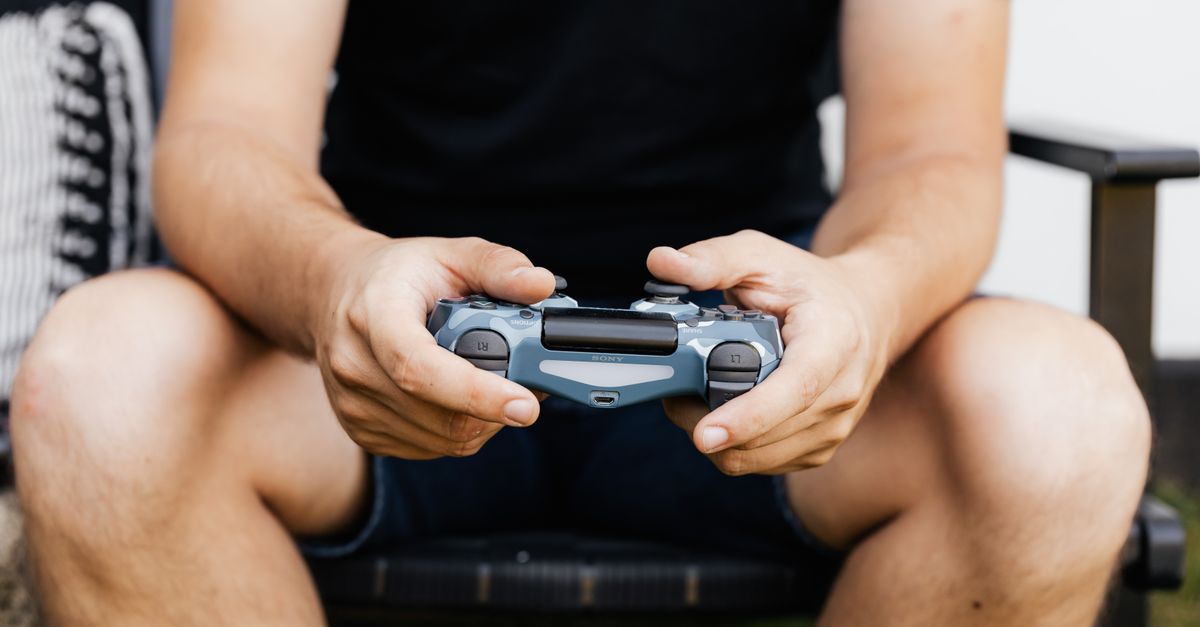
Experiencing numb fingertips after holding a vibrating gaming controller is the direct result of continuous mechanical oscillation causing transient ischemic damage and microtrauma to the peripheral digital nerves. The rapid, repetitive vibrations disrupt the normal electrical conduction of the sensory nerves in the hands, leading to a temporary loss of sensation. Simultaneously, the mechanical stress induces localized vasospasm, constricting the tiny blood vessels that supply oxygen to the nerve tissues.
While modern gaming controllers use vibration to enhance sensory immersion, the human hand is not biologically adapted to absorb continuous mechanical oscillation for prolonged periods. The localized neurological and vascular distress manifests as a tingling, pins-and-needles sensation, clinically referred to as paresthesia.
Understanding the anatomical structures of the hand and the physics of vibration provides clear insight into why this numbness occurs. Recognizing these physiological warning signs is essential, as ignoring persistent vibration-induced paresthesia can eventually lead to chronic nerve irritation and long-term functional deficits in manual dexterity.
2. Anatomy of the Digital Nerves
The sensation in the fingertips is governed by an intricate network of peripheral nerves branching off from the median and ulnar nerves of the arm. These nerve pathways travel down through the wrist, traverse the palm, and extend to the very tips of the fingers. They are responsible for transmitting precise sensory data regarding touch, temperature, and pain to the central nervous system.
At the microscopic level, these nerve fibers are protected by a myelin sheath, a lipid-rich layer that acts as biological insulation, ensuring rapid and clean transmission of electrical impulses. The outermost tips of the fingers are densely packed with specialized sensory receptors called Pacinian corpuscles, which are expressly designed to detect transient pressure and vibration.
Because the digital nerves are located superficially, just beneath the skin and alongside the bones of the fingers, they are exceptionally vulnerable to external mechanical forces. When a gamer grips a rigid plastic controller, these superficial nerves are compressed directly between the hard casing of the device and the underlying skeletal structure of the hand.
3. The Physics of Controller Vibration
Gaming controllers utilize small, internal asymmetrical electric motors to generate haptic feedback. When these motors spin, the uneven weight distribution causes the entire controller casing to oscillate rapidly. The frequency of this oscillation typically ranges from low, rumbling frequencies to fast, sharp vibrations designed to simulate impacts or environmental textures.
When the hands grasp the controller, they absorb the kinetic energy of these oscillations. The kinetic energy travels through the superficial skin layers, penetrating the connective tissue and directly vibrating the digital nerves and blood vessels.
The human nervous system is equipped to handle brief instances of vibration, but the continuous, repetitive mechanical shock delivered during extended gaming sessions overwhelms the cellular repair mechanisms. The sensory receptors become fatigued and chemically depleted, leading to a breakdown in accurate sensory reporting to the brain.
4. Hand-Arm Vibration Syndrome Overview
In clinical occupational health, prolonged exposure to vibrating machinery is a recognized cause of Hand-Arm Vibration Syndrome. While a gaming controller produces significantly less force than industrial equipment, the physiological mechanism of injury is fundamentally identical. The syndrome encompasses both neurological and vascular components.
The neurological component involves the direct mechanical disruption of the nerve fibers. The continuous shaking damages the delicate myelin sheath and interferes with the ion channels responsible for nerve cell depolarization. The brain interprets this disorganized electrical static as numbness or a buzzing sensation that persists even after the vibration stops.
The vascular component is equally significant. The smooth muscle lining the small arteries of the fingers responds to mechanical vibration by contracting tightly. This protective reflex limits blood flow to the digits, starving the already stressed nerve tissues of oxygen and essential nutrients, which further exacerbates the paresthesia.
5. Vascular Ischemia and Capillary Constriction
The digital arteries run parallel to the digital nerves along the sides of each finger. These vessels are remarkably sensitive to temperature and mechanical stress. The continuous shaking of a controller triggers localized vasospasm, a sudden and severe narrowing of the arterial walls.
This narrowing drastically reduces the volume of arterial blood reaching the capillary beds in the fingertips, creating a state of transient ischemia. Without a steady supply of oxygenated blood, the metabolic processes within the nerve cells begin to stall. The cells cannot maintain the necessary chemical gradients required to fire electrical signals accurately.
Patients often notice that their fingertips not only feel numb but may also appear unusually pale or blanched during or immediately after a long gaming session. This visible loss of color is the hallmark clinical sign of vibration-induced capillary constriction and temporary vascular compromise.
6. The Role of Pacinian Corpuscles
The Pacinian corpuscles are the primary mechanoreceptors responsible for perceiving the haptic feedback from the controller. These encapsulated nerve endings are specifically tuned to detect high-frequency vibration. Under normal circumstances, they fire a rapid signal to the brain whenever a vibration begins or ends.
However, during a continuous rumble event in a video game, the Pacinian corpuscles are forced to fire continuously. This relentless stimulation causes the receptors to undergo sensory adaptation. The nerve endings literally exhaust their supply of chemical neurotransmitters and stop responding to the stimulus.
This profound receptor fatigue means the fingertips temporarily lose their ability to feel fine textures or light touch. The brain registers this lack of incoming sensory data as a thick, dull numbness, often described by patients as feeling like they are wearing heavy gloves.
7. Table: Stages of Vibration-Induced Symptoms
The following table outlines the progressive clinical stages of vibration-related distress in the hands.
| Clinical Stage | Primary Symptoms | Physiological Cause |
|---|---|---|
| Stage 1: Transient Fatigue | Mild tingling, buzzing sensation | Depletion of neurotransmitters in Pacinian corpuscles |
| Stage 2: Ischemic Numbness | Profound numbness, pale fingertips | Vasospasm and restricted capillary blood flow |
| Stage 3: Neurological Impairment | Loss of grip strength, aching pain | Microtrauma to myelin sheath, prolonged nerve irritation |
| Stage 4: Chronic Paresthesia | Constant tingling even when not gaming | Permanent structural damage to peripheral nerve fibers |
8. Carpal Tunnel Syndrome Overlap
The numbness experienced in the fingertips often overlaps with the clinical presentation of Carpal Tunnel Syndrome. The median nerve, which supplies sensation to the thumb, index, middle, and part of the ring finger, must pass through a narrow anatomical tunnel in the wrist.
When a gamer holds a controller, they frequently maintain their wrists in a static, slightly extended or flexed position. This awkward wrist angle physically narrows the carpal tunnel, increasing the hydrostatic pressure directly against the median nerve.
When the mechanical vibration from the controller is added to this anatomical compression, the median nerve suffers a dual insult. The resulting numbness is often more profound and may radiate upward into the forearm, indicating that the nerve is being compromised both at the fingertips and at the wrist junction. Individuals experiencing such symptoms often seek information regarding generalized hand numbness to understand nerve compression.
9. The Impact of Grip Force
The intensity of the numbness is directly proportional to the force with which the controller is gripped. During tense moments in gameplay, individuals subconsciously increase their grip strength, squeezing the rigid plastic casing tightly.
A forceful grip drastically increases the coupling efficiency between the vibrating motors and the tissues of the hand. Instead of the vibration dissipating harmlessly into the air, the maximum amount of kinetic energy is driven deep into the flesh, bone, and neurovascular bundles.
Furthermore, an isometric, unyielding grip forces the intrinsic muscles of the hand to contract constantly. This sustained muscular tension physically crushes the small blood vessels from the outside, compounding the ischemic effects of the vasospasm and accelerating the onset of sensory loss.
10. Thermal Factors and Cold Environments
The ambient temperature of the gaming environment plays a significant role in vascular reactivity. Cold temperatures are a well-documented trigger for peripheral vasoconstriction, as the body naturally shunts warm blood away from the extremities to preserve core heat.
If a gamer is playing in a cold room, the digital arteries are already in a state of partial constriction. When the vibration of the controller is introduced, the combined stress triggers a severe spastic reflex in the blood vessels.
This synergistic effect between cold and mechanical vibration drastically reduces the time it takes for the fingertips to become numb and pale. Maintaining warm hands through adequate room heating or frequent movement is a primary defense against this rapid ischemic onset.
11. Ergonomic Controller Design and Size
The physical dimensions of the gaming controller relative to the size of the user’s hands influence the distribution of mechanical stress. A controller that is too large forces the fingers to splay awkwardly, placing the digital nerves on a continuous anatomical stretch. Nerves under tension are notably more susceptible to vibrational damage.
Conversely, a controller that is too small requires a cramped, pinched grip, focusing the entire vibrational load onto a very small surface area of the fingertips. This concentrated pressure point accelerates the mechanical disruption of the local capillary beds.
Selecting a controller that allows the hands to rest in a neutral, relaxed curve distributes the vibrational kinetic energy evenly across the broad, padded tissues of the palm, sparing the delicate sensory structures located at the very tips of the digits.
12. Microtrauma and Inflammatory Response
While the numbness usually resolves shortly after putting the controller down, repeated gaming sessions cause cumulative microtrauma to the nerve tissues. The continuous shaking creates microscopic tears in the connective tissue supporting the digital nerves.
The body responds to these microscopic injuries by initiating a localized inflammatory cascade. White blood cells and fluid rush into the tiny spaces of the fingers, causing mild, often imperceptible swelling. This inflammatory fluid increases the pressure surrounding the nerve endings.
If the gamer does not allow adequate rest days for this inflammation to subside, the continuous cycle of vibration and swelling leads to chronic nerve irritation. The fingertips may begin to feel perpetually bruised, stiff, and prone to tingling even during non-gaming activities like typing or writing.
13. Dynamic Recovery and Stretching
Reversing the acute numbness requires immediate interventions aimed at restoring arterial blood flow and relieving nerve compression. Setting the controller aside and actively opening and closing the hands forcefully acts as a mechanical pump, driving fresh, oxygenated blood back into the starved capillary beds of the fingertips.
Performing static wrist stretches helps decompress the median and ulnar nerves as they pass through the forearm and wrist. By extending the arm straight out and gently pulling the fingers backward toward the body, the soft tissues surrounding the nerves are lengthened, reducing the compressive hydrostatic pressure.
Immersing the hands in warm water is an excellent clinical method to induce rapid vasodilation. The thermal energy relaxes the spastic smooth muscle in the digital arteries, instantly reversing the localized ischemia and providing the nerve cells with the resources needed to restore normal sensory function.
14. Modifying Gameplay Habits
The most definitive preventative strategy is modifying the interaction with the vibrating device. Most modern gaming consoles and software applications allow users to adjust the intensity of the haptic feedback or disable the vibration feature entirely. Turning the vibration off immediately eliminates the primary mechanical insult.
If vibration is desired for immersion, adopting a conscious, relaxed grip is essential. Gamers must actively remind themselves to loosen their hands during loading screens or cinematic sequences, allowing the intrinsic muscles to rest and the blood vessels to dilate.
Implementing mandatory physical micro-breaks is crucial for long-term neurological health. Clinicians recommend taking a five-minute break every hour to stretch the wrists, shake out the arms, and allow the Pacinian corpuscles to chemically reset, ensuring the peripheral nerves remain healthy and functional.
15. Frequently Asked Questions (FAQ)
1. Is the numbness from my controller a sign of permanent nerve damage?
Transient numbness that resolves within a few minutes of stopping play is typically a temporary physiological response to vibration and ischemia. However, if the numbness persists for hours or days, it may indicate cumulative nerve irritation requiring medical evaluation.
2. Why do my hands feel cold when they get numb from the controller?
The mechanical vibration triggers a reflex that constricts the small blood vessels in your fingers. This vasospasm restricts the flow of warm arterial blood to the extremities, causing a noticeable drop in tissue temperature alongside the numbness.
3. Does wearing gaming gloves help prevent fingertip numbness?
Specialized anti-vibration gloves contain dampening polymers that absorb a significant portion of the kinetic energy before it reaches your skin, which notably reduces the mechanical stress on the digital nerves and delays the onset of paresthesia.
4. Can this vibration cause Carpal Tunnel Syndrome?
While controller vibration alone rarely causes Carpal Tunnel Syndrome, the combination of continuous vibration, a tight grip, and awkward wrist angles significantly exacerbates underlying nerve compression in the wrist, worsening existing symptoms.
5. How long should I rest my hands after they go numb?
You should cease gaming and rest your hands until normal sensation, color, and warmth have completely returned to the fingertips, which usually takes fifteen to thirty minutes of active stretching and movement.
16. Bibliography
Disclaimer: The content is for informational purposes only and does not replace medical advice. Always consult your doctor for personalized treatment.
