1. Introduction
Swollen and puffy hands while walking on a hot afternoon result from a physiological process known as heat edema, driven by temperature-induced vasodilation. The body expands peripheral blood vessels in the extremities to radiate excess core heat, which increases capillary pressure and forces fluid into the surrounding soft tissues. Understanding the physics of thermoregulation and fluid dynamics is essential for managing this common and generally benign physical response to warm weather exertion.
2. Thermoregulation and Peripheral Vasodilation
The human body operates strictly within a narrow temperature range. When exposed to a hot environment, especially during physical activity like walking, internal heat production rises. The autonomic nervous system must shed this excess thermal energy to maintain homeostasis.
The primary mechanism for heat dissipation is peripheral vasodilation. The brain signals the smooth muscles surrounding the blood vessels in the skin and extremities to relax and widen.
This widening allows a substantial volume of warm, oxygenated blood to flow away from the core and into the superficial capillary beds of the hands and feet. As the warm blood reaches the surface, the heat radiates outward into the cooler ambient air.
3. The Physics of Heat Exchange
The hands act as exceptionally efficient biological radiators. They possess a dense network of specialized blood vessels and a large surface area relative to their tissue volume.
During a hot afternoon walk, the blood flow to the hands can increase significantly above resting levels. This immense influx of fluid physically engorges the digital arteries and superficial veins.
The sheer volume of blood pooling in the extremities accounts for the initial feeling of tightness. The hands literally become warmer and visibly redder as the body utilizes them to transfer thermal energy away from the vital organs.
4. Capillary Hydrostatic Pressure
The vascular system is a closed loop, but the capillary walls are semi-permeable. They allow nutrients, oxygen, and fluid to pass into the surrounding interstitial tissues.
When peripheral vasodilation occurs, the sudden rush of blood significantly increases the hydrostatic pressure within these tiny capillaries. Hydrostatic pressure is the mechanical force that blood exerts against the vessel walls.
As this pressure rises, it overcomes the osmotic pressure that typically keeps fluid inside the bloodstream. Consequently, blood plasma is forced out through the capillary walls and into the soft tissues of the fingers and palms.
5. Fluid Shift and Interstitial Edema
The fluid that leaks out of the capillaries accumulates in the interstitial spaces—the microscopic gaps between the skin, muscle, and connective tissue cells. This accumulation of fluid is clinically termed edema.
Because the skin on the back of the hand is thin and pliable, it accommodates this excess fluid easily. The tissues expand, creating the visible puffiness and the tight, sausage-like appearance of the fingers.
This specific type of fluid retention, driven directly by temperature and capillary pressure rather than systemic disease, is known as heat edema. It is a functional consequence of the body prioritizing temperature control over fluid balance.
6. Centrifugal Force During Walking
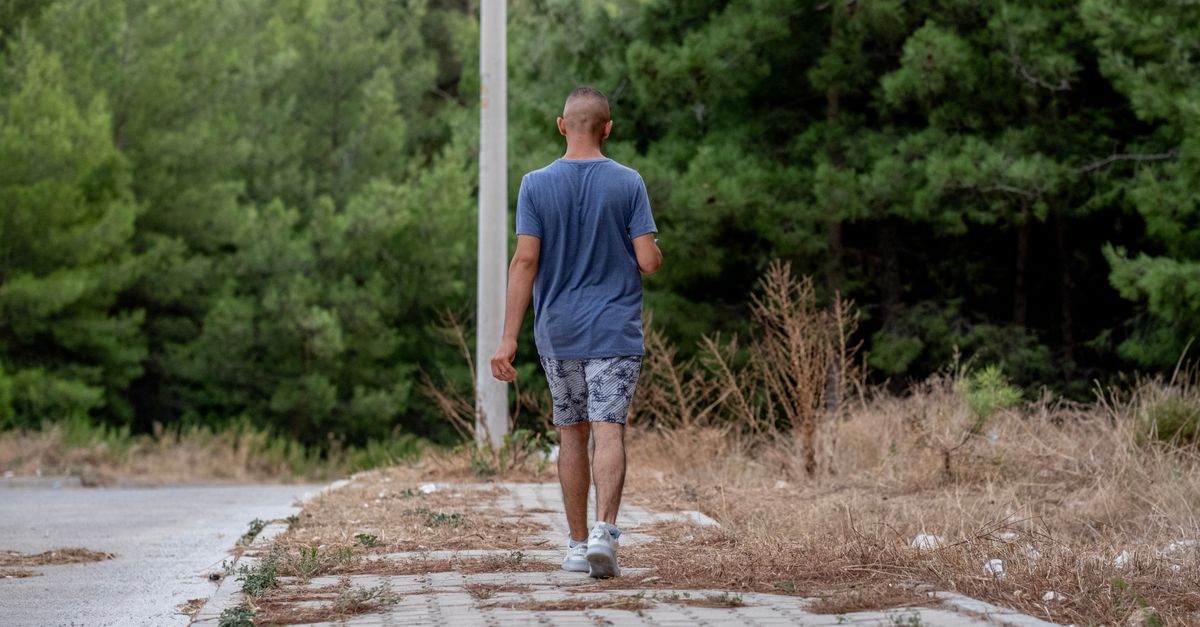
The physical mechanics of walking exacerbate the pooling of fluid in the hands. As you walk, your arms naturally swing back and forth at your sides.
This rhythmic swinging generates centrifugal force, pushing blood and interstitial fluid downward toward the fingertips. Because the hands are positioned at the lowest point of the pendulum swing, gravity works in concert with centrifugal force.
The venous system must work against these mechanical forces to push blood back up the arms to the heart. During a brisk walk, the downward force often temporarily outpaces the upward venous return, intensifying the swelling.
7. The Role of the Lymphatic System
The lymphatic system is responsible for collecting excess interstitial fluid and returning it to the circulatory system. Microscopic lymphatic vessels in the hands absorb the leaked plasma.
However, the lymphatic pump relies heavily on the contraction of surrounding skeletal muscles. The hands and forearms do not undergo vigorous muscular contraction during a casual walk, unlike the leg muscles which constantly pump fluid upward.
Without significant muscular assistance, the lymphatic vessels in the arms struggle to clear the sudden influx of fluid caused by heat-induced vasodilation, allowing the puffiness to persist until the activity ceases.
8. Sodium Balance and Electrolyte Dynamics
Dietary factors can influence the severity of heat edema. Sodium is an essential mineral that regulates fluid balance within the body. It exerts a strong osmotic pull, attracting and holding onto water molecules.
If an individual consumes a meal rich in sodium prior to a hot afternoon walk, the overall blood volume is slightly expanded. The body retains extra fluid to dilute the sodium concentration.
When vasodilation occurs, this expanded fluid volume translates into even greater hydrostatic pressure within the capillaries, pushing a larger quantity of fluid into the hands and making the swelling more pronounced.
9. Venous Return Mechanisms
The veins in the arms contain small, one-way valves designed to prevent blood from flowing backward. For blood to return to the heart, it must be pushed upward against gravity.
In hot weather, the veins dilate significantly, which can sometimes pull the leaflets of these valves slightly apart, reducing their efficiency. The blood tends to pool in the dependent extremities.
Raising the hands above the level of the heart immediately utilizes gravity to assist the venous return. The pooled blood drains downward, relieving the capillary pressure and allowing the lymphatic system to clear the interstitial edema.
10. The Impact of Dehydration
It seems counterintuitive, but mild dehydration can contribute to perceived swelling. When the body senses a fluid deficit during a hot walk, it releases antidiuretic hormone to conserve remaining water resources.
The kidneys reduce urine output, and the body holds tightly to available sodium and water. While the overall blood volume may be slightly reduced, the localized fluid dynamics in the hands remain dictated by vasodilation.
The body attempts to balance the need for heat dissipation with the need for fluid conservation, often resulting in a sluggish circulatory return that traps fluid in the distal extremities.
11. Hormonal Influences on Fluid Retention
Hormonal fluctuations play a significant role in vascular permeability and fluid retention. Estrogen and progesterone influence how the kidneys process sodium and how fluid is distributed across the capillary membranes.
During specific phases of the menstrual cycle, baseline fluid retention is elevated. When an individual in this phase exercises in a hot environment, the baseline retention compounds the heat edema.
This hormonal influence explains why some individuals notice significant hand puffiness on certain days while experiencing no symptoms under identical weather conditions on other days.
12. Diagnostic Assessment of Hand Edema
Evaluating hand swelling involves differentiating benign heat edema from systemic pathology or localized joint inflammation. A clinician observes the symmetry of the swelling and checks for associated symptoms.
| Clinical Presentation | Precipitating Factor | Probable Cause |
|---|---|---|
| Symmetrical puffiness, resolves with rest and cooling. | Walking in a hot environment. | Benign Heat Edema. |
| Asymmetrical swelling, redness, pain in joints. | Independent of temperature. | Inflammatory arthritis or localized infection. |
| Swelling accompanied by shortness of breath. | Minimal exertion. | Cardiovascular or systemic fluid imbalance. |
13. Preventive Interventions and Clothing
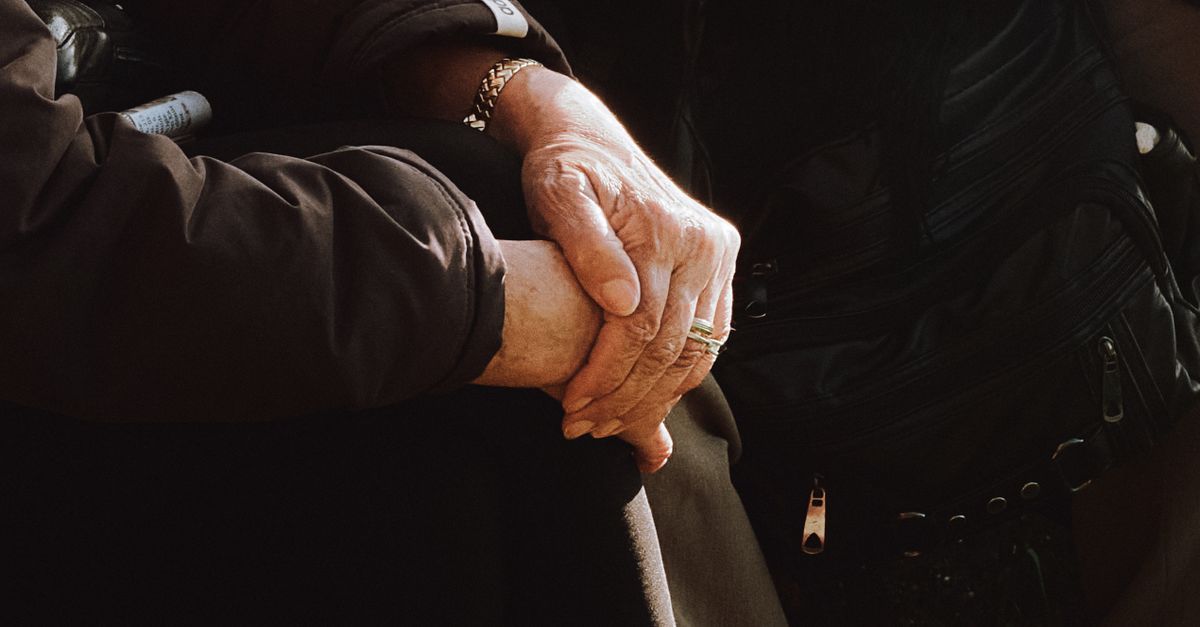
Managing heat edema requires simple behavioral modifications. Removing rings or tight wristbands before a walk prevents these items from acting as tourniquets when the fingers naturally expand.
Utilizing a walking stick or trekking poles requires continuous gripping and muscular engagement of the hands and forearms. This active muscle contraction acts as a mechanical pump, driving venous blood and lymphatic fluid back up the arm.
Wearing loose, breathable clothing helps the core body temperature remain stable, reducing the autonomic need for profound peripheral vasodilation.
14. Active Recovery and Fluid Clearance
If the hands become puffy during a walk, actively altering arm mechanics provides immediate relief. Bending the elbows to ninety degrees stops the centrifugal pendulum effect, reducing the downward force on the vascular fluids.
Periodically raising the hands above the head for a few seconds allows gravity to drain the congested veins rapidly. Opening and closing the fists forcefully activates the forearm muscles, pumping the interstitial fluid out of the hand.
Cooling the hands with cold water or a damp towel causes immediate vasoconstriction, shutting off the excess blood flow and allowing the tissue pressure to normalize.
15. When to Consult a Healthcare Professional
Heat edema that resolves shortly after returning to a cool environment is a normal physiological response. However, persistent swelling requires medical screening.
If the puffiness does not subside after a few hours of rest and cooling, or if it is accompanied by deep pitting (where pressing the skin leaves a lasting indentation), it may indicate a systemic issue with the kidneys, liver, or heart.
Consultation is also necessary if the swelling is strictly one-sided, associated with sudden weight gain, or if it causes profound pain or a loss of manual dexterity that persists indoors.
16. Frequently Asked Questions FAQ
1. Is heat edema dangerous for my heart?
No. Benign heat edema in the hands is a local fluid shift related to thermoregulation. It does not indicate that your heart is failing or struggling, provided the swelling resolves quickly once you cool down.
2. Should I stop drinking water if my hands swell?
Absolutely not. Restricting water intake during a hot walk leads to dehydration and heat exhaustion. Your body needs water to sweat and cool down. Hydration supports healthy circulation and prevents the hormonal fluid retention triggered by dehydration.
3. Will wearing compression gloves help?
Mild compression gloves physically prevent the interstitial tissues from expanding, which stops the puffiness. However, they also act as an insulating layer, which may make your hands hotter and defeat the body’s attempt to radiate heat. Intermittent muscle pumping is a better strategy.
4. Why do my feet also swell on a hot walk?
The feet experience the same heat-induced vasodilation as the hands, but they also bear the full gravitational weight of the body. The hydrostatic pressure in the foot capillaries is much higher, forcing fluid into the tissues and causing the shoes to feel tight.
5. Does my diet affect how much my hands swell?
A diet very high in sodium causes the body to retain more baseline fluid. When you exercise in the heat, this extra fluid volume is pushed into the extremities. Moderating sodium intake can reduce the severity of the puffiness.
17. Bibliography
Disclaimer: The content is for informational purposes only and does not replace medical advice. Always consult your doctor for personalized treatment.