1. Introduction
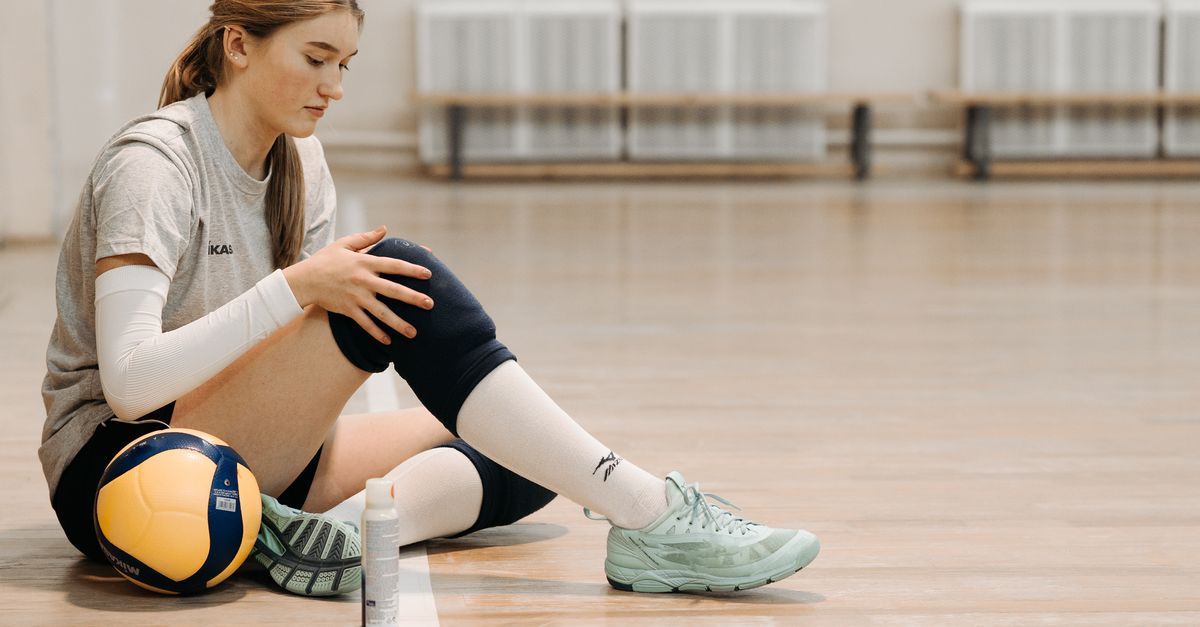
Soreness and swelling in the knees after kneeling on garden soil are classic clinical signs of prepatellar bursitis, a condition characterized by the inflammation of the fluid-filled sac located directly over the kneecap. The human knee is designed primarily to hinge during walking and running, not to bear the entire weight of the body against a hard, uneven surface. When an individual kneels to garden, the mechanical force compresses the prepatellar bursa between the rigid patella bone and the unyielding ground.
Prolonged static kneeling or shuffling along the soil introduces severe compressive and frictional forces to the anterior knee structures. The body responds to this mechanical micro-trauma by initiating an acute inflammatory cascade. The synovial lining of the bursa becomes irritated and rapidly secretes excess fluid in an attempt to protect the underlying bone.
Because the skin over the kneecap is tight and lacks substantial fat padding, this rapid accumulation of inflammatory fluid has nowhere to go but outward, resulting in the distinct, localized swelling that resembles a small balloon over the knee. Understanding the biomechanics of the bursa is essential for preventing this painful occupational hazard and preserving long-term joint health.
2. Anatomy Of The Prepatellar Bursa
To protect the intricate structures of the knee joint from friction and direct trauma, the body utilizes specialized biological shock absorbers known as bursae. The prepatellar bursa is a thin, slippery sac located just beneath the skin and directly anterior to the patella (kneecap).
Under normal conditions, this bursa contains only a microscopic drop of synovial fluid. Its primary function is to allow the overlying skin to glide smoothly across the rough surface of the kneecap when the leg bends and straightens.
Because of its superficial location, the prepatellar bursa is highly vulnerable to external forces. Unlike the deep articular cartilage that cushions the internal joint spaces, the prepatellar bursa serves as the first line of defense against direct blunt trauma or sustained environmental pressure, making it the anatomical structure most likely to fail during kneeling activities.
3. The Biomechanics Of Kneeling
Kneeling fundamentally alters the weight-bearing mechanics of the lower extremities. When standing, body weight is transferred seamlessly through the femur, tibia, and the cushioned arches of the feet. When a person drops to their knees, the load-bearing axis shifts entirely to the anterior surface of the patella and the tibial tuberosity.
The patella is a sesamoid bone embedded within the quadriceps tendon. It is not structurally designed to support the mass of the human torso. Kneeling forces the patella backward against the femur, drastically increasing patellofemoral joint pressure, while simultaneously crushing the prepatellar bursa against the ground.
If a gardener shifts their weight, leans forward to reach a weed, or shuffles along the soil without standing up, they introduce immense shearing forces. This combination of heavy vertical compression and lateral friction causes rapid, severe mechanical irritation to the thin lining of the bursa.
4. Pathophysiology Of Prepatellar Bursitis
When the prepatellar bursa sustains this mechanical assault, a predictable physiological response unfolds. The microscopic friction damages the cells of the synovial membrane lining the sac. This damage triggers the release of pro-inflammatory cytokines, initiating a localized immune response.
Blood vessels supplying the anterior knee dilate, causing the area to feel warm and appear red (erythema). More significantly, the irritated synovial cells shift into overdrive, secreting large volumes of a protein-rich inflammatory transudate directly into the closed space of the bursa.
This process is clinically known as prepatellar bursitis, historically referred to as “housemaid’s knee” or “clergyman’s knee.” The bursa engorges with fluid, transforming from a flat, unnoticeable membrane into a taut, swollen sac. This swelling physically stretches the surrounding sensory nerves, causing the distinct tenderness and deep, throbbing soreness.
5. The Impact Of Uneven Garden Soil
The specific environment of a garden exacerbates the mechanical trauma to the knees. Unlike a flat, smooth floor, garden soil is notoriously uneven. It is filled with rocks, hardened clods of dirt, roots, and debris.
When a gardener kneels on a hidden stone, the entire force of their body weight is concentrated onto a surface area of just a few millimeters against the kneecap. This focal point of extreme pressure acts like a blunt instrument, causing immediate micro-contusions to the bursa and the underlying periosteum (the membrane covering the bone).
Furthermore, the soft, yielding nature of soil means the knee constantly sinks and shifts slightly as the gardener moves. This instability forces the stabilizing muscles of the hip and thigh to engage continuously, leading to rapid muscle fatigue and a loss of controlled movement, increasing the likelihood of sudden, jerky impacts on the bursa.
6. Cartilage Stress And Patellofemoral Pain
While the bursa bears the brunt of the superficial trauma, prolonged kneeling also damages the deeper structures of the joint. The underside of the patella is lined with a thick layer of articular cartilage designed to glide smoothly within the trochlear groove of the femur.
Kneeling forcefully jams the patella deeply into this groove. This sustained, high-pressure contact squeezes the lubricating synovial fluid out of the cartilage matrix, a process known as fluid exudation. Dehydrated cartilage is highly susceptible to frictional wear and cellular damage.
Over time, repeated episodes of this deep mechanical stress can lead to chondromalacia patellae, a condition where the cartilage softens and begins to break down. This deeper damage manifests as an aching pain beneath the kneecap, especially noticeable when climbing stairs or standing up from a seated position after a gardening session.
7. Ischemia In The Surrounding Tissues
Static kneeling not only causes mechanical crushing but also induces severe vascular restriction. The weight of the body compresses the superficial veins and microscopic capillary networks that supply oxygen to the skin, bursa, and tendons of the anterior knee.
This localized cutoff of blood flow is called ischemia. Tissues deprived of oxygen rapidly accumulate metabolic waste products, which alter the local pH and chemically stimulate pain receptors.
When the gardener finally stands up, the sudden release of pressure causes a massive influx of fresh blood into the oxygen-starved tissues, a phenomenon called reactive hyperemia. This sudden vascular engorgement often creates a distinct, throbbing sensation in the knees that persists long after the mechanical pressure has been removed.
8. Identifying Prepatellar Bursitis
It is important to differentiate between superficial bursal inflammation and internal joint pathology, as the treatments differ substantially.
| Clinical Sign | Prepatellar Bursitis | Intra-articular Joint Issue (e.g., Meniscus/Arthritis) |
|---|---|---|
| Location of Swelling | Distinct, localized pouch sitting directly on top of the kneecap. | Generalized swelling deep within the joint space, surrounding the whole knee. |
| Range of Motion | Knee usually bends relatively normally, though tight skin may cause pain. | Significant restriction in bending or fully straightening the leg; joint feels “stuck.” |
| Palpation (Touching) | Highly tender exactly over the front of the kneecap. | Tenderness along the joint lines (sides of the knee) or deep inside. |
| Nature of Pain | Pain is worse when touching the front of the knee or resting on it. | Pain worsens with weight-bearing, walking, or twisting motions. |
9. Immediate Relief And First Aid
When the knees feel swollen and sore immediately after gardening, halting the inflammatory cascade is the primary objective. The R.I.C.E. protocol (Rest, Ice, Compression, Elevation) is the clinical standard for acute bursitis management.
Rest entails immediately stopping the kneeling activity and avoiding placing any direct pressure on the patella. Applying an ice pack to the front of the knee for fifteen to twenty minutes causes vasoconstriction, which physically shrinks the dilated blood vessels and slows the effusion of fluid into the bursa.
Applying a light, elastic compression bandage around the knee provides counter-pressure against the swelling tissue, gently forcing the excess fluid back into the lymphatic circulation. Elevating the legs above heart level utilizes gravity to drain the accumulated venous congestion and interstitial fluid away from the joint.
10. Managing Pain And Inflammation
Pharmacological intervention is often necessary to calm the hyper-reactive synovial tissue. Nonsteroidal anti-inflammatory drugs (NSAIDs), such as ibuprofen or naproxen, inhibit the specific enzymes responsible for producing the inflammatory prostaglandins.
By blocking this chemical pathway, NSAIDs directly reduce both the sharp pain and the active fluid secretion within the bursa. Topical NSAID gels can also be applied directly over the swollen kneecap, offering localized relief without the systemic side effects associated with oral medications.
In cases where the swelling is profound, very tense, and limits mobility, a physician may perform an aspiration. This involves inserting a sterile needle into the bursa to physically drain the excess fluid, providing immediate mechanical relief, often followed by a corticosteroid injection to completely shut down the localized inflammation.
11. Ergonomic Interventions For Gardening
Preventing recurrent episodes of bursitis requires altering the mechanics of gardening. The most critical intervention is the mandatory use of heavy-duty knee pads or a thick, high-density foam kneeling board.
These protective devices act as a mechanical buffer. A thick layer of compressible foam absorbs the focal pressure of rocks and uneven soil, distributing the body weight over a much larger surface area. This prevents the concentrated crushing force from acting directly on the prepatellar bursa.
Gardening techniques must also be adapted. Instead of shuffling along the ground on the knees, individuals should stand up, move, and then lower themselves back down safely. Utilizing long-handled tools or constructing raised garden beds entirely eliminates the necessity for prolonged kneeling, removing the biomechanical hazard completely.
12. Stretching And Strengthening The Joint
Tight musculature surrounding the knee drastically increases the compression forces across the joint during flexion. The quadriceps muscles on the front of the thigh attach directly to the patella. If these muscles are inflexible, they pull the kneecap tightly against the femur and the bursa.
Regular stretching of the quadriceps and hamstrings ensures that the patella tracks smoothly and has adequate slack when the knee bends. A simple standing quad stretch—pulling the heel toward the glutes—helps restore this necessary tissue length.
Strengthening the muscles around the hip and thigh, particularly the gluteus medius, stabilizes the entire leg. A stable leg prevents the knee from collapsing inward during transitions from standing to kneeling, reducing the shearing forces that easily damage the anterior knee structures.
13. The Risk Of Septic Bursitis
While most gardening-related knee swelling is a sterile, mechanical inflammation, the environment introduces a severe secondary risk. Garden soil is teeming with bacteria, fungi, and organic matter. If a gardener kneels on a sharp thorn, a piece of glass, or an abrasive rock, they can suffer a puncture wound or deep scratch directly over the bursa.
This break in the skin provides a direct pathway for soil bacteria, most commonly Staphylococcus aureus, to enter the fluid-filled sac. Because the bursa has a relatively poor blood supply, the immune system struggles to fight off the invasion.
The bursa becomes infected, a condition known as septic bursitis. This is a serious medical issue that progresses rapidly. The knee will become exquisitely painful, bright red, hot to the touch, and the patient may develop systemic symptoms like a high fever or chills.
14. Long-Term Implications Of Chronic Swelling
Ignoring repeated episodes of knee swelling after gardening leads to chronic structural changes. If the prepatellar bursa is subjected to continuous trauma week after week, the acute inflammation transitions into chronic bursitis.
The thin, slippery walls of the bursa become permanently thickened, fibrotic, and stiff. The bursa loses its ability to glide smoothly and may develop calcified loose bodies within the fluid. This creates a permanent, painless lump on the front of the knee that is highly susceptible to flaring up into a painful episode with even minimal provocation.
In severe, intractable cases where the fibrotic bursa becomes a constant source of pain and restricts the occupation or hobbies of the patient, a surgeon may have to perform a bursectomy to physically remove the damaged sac entirely.
15. When To See A Doctor
Clinical evaluation is mandatory if the swelling over the kneecap does not begin to subside after a few days of rest, ice, and anti-inflammatory medication. Persistent swelling requires medical imaging or aspiration to confirm the diagnosis.
Immediate emergency medical attention is absolutely critical if there is any suspicion of septic bursitis. If the knee becomes bright red, feels hot to the touch, or if the skin over the swelling has an open wound, scrape, or spreading red streaks, the patient must be evaluated for antibiotics immediately to prevent a widespread joint infection.
Furthermore, if the swelling is accompanied by a mechanical locking of the knee, a feeling of instability as if the leg will give out, or severe pain deep inside the joint when bearing weight, a physician must assess for deeper structural damage such as a torn meniscus or ligament sprain.
16. Frequently Asked Questions FAQ
1. Why does the swelling look like a distinct lump right on the front of my knee?
The swelling is contained within the prepatellar bursa, which is a small, distinct sac located just under the skin directly on top of the kneecap. Because the fluid is trapped inside this closed sac, it bulges outward like a small water balloon, rather than spreading throughout the whole leg.
2. Is it safe to continue gardening if I just wear knee pads over the swelling?
No. If the bursa is already swollen and inflamed, putting even padded pressure on it will continue to aggravate the synovial lining. You must rest the knee and let the fluid completely absorb before you apply pressure to it again.
3. Will draining the fluid with a needle cure the condition?
Aspiration provides immediate mechanical relief by removing the painful pressure. However, if you return to kneeling on hard soil without using protective pads, the irritated tissue will simply secrete more fluid, and the swelling will rapidly return.
4. Why do my knees ache deep inside after gardening, even if there is no visible swelling?
The deep ache is usually caused by the massive compressive force pushing the kneecap into the femur bone, which crushes the underlying cartilage. This causes a dull, aching bone and cartilage pain known as patellofemoral stress, which does not produce superficial swelling.
5. Can I get a permanent callous on my knee from gardening?
Yes. In response to chronic friction and pressure, the skin over the kneecap can thicken significantly, and the underlying bursa can become permanently fibrotic and rubbery, leading to a permanent structural change over the joint.
17. Bibliography
Disclaimer: The content is for informational purposes only and does not replace medical advice. Always consult your doctor for personalized treatment.