1. Introduction
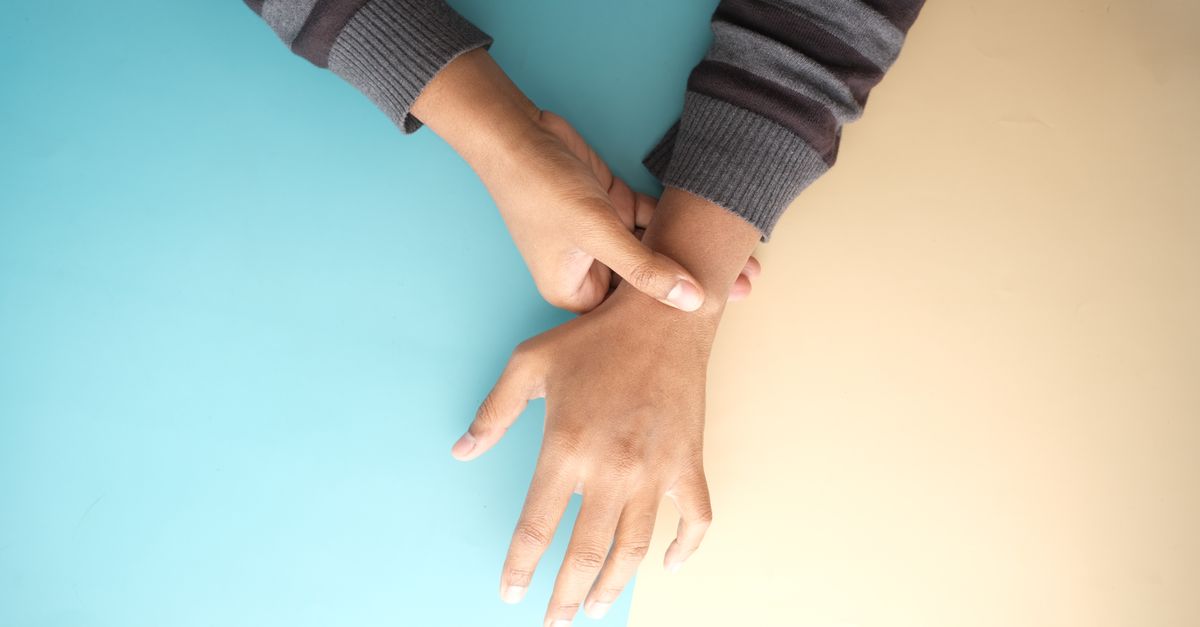
Hand numbness and tingling when holding a smartphone in bed are primarily caused by the sustained mechanical compression of the ulnar and median nerves, combined with localized vascular restriction. The posture required to view a screen while lying down involves prolonged elbow flexion and wrist bending. This unnatural anatomical geometry drastically increases the internal pressure within the cubital and carpal tunnels, physically squeezing the delicate nerve fibers and disrupting their electrical conductivity.
When an individual rests in bed and elevates a device, the arms are typically bent beyond ninety degrees at the elbow. This sharp angle stretches the ulnar nerve tightly across the medial epicondyle, the bony bump on the inside of the elbow. Simultaneously, gripping the device requires sustained isometric tension in the wrist and fingers, which compresses the median nerve at the base of the hand.
The resulting neurological distress manifests as a tingling or wooden sensation, often accompanied by a loss of fine motor control. Understanding the microanatomy of these peripheral nerves and the biomechanical consequences of modern device usage is essential for mitigating this common digital strain and preventing chronic neuropathic damage.
2. Anatomy Of The Peripheral Nerves
The sensation and motor function of the human hand are governed primarily by three major nerves branching from the brachial plexus: the median, ulnar, and radial nerves. In the context of holding a smartphone, the median and ulnar nerves are the most heavily impacted. The ulnar nerve travels down the inside of the arm, passing directly behind the elbow joint, and supplies sensation to the ring and little fingers.
The median nerve travels down the center of the forearm and passes through the carpal tunnel at the wrist. It provides sensation to the thumb, index, middle, and half of the ring finger. Both of these nerves must navigate through narrow anatomical bottlenecks made of bone and rigid connective tissue.
Because these nerves are located superficially at the elbow and wrist, they are highly vulnerable to external compression and internal stretching. A healthy nerve requires space to glide smoothly during limb movement. When this space is compromised, the nerve becomes chemically and mechanically distressed.
3. The Biomechanics Of Smartphone Use In Bed
Lying in bed while using a smartphone dictates a highly specific and restrictive posture. To bring the screen into the visual field, the user must elevate their arms against gravity, bending the elbows sharply to bring the device close to the face. This sustained elbow flexion is the primary mechanical catalyst for ulnar nerve irritation.
Simultaneously, the wrists are often cocked backward or curled forward to support the weight and angle of the phone. The fingers remain locked in a static pinching grip to prevent the device from dropping. This combination of elbow flexion and wrist deviation creates a perfect storm of neural tension.
The peripheral nerves are pulled taut across their respective anatomical pulleys. The longer this static posture is maintained, the more the nerves are subjected to shear forces and compressive loads, initiating the cascade of cellular events that lead to sensory numbness.
4. Cubital Tunnel Syndrome Explained
The sensation of tingling specifically in the ring and pinky fingers is the hallmark of cubital tunnel syndrome, which is the compression of the ulnar nerve at the elbow. The cubital tunnel is a narrow passageway formed by muscle, ligament, and bone. When the elbow is straight, the ulnar nerve rests comfortably with plenty of slack.
When the elbow bends past ninety degrees, the volume of the cubital tunnel decreases by nearly half. The ulnar nerve is stretched tightly against the rigid medial epicondyle. If a user rests their bent elbows directly on a mattress or a pillow, they add direct external compression to this already stretched nerve.
This physical squeezing flattens the nerve and restricts its microvascular blood supply. The nerve fibers begin to misfire, sending abnormal sensory signals to the brain. This condition, colloquially referred to as smartphone elbow, is a rapidly growing clinical presentation in modern orthopedic practice.
5. Carpal Tunnel Compression Dynamics
If the numbness is localized to the thumb, index, and middle fingers, the median nerve is the compromised structure. The median nerve shares the carpal tunnel in the wrist with nine flexor tendons. These tendons are responsible for curling the fingers to grip the smartphone.
Sustained gripping causes these flexor tendons to engorge slightly with blood and synovial fluid. Because the carpal tunnel is roofed by a rigid transverse carpal ligament, any increase in volume within the tunnel directly increases the internal pressure.
Holding the wrist in a bent position while typing or scrolling further compounds this pressure. The median nerve, being the softest structure in the tunnel, bears the brunt of this compression. The resulting hypoxia within the nerve tissue triggers the pins and needles sensation associated with early-stage peripheral neuropathy or carpal tunnel syndrome.
6. Ischemia And Nerve Hypoxia
Peripheral nerves are highly metabolically active and require a continuous, robust supply of oxygenated blood. The blood is delivered through a microscopic network of vessels called the vasa nervorum, which wrap around and penetrate the nerve tissue.
When a nerve is stretched or compressed, the internal pressure exceeds the capillary perfusion pressure. This physically crushes the vasa nervorum, halting blood flow. The resulting condition is known as ischemia. Without fresh blood, the nerve tissue rapidly depletes its oxygen reserves, entering a state of hypoxia.
Hypoxic nerve cells cannot maintain the delicate chemical gradients required to conduct electrical impulses normally. The spontaneous, erratic firing of these distressed nerve cells is what the brain interprets as tingling, burning, or a complete loss of sensation.
7. Gravity And Vascular Pooling
The orientation of the arms while lying down introduces a secondary vascular challenge. When holding a phone above the chest or face, the hands are elevated relative to the heart. The arterial system must pump blood upward against gravity, while the venous system drains blood downward very efficiently.
This dynamic can lead to a slight decrease in overall arterial perfusion to the distal fingertips. However, a more common issue occurs when the arms are resting heavily on the chest or the bed. The weight of the arms can compress the major blood vessels in the axilla or the upper arm.
This upstream vascular compression further reduces the blood supply reaching the already stressed nerves in the elbows and wrists. The combination of local nerve compression and regional blood flow restriction accelerates the onset of numbness and motor weakness.
8. The Role Of Neck And Posture
Numbness in the hands can also originate much higher up in the kinetic chain. When looking down at a phone in bed, the head is often propped up on thick pillows, forcing the cervical spine into severe, sustained flexion. This forward head posture strains the muscles and ligaments of the neck.
More importantly, it can compress the cervical nerve roots as they exit the spinal column. The nerves that eventually become the median and ulnar nerves originate in the lower cervical spine.
If these nerve roots are pinched in the neck due to poor sleeping posture, the downstream nerve branches become highly sensitized. This phenomenon, known as a double crush syndrome, means that a nerve slightly pinched in the neck will become profoundly numb with only minimal additional compression at the elbow or wrist.
9. Tissue Extensibility And Nerve Gliding
Healthy nerves possess a degree of elasticity. They must be able to stretch and slide through surrounding tissues during movement. This physical mobility is known as nerve gliding. Prolonged static postures, such as holding a device for hours, dehydrate the surrounding fascial tissues.
When the fascia becomes sticky and dehydrated, it binds to the outer sheath of the nerve. The nerve loses its ability to glide smoothly. When the user finally moves their arm, the adhered nerve is subjected to severe traction forces.
Maintaining tissue extensibility through regular movement prevents these fascial adhesions. Without proper nerve gliding mechanics, the nerves remain tethered and highly vulnerable to compressive neuropathies.
10. Differentiating Hand Numbness Causes
Identifying the exact location of the tingling helps pinpoint the site of nerve compression.
| Symptom Location | Affected Nerve | Primary Anatomical Pinch Point |
|---|---|---|
| Pinky and ring fingers, side of the hand | Ulnar Nerve | Cubital tunnel inside the elbow joint. |
| Thumb, index, middle fingers, and palm | Median Nerve | Carpal tunnel at the base of the wrist. |
| Back of the hand and thumb web space | Radial Nerve | Spiral groove of the upper arm or wrist. |
| Entire hand, radiating from the neck down | Cervical Nerve Roots | Cervical spine intervertebral foramen. |
11. The Impact Of Device Weight And Grip
Modern smartphones have grown significantly in both size and weight. Supporting a heavy device with a single hand requires intense, asymmetric muscular activation. The small intrinsic muscles of the hand and the stabilizing tendons of the wrist must work continuously to prevent the device from tipping.
This sustained isometric grip rapidly exhausts the localized musculature. As the muscles fatigue, they swell slightly, which increases the pressure within the confined spaces of the hand and wrist.
Using smaller devices, or distributing the weight across both hands, significantly reduces the mechanical load. Resting the device on a pillow or using a specialized stand completely eliminates the gripping requirement, thereby removing the compressive force on the median nerve.
12. Immediate Postural Adjustments
When the hands begin to tingle, the immediate solution is to alter the biomechanical alignment. The user must release the device and straighten the arms completely. Extending the elbows relieves the tension on the ulnar nerve, and straightening the wrists opens the carpal tunnel.
Lowering the arms below the level of the heart allows gravity to assist arterial blood flow, rapidly flushing the hypoxic nerve tissues with oxygenated blood. It is highly beneficial to shake the hands gently, which stimulates venous return and encourages the sensory nerves to reset.
To resume device use safely, the user should alter their position to keep the elbows bent at an angle greater than ninety degrees. Propping the torso up into a seated position allows the device to rest in the lap, maintaining neutral wrists and relaxed elbows.
13. Nerve Gliding Exercises And Relief
To combat the stiffness and nerve tethering associated with device use, nerve gliding exercises are highly effective. These specific movements pull the nerve through its anatomical tunnel, breaking up minor adhesions and promoting intraneural blood flow.
For the ulnar nerve, the user can extend their arm to the side, palm facing up, and then bend the elbow to bring the palm toward the ear, mimicking a server carrying a tray. Repeating this smooth motion gently mobilizes the ulnar nerve through the cubital tunnel.
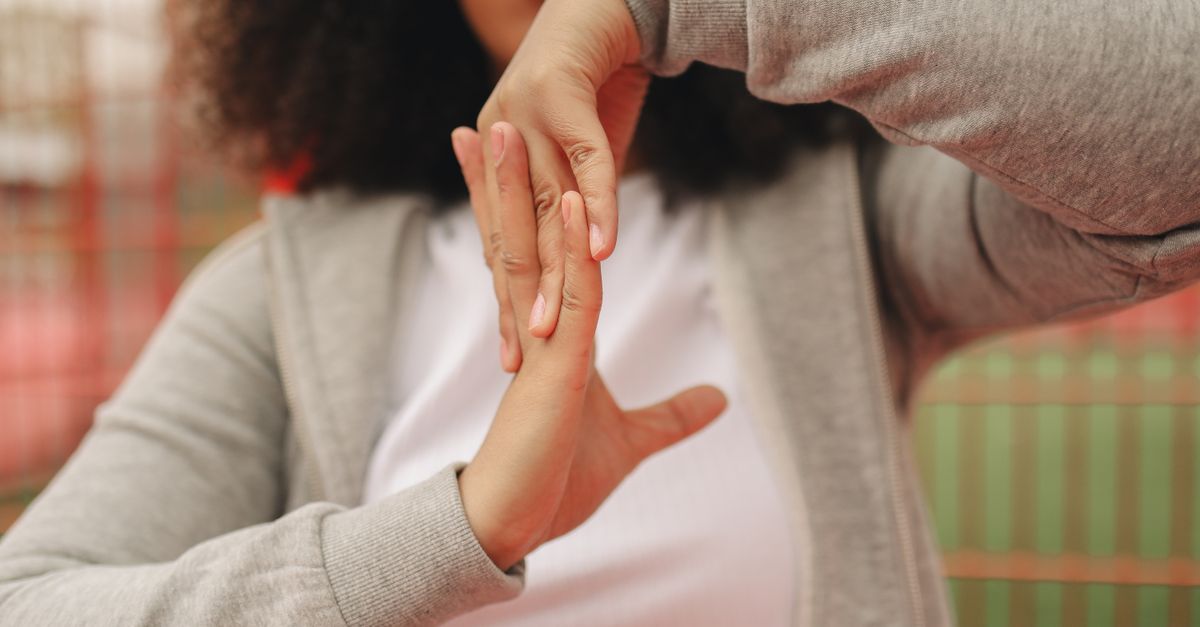
For the median nerve, extending the arm straight out with the palm facing the wall, and then gently pulling the fingers backward with the opposite hand, stretches the carpal tunnel and allows the median nerve to glide freely past the flexor tendons.
14. Ergonomic Tools And Accessories
Adapting the physical environment reduces the necessity for unnatural postures. Utilizing a gooseneck tablet holder or a dedicated bedside smartphone stand allows the user to view the screen hands-free. This completely removes the ergonomic strain from the elbows and wrists.
If holding the device is necessary, applying a pop-socket or a grip ring to the back of the phone changes the biomechanics of the hold. These accessories allow the fingers to relax and hook onto the device rather than actively pinching it, significantly reducing the pressure inside the carpal tunnel.
Wearing a soft, over-the-counter elbow brace loosely while in bed can serve as a physical reminder to keep the arms relatively straight, preventing the severe, sustained elbow flexion that triggers cubital tunnel syndrome.
15. When To See A Doctor
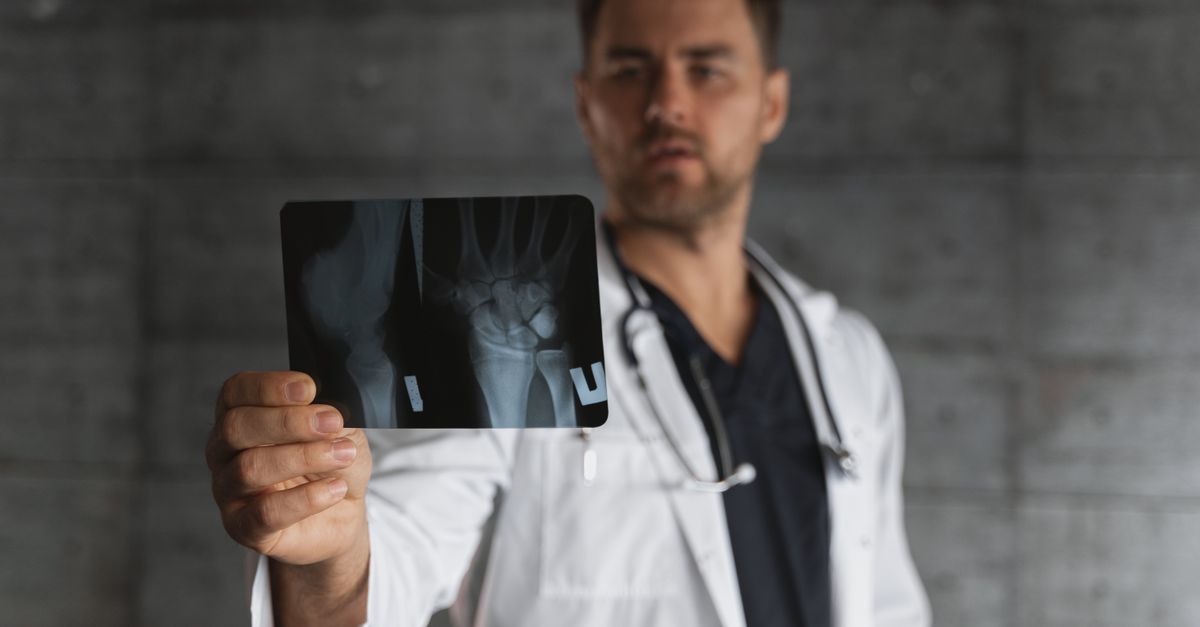
While transient tingling that resolves immediately upon changing positions is a normal physiological warning sign, certain symptom patterns dictate professional medical evaluation. If the numbness persists for hours after setting the phone down, or is present upon waking in the morning, clinical assessment is required.
Immediate medical attention is necessary if the numbness is accompanied by a noticeable loss of muscle bulk in the hand, difficulty holding objects without dropping them, or severe, shooting electrical pain that travels up the arm.
Patients should consult a neurologist or an orthopedic specialist if conservative measures fail to improve the symptoms, as chronic nerve compression can lead to permanent myelin sheath damage and irreversible motor weakness requiring surgical decompression.
16. Frequently Asked Questions (FAQ)
1. Why do only my pinky and ring fingers go to sleep when holding my phone?
The ulnar nerve uniquely supplies sensation to the pinky and half of the ring finger. Because this nerve runs behind the elbow, keeping your arms bent to hold your phone stretches this specific nerve tightly, shutting off its blood supply and causing those specific fingers to go numb.
2. Can holding my phone in bed cause permanent nerve damage?
Repeated, daily compression over several years can lead to chronic nerve damage. The protective sheath around the nerve can scar and thicken, leading to a permanent loss of sensation and hand weakness if the posture is never corrected.
3. Does the brightness of the screen contribute to the numbness?
No, screen brightness affects eye strain and circadian rhythms, but it has no physiological connection to the nerves in your arms. The numbness is strictly a mechanical and vascular issue based on your physical posture.
4. Why do my hands feel shaky after the numbness goes away?
When blood flow rushes back into the nerve after a period of oxygen deprivation, the nerve fibers fire chaotically as they recover. This temporary electrical instability, combined with muscle fatigue from holding the phone, causes a shaky, uncoordinated feeling.
5. Is it better to lie on my side or my back when using a phone?
Lying on your back with the phone supported by a stand is ergonomically best. Lying on your side often traps one arm under your body weight, cutting off blood flow to the shoulder, while the other arm is held at an awkward angle, increasing nerve strain.
17. Bibliography
Disclaimer: The content is for informational purposes only and does not replace medical advice. Always consult your doctor for personalized treatment.