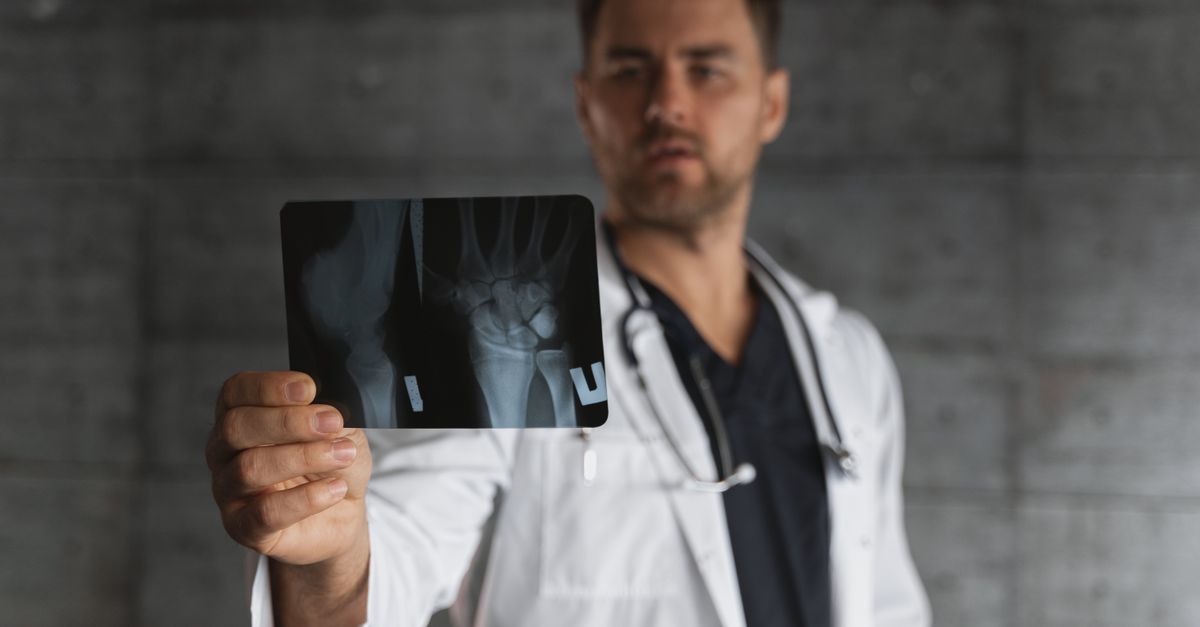
1. Introduction and Primary Treatment Interventions
To relieve persistent numbness in the hands at night, the primary clinical intervention is securing the wrists in a neutral position using rigid nocturnal splints, thereby preventing flexion-induced mechanical compression of the median nerve. If splinting combined with nonsteroidal anti-inflammatory medications fails to resolve the paresthesia, targeted corticosteroid injections or surgical release of the transverse carpal ligament are necessary to restore normal neural axoplasmic flow and prevent permanent motor deficits.
Waking up in the middle of the night with hands that feel profoundly numb, swollen, or intensely tingling is a pervasive clinical complaint known as nocturnal paresthesia. This highly disruptive symptom forces patients to repeatedly shake or wring their hands to restore sensation, severely fragmenting sleep architecture and causing chronic daytime fatigue.
This sensation is rarely a vascular issue; rather, it represents a direct mechanical or ischemic insult to the peripheral nerves supplying the upper extremity. Accurate diagnosis relies on mapping the precise anatomical distribution of the numbness in the fingers, which allows clinicians to pinpoint the exact site of neural compression.
2. Anatomy of the Carpal Tunnel
The carpal tunnel is a narrow, rigid anatomical passageway located at the base of the palm. The floor and sides of the tunnel are constructed by the carpal bones of the wrist, while the roof is formed by a thick, unyielding band of connective tissue known as the transverse carpal ligament.
Through this tight corridor run nine flexor tendons, which control the movement of the fingers and thumb, and a single, critical nerve: the median nerve. The median nerve provides sensory innervation to the palmar aspect of the thumb, index, middle, and radial half of the ring finger, as well as motor innervation to the muscles at the base of the thumb.
Because the boundaries of the carpal tunnel are entirely rigid, any increase in tissue volume within the space, such as swollen flexor tendons or localized fluid retention, immediately exerts intense mechanical pressure on the soft, vulnerable median nerve.
3. Pathophysiology of Carpal Tunnel Syndrome
Carpal Tunnel Syndrome is the leading cause of nocturnal hand numbness. The mechanical compression of the median nerve inside the wrist initiates a cascade of neuropathic damage. Initially, the pressure obstructs the microscopic venous return within the nerve itself, leading to localized neural edema.
As the pressure increases, arterial blood flow is compromised, creating a state of severe ischemia within the nerve tissue. This lack of oxygen and nutrients prevents the nerve from conducting normal electrical signals, resulting in the clinical symptoms of profound numbness and tingling.
If the compression remains untreated for an extended duration, the continuous ischemia damages the myelin sheath and eventually destroys the internal axons, resulting in irreversible sensory loss and profound atrophy of the thumb musculature.
4. Why Numbness Worsens at Night
The circadian nature of this symptom, peaking relentlessly during sleep, is driven by biomechanics and physiological fluid shifts. During normal sleep, the human body subconsciously adopts a fetal position, frequently curling the wrists into a state of extreme flexion.
Flexing the wrist to ninety degrees drastically reduces the anatomical volume of the carpal tunnel, directly driving the transverse carpal ligament into the median nerve. Furthermore, remaining motionless during sleep allows interstitial fluid, which is normally pumped out of the extremities by muscle contraction, to pool in the arms and wrists, further increasing internal tunnel pressure.
These two factors, sustained joint flexion and dependent fluid pooling, combine to create a perfect storm of neural ischemia that reliably awakens the patient with painfully numb hands.
5. Differentiating Ulnar Nerve Compression
It is a critical diagnostic requirement to determine exactly which fingers are numb. If the numbness is strictly confined to the pinky finger and the ulnar half of the ring finger, the pathology is not Carpal Tunnel Syndrome, but rather Cubital Tunnel Syndrome.
Cubital Tunnel Syndrome involves the compression of the ulnar nerve as it passes through a superficial groove at the medial aspect of the elbow, colloquially known as the funny bone. Sleeping with the elbows tightly bent stretches and compresses the ulnar nerve against the surrounding bone and ligaments.
The clinical management for this condition requires maintaining the elbow, rather than the wrist, in an extended, straight position during sleep using a specialized extension splint, alongside ergonomic modifications to avoid leaning on the elbow during the day.
6. Cervical Radiculopathy and the Double Crush Phenomenon
If numbness affects the entire hand and is accompanied by pain shooting down the arm from the neck, the origin of the compression is likely in the cervical spine. Cervical radiculopathy occurs when a herniated disc or bone spur pinches a nerve root in the neck before it travels down the arm.
Complicating clinical diagnosis is the double crush phenomenon. This occurs when a peripheral nerve is subjected to minor, low-grade compression at two distinct anatomical sites, such as the neck and the wrist.
Individually, neither compression point is severe enough to cause symptoms, but the combined disruption of axoplasmic flow across the length of the nerve results in profound symptomatic numbness. Successfully resolving the paresthesia often requires treating both the cervical spine and the peripheral entrapment simultaneously.
7. Systemic and Metabolic Contributors
Peripheral nerves are highly sensitive to systemic metabolic dysfunction. Uncontrolled diabetes mellitus is a primary driver of peripheral neuropathy. Chronic hyperglycemia damages the microvascular capillary beds supplying the nerves, creating a systemic state of neural ischemia.
Patients with diabetic neuropathy possess nerves that are structurally weakened and significantly more susceptible to mechanical compression. A mild narrowing of the carpal tunnel that would be asymptomatic in a healthy individual will cause severe numbness in a diabetic patient.
Similarly, thyroid dysfunction, particularly hypothyroidism, causes the deposition of mucopolysaccharides in the soft tissues of the body, leading to systemic, non-pitting edema that thickens the flexor tendons within the carpal tunnel, precipitating nerve compression.
8. Nocturnal Splinting Protocols
The absolute first line of conservative therapy for nocturnal hand numbness is rigid wrist splinting. The objective is to enforce a mechanically neutral wrist posture, preventing the patient from unconsciously flexing or hyperextending the joint while asleep.
A neutral wrist maximizes the internal volume of the carpal tunnel, providing the median nerve with the greatest possible space and reducing localized pressure to its absolute minimum. The splint must contain a rigid volar strut, typically made of metal or hard plastic, running along the palm and forearm.
Patients are instructed to wear these splints strictly every night for a minimum of four to six weeks. Consistent application provides the compressed nerve a dedicated, prolonged window of unimpeded blood flow, facilitating the clearance of neural edema and allowing for structural healing.
9. Ergonomic Adjustments and Tendon Gliding
While the symptoms primarily manifest at night, the mechanical damage to the nerve frequently occurs during daytime occupational activities. Continuous, repetitive gripping, forceful typing with hyperextended wrists, and exposure to heavy vibratory tools induce chronic micro-trauma and swelling in the flexor tendons.
Ergonomic correction is mandatory. Utilizing split-keyboard designs, ergonomic mice, and padded wrist rests ensures the hands operate in a neutral anatomical alignment. Taking frequent micro-breaks to perform specific tendon gliding exercises helps mobilize the flexor tendons, preventing them from adhering to the median nerve and reducing sheer stress within the tunnel.
These conservative measures run parallel to the strategies utilized for relieving other repetitive strain injuries, such as the management protocols discussed for cervical spine pain.
10. Corticosteroid Injections for Acute Relief
When splinting fails to provide adequate relief, or if the nocturnal awakening is severe enough to cause significant sleep deprivation, a localized corticosteroid injection into the carpal tunnel is the next clinical step.
Using ultrasound guidance to ensure the median nerve is not inadvertently punctured, a physician injects a potent synthetic corticosteroid directly into the space surrounding the inflamed flexor tendons.
The steroid forcefully suppresses the localized inflammatory cascade, rapidly shrinking the edematous tissues and drastically lowering the internal pressure of the tunnel. This intervention frequently provides profound, albeit sometimes temporary, relief from numbness within a few days of administration.
11. Diagnostic Electromyography
To objectively confirm a diagnosis of peripheral nerve entrapment and determine the exact severity of the neural damage, a neurologist performs Electromyography and Nerve Conduction Studies.
During a nerve conduction study, small stimulating electrodes are placed on the skin, and a mild electrical impulse is sent along the median or ulnar nerve. The machine measures exactly how fast the electrical signal travels.
If the nerve is compressed, the myelin sheath is damaged, and the electrical signal will slow down significantly precisely at the site of the anatomical bottleneck. This provides irrefutable, objective data regarding the integrity of the nerve, guiding the decision between continued conservative care and surgical intervention.
12. Surgical Decompression Procedures
Surgical intervention is definitively indicated for patients who exhibit profound, constant numbness during the day, objective weakness in the thumb muscles, or those whose symptoms fail to improve after comprehensive conservative management and corticosteroid injections.
Carpal tunnel release surgery involves meticulously severing the thick transverse carpal ligament. This immediately and permanently releases the mechanical tension forming the roof of the tunnel, dramatically expanding the available space for the median nerve.
The procedure can be performed via a traditional open incision in the palm or through a minimally invasive endoscopic approach. Both techniques boast exceptionally high success rates in eliminating nocturnal paresthesia and preventing further permanent neurological degradation.
13. Red Flags and Dangerous Presentations
While nocturnal numbness is typically benign, specific accompanying symptoms mandate an immediate neurological or vascular evaluation to rule out central nervous system pathology or severe arterial compromise.
| Clinical Red Flag | Potential Severe Pathology |
|---|---|
| Numbness affecting one entire side of the body | Ischemic Stroke or Transient Ischemic Attack |
| Sudden numbness with a cold, pale, and pulseless hand | Acute Arterial Occlusion |
| Numbness progressing rapidly up the arm over days | Guillain-Barre Syndrome or Demyelinating Disease |
| Severe numbness accompanied by sudden difficulty speaking | Acute Cerebrovascular Event |
14. Nutritional and Pharmacological Support
Systemic pharmacological support plays a targeted role in managing neuropathic symptoms. Vitamin B6, or pyridoxine, is heavily involved in normal nerve function and the synthesis of neurotransmitters. Some clinical trials suggest that targeted supplementation may support neural healing in early-stage compression syndromes.
For patients experiencing intense, burning neuropathic pain accompanying the numbness, medications designed to stabilize nerve membranes, such as gabapentin or pregabalin, may be prescribed.
These agents do not relieve the physical compression, but they effectively blunt the erratic, painful electrical signals sent by the damaged nerve to the brain, allowing the patient to achieve restful sleep while undergoing physical or surgical treatment.
15. Frequently Asked Questions (FAQ)
1. Will shaking my hands vigorously fix the numbness?
Shaking the hands temporarily increases blood flow and provides a competing sensory stimulus that briefly distracts the brain from the numbness, but it does absolutely nothing to fix the underlying mechanical compression causing the problem.
2. Should I wear my wrist splint tightly to keep my hand straight?
No. The splint must be rigid to hold the wrist neutral, but the straps should be fastened loosely enough to easily slide a finger underneath. Securing the straps too tightly will act like a tourniquet, cutting off blood flow and worsening the numbness.
3. How do I know if my numbness is from my neck or my wrist?
Carpal tunnel numbness is specifically limited to the thumb, index, and middle fingers. If your entire hand goes numb, or if the numbness is accompanied by a sharp pain shooting from the base of your skull down your arm, the problem is likely originating in your neck.
4. Can holding my phone in bed cause my hands to go numb?
Yes. Holding a phone frequently requires you to bend your wrists and elbows sharply for extended periods. This sustained flexed posture compresses the nerves in the arm, directly leading to nocturnal paresthesia.
5. Is surgery necessary if the numbness is only annoying at night?
If the numbness only occurs at night and resolves completely during the day, conservative treatment like splinting is usually sufficient. Surgery is reserved for cases where the numbness becomes constant, or if you begin dropping objects due to muscle weakness.
16. Bibliography
- Read relevant clinical studies on PubMed
- Search for academic articles on Google Scholar
- Read relevant clinical studies on PubMed
- Search for academic articles on Google Scholar
Disclaimer: The content is for informational purposes only and does not replace medical advice. Always consult your doctor for personalized treatment.